



Guide
First Adult Tricycle Buying Guide
Choose your first adult tricycle by checking rider fit, storage, weight limits, gears, brakes, assembly, and service before buying.
We research everything we recommend. When you buy through our links, we may earn a commission. Learn more
Guide
Compare recumbent trike handlebar layouts through fitted reach, brake access, mounting, steering clearance, accessories and storage routines.

Updated · 11 min read
The best handlebar layout is the one that lets you operate the actual trike comfortably and reliably. Above-seat and under-seat steering describe where controls are arranged, but they do not tell you everything about reach, steering movement, mounting access, or accessory space. Two recumbents with the same broad label can feel very different once the seat is adjusted for a particular rider.
This guide helps you compare complete control layouts during a fitting or test session. It does not rank every steering system, prescribe joint angles, or recommend an unapproved conversion. The practical questions are whether you can use the brakes and other controls, maintain the intended position, and manage everyday tasks without interference. Exact adjustment procedures and limits belong to the vehicle and component documentation.

Above-seat steering places the hand controls ahead of or above the seated rider. Under-seat steering typically places grips alongside or below the seat area. Manufacturers use different constructions within those categories, and terminology may not capture the full movement of a particular handlebar. Ask the dealer to demonstrate the mechanism rather than deciding from a label alone.
HP Velotechnik's Delta tx material provides a current example of a trike offered with above-seat and under-seat configurations. It also distinguishes options within its above-seat arrangement. That example shows why comparisons need model-specific detail; it does not establish that every recumbent offers the same options or can be converted in the same way.
Keep layout separate from trike geometry. Delta and tadpole configurations describe wheel arrangement, while handlebar position describes a control arrangement. A preference for one does not automatically settle the other. The upright versus recumbent guide covers broader vehicle differences; this article narrows the decision to what your hands, controls, and surrounding equipment need to do.
A handlebar comparison is misleading if one candidate has been adjusted for you and the other has not. Ask the dealer to establish the intended seat and pedal position before evaluating reach. Use the maker's fitting procedure and explain any discomfort or functional limitation. A brief sit in a poorly adjusted display model is not a fair test of its steering category.
Note the seat type and recline during the session. Moving the seat can change the relationship between your shoulders, hands, and controls. A position that feels easy while sitting upright in the showroom may feel different in the actual riding posture. Record the setup alongside your impressions so a later appointment can reproduce the comparison.
The sizing and fit guide and recumbent crank fit guide address these surrounding adjustments. If several riders share a trike, ask how the complete seat, pedal, and control setup is changed between them. Do not assume a handlebar adjustment alone makes every rider's fit acceptable.
Comfortable static reach is useful, but operating a brake requires more than touching the lever. With the trike secured and under appropriate supervision, check whether you can hold the grip and use the intended controls without abandoning your normal position. Explain which movement is difficult rather than trying to compensate silently throughout the test.
Consider clothing and gloves you actually use. A showroom test in short sleeves may not reveal interference from a winter jacket, rain garment, or bag strap. Bring ordinary riding equipment when possible. If the layout only feels manageable after you remove something needed for your normal trips, that is relevant to the buying decision.
Avoid interpreting discomfort as a medical diagnosis or expecting a steering category to treat an existing condition. If pain or an underlying limitation affects the decision, obtain appropriate individual advice and a specialist fitting where needed. The dealer can explain adjustment options, while clinical questions should not be resolved by a generic article or marketing claim about ergonomic handlebars.
Identify brakes, gear controls, assist controls, bell, parking function, and any other fitted equipment. Ask what each control operates and practice finding it while stationary. A layout that makes steering feel natural may still place a frequently used button or lever somewhere awkward. Write those concerns down before a moving test rather than discovering them on a busy path.
On a trike with independent brake controls, understand the installed arrangement and the maker's operating instructions. Do not assume the left and right levers work like those on your previous bicycle. The brake controls guide explains how to make a vehicle-specific control map. The fitting session should include that map, not just a discussion of grip comfort.
If you need an adapted control arrangement, ask for approved options and suitable specialist support. A seller should explain which changes are available for the exact model. Improvised lever relocation or steering modifications can affect more than convenience. Record who will perform the adaptation and what documentation establishes its intended use.
With a dealer demonstrating the trike safely, examine what happens throughout the intended steering range. Hands, knees, cables, accessories, and frame parts need appropriate clearance. A comfortable straight-ahead position can still create interference in a tight maneuver. This is especially relevant when a display, mirror, or bag has been added after the original configuration was chosen.
Do not turn a steering stop into an adjustment opportunity unless the manufacturer explicitly provides that procedure. The available movement belongs to the vehicle's design. If something contacts before the intended range is reached, ask the dealer to assess it. A promising configuration should not rely on removing or bypassing an unfamiliar restriction.
Turning circle is also a model-specific property. A control layout may suit your hands while the complete trike still needs more space than your storage entrance provides. The width and clearance guide and turning guide help connect the steering comparison with real gates, paths, and maneuvers.
Getting into the seat is part of the ownership routine. Ask the dealer to demonstrate the approved method for the fitted layout and any intended folding or movable steering feature. A handlebar that can move for access needs its own operating instructions; do not assume it is a support rail or that every recumbent stem is designed to swing away.
Evaluate the sequence at the place you expect to use the trike: beside a wall, in a garage, or near a parked vehicle. A broad showroom aisle can hide the access limitations of your home. Measure the available space and discuss it during fitting. A configuration should work with the complete mounting routine rather than only after the trike has been moved to an unrealistic position.
The mounting and dismounting guide covers that task in more detail. For the handlebar choice, record whether controls obstruct your route to the seat and what approved action clears them. If transfer assistance or an adaptation is needed, include the person or specialist who will help assess the actual arrangement.
An above-seat arrangement may feel familiar to someone coming from an ordinary bicycle, while controls beside the seat may feel unfamiliar during the first minutes. Familiarity is a valid preference, but it should not be confused with a complete assessment. A supervised second session can reveal whether an initial difficulty was simply learning or a persistent problem with reach and control use.
Give each candidate an equivalent introduction. Ask the dealer to explain its intended hand position and operation rather than letting you imitate your previous bicycle technique. Keep the trial within a safe setting and your own capability. There is no need to attempt a demanding route to decide whether the basic controls are understandable.
Record what changed with practice. For example, locating a gear control may become easy while a lever still requires an uncomfortable movement. These are different findings. A note that simply says felt strange loses useful information, while a precise observation gives the dealer something to adjust or discuss.
A steering layout can affect where a mirror or electric display is visible and how far an accessory projects. Check the installed equipment in the actual seated position. A mirror that works when you lean forward may not give the intended view while riding normally. Similarly, a display should not require repeated awkward movement just to read basic information.
The mirror setup guide and phone mount guide provide more detailed accessory considerations. Here, the question is whether the chosen layout offers an approved location with suitable clearance. Do not let an accessory clamp occupy a position needed for a grip, brake lever, or steering movement.
On an electric model, ask whether the display and assist controls are included in the configuration being quoted. A photograph may show optional equipment or a different drive system. The complete fitted price and control arrangement should be written down so the delivered trike matches the setup that you tested.

Cables and hoses need to follow the approved routing for the installed layout. A tidy straight-ahead appearance does not show whether they are pulled, pinched, or obstructed during steering or folding. Ask the dealer to demonstrate the complete range and explain any owner checks specified by the manufacturer.
Do not shorten a hose, reroute a control cable, or add restrictive ties merely to make the cockpit look cleaner. A routing change can affect control operation and service requirements. If a bag or accessory interferes, solve the problem through the maker's approved configuration or a competent installer. The accessory should fit the controls, not force them into an improvised path.
Photograph the normal routing after delivery. This reference helps communicate a later change following transport or accessory work. It is not a substitute for checking operation, but it gives a technician context. If braking or steering changes unexpectedly, stop using the trike and obtain an assessment rather than relying on the reference photograph as reassurance.
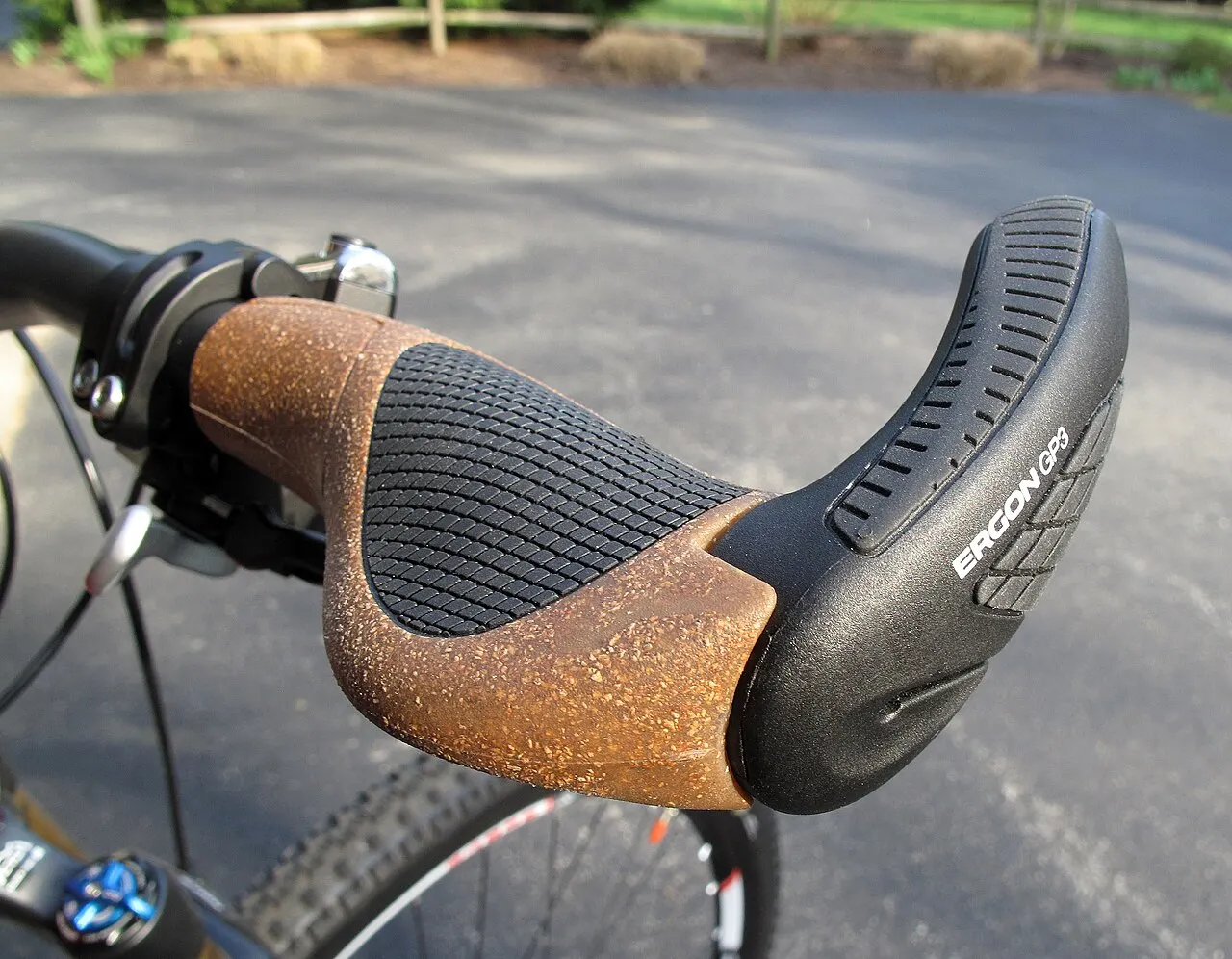
Grip diameter, shape, material, and position can affect how a layout feels, but a new grip does not alter the whole steering design. Evaluate an approved alternative only after the basic reach and control placement are established. Otherwise, it is easy to buy several grips while the actual problem remains an unsuitable handlebar position or inaccessible lever.
The grip and bar-end guide explains how accessory compatibility differs from general comfort preference. Bar ends or additional hand positions should not interfere with the brake controls or expand the trike's clearance unexpectedly. Confirm that the component and vehicle permit the proposed installation.
During comparison, distinguish a grip issue from a layout issue in your notes. A surface that feels slippery with gloves is different from an arm position that cannot be maintained. This distinction helps the dealer propose the right adjustment and prevents a small component purchase from being presented as a universal ergonomic solution.
Some trikes have approved folding or steering-position changes for storage; others do not. Ask to see the procedure on the exact configuration you are considering. A handlebar shown folded in a product image may be part of an optional system. The storage plan should refer to the equipment actually included in your purchase.
Measure the final stored shape with necessary accessories fitted. Mirrors, displays, and bags can change what fits into a car or corner of a garage. The storage and transport guide addresses the complete vehicle. For this decision, note whether the chosen control layout creates extra steps or vulnerable protrusions in your normal routine.
Ask which settings remain unchanged after folding and what must be checked before the next ride. Repeatedly disturbing a fit adjustment is different from operating an intended folding feature. If several people share the trike, label only the settings the maker permits you to change, and keep the approved sequence with the vehicle record.
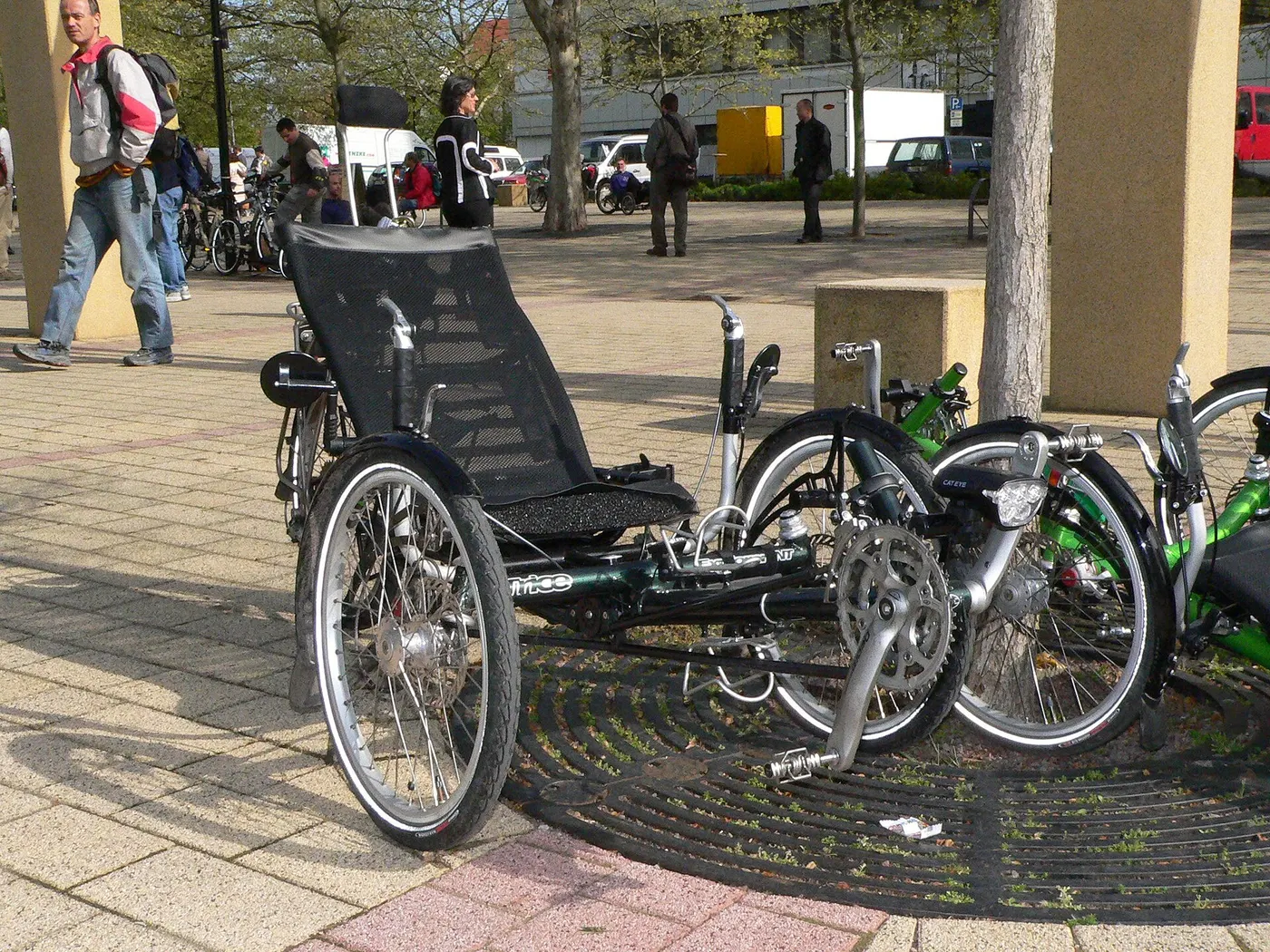
A forum photograph of a modified trike does not establish an approved conversion for yours. Steering changes can involve linkages, cables, frame interfaces, controls, and clearances. If you want to change layout on an existing vehicle, ask the maker or authorized dealer whether a documented conversion exists for its exact model and revision.
Request the complete scope and price, including parts, installation, fitting, and any required checks. A handlebar alone may be only a small part of the work. Compare the converted arrangement with a testable factory configuration where possible. Do not approve a conversion solely because the visible bar looks similar to one on another model.
For a used trike already modified, obtain records and have the installed arrangement assessed. The used trike inspection guide covers the broader purchase. Steering deserves explicit attention because a seller's claim that it feels fine does not identify the parts, procedure, or approval behind the modification.
For each candidate, record model, seat setup, steering version, reach, control access, mounting sequence, full-range clearance, mirror view, display access, and storage procedure. Write unresolved questions separately from favorable impressions. A candidate that felt comfortable but had an unidentified modification should not receive the same confidence as a documented factory setup.
Include the session length and what was actually tested. A stationary fit, a short supervised ride, and an ordinary route trial provide different evidence. Do not turn a five-minute sit into a claim about all-day comfort. The test ride guide helps make the sessions comparable without inventing numerical scores that suggest false precision.
Ask the dealer to explain proposed adjustments in writing. If a solution depends on an optional stem, control, or adapted part, include it in the quoted configuration. Otherwise, the delivered trike may omit the very item that made the trial usable. Keep the final specification alongside your comparison sheet and purchase record.
Imagine a rider who initially prefers above-seat steering because the controls resemble a familiar bicycle. During fitting, the rider can use the brakes comfortably but finds the mounting sequence difficult in a narrow home entrance. The dealer demonstrates an approved access option and a second layout. The comparison now includes the real entrance and required equipment rather than only first impressions.
Another rider may prefer controls beside the seat but need a different mirror location and assistance understanding the brake arrangement. Those questions do not make the category unsuitable automatically. They require a complete fitted configuration and supervised practice. The eventual choice should follow demonstrated usability, documented equipment, and the owner's ordinary routine rather than a universal ranking of steering labels.
Research-based comparison guide, reviewed 14 October 2026. No hands-on fit testing or medical assessment was performed.
Guide
Choose your first adult tricycle by checking rider fit, storage, weight limits, gears, brakes, assembly, and service before buying.

Guide
Learn how to compare adult electric tricycles for control, fit, batteries, braking, transport, and ownership support.

Guide
Understand the leg and hip muscles used when pedaling a tricycle, plus how fit, resistance, and electric assistance change the effort.