
Guide
Electric Tricycles: How to Choose
Learn how to compare adult electric tricycles for control, fit, batteries, braking, transport, and ownership support.
We research everything we recommend. When you buy through our links, we may earn a commission. Learn more
Guide
Choose your first adult tricycle by checking rider fit, storage, weight limits, gears, brakes, assembly, and service before buying.

Updated · 12 min read
An adult three-wheel bike is worth considering when you want a steady platform at a stop, a practical way to carry shopping, or a different riding position from a conventional bicycle. The best starting point is not a brand or a wheel size. It is a clear description of your route, your physical fit, and the space available to store the machine. A tricycle can solve one problem while introducing another: it stays upright without the balancing technique of a two-wheeler, but it is wider, often heavier, and behaves differently through corners.
This guide explains how to narrow the choices before spending money. It is based on published technical information and research, not our own hands-on product testing. It does not assume that age, disability, or a medical diagnosis automatically makes a particular tricycle appropriate. If you are returning to exercise after an injury, discuss the activity with your clinician before using a purchase as a rehabilitation plan.

Write down one ordinary journey rather than an idealized weekend adventure. Include the distance, surface, hills, road crossings, parking location, and the load you will bring home. A short trip to a shop on level streets asks something different from a long recreational ride on rolling paths. If the trip includes a steep driveway, that driveway matters even when most of the route is flat.
Walk the route if possible. Look for narrow barriers, bollards, sharp turns, broken pavement, steep cross slopes, and places where other riders need to pass. A path that accommodates a bicycle may not comfortably accommodate a wider tricycle. Three wheels do not make an unsuitable route safe. If access is uncertain, ask the path operator about vehicle restrictions and inspect the narrowest point before buying.
Also describe your objective. You may want exercise, errands, companionship, or help with hills. These can overlap, but the priority changes the shortlist. For exercise, comfortable pedaling and suitable gears deserve attention. For errands, basket capacity and parking security become more important. For electric assistance, smooth low-speed controls and a realistic charging location matter more than an impressive peak motor figure.
An upright delta tricycle has one wheel at the front and two at the rear, with a fairly conventional saddle and handlebar arrangement. Many have a low step-through frame and a rear basket. Neither a backrest nor a particular saddle style is universal. Check the actual specification instead of assuming that every traditional tricycle supports your back. If you are weighing the two seating styles, read upright vs. recumbent adult tricycles.
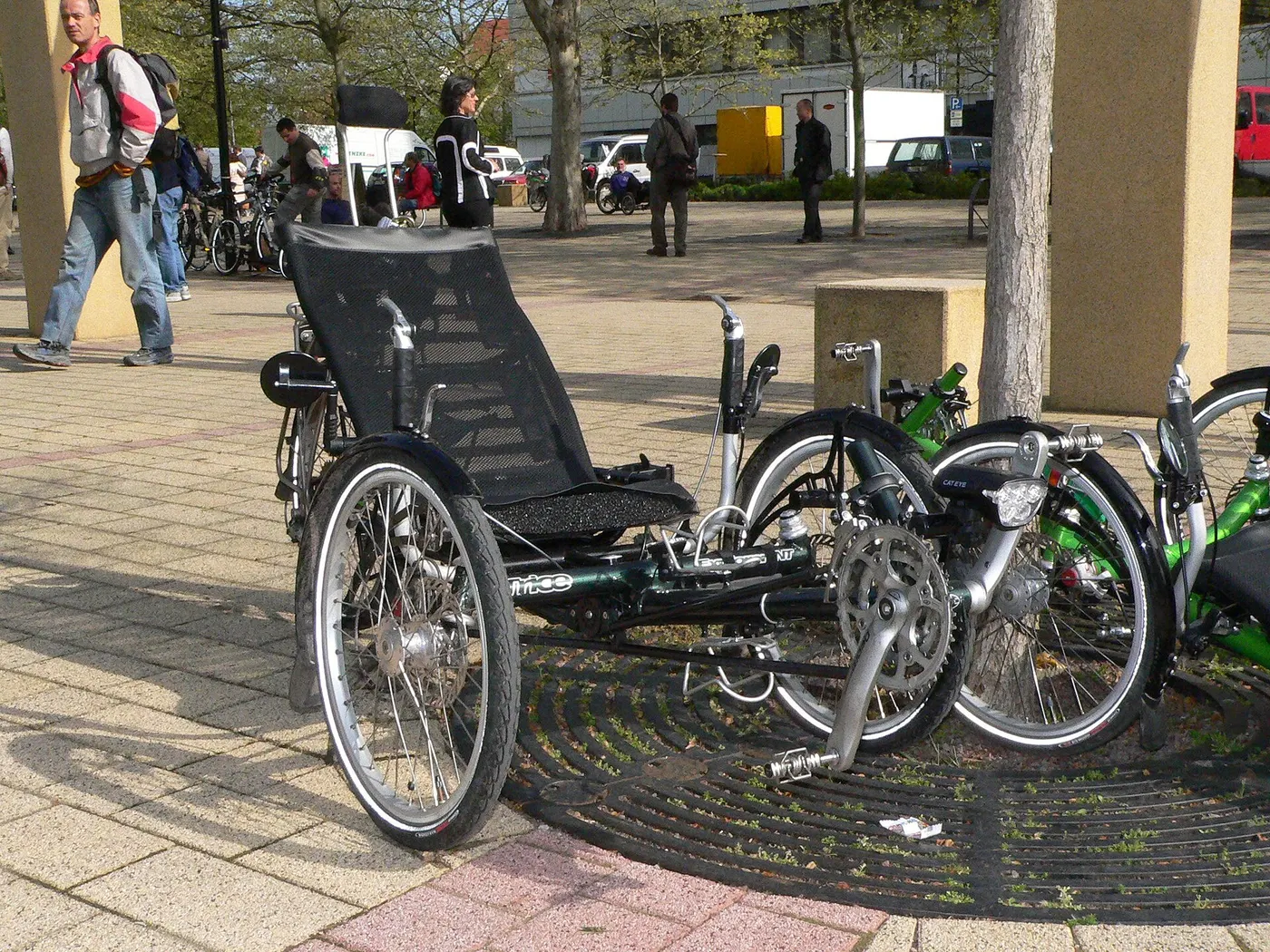
A recumbent tricycle positions the rider against a seat or backrest with the pedals farther forward. Tadpole designs have two front wheels and one rear wheel; recumbent delta designs have the reverse arrangement. The seat can distribute contact differently from an upright saddle, but a low seat may be harder to enter or leave. Ground clearance, visibility, turning circle, and seat adjustability vary substantially.
Electric assistance and folding construction are additional features, not mutually exclusive categories. You can buy an upright folding electric tricycle, for example. Avoid shopping labels such as “comfort,” “sport,” or “senior” as if they were technical standards. The frame, dimensions, controls, and support arrangements tell you more than the marketing category.

| Design | Useful questions | Potential drawback to check |
|---|---|---|
| Upright delta | Can you reach the bars and pedals without strain? | Width and higher seating position affect handling |
| Recumbent tadpole | Can you enter the low seat and see surrounding traffic? | Transfers and ground clearance may be limiting |
| Recumbent delta | Is the seat height practical and the steering comfortable? | Dimensions and storage vary widely |
| Electric-assisted | Is the lowest assistance predictable? | Added weight and charging requirements |
| Folding | What are the measured folded dimensions? | Folding does not guarantee easy lifting |
A stated height range is a screening tool, not a complete fitting service. Two people of the same height can have different leg lengths, torso lengths, and arm reach. Record the rider's height and inseam, then compare those with the manufacturer's seat adjustment and fit guidance. On a recumbent, the relevant measurement may be the distance between the backrest and pedal reach rather than conventional saddle height. Our adult tricycle sizing and fit guide goes further on seat height, reach and transfers.
When sitting in a suitable position, you should be able to turn the pedals smoothly without reaching with your toes or rocking your hips. You should not need to lock the knee to finish a revolution. The handlebar should remain reachable with relaxed shoulders and slightly bent elbows. A backrest is of little help if reaching the controls pulls you away from it.
Try the entry movement separately from the riding position. Step-through height, the placement of the chain guard, pedal position, and parking brake operation all affect mounting. Wear the shoes and clothing you expect to ride in. If you use a mobility aid, think about how it will be secured without obstructing steering or creating a snagging hazard. Do not improvise a carrying solution during your first ride.
The vehicle deserves measurements too. Record its assembled width, length, maximum height, and turning clearance. Check the doorway, gate, shed entrance, and hallway leading to storage. Allow room for your hands and for maneuvering; a measurement that only just clears the opening can still be awkward. Measure the narrowest section, not simply the largest door.
The words “weight capacity” can refer to the rider, total payload, basket, or some combination. Find the definition in the manual and ask the seller if the listing is unclear. A generous total payload does not automatically authorize an equally heavy rider. Nor does a large basket mean that the full vehicle limit can be placed in the basket.
Consider a hypothetical machine with a stated rider limit, a separate rear basket limit, and an overall payload limit. All three conditions need to be satisfied. Add the rider, clothing, bags, lock, and groceries according to the manufacturer's definition. Do not infer that a stronger-looking frame or wider tire raises an official limit. When specifications disagree between retailers, resolve the discrepancy with the manufacturer before ordering.
Load placement also matters. Secure items so they cannot slide into wheels or brake parts. Keep cargo within the approved basket arrangement, distribute it as directed, and avoid hanging heavy bags from the handlebar. A tricycle that feels manageable when empty may behave differently when loaded. Practice with a modest, securely attached load on a suitable route before attempting a full shopping trip.
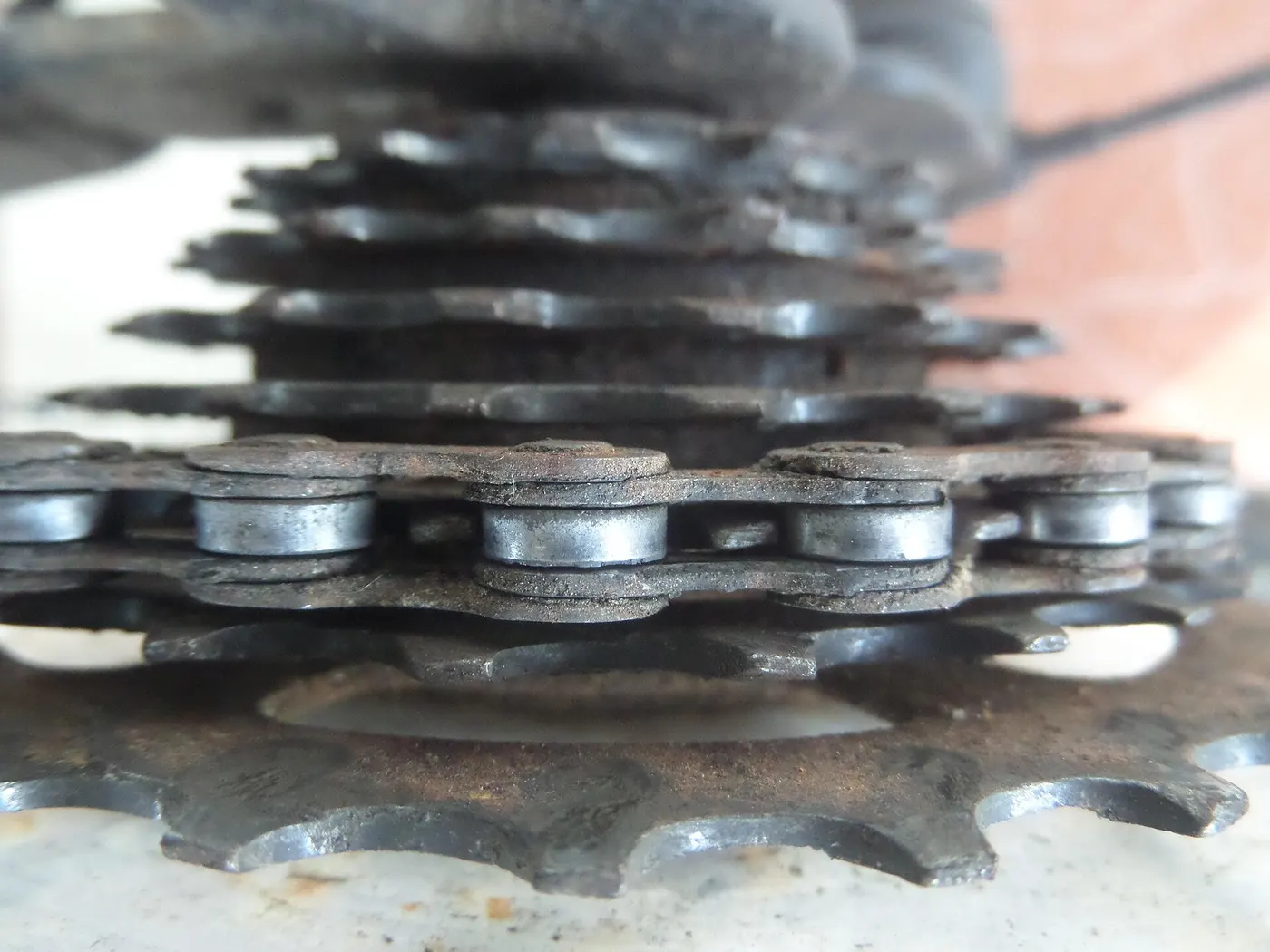
Single-speed tricycles can be mechanically straightforward for level, short journeys. They also give you fewer ways to reduce pedal force when starting, facing wind, or climbing. Multiple gears let you select an easier ratio, but the number of gears alone does not reveal how easy the lowest gear is. Ask about the usable gear range and try the machine on a representative incline if permitted.
Shift before a climb becomes demanding. Avoid waiting until you are pushing hard and then forcing a shift under heavy load. The exact shifting method depends on the drivetrain, so follow the manual. A retailer should be able to demonstrate the controls and explain which adjustments are normal maintenance and which require service.
If electric assistance is part of the shortlist, compare it with the manual gearing instead of assuming the motor makes gears irrelevant. The machine may need to be moved with assistance off, or you may prefer to pedal with light support. Our electric tricycle buying guide explains motor controls, batteries, and the trade-offs of heavier vehicles in more detail.
You need braking controls that you can reach and operate repeatedly. Test the distance from the grip to the lever and whether the lever adjustment suits your hands. Ask which wheel or wheels each control operates and how the parking brake engages. Check whether a brake cut-off is provided on an electric model, but do not treat that feature as a replacement for riding technique. For first rides, see how to ride an adult tricycle safely.
A parking brake helps keep the vehicle from moving during transfers or parking. Its presence, operation, and limitations should be confirmed in the manual. It is not an anti-theft lock and should not be relied on to secure a vehicle on an unsuitable slope. Practice using it in a level, controlled setting before depending on it while getting on or off.
An upright tricycle does not corner like a bicycle. Three contact points provide support at a standstill, but lateral force, slopes, cargo position, and abrupt steering can still create tipping risk. Slow before the turn, avoid sudden changes in direction, and stay within the manufacturer's guidance. Do not buy based on a claim that a tricycle is impossible to tip.
Ask for dimensions in the exact folded configuration, including the basket and handlebar. Some products fold the frame; others only fold the steering stem or remove a basket. A folding basket is not a folding vehicle. Request a demonstration showing the complete sequence and the parts that must be detached. Our guide to storing and transporting an adult tricycle covers measurements, security and loading.
Then compare the result with the car's actual opening and cargo area. Width between wheel arches, loading height, and the shape of the hatch can matter as much as interior volume. A vehicle might fit inside but not pass through the opening. Include room for securing it so it cannot move during transport.
Weight is a separate test. Find out whether the quoted figure includes the battery and removable accessories. Removing a battery can help, but the remaining frame may still be too heavy or awkward for one person. Do not assume that a conventional two-wheel bicycle rack can carry a tricycle. Use a rack or loading system explicitly approved for the vehicle's dimensions and weight.
Create a total-cost estimate that includes assembly, a fitting appointment if needed, protective equipment, a lock, delivery, and routine service. For an electric vehicle, consider future battery availability and the cost of manufacturer-approved replacement parts. A cheaper machine with no practical repair support may be less economical over several seasons. If you are considering a secondhand trike, use our used tricycle inspection guide.
Ask a nearby shop whether it services the model before ordering online. Some shops lack room, equipment, or supplier access for adult tricycles. A standard bicycle service menu does not guarantee tricycle support. Explain whether the machine is electric, its width, and the type of brakes and drivetrain. Obtain an answer for your actual model rather than relying on a general assurance.
Read shipping and return terms carefully. Who pays freight if the vehicle is unsuitable? Does assembly or riding affect eligibility? How are damaged parts handled? A large boxed tricycle can be expensive and difficult to repack. Save the packaging until the inspection and return decision are complete, and document any shipping damage promptly according to the seller's procedure.
A useful test ride starts before the first pedal stroke. Check mounting, parking brake release, control reach, and whether the seat adjustment can be secured in the correct position. Ask the retailer to explain the steering behavior. Begin on a level, open surface with permission and supervision when appropriate.
Practice a gentle start, a straight stop, a broad turn, and a controlled restart. Keep speed low. If the machine is electric, try the lowest assistance and learn whether the throttle can activate unexpectedly during handling. Do not use a busy street or an unfamiliar slope as your introduction. Comfort at a standstill is necessary but does not tell you everything about control while moving.
After the ride, record what you noticed: pressure at the seat, wrist discomfort, reach to the brake, foot clearance, steering confidence, and ease of dismounting. Compare notes between models. If the retailer cannot provide a representative test, rely more heavily on the manual, precise measurements, and return policy rather than treating a video as proof of personal fit.

Decide who will assemble the machine and what verification is required before use. Wheels, steering components, brakes, and drivetrain adjustments are safety-critical. Follow the supplied instructions and torque requirements. If you cannot confidently complete the work, arrange qualified assembly rather than using the first ride to discover an error.
Before each outing, check tire pressure against the vehicle and tire guidance, confirm that brakes operate, and inspect for loose components or cargo. Use the tire sidewall and manual together; do not invent one pressure for every adult tricycle. The first few rides are for learning the controls and route, not maximizing distance. Choose a level area with a way to stop and return easily.
If exercise is a main objective, read which muscles a three-wheel bike works to understand the difference between movement, endurance, and strength training. If you have knee symptoms or are recovering from surgery, use our guide to cycling during knee rehabilitation as preparation for a conversation with your therapist, not permission to begin outdoor riding.
Before ordering, answer these questions in writing: Where will I ride? What is the narrowest opening? Can I mount and dismount securely? Are the seat and controls within comfortable reach? What are the separate rider and cargo limits? Who will assemble and service it? What happens if it does not fit? For an electric model, add where you will charge and whether you can operate the lowest assistance confidently.
Compare two or three candidates against those requirements. Reject a model that fails a non-negotiable measurement even if it has attractive reviews. A vehicle that cannot get through your gate or cannot be serviced locally is a poor match regardless of its headline specification. Keep uncertain items marked as uncertain until the seller supplies a written answer.
A first tricycle purchase succeeds when the vehicle is manageable on the route you will actually use and convenient enough to ride regularly. Start with that practical fit, then choose the features that support it. You do not need the fastest motor, the most gears, or the largest basket. You need a machine whose dimensions, controls, maintenance needs, and riding behavior make sense for you.
If the tricycle is for a parent or partner, involve that person before ordering. Height and weight are useful measurements, but they do not reveal preferences, hand strength, confidence, or comfort during a transfer. A surprise purchase can leave the intended rider with a vehicle that is technically within the advertised range yet difficult to use. Arrange a demonstration together if possible.
Discuss where the rider wants to go and whether someone else will handle charging, maintenance, or transport. Do not assume a family member can lift the vehicle whenever needed. Agree on those practical responsibilities in advance, including where keys, instructions, and service records will be kept. The ownership arrangement should be realistic during ordinary weeks, not just the day of delivery.
Avoid choosing solely on your own riding preferences. A responsive sports-oriented steering position or a complex display may appeal to you while making another rider uncomfortable. Give the intended rider time to try entry, controls, and a gentle ride without pressure to approve the purchase. Their feedback should shape the final choice.
Guide
Learn how to compare adult electric tricycles for control, fit, batteries, braking, transport, and ownership support.

Guide
Understand the leg and hip muscles used when pedaling a tricycle, plus how fit, resistance, and electric assistance change the effort.
Guide
Understand cycling during knee rehabilitation, including stationary bike fit, outdoor tricycle limits, symptoms, and questions for your therapist.