
Guide
First Adult Tricycle Buying Guide
Choose your first adult tricycle by checking rider fit, storage, weight limits, gears, brakes, assembly, and service before buying.
We research everything we recommend. When you buy through our links, we may earn a commission. Learn more
Guide
Understand cycling during knee rehabilitation, including stationary bike fit, outdoor tricycle limits, symptoms, and questions for your therapist.

Updated · 13 min read
Cycling can be part of a knee rehabilitation program because a stationary cycle allows repeated, adjustable movement without the impact of running. But the appropriate bike, timing, resistance, and range of motion depend on the diagnosis and treatment plan. An outdoor adult tricycle is not automatically the best rehabilitation device, and three wheels do not make every stage of recovery safe for outdoor riding.
The most useful first step is to ask your surgeon, physical therapist, or other treating clinician whether cycling belongs in your current plan. This article helps you prepare that conversation and understand equipment choices. It is general educational information, not a diagnosis, a prescribed exercise schedule, or a substitute for instructions after an operation. We have not performed clinical testing or obtained a medical review of this article.
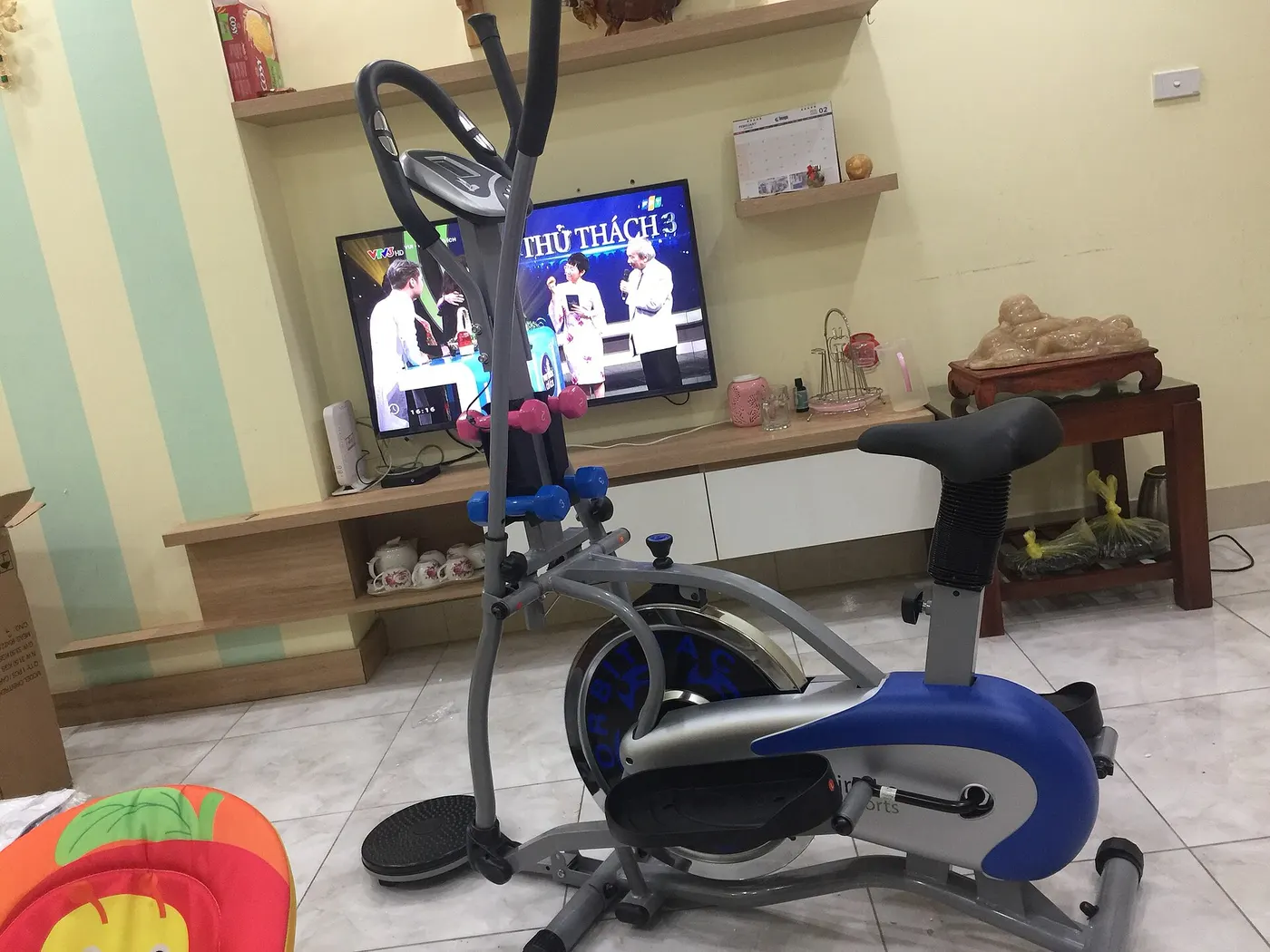
AAOS includes exercise-bike riding in its total knee replacement exercise guide, under a program supervised by the surgeon and physical therapist. The activity can support work on knee movement and leg muscle function. That is a specific clinical context. It does not mean that everyone with knee pain should follow the same sequence or begin at the same time.
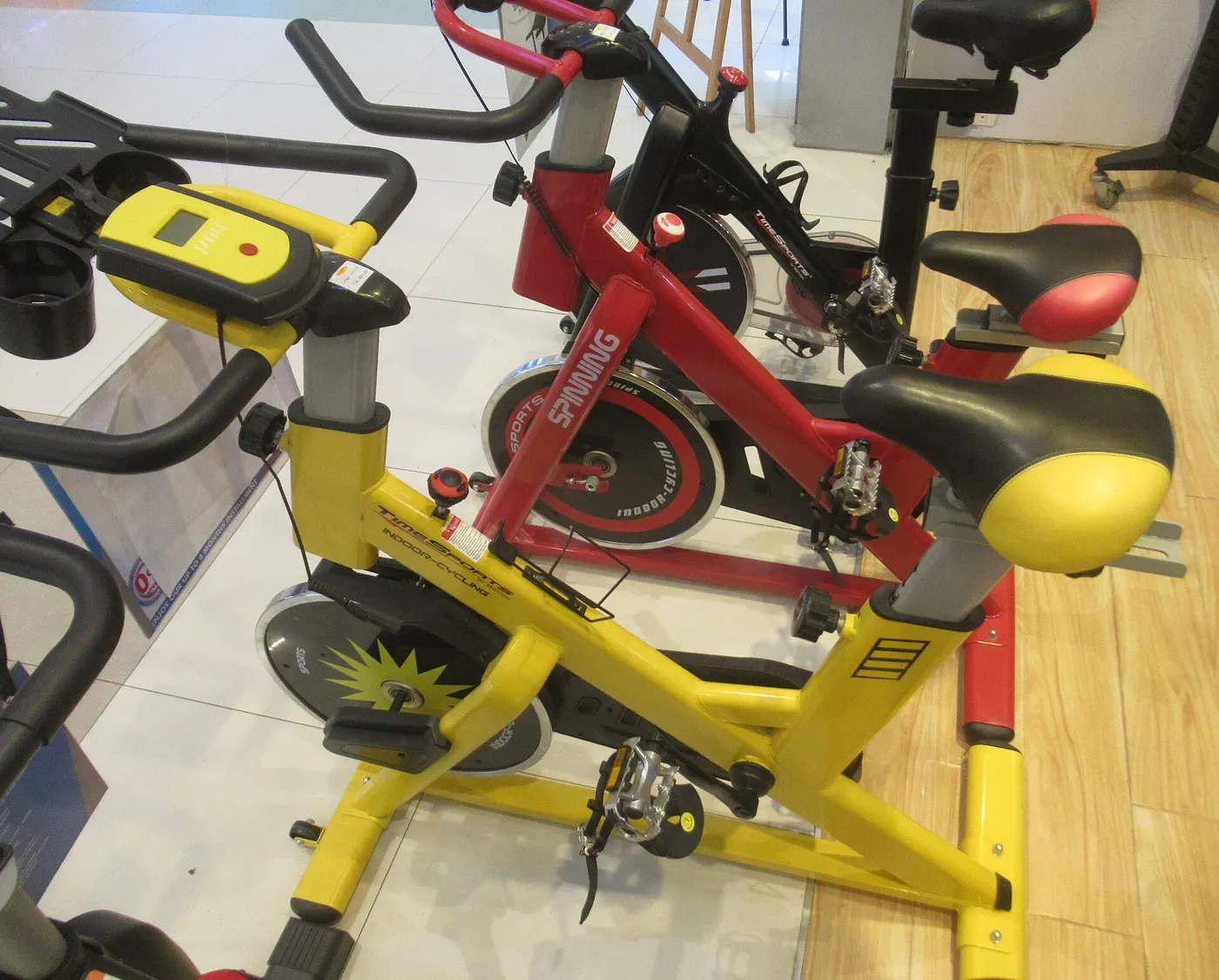
A stationary bike offers practical control over the environment. You can stop without finding a safe roadside position, and the resistance can often be adjusted. A therapist can observe the motion and help with setup. Those features explain why a clinic may choose it; they do not remove all risks associated with transfers, limited motion, equipment fit, or excessive effort.
Think of cycling as one possible tool within a broader plan. Walking, specific strengthening exercises, range-of-motion work, and other activities may serve different objectives. The value of the bike depends on the role assigned to it, not on a claim that it heals every knee injury. Ask what outcome the session is intended to support so you can recognize whether it is meeting that purpose.
Knee pain is a symptom, not one condition. Osteoarthritis, patellofemoral pain, ligament injuries, meniscal problems, fractures, and postoperative recovery do not share a single exercise timetable. If the cause has not been assessed, do not use a buying guide or an old cycling article to decide what the knee needs.
For osteoarthritis, an activity may be selected to keep movement manageable and support overall conditioning. HSS discusses cycling as an option while emphasizing suitable fit and responding to worsening symptoms. That does not establish that cycling reverses arthritis or makes other care unnecessary. The activity still needs to be compatible with your comfort and clinical circumstances.
After surgery, restrictions can be especially specific. Procedures may differ in what tissue was treated, what protection is needed, and how progress is assessed. A person who had a knee replacement should not borrow a schedule from a person who had ligament reconstruction, and neither should use a friend's experience as clearance. Bring the actual operation details and discharge instructions to the conversation.
A clinician may use the bike to practice comfortable movement, build tolerance for activity, or introduce a controlled workload. These goals overlap but are not identical. Turning the pedals with very little resistance can be a different task from a longer aerobic session. Increasing resistance changes the demand and may not be the right next step when motion is still limited.
Cycling also does not reproduce every daily activity. Walking, stairs, rising from a chair, and balancing while standing involve different tasks. A person can become comfortable on a stationary bike while still needing work in other areas. Avoid using one successful activity as proof that the whole rehabilitation process is complete.
Ask which measures your therapist wants you to track. Time, comfortable motion, symptoms afterward, or a functional task may be more useful than distance displayed on a console. Indoor distance is calculated by the equipment and is not necessarily comparable between machines. A larger number on the screen is not automatically evidence of a better recovery session.
There is no universal day or week that applies to all knee problems. Your clinical team considers the procedure or diagnosis, healing, symptoms, available motion, and other factors. Even apparently similar operations can have different restrictions. Ask for permission that identifies the activity and equipment, not simply a general statement that exercise is encouraged.
Clarify whether permission is for a supervised stationary bike, a home exercise bike, an outdoor bicycle, or an adult tricycle. These are different activities. Ask whether there are limits on resistance, duration, movement, or mounting. If the answer is unclear, request a demonstration or written guidance rather than translating it into a plan yourself.
If you have been told not to cycle yet, buying a supposedly more stable machine does not remove that restriction. A recumbent seat, step-through frame, or motor may change the experience but not the biological healing requirements. Use the waiting period to plan access, service, and equipment fit rather than testing the restriction at home.
A comfortable setup should allow the movement your clinician wants without forced reach, hip rocking, or an abrupt painful point. Seat height or seat-to-pedal distance changes the knee's motion. Crank length and pedal arrangement also affect the path. The appropriate adjustment is specific to the machine and the person, particularly when available knee motion is restricted.
Do not copy a seat measurement from another rider. Body proportions vary, and an upright bike is adjusted differently from a recumbent. A high seat may reduce knee bend for one part of the circle but create reaching elsewhere. A low seat may feel easy to enter while asking for more bend during pedaling. Fit is a balance to be assessed, not a single internet rule.
Ask your therapist to watch the complete revolution and the entry and exit movements. Note the adjustment positions once a suitable setup is established. If you later use a different machine, those settings may not transfer. A numbered position on one seat rail does not correspond to the same geometry on another model.
An upright exercise bike usually puts the rider on a saddle above the pedals. A recumbent stationary bike typically provides a supported seat with pedals farther forward. Either might be considered depending on the individual. The backrest, entry height, adjustment range, and pedal reach need to be evaluated together.
A recumbent may offer a comfortable support arrangement, but it is not universally better after every operation. Getting into a low seat can be difficult, and the distance to the pedals may not suit the permitted motion. Conversely, a high upright saddle may create a challenging transfer even if the pedaling position is acceptable.
Consider the practical setting. Can someone assist if needed? Is the floor clear? Can the controls be reached without twisting or stretching? Is the seat securely locked? The safest-looking style in a photograph may not be the easiest machine for a particular person to use. Request a trial with the treating professional where possible.
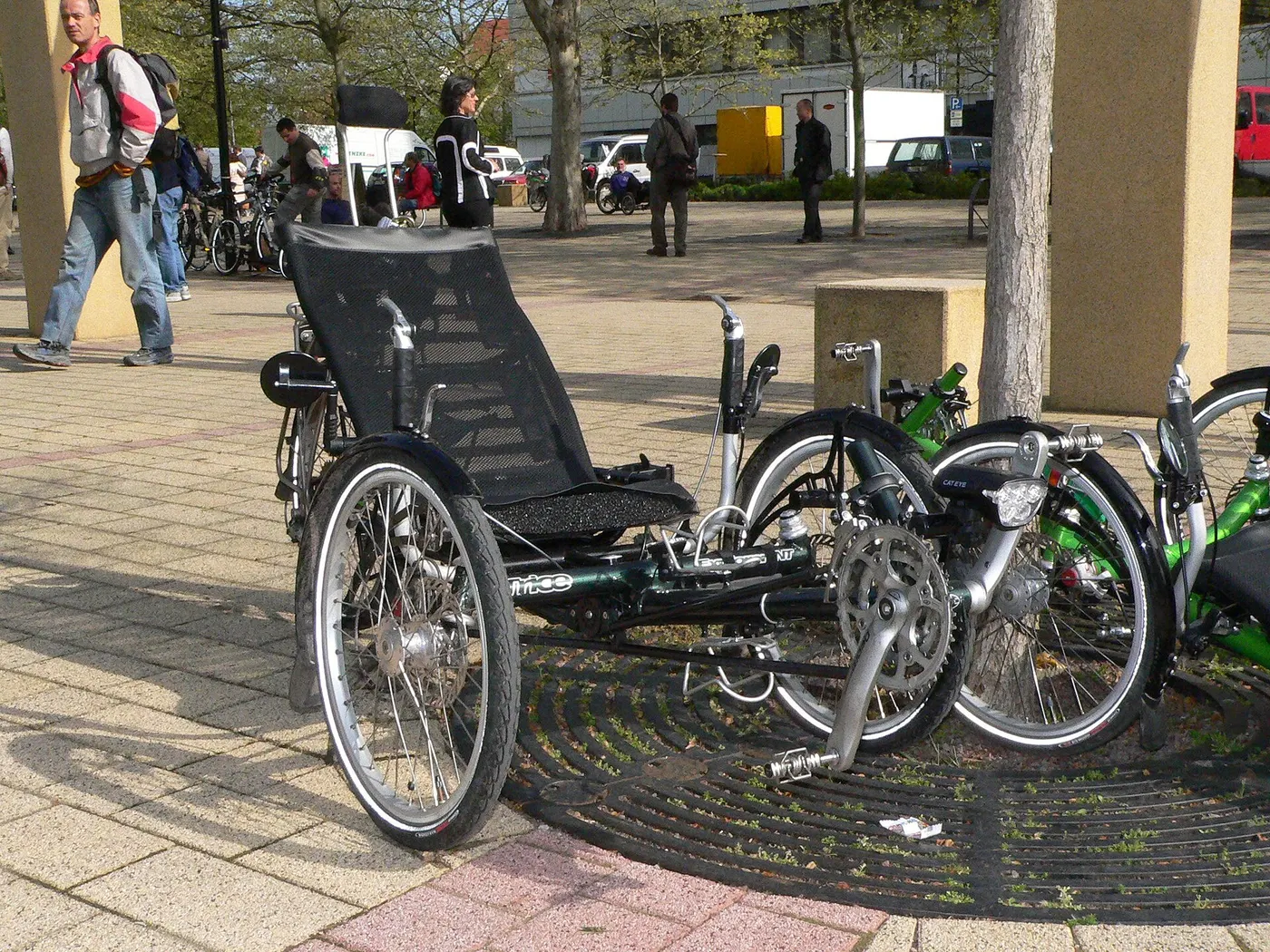
A tricycle supports itself at a stop, reducing the need for the balancing technique used on a two-wheel bicycle. However, outdoor riding adds steering, braking, traffic judgment, uneven surfaces, and route management. The vehicle may tip during turns or on unsuitable slopes. These demands remain even if the pedals feel comfortable.
Mounting and dismounting can load or twist the knee differently from seated cycling. Moving the machine into position, opening a gate, lifting it, or pushing it up a ramp are additional tasks. A clinician clearing stationary pedaling may not have assessed those activities. Explain the full trip rather than asking only whether cycling is allowed.
Electric assistance adds another layer. It can reduce propulsion effort, but it can also create acceleration that needs to be controlled. A heavy vehicle may be difficult to recover if you become tired or need to stop. Before considering outdoor use, discuss the actual frame style, controls, environment, and help available, not just the presence of a third wheel.
Ask what cycling is intended to achieve at this stage and which equipment is appropriate. Then ask how the setup should be checked, what workload is permitted, and how you should respond to symptoms. Request clarification about the differences between home use and supervised sessions. A clear answer can prevent expensive equipment purchases that do not fit the plan.
Bring practical information if you already own a machine: seat adjustment, pedal arrangement, resistance system, entry height, and any electric assistance. Photographs can help explain the layout, but a clinician may still need to assess you on the equipment. Do not assume a favorable comment about the design is permission for unrestricted use.
Useful questions include: Do I need assistance getting on? What would make you reduce or stop the activity? What symptoms should I report? What should I record after a session? What milestones matter before outdoor riding? These questions turn a general recommendation into information you can actually follow without guessing.
| Question | Why it matters |
|---|---|
| Which type of cycling is permitted? | Stationary and outdoor riding have different demands |
| What setup should I use? | Seat and pedal geometry affect motion |
| What should I monitor afterward? | Symptoms may appear after the activity |
| How should progression be decided? | Time and resistance should not rise automatically |
| What is needed before riding outside? | Transfers, braking, and route control require assessment |
Keep a simple record of how the knee feels before, during, and after the permitted activity. Include the equipment, setting, and any other exercise performed that day. This gives your clinician context. A note such as “pain increased at the top of each revolution” is more informative than “the bike was bad.”
Do not assume that all pain is harmless training discomfort or that no pain means unrestricted activity is safe. Follow the symptom limits your team provides. AAOS knee conditioning guidance advises discussing pain during exercise with the doctor or physical therapist. If symptoms are new, worsening, or inconsistent with the plan, stop and seek advice rather than pushing through to reach a target.
Avoid changing medication or taking extra pain relief solely to complete a ride. That decision belongs with your prescribing clinician. If a session becomes less tolerable, consider the total workload and obtain guidance. It is more useful to understand the response than to conceal it long enough to finish a planned distance.
After an operation, follow the specific instructions for wound concerns, fever, pain, and swelling. NHS information identifies blood clots and infection among possible knee replacement complications. New concerning symptoms should not be attributed to cycling without assessment. Contact your treating service or urgent medical care as directed by your discharge plan.
Seek urgent medical assessment for new calf pain or swelling, significant warmth or redness, or other suspected clot symptoms. Sudden shortness of breath or chest pain can be an emergency; contact emergency services. These warnings are not a reason to diagnose yourself from an article. They are reasons to get timely professional help.
A hot, increasingly painful joint, fever, wound drainage, or a marked change after surgery also deserves prompt contact with the clinical team. If you fall or the knee gives way, do not resume riding simply because the tricycle looks undamaged. The condition of the rider and the machine both need consideration.
A common mistake is to increase duration, resistance, and frequency together because the first session went well. That makes it hard to identify which change caused a problem. Your clinician may prefer a specific sequence. Ask how they want progress to be made and how a difficult day should affect the next session.
Do not adopt a generic rule such as adding one minute every ride or moving up one resistance level each week. Machine levels are not standardized, and recovery does not follow a uniform timetable. The plan should account for your condition, other activities, and response. Online examples can help you understand concepts but should not replace the actual instruction.
Treat recovery as a whole-day workload. Shopping, stairs, household tasks, and therapy exercises may all contribute to fatigue. A cycling session that is acceptable on a quiet day may be excessive alongside several other activities. Recording that context helps the professional interpret symptoms and adjust the plan appropriately.
Before purchasing, find out whether your clinic has equipment you can try and whether home equipment is necessary. A premium machine is not automatically a better rehabilitation tool. Seat adjustment, stable entry, predictable resistance, and service support may matter more than entertainment screens or performance features.
A compact pedal exerciser is not interchangeable with a full stationary bike. The chair, distance, resistance, and tendency of the device to move all affect use. Ask whether that arrangement suits your plan before buying. Likewise, do not connect an ordinary adult tricycle to a bicycle trainer unless the combination is explicitly supported and professionally assessed.
For a future outdoor purchase, our first adult tricycle shopping guide covers fit, entry, width, and ownership costs. The electric tricycle guide explains control and battery considerations. These are purchasing resources; they do not decide whether you are clinically ready to ride.

When your clinician agrees that outdoor cycling is appropriate, clarify any remaining restrictions and arrange an introduction in a suitable setting. Choose level, quiet space with room to stop and turn. Have help available if recommended. The first attempt is an equipment and control check, not a test of how far you can travel.
Make an exit plan. How will you get home if you become tired, develop symptoms, or have a mechanical problem? A loop without a shortcut can be less forgiving than a short out-and-back route. Carry communication equipment and avoid an itinerary that requires climbing or handling the vehicle beyond your current abilities.
Check cargo and accessories later, after basic control is established. A loaded basket, pet carrier, or unfamiliar route adds demands. For electric models, start with the controls and assistance settings recommended by the manufacturer and appropriate to your ability. More motor assistance does not solve difficulty braking or entering the vehicle.

Cycling can be useful when it is selected for the right purpose, fitted appropriately, and integrated into a supervised plan. It should not be sold as a guaranteed cure, a way to reverse every knee condition, or proof that rehabilitation can happen faster on three wheels. The supported pedaling environment of a stationary bike is often the relevant feature, not the novelty of a vehicle.
Our guide to the muscles used on a three-wheel bike explains the lower-body movement in broader terms. Muscle participation alone does not determine clinical suitability. Your diagnosis, restrictions, symptom response, and functional needs remain the deciding factors.
The practical next step is a clear conversation: which machine, which setup, which goal, which limits, and which signs require help? Once those answers are established, you can evaluate equipment and activity without relying on vague promises. A manageable, properly supported plan is more valuable than an ambitious ride that does not match your recovery.
Guide
Choose your first adult tricycle by checking rider fit, storage, weight limits, gears, brakes, assembly, and service before buying.

Guide
Learn how to compare adult electric tricycles for control, fit, batteries, braking, transport, and ownership support.

Guide
Understand the leg and hip muscles used when pedaling a tricycle, plus how fit, resistance, and electric assistance change the effort.