


Guide
First Adult Tricycle Buying Guide
Choose your first adult tricycle by checking rider fit, storage, weight limits, gears, brakes, assembly, and service before buying.
We research everything we recommend. When you buy through our links, we may earn a commission. Learn more
Guide
Understand the leg and hip muscles used when pedaling a tricycle, plus how fit, resistance, and electric assistance change the effort.

Updated · 12 min read
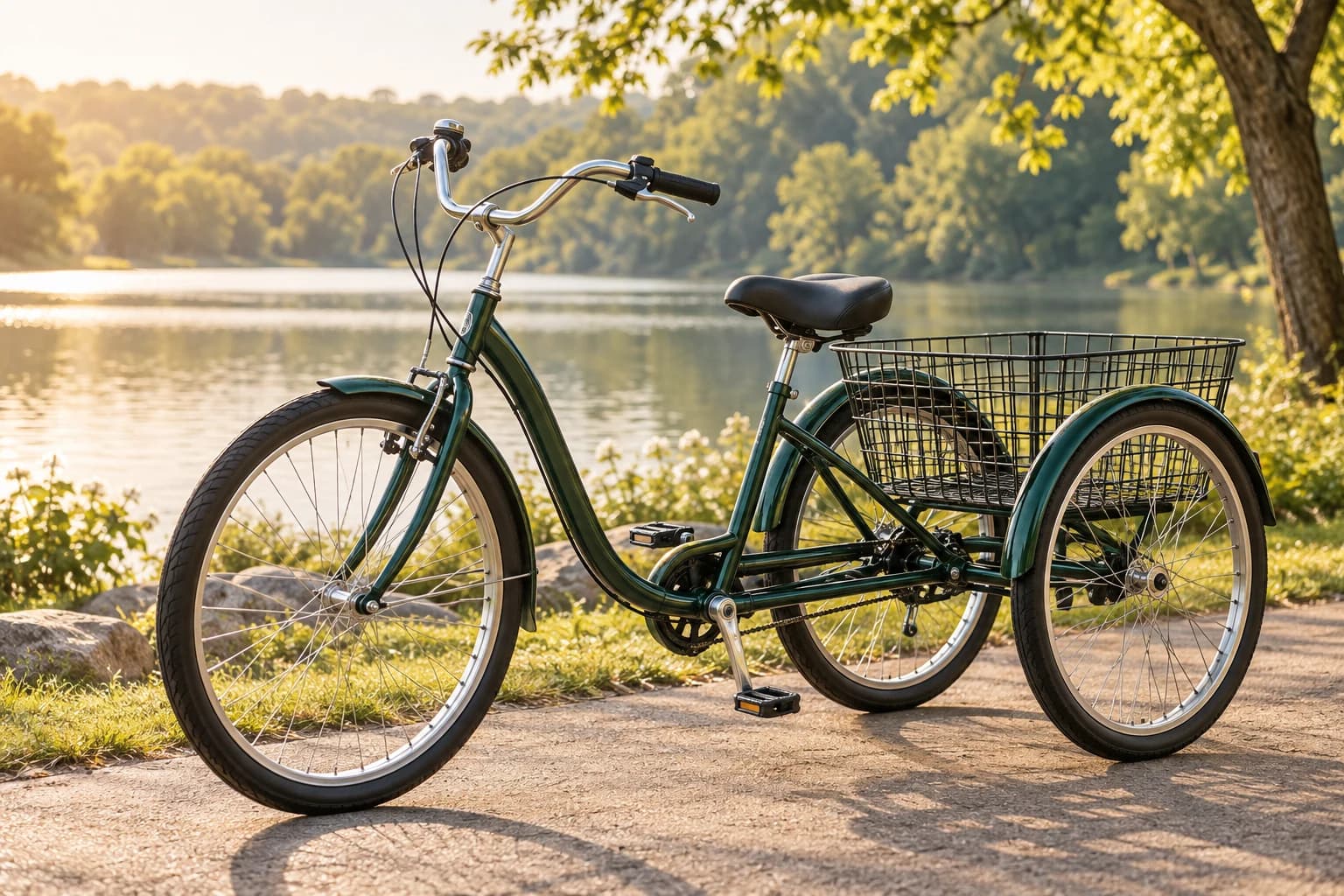
A pedal-powered three-wheel bike primarily involves the muscles around your hips, thighs, and lower legs. The quadriceps, gluteal muscles, hamstrings, and calf muscles all contribute to moving or controlling the pedals. Your trunk and upper body help maintain posture and operate the vehicle, but ordinary tricycle riding should not be described as a complete strength workout for every muscle group. The amount of work you do depends on resistance, riding position, cadence, terrain, and electric assistance.
The third wheel changes support and handling more than it changes the basic act of pedaling. A relaxed ride on an upright tricycle and a demanding ride on a recumbent can both involve the legs, but their seating positions and loads are different. This guide explains the practical distinctions without assigning invented muscle-activation percentages. It is an educational overview, not a clinical assessment or a claim that we measured muscle activity on particular tricycles.
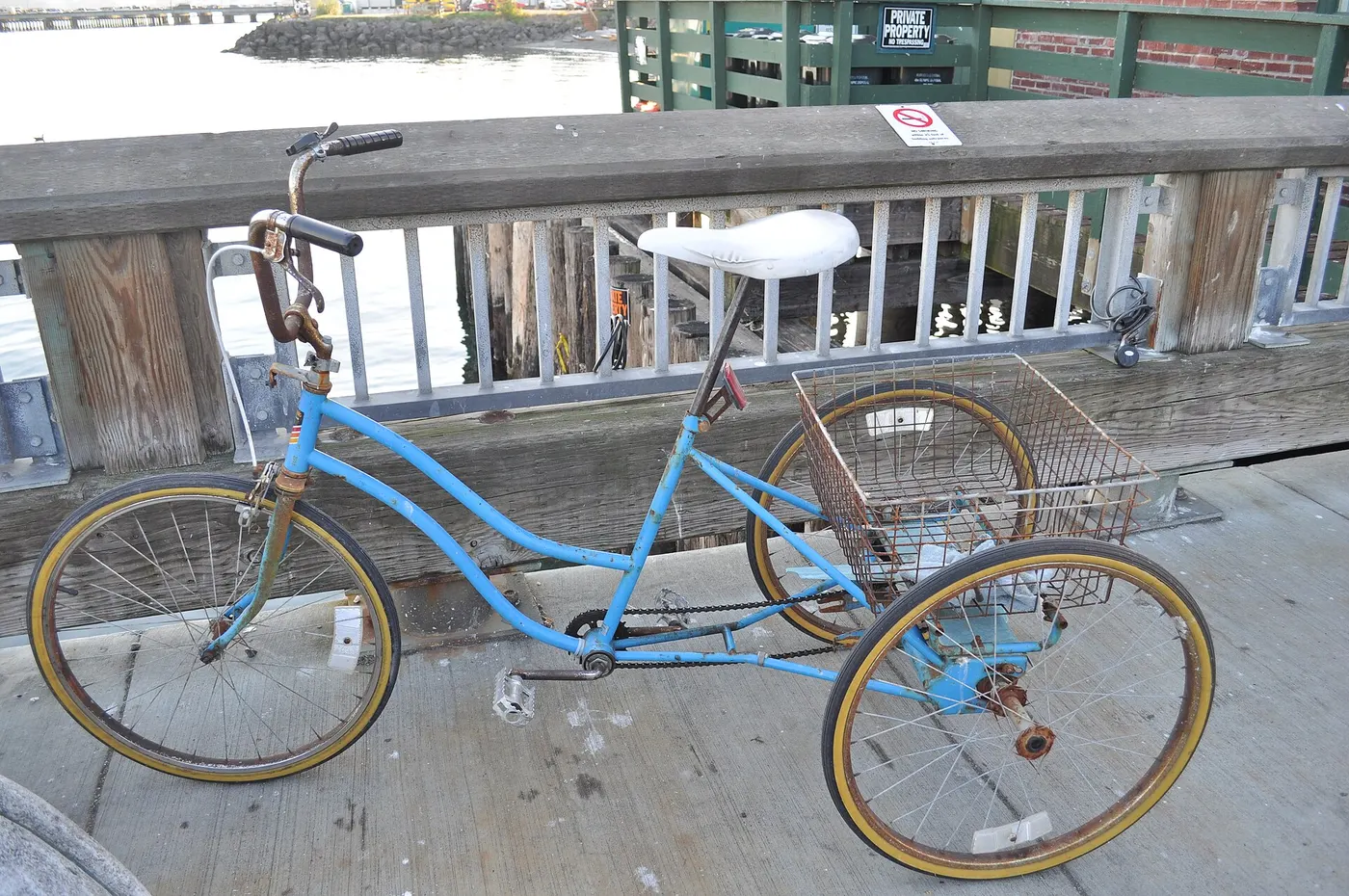
Cycling biomechanics studies describe how muscle activity changes through a pedal revolution. A review by Hug and Dorel discusses the influence of workload, cadence, posture, footwear and pedal interfaces, training, and fatigue. Research on conventional cycling provides useful background, but it should not be presented as a direct test of every adult tricycle or every older rider.
Electromyography records electrical activity associated with muscle activation. It does not, by itself, tell you how much muscle you will gain after several weeks. The force produced, the duration of training, and the person's starting condition are separate considerations. A muscle can be active while providing a stabilizing role rather than delivering most of the power at the wheel.
For everyday decisions, the useful questions are simpler: Can you pedal smoothly? Does the riding position remain comfortable? Is the effort appropriate for your goal? Does discomfort appear at a particular point in the revolution? Answers to those questions help identify when a fitting appointment, a lower gear, or professional advice is more useful than trying to target one muscle through a special pedaling trick.
The quadriceps include four muscles at the front of the thigh and have an important role in straightening the knee. During pedaling, they contribute to the coordinated movement that drives the crank, especially during the power-producing part of the cycle. They do not simply switch on for an entire half revolution and switch off for the other half. Timing differs between muscles and riding conditions.
You may notice effort in the front of your thighs when starting, climbing, or using a harder gear. That feeling does not automatically mean the gear is beneficial. If the pedals become difficult to turn smoothly, select an easier ratio or reduce the workload. Heavy, slow pushing is not necessary to make a recreational ride useful, and it can make an unsuitable position more uncomfortable.
Avoid treating burning thighs as the only sign of a productive session. A comfortable ride that you can repeat may be more appropriate for building consistency than a short effort that leaves you struggling to get home. If one thigh feels substantially different from the other, consider fit, previous injury, and mechanical problems instead of assuming you should push the weaker-feeling side harder.
The gluteus maximus contributes to hip extension, while the surrounding gluteal muscles have roles in controlling the pelvis and hip. Sitting on a saddle does not make these muscles inactive. Pedaling still asks the hip to move and transmit force. However, the seat supports much of your body weight, so this is not the same task as standing up from a chair or climbing a step.
Body position changes the relationship between the hip and pedals. A very upright posture, a forward lean, and a reclined seat do not create identical joint positions. Those differences may change what the rider feels, but they do not justify a universal claim that a recumbent tricycle builds the glutes better than every upright model. Fit and workload need to be considered together.
If your goal is stronger hips for daily activities, discuss appropriate resistance exercises alongside cycling. The ride can be enjoyable aerobic activity, while a separate strength session addresses movements that the seated cycle does not reproduce. There is no need to force an uncomfortable riding posture in an attempt to turn a tricycle into a substitute for every exercise.
The hamstrings at the back of the thigh act across the knee and, for most of the group, the hip. Their role in cycling is more complex than “pulling the pedal upward.” They help coordinate the movement and transfer of force through the cycle. Research using intramuscular recordings has examined differences between individual thigh muscles rather than treating the whole group as one uniform motor.
For a rider using ordinary flat pedals, deliberately pulling hard on the upstroke may be impractical or encourage the foot to lose secure contact. Smooth pedaling and an appropriate fit are more useful starting points than trying to exaggerate one phase. If you use a retention system, ensure you understand how to release it. A three-wheel platform does not make a trapped foot harmless during a transfer or emergency stop.
Tightness at the back of the knee or thigh can have multiple explanations. A seat that makes you reach too far, an unfamiliar workload, or an existing condition may be involved. Do not diagnose a hamstring injury from the location of discomfort alone. Stop an activity that causes concerning symptoms and seek a qualified assessment if the problem persists.
The gastrocnemius and soleus help control the ankle, including movements associated with pointing the foot. Muscles at the front of the shin help with lifting and controlling the foot. Their involvement depends on ankle movement and the relationship between the foot and pedal. You do not need to deliberately point your toes throughout the stroke to obtain a useful ride.
Aim for a stable foot position with footwear that stays secure on the pedal. Excessive ankle movement may be a compensation for reaching too far or using an uncomfortable position. A shoe that slips, catches, or lacks adequate support can distract from smooth movement. Check the pedal surface and shoe grip before increasing duration.
Calf effort during cycling is not equivalent to every exercise performed while standing. A seated ride does not reproduce the same balance and weight-bearing task as a standing calf raise. If you want a complete program, keep those differences in mind. Also distinguish ordinary exercise sensations from unusual calf pain, warmth, swelling, or other symptoms that deserve medical attention rather than another ride.
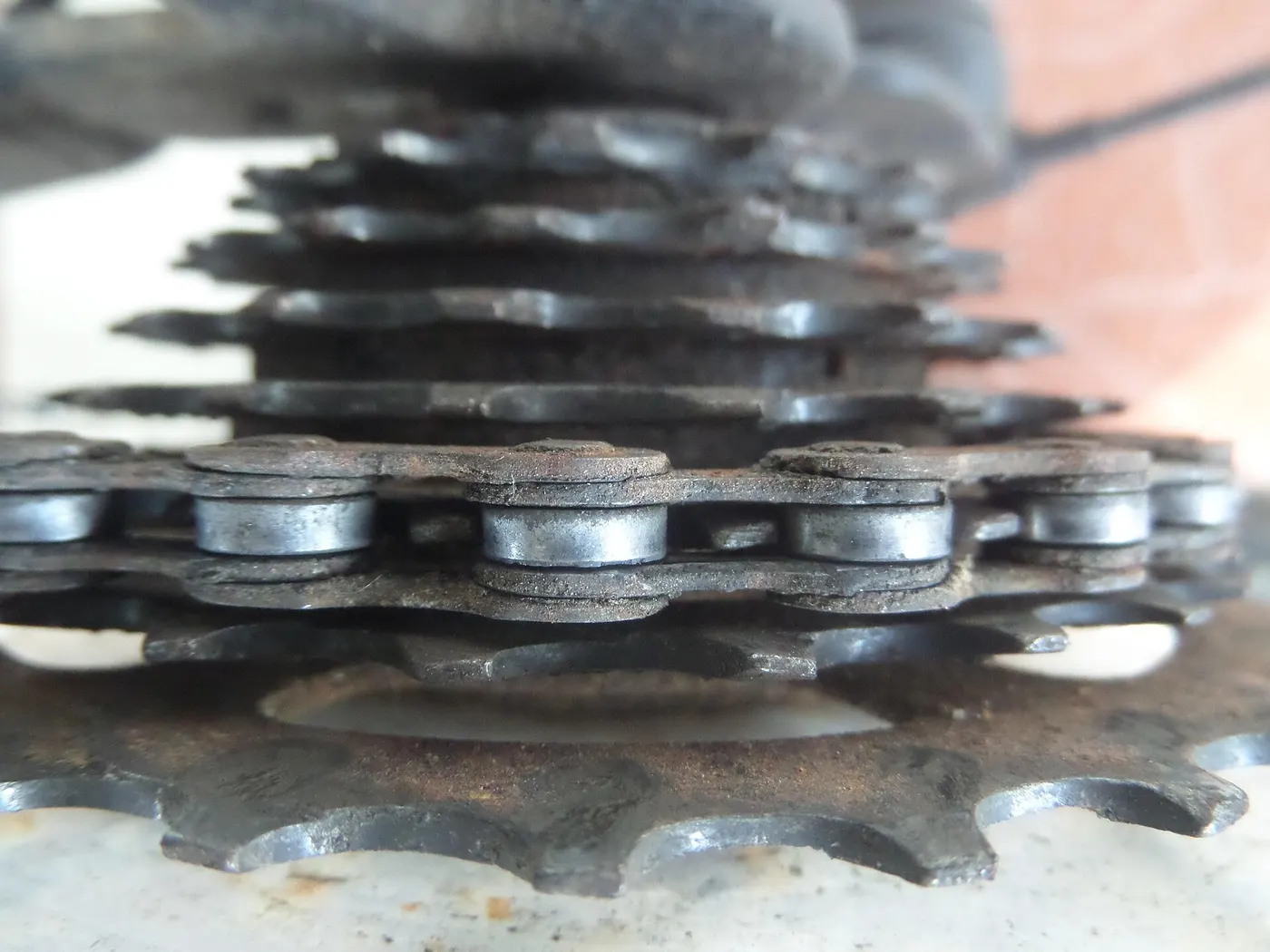
Think of the pedal stroke as a continuous sequence: the leg prepares to apply force, pushes through a useful part of the circle, transitions past the lower position, and returns toward the top. The opposite leg is moving through its own complementary phase. Multiple joints and muscles coordinate those movements; the body does not divide the circle into four perfectly isolated exercises.
A simple teaching description is helpful, but precise activation timing depends on the individual and conditions. Crank length, saddle position, cadence, and resistance all affect the movement. A chart with exact percentages for quads, hamstrings, and calves would suggest a level of certainty that this guide does not provide. We therefore describe roles rather than inventing a universal muscle contribution score.
For a practical check, observe whether the movement feels continuous. Jerking, excessive hip rocking, reaching with the toes, or a repeated hitch at one point are reasons to reconsider setup. A shop or physical therapist can help identify the cause. Do not make large adjustments all at once; a sequence of uncontrolled changes makes it harder to understand which one helped.
Your trunk helps maintain a usable posture, while the shoulders, arms, and hands help support and control steering and braking. The amount of support supplied by the seat differs between upright and recumbent designs. A backrest may reduce the need to hold the same posture, but it does not mean the trunk is entirely inactive.
That involvement is not the same as a dedicated abdominal or upper-body strength session. Steering a conventional foot-powered tricycle does not generally provide progressive resistance for the chest and arms. A hand-powered or hand-and-foot adaptive cycle is a different design and should not be included in the same claim without explanation.
If your wrists or shoulders become sore, do not celebrate that as proof that the ride is training your upper body. Check reach, grip pressure, handlebar position, and seat support. A posture that requires locked elbows or constant bracing may indicate a poor match. Our first-tricycle shopping guide explains why comfortable control reach matters as much as stated rider height.
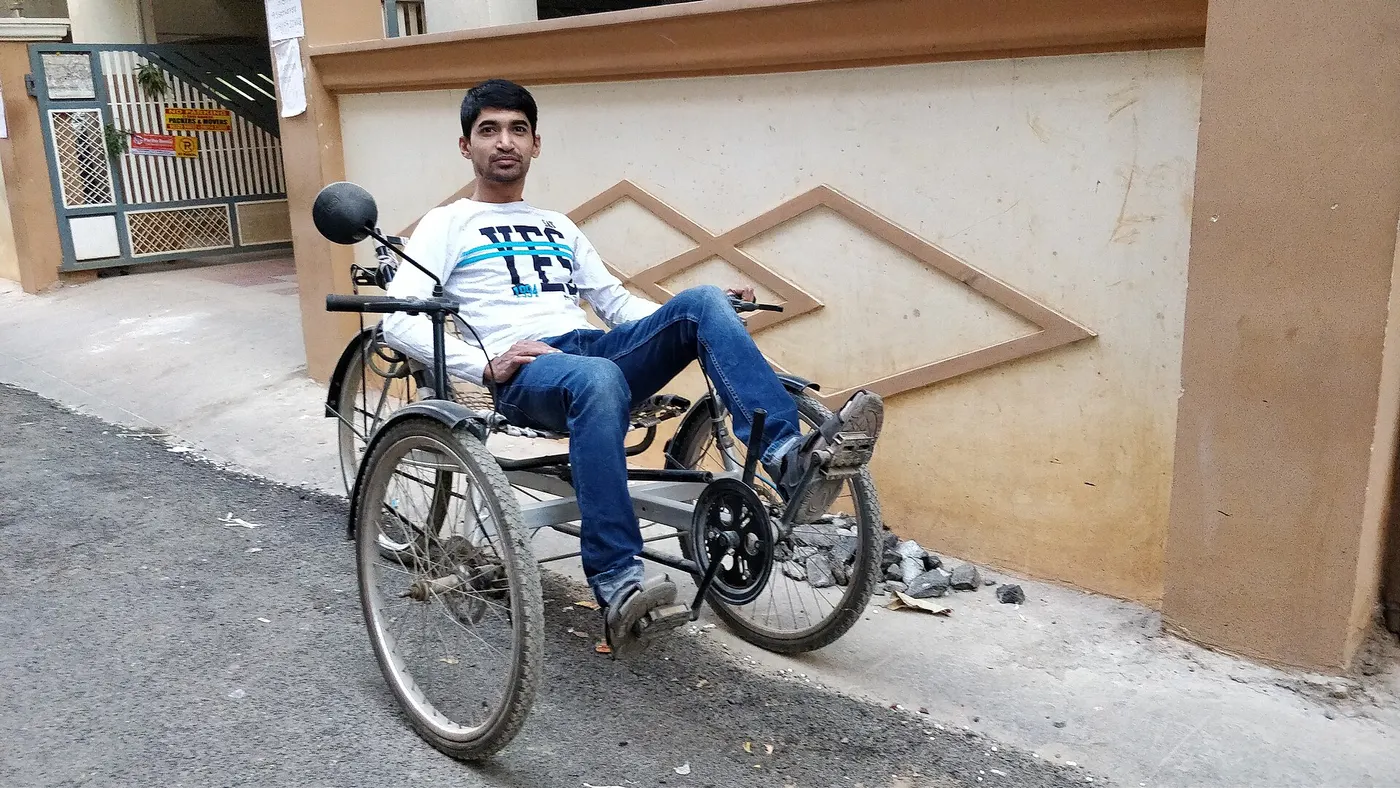
On an upright machine, the pedals usually sit below the rider and the saddle supports the pelvis. On a recumbent, the pedals sit farther ahead and the backrest provides additional support. Each layout has multiple variations, so avoid assuming that all recumbents are low or all upright tricycles have the same seat geometry.
The change in posture alters joint positions and the way the rider braces against the machine. That can make one configuration more comfortable for a particular person. Comfort, however, is not proof of superior muscle development or suitability after surgery. A seat that feels good while stationary may still create an awkward pedaling range or a difficult transfer.
Try the relevant movements: entry, reaching the controls, a full comfortable pedal revolution, braking, and exit. Assess these separately from how the vehicle looks. The right configuration is the one that meets your fit and handling needs, not the one advertised as universally better for older adults. If medical restrictions apply, have the setup checked against them.
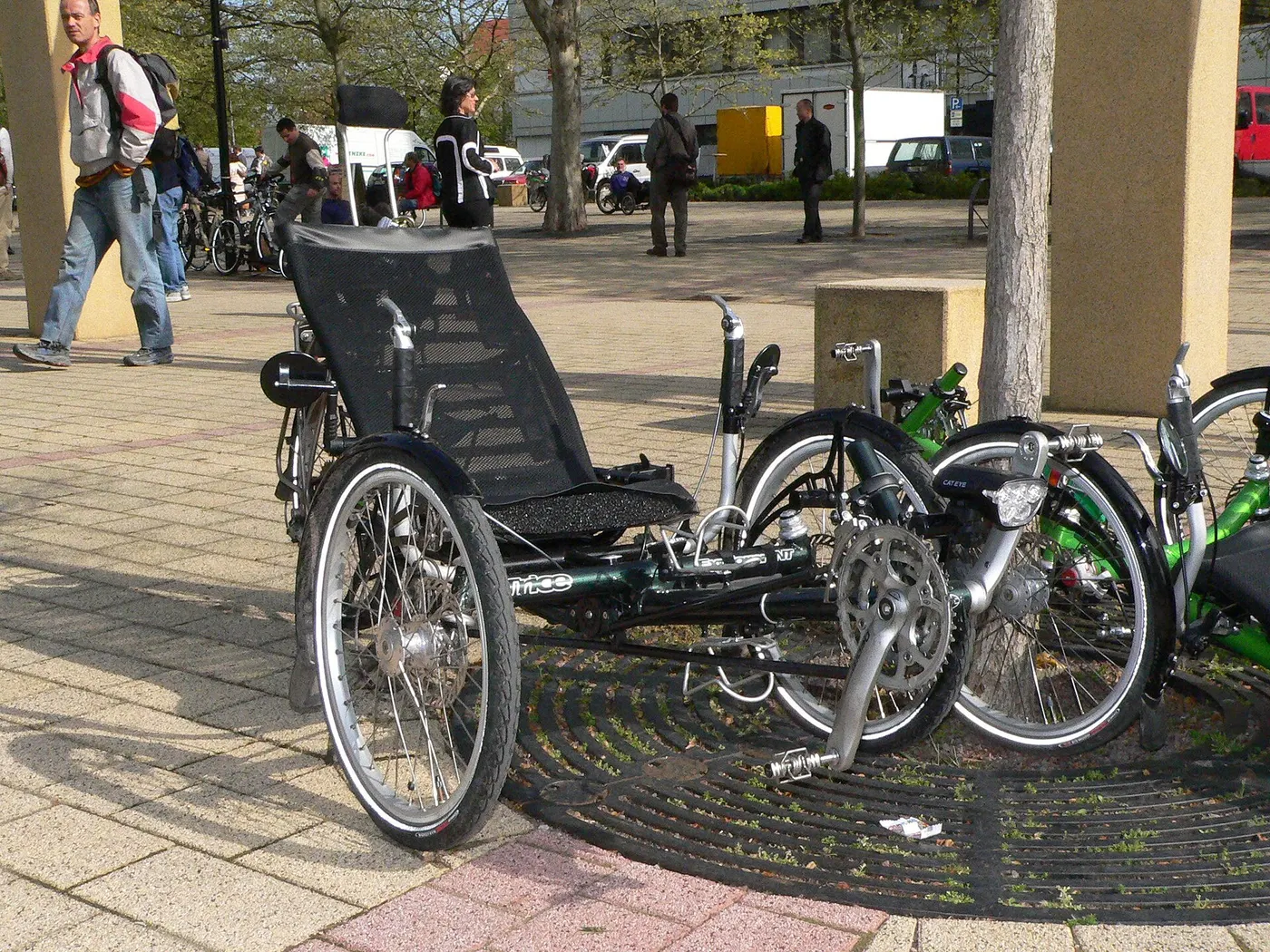
An electric tricycle can let you travel farther or tackle a route that would otherwise feel demanding. But motor power supplies part of the propulsion. At a given speed and route, greater assistance can reduce the effort required from the rider. Throttle-only travel should not be counted as a leg workout simply because the vehicle has pedals.
Assisted pedaling can still involve exercise, depending on how actively you pedal and how the system responds. Do not judge effort only by distance traveled. A long assisted outing may require less leg work than a short unassisted ride. Compare your own breathing, perceived effort, and pedaling participation instead of turning mileage into a guaranteed training effect.
Choose assistance for control and comfort first. Reducing support abruptly to make the ride “count” can be a poor decision if it leaves you struggling on a hill or far from home. Our electric tricycle guide discusses low-speed behavior and route planning. Exercise goals should fit the vehicle and your circumstances, not override safe operation.
Repeated comfortable pedaling can train your ability to continue the activity. That is different from training maximum force or building a particular amount of muscle. Some riders may improve strength from cycling, especially when starting from a low baseline, but the result is not guaranteed by the number of wheels. The resistance and progression matter.
A tricycle should not be described as a complete replacement for muscle-strengthening and balance activities. CDC guidance for adults aged 65 and older includes aerobic activity, strengthening, and balance work. The appropriate combination depends on abilities and conditions. A seated cycle can be one component of that combination rather than the whole program.
If you want measurable strength progress, choose a method and goal with a qualified professional where needed. It could involve functional exercises, resistance bands, or weights appropriate to your circumstances. Keep cycling because it is useful and enjoyable, but do not judge it by whether it duplicates a different kind of training.
Record the route, time spent pedaling, assistance level, and how the ride felt. Also note wind, hills, and cargo because those can change effort. Avoid comparing two rides as identical simply because their distance matches. A headwind and a basket of groceries may make an otherwise familiar trip considerably more demanding.
Change one element at a time when learning what is comfortable. You might extend a familiar route slightly, use a different gear on the same incline, or maintain a consistent assistance setting. These are examples of observation, not a prescribed training schedule. People with health conditions or recent surgery should follow their individual plan rather than a generic progression formula.
Notice your condition later that day and the next morning. A ride that feels manageable during the activity may still be too much when combined with other tasks. Persistent pain, swelling, or a decline in normal function deserves attention. Do not use soreness as the sole measure of success or assume that more resistance is always the next step.
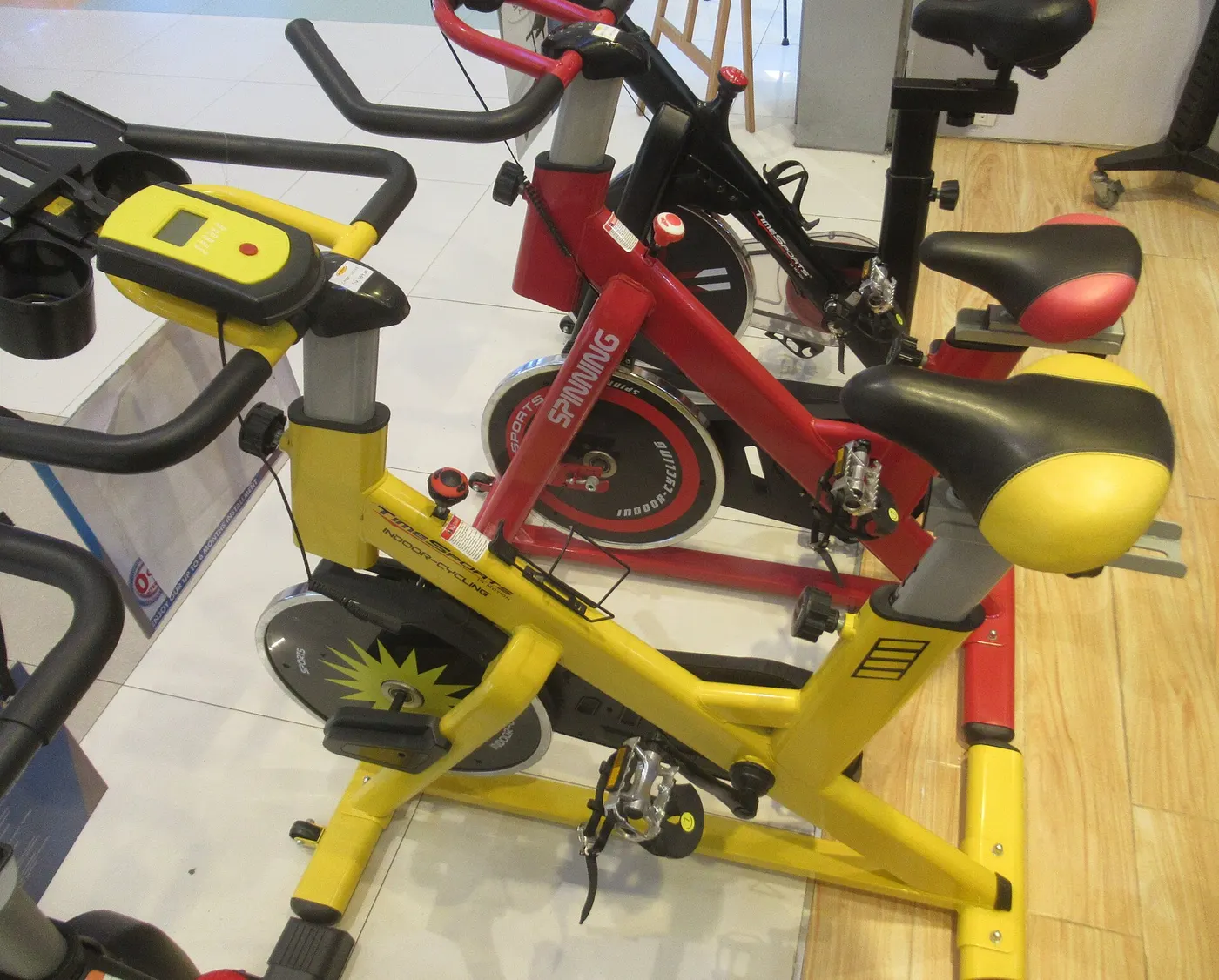
Seat height or seat-to-pedal distance should allow a comfortable cycle without forced reach. Pedal position, footwear, and crank length also matter. There is no single angle or saddle measurement that fits every upright and recumbent machine. Follow the manufacturer's fitting guidance and seek help if the movement remains uncomfortable.
Start with ordinary, smooth pedaling instead of one-legged drills, exaggerated ankle movements, or forced upward pulling. Specialized training methods may serve specific purposes under supervision, but they are unnecessary for understanding which muscles a recreational tricycle uses. They can also distract a new rider from steering and braking.
If knee symptoms are the reason you are investigating muscle use, read cycling during knee rehabilitation. It distinguishes supervised stationary exercise from outdoor tricycle use. Knowing that a muscle participates in pedaling does not prove that the activity is suitable for your injury, operation, or stage of recovery.
A heavier gear, a steeper route, or a loaded basket can increase demand, but those changes also affect control and stopping. Do not add unnecessary cargo to create resistance. Use equipment designed for the purpose and a route you can manage. A shopping trip already includes unpredictable factors such as pedestrians and crossings; it is not the place to experiment with strenuous drills.
On an upright tricycle, remain seated and follow the manufacturer's technique guidance. Do not assume that standing on the pedals or leaning aggressively has the same effect as on a two-wheel sports bicycle. Cornering stability is a separate issue from muscle effort. Slow down before turns and avoid treating a more intense workout as a reason to increase speed.
The useful answer to the original question is that foot-pedaled tricycles mainly work the legs and hips, with support from the trunk and upper body. How much benefit you receive depends on how you use the machine. Comfortable fit, repeatable activity, and a balanced exercise plan are more valuable than claims that three wheels automatically train every muscle or prevent every injury.
Guide
Choose your first adult tricycle by checking rider fit, storage, weight limits, gears, brakes, assembly, and service before buying.
Guide
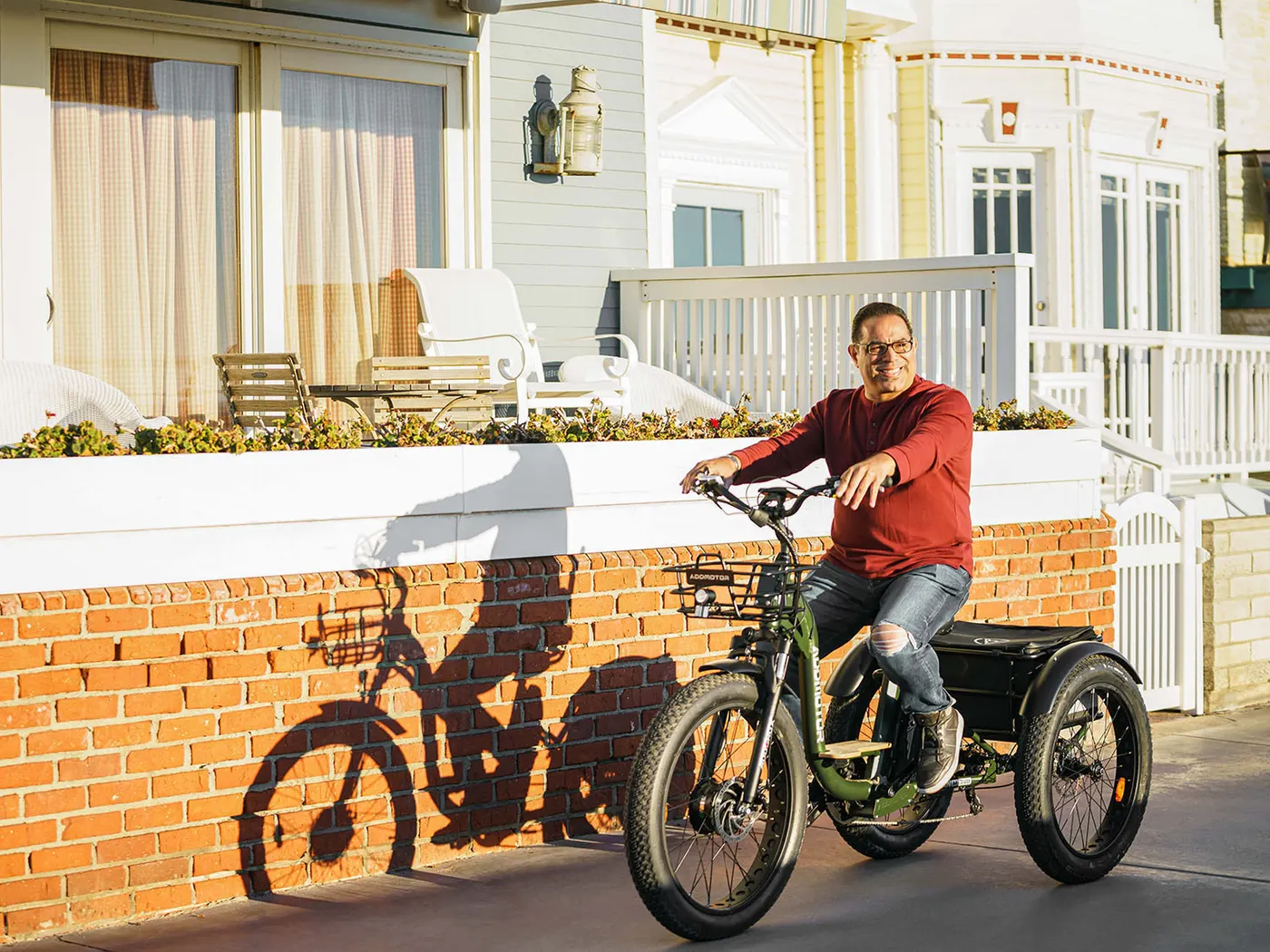
Learn how to compare adult electric tricycles for control, fit, batteries, braking, transport, and ownership support.
Guide
Understand cycling during knee rehabilitation, including stationary bike fit, outdoor tricycle limits, symptoms, and questions for your therapist.