
Guide
First Adult Tricycle Buying Guide
Choose your first adult tricycle by checking rider fit, storage, weight limits, gears, brakes, assembly, and service before buying.
We research everything we recommend. When you buy through our links, we may earn a commission. Learn more
Guide
Learn how to compare adult electric tricycles for control, fit, batteries, braking, transport, and ownership support.

Updated · 12 min read
An electric tricycle combines a three-wheel cycle with a motor that can assist pedaling and, on some models, move the vehicle through a throttle. It can make an everyday trip more manageable, especially when hills, headwinds, or fatigue limit how far you want to pedal. The important buying question is not simply how powerful the motor is. It is whether you can control the machine at low speed, fit it through your gate, park it securely, and maintain it over time.
This is a research-based buying guide, not a hands-on ranking. We do not award invented ride scores or assume that a manufacturer's maximum range will match your route. Product generations and specifications change, so verify the exact model, manual, and support arrangements before purchase. An electric tricycle is also not automatically a mobility scooter or a medical device; those categories have different designs and purposes.

Start with the obstacle that prevents you from enjoying an ordinary cycle. If it is a gentle hill, assistance may make the route more comfortable. If it is difficulty entering a saddle, a motor does not solve the transfer problem. If it is limited control of the hands or feet, a conventional electric tricycle may still require adaptations or a different type of vehicle. Separating these needs avoids paying for power that does not address the main limitation.
Write down your normal trip, likely load, and the steepest section. Include how you will get home if the battery runs low or you become tired. A route that looks short on a map may involve difficult crossings, steep ramps, and narrow gates. Motor assistance helps propulsion; it does not remove the need to steer, brake, judge traffic, and choose a safe line.
For a first purchase, use our adult three-wheel bike shopping guide alongside this article. It covers rider fit, storage, service, and test rides. Those basic requirements remain relevant even when the electric system is the most prominent feature in the advertisement.
Pedal assistance responds when the rider pedals, but different systems detect different inputs. A cadence sensor typically detects crank movement; a torque sensor measures force applied at the pedals. The controller then determines when and how much assistance is delivered. A sensor label alone does not guarantee a smooth experience. Programming, gearing, and the behavior of the lowest assistance level matter too.
A throttle can provide motor power without continuous pedaling on models that support it. That can be useful, but it changes how you handle the vehicle. Ask whether the throttle operates from a standstill, whether it depends on the selected assistance level, and whether there is a way to disable it during handling. Learn the exact controls before moving the tricycle through a doorway or mounting it.
Try a gentle start in a controlled environment. Does assistance arrive progressively, or does it surprise you? Can you maintain a slow pace without repeatedly accelerating and braking? Does the motor stop predictably when you stop pedaling or apply the brakes? These are more useful questions for an everyday rider than whether the highest mode feels exciting.
Listings may display continuous power, peak power, torque, or a combination. These are not interchangeable measurements. A peak rating can be much higher than the figure used to describe sustained operation, and it does not tell you how the machine handles at walking pace. Compare like-for-like figures and ask the manufacturer to clarify ambiguous labels.
Torque is relevant to propulsion under load, but its practical effect depends on wheel size, gearing, controller behavior, and where the motor applies force. Do not use one number to predict how a vehicle will climb every hill. Request evidence for the combination of gradient, rider weight, cargo, and speed that resembles your use. Independent tests can help when their conditions are clearly described.
Motor placement also affects the drive layout. A front hub motor acts at the front wheel; other designs drive a rear wheel or rear axle arrangement. There are trade-offs in traction, service access, and system design. Treat broad claims that one location is always safest as incomplete. Ask how the complete vehicle manages braking, turning, and power delivery rather than evaluating the motor in isolation.
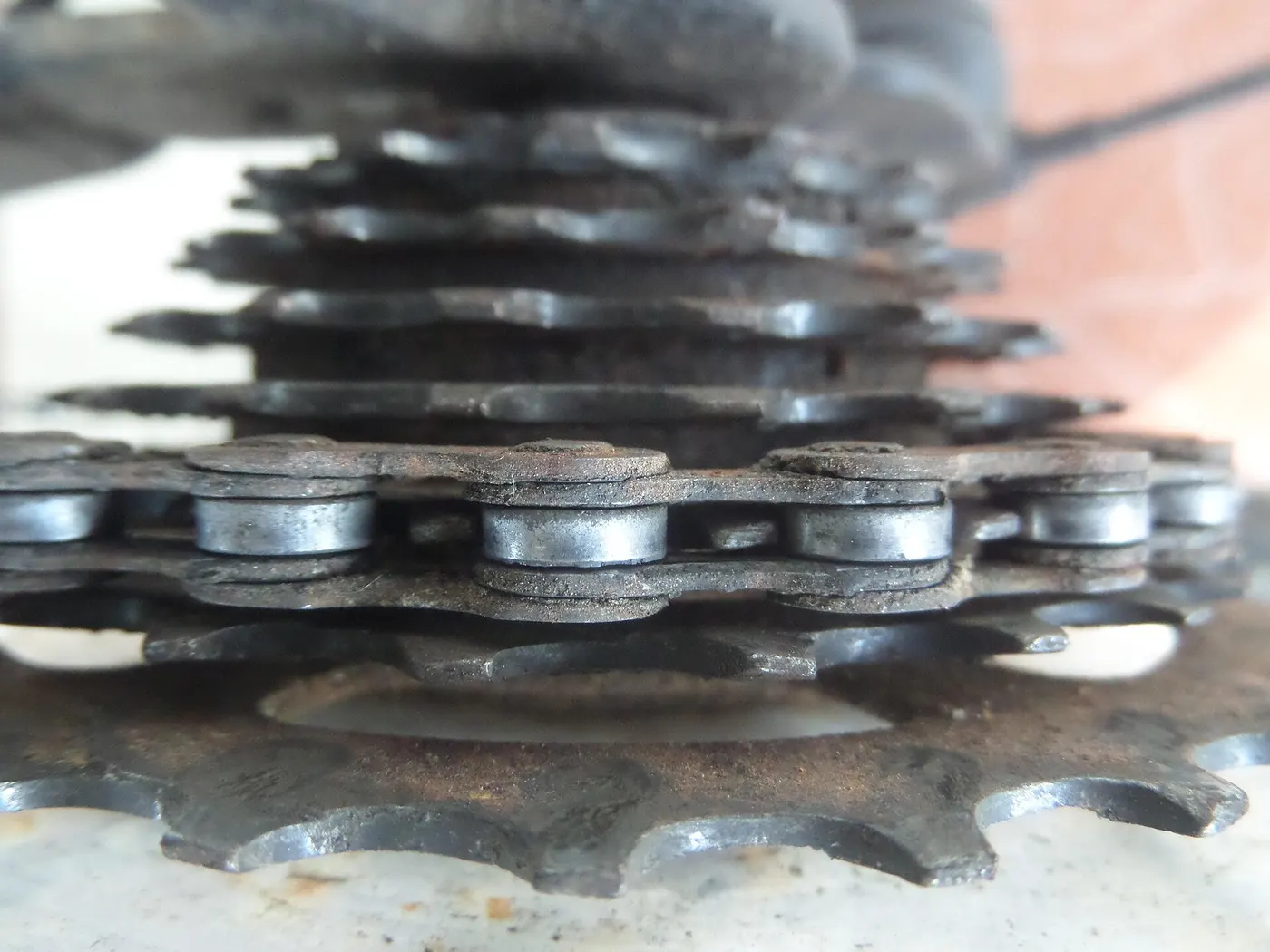
When a tricycle turns, its outside wheel travels farther than its inside wheel. A differential can allow the driven rear wheels to rotate at different speeds. Lectric describes an open differential in the original XP Trike design, illustrating why rear-axle construction is worth asking about. That example does not mean every model or generation uses the same arrangement, or that a differential eliminates tipping risk.
Some machines use a different drive configuration, including driving one wheel. Ask the seller to explain the exact system in plain language. Is there a differential? Which wheel or wheels are powered? Are replacement axle components available? If the listing is vague, find the manual or a technical explanation before assuming that two rear wheels behave identically.
Steering and stability still depend on geometry, speed, surface, and load. A tricycle may feel reassuring when stopped yet require care around sharp corners or sloped surfaces. Slow before turning and follow the manufacturer's instructions. Do not treat suspension, fat tires, or a differential as permission to corner quickly.
Confirm overall width, length, handlebar height, and turning requirements in the assembled configuration. Rear fenders and baskets can be the widest parts. Measure the gate and storage entrance, including any turn immediately before or after them. A straight doorway measurement is insufficient when you must negotiate a narrow corridor.
Find separate rider, cargo, and total payload limits. A headline figure may include groceries and accessories, not just the rider. Front and rear baskets may have different restrictions. Ask how the battery and stock equipment are treated in published figures if that is unclear. Never resolve conflicting specifications by choosing the more generous number.
Keep loads secure and within the approved arrangement. A front basket can affect steering feel, while rear cargo can change weight distribution. Avoid stacking objects high or letting straps trail near moving parts. Begin with an empty vehicle, then add a modest load as you learn its behavior. Grocery capacity is useful only if the resulting handling remains manageable.

Ask which brake acts on each wheel and what maintenance the system requires. Mechanical and hydraulic disc brakes have different service needs, but a label is not a measured stopping result. Look for tests that identify load, speed, and conditions. More importantly, confirm that you can reach and operate the levers comfortably without losing your grip on the handlebar.
Check the parking brake and practice its operation on level ground. You should understand how to engage it, verify it, and release it. Ask whether it acts through the normal brake system and whether adjustment is necessary over time. A parking brake is for immobilizing the vehicle within its instructions, not replacing a security lock or making every slope a suitable parking location.
Electric brake cut-offs can interrupt motor power when braking on models equipped with them. Verify their presence and behavior in the manual. Do not infer that lights, a horn, or automatic motor cut-off compensate for poor fit or unfamiliar handling. A safe first ride begins with predictable controls, a suitable surface, and low speed.
Battery energy is often expressed in watt-hours. When voltage and amp-hours are the available specifications, multiplying the nominal figures gives an approximate energy value for comparison. That calculation is not a prediction of distance. Usable range depends on assistance, rider and cargo weight, surface, hills, wind, temperature, tire condition, and battery age. Our electric tricycle range and route planning guide turns these factors into a trip plan.
Range advertisements may describe favorable conditions with active pedaling and low assistance. Ask whether the figure refers to throttle-only use or pedal assistance, and what test conditions produced it. If those conditions are unavailable, label the figure as a manufacturer claim. Plan an initial route with a generous return margin rather than using the advertised maximum as the length of your first outing.
A removable battery may make indoor charging and transport easier. Check whether you can unlock and lift it, whether the connector is protected, and whether a replacement is available from the manufacturer. A larger battery adds weight and cost; it is not always the best answer to a short daily trip. Practical handling can be more valuable than theoretical distance. Our battery charging and storage guide covers day-to-day care.
Choose a charging location that meets the manufacturer's instructions and keeps escape routes clear. Use the supplied or specifically approved compatible charger. CPSC warns against unapproved universal chargers and advises being present while charging micromobility batteries. Do not charge while sleeping, and do not assume a connector that physically fits is electrically compatible.
Inspect the battery for damage and follow temperature and moisture restrictions. A battery involved in a crash, showing swelling, leaking, or producing unusual heat or odor should not be treated as a normal charging problem. Stop using it and follow the manufacturer's and local safety guidance. If there is smoke or fire, leave the area and contact emergency services.
Ask about storage during extended periods without riding. The correct charge level and inspection interval depend on the battery instructions. Avoid inventing a universal storage routine. Keep records of the model and serial numbers, charger specification, purchase, and any recall communication so future maintenance does not depend on a vague memory of the original listing.

A statement such as “UL certified” should identify the standard, the certified item, and the testing organization. Battery certification and certification of the complete electrical system are different claims. Request documentation for the exact model and configuration. Do not describe a whole vehicle as certified solely because one component is covered.
Rules governing electric cycles vary by jurisdiction, speed capability, motor power, throttle behavior, and location. A machine marketed as an e-trike may not be allowed everywhere that a conventional bicycle is allowed. Check the relevant transport authority and path operator before choosing a model for a particular route. A seller's broad statement about legality is not a substitute for local requirements.
Also consider practical access even where riding is permitted. Barriers, crowded paths, and narrow lanes can make a wider vehicle unsuitable. Lights, mirrors, and conspicuity equipment can help you be noticed, but they do not create road space or right of way. Select a route that matches the machine and your ability to control it.
Electric tricycles can be heavy even after the battery is removed. Ask for weight with and without the battery and for the dimensions of the configuration you intend to transport. A folded handlebar is not the same as a folding frame. Some folding mechanisms reduce length while leaving the rear axle width unchanged.
Measure the vehicle opening, not just the inside of the car. Consider the loading height and whether you have the strength and assistance to position the machine safely. Ramps and racks must be approved for the load, width, and attachment points. A carrier designed for two conventional bicycles is not automatically appropriate for one electric tricycle.
Practice the fold and unfold procedure before planning a trip. Check latch engagement, cable routing, and any instructions about removable parts. If you cannot complete the process comfortably, the advertised portability may not be useful to you. For many riders, reliable home storage and a nearby riding route are simpler than frequent vehicle transport.
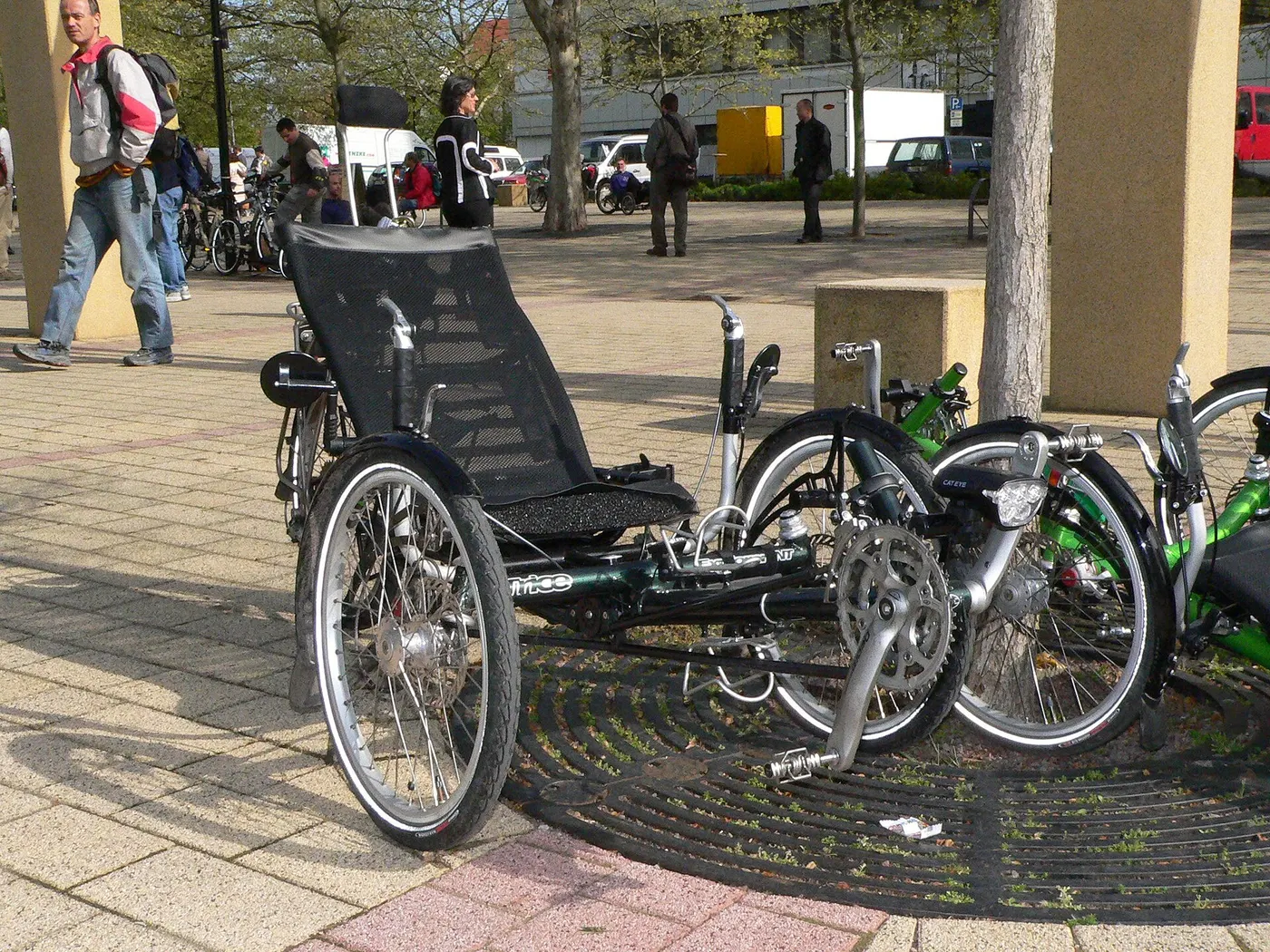
Find out who handles warranty work and whether a local shop will service the vehicle. Electrical diagnostics and proprietary parts may require manufacturer support even when ordinary tires or brake components can be serviced locally. Ask about response channels, documentation, and whether parts must be shipped to you for installation. The adult tricycle maintenance checklist covers the routine owner checks.
Read return terms before assembling or riding. Confirm deadlines, freight charges, restocking conditions, and how damage on delivery should be reported. Keep photographs and packaging until the vehicle has been inspected. A warranty that sounds generous is less useful if you cannot transport the machine to the service location or obtain the required part.
Budget for assembly, a lock, safety equipment, routine service, and eventual battery replacement. Do not compare only initial prices while ignoring these costs. If exercise is part of the goal, remember that assistance can reduce the work performed by your legs. Our muscle guide explains that distinction. If you have knee symptoms, the knee rehabilitation guide explains why outdoor riding and supervised stationary cycling are different decisions.
Create a comparison sheet with rider fit, vehicle dimensions, payload definitions, lowest assistance behavior, brakes, battery handling, service, and return conditions. Mark unavailable information as unknown. Do not fill gaps with specifications from a different model carrying a similar name. Ask for written answers to the questions that could rule out a purchase.
During a supervised demonstration, test mounting, a gentle assisted start, a straight stop, broad turning, parking, and battery removal. Avoid judging the vehicle only by its highest speed. The qualities that make it usable every day are often less dramatic: readable controls, predictable power, reachable brakes, and a storage arrangement that does not require wrestling with the machine.
Choose the electric tricycle that meets those requirements with the fewest unresolved compromises. More power, more range, and more accessories do not automatically make a better match. A machine that is easy to control and support can be more valuable than a specification-heavy alternative that is difficult to store, charge, or service.
First, a tricycle can fail the access test. Imagine that the rear axle fits through a gate but the approach requires a tight turn beside a wall. The published width alone does not establish that you can bring it inside. A demonstration, measured drawing, or a cardboard footprint can reveal a problem before delivery. Make the storage journey part of the buying decision rather than an afterthought.
Second, it can fail the support test. An attractive offer is less useful if replacement electrical parts cannot be obtained or no practical repair arrangement exists. Ask what happens when a fault is reported, who diagnoses it, and who installs the replacement. A seller promising that ordinary bicycle shops can fix everything should explain how those shops obtain proprietary components.
Third, it can fail the control test. If you cannot comfortably reach a brake, operate the parking mechanism, or manage the first assisted movement, do not assume familiarity will solve the problem. Some adjustments may help; others indicate a different model is needed. Resolve those questions before committing to a machine that will be difficult to return.
Guide
Choose your first adult tricycle by checking rider fit, storage, weight limits, gears, brakes, assembly, and service before buying.

Guide
Understand the leg and hip muscles used when pedaling a tricycle, plus how fit, resistance, and electric assistance change the effort.
Guide
Understand cycling during knee rehabilitation, including stationary bike fit, outdoor tricycle limits, symptoms, and questions for your therapist.