



Guide
First Adult Tricycle Buying Guide
Choose your first adult tricycle by checking rider fit, storage, weight limits, gears, brakes, assembly, and service before buying.
We research everything we recommend. When you buy through our links, we may earn a commission. Learn more
Guide
Plan an adult trike test ride around fit, controls, entry, low-speed behavior, storage, transport, and a comparison sheet that preserves uncertainty.

Updated · 13 min read
A useful adult tricycle test ride answers whether a particular configuration works for your body, route, and daily routine. It should leave you with specific observations about getting on, reaching the controls, pedaling, stopping, maneuvering, and storing the vehicle. A few enjoyable laps are valuable, but they do not establish that the same trike will fit through your gate, suit a loaded shopping trip, or be practical to maintain.
Prepare a short comparison sheet before visiting a dealer. Ask for an appropriate supervised trial, have the dealer set up each model correctly, and compare the tasks you expect to repeat. Record what you actually tried and what remains untested. This article focuses on the appointment and comparison process; the broader first-tricycle buying guide explains how to form the initial shortlist.

Write down the main purpose in concrete terms. A weekly grocery trip, a recreational path ride, and a longer recumbent tour create different questions. Include typical distance, the surfaces you intend to use, the storage entrance, and whether cargo or electric assistance is part of the plan. Avoid a broad request for the most stable model: it does not tell a dealer what movements, clearances, or controls you need to assess.
Bring measurements of relevant doors, gates, passages, and vehicle openings. A drawing with the narrowest points can be more useful than a single garage width. Tell the dealer whether you will move the trike by hand, lift removable components, or transport it on a carrier. These are legitimate appointment topics even though they are not riding performance. Use the width and path-clearance guide to identify measurements worth checking.
If you need an adaptation or assistance with a particular movement, describe the task in advance. A dealer can then discuss the available equipment, suitable support, and the scope of the trial. Do not assume that an ordinary retail test ride is a clinical assessment or that a shop can provide every adaptation on the day. Where a health condition affects suitability or safe participation, obtain the relevant qualified advice separately and share practical requirements with the dealer.
Ask which exact models and configurations are available, whether an appointment is required, and what identification, waiver, helmet, or other preparation the shop expects. Dealer practices differ. RecumbentPDX, for example, advertises appointment-based test rides; that is a local process, not a rule for every retailer. Confirm the current arrangements directly instead of arriving with expectations based on another shop's website.
Establish the permitted test area and who will explain the controls. A first ride is easier to interpret when the route and vehicle operation are introduced beforehand. Ask whether the trial includes enough room for gentle turns, stopping, and getting on and off. Do not introduce steep slopes, traffic, or cargo experiments beyond the dealer's approved trial. A controlled appointment is a way to collect useful observations, not to discover the vehicle's limits.
Clarify whether demonstration accessories match the proposed purchase. A demo may have a different seat, pedal system, motor, tire, or gearing configuration. Record those differences because they can affect how the ride feels and what fits. A model name is not a complete specification. If the desired version is unavailable, ask which conclusions can transfer and which should remain open until the actual configuration can be assessed.
A poor initial setup can make a suitable model feel unsuitable. Ask the dealer to establish the appropriate seat or saddle position, pedal reach, control placement, and required tire condition through the manufacturer's instructions. On a recumbent, the relationship between seat position and pedal reach can involve the boom and drivetrain; it should not be changed casually between laps. Record who adjusted the setup and whether a particular adjustment reached its permitted limit.
Bring the shoes and ordinary riding clothing you expect to use, provided they are suitable for the trial. They influence practical reach and movement. If a pedal retention system is required for the model, ask for instruction and supervised preparation before moving. Do not treat a familiar-looking pedal as proof that you know its engagement or release. The recumbent pedal and foot-retention guide explains the separate compatibility questions.
Evaluate comfort as an observation, not a diagnosis. Note pressure, reach, and whether you can maintain the intended posture without struggling for a control. Tell the dealer about a problem promptly rather than completing the route in discomfort. A short trial cannot establish comfort over every future distance. It can identify obvious fit issues and whether further fitting or a different configuration deserves consideration.

Before riding, identify every control you will need: braking, parking, shifting, and the electric system where fitted. Ask the dealer to demonstrate the intended procedure, then explain it back in your own words. This reveals uncertainty before the vehicle moves. Different trikes can use different arrangements, including separate brake controls or unfamiliar parking mechanisms. Do not infer operation from the location or appearance of a lever.
With the trike secured through the dealer's instructions, check whether you can reach and operate the controls from the normal position. Include the display and any accessory that occupies the cockpit. Ask whether an approved adjustment can improve reach without interfering with another control. A lever that can be touched is not necessarily easy to operate through its required movement. Record the practical issue precisely so it can be addressed.
Try the permitted mounting and dismounting routine with the requested assistance. Note where your hands go, what moves, and whether the storage environment will offer the same room. The mounting and dismounting guide provides additional preparation, but the actual model's instructions govern the trial. If the movement cannot be completed comfortably and predictably, do not overlook it because the subsequent ride feels enjoyable.
Follow the dealer's route and instruction for starting, gentle turning, and stopping. Keep the pace appropriate to the controlled setting. A rider coming from a two-wheel bicycle may need time to understand the different steering response. That learning effect can influence an early comparison, so record whether you are evaluating the model or simply becoming more familiar with trike operation.
Observe how much space you need to make ordinary changes of direction. Look at the whole wheel envelope and any protruding accessories rather than judging clearance from the front wheel alone. Avoid deliberately lifting a wheel, making abrupt turns, or testing an extreme camber. Those actions do not belong in a basic purchasing trial. If your usual route includes a difficult feature, describe it to the dealer and ask whether a suitable assessment is available.
Separate control effort from component condition. If steering, braking, or shifting seems abnormal, report it and let the dealer inspect the demo. Do not rank the entire model family poorly because one demonstration vehicle might need service. Equally, do not accept an abnormal response as a harmless personality trait. A comparison is meaningful only when the demonstrated vehicles are in the intended condition and configuration.
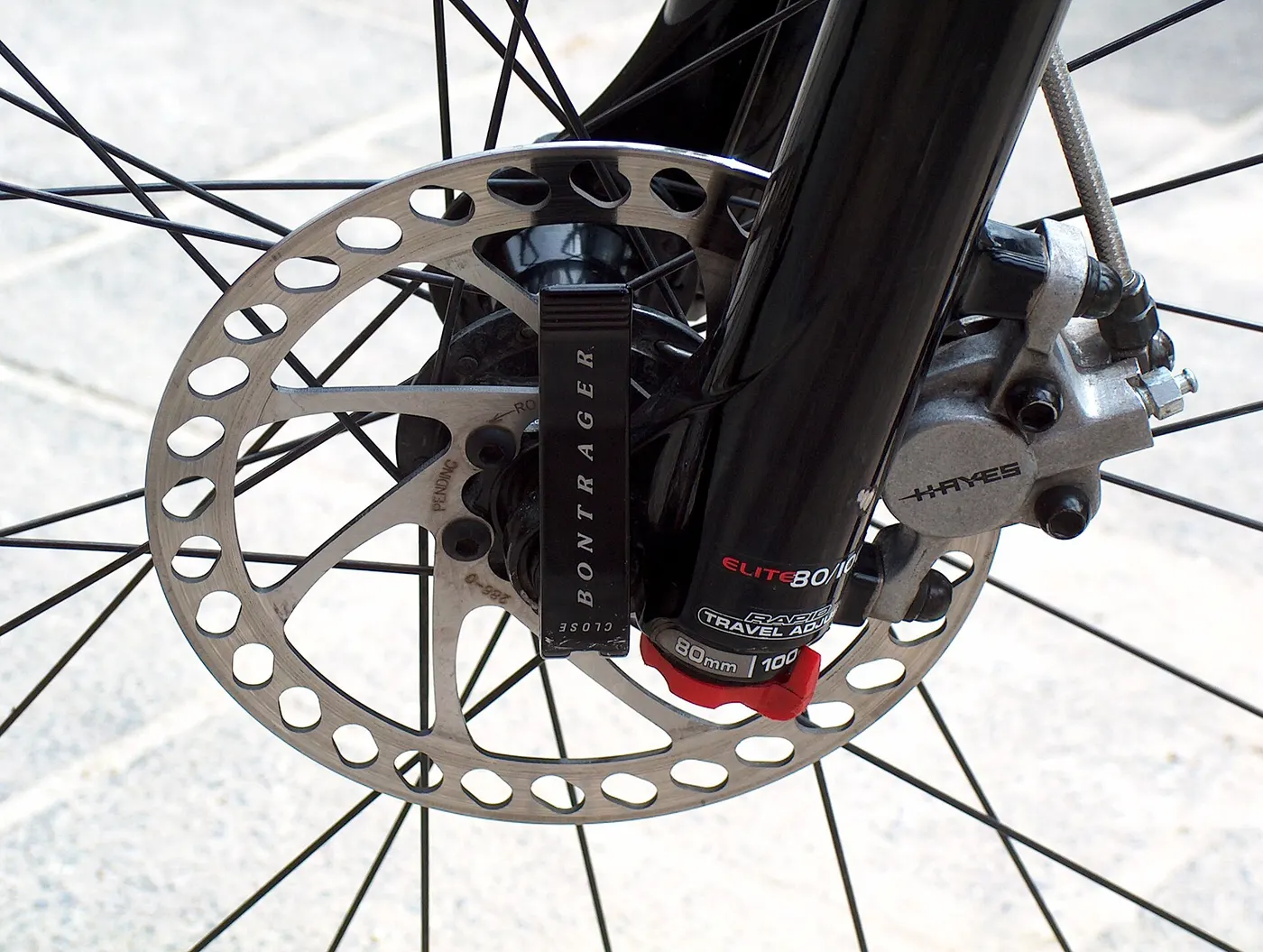
An electric model can feel easier to move, but assistance does not resolve entry, width, storage, control reach, or turning requirements. Learn the exact assist and throttle arrangement before use, then stay within the dealer's approved procedure. Record which mode was used so you do not compare a strongly assisted lap with an unassisted lap and attribute the entire difference to frame design.
Ask how the demonstrated system behaves when starting, stopping, and changing the relevant settings. Do not seek a maximum-speed demonstration as the main buying criterion. Your route may depend more on manageable low-speed control and a practical stopping routine. Review the pedal-assist and throttle guide for questions to carry into the appointment.
Battery range remains unproven by a short test ride. Record the battery configuration and discuss route planning through the maker's guidance, but do not extrapolate a few minutes of use into a reliable distance estimate. The range and route-planning guide treats that separate decision. A reassuring display reading on a demo is not a guarantee about your loaded trip in different weather.
Create one row per exact configuration and columns for the tasks you assessed. Useful entries are descriptive: parking lever reachable without changing posture, rear basket clears the gate measurement with unresolved maneuvering space, or desired seat not available on demo. Avoid reducing everything to a single score too early. A high comfort score should not cancel an unresolved problem with transport or safe control operation.
Mark each observation as tested, dealer-confirmed, document-confirmed, or unresolved. These categories have different evidence behind them. You may measure overall width but still need to test the turn into a hallway. A seller may confirm compatibility for a rack without demonstrating loading. Keep those distinctions visible so the next step is obvious. The sheet is an editorial decision aid, not a professional certification of suitability.
| Task | What to record | What remains separate |
|---|---|---|
| Entry and exit | Actual procedure, reach, room and assistance | Clinical suitability where relevant |
| Controls | Exact layout and completed stationary practice | Alternative configuration not demonstrated |
| Riding | Route, surface, setup and observed response | Untried slopes, cargo and longer distance |
| Storage | Dimensions and permitted handling | Doorway maneuver not reproduced |
| Ownership | Service contact and required procedures | Future parts availability and costs |
Ask to see the normal parking and hand-moving routine where the dealer permits it. Consider whether you can reach the same areas at home. A wide trike can be straightforward outdoors and awkward in a narrow indoor corner. Do not lift or roll it in a way the manufacturer does not allow simply to make it pass a doorway. Resolve the actual storage plan before ordering, especially if it depends on folding or removing a component.
Discuss who will assemble, inspect, fit, and maintain the purchased vehicle. Ask whether the dealer services the exact motor and proprietary parts, and whether the demonstration setup is included in the quoted configuration. The repair-shop selection guide in this batch helps turn those answers into an ownership plan. A good trial can reveal that a slightly less convenient ride has a more workable service arrangement, or the reverse.
Confirm transport separately. A model that feels ideal on the shop route may not fit the vehicle or approved carrier you intend to use. Take the configuration and measurements into the hitch-carrier fit guide rather than trusting a general claim that the trike is transportable. Folding dimensions also need the complete approved process; one compact photograph cannot show the work required every time.
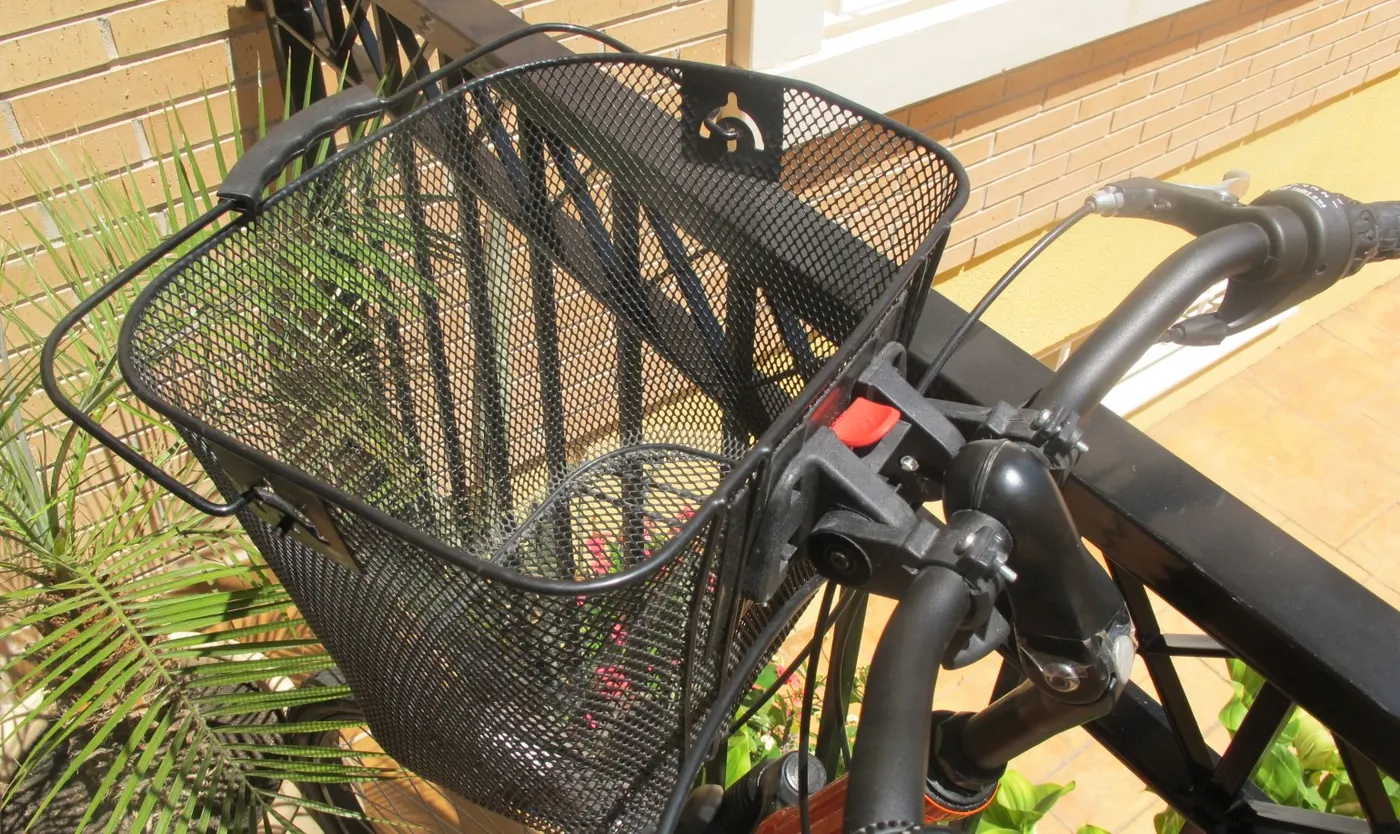
Imagine an upright trike is easier for you to enter, while a recumbent feels more comfortable during the controlled ride. The useful next question is not which category is universally better. It is whether each model can complete your actual routine. Record the entry difference, seat setup, control reach, route tested, storage measurements, and unresolved transport questions. Then ask for the specific follow-up that would reduce uncertainty.
If the upright model's saddle was not fitted appropriately, repeat that assessment after the dealer's correction before ruling it out. If the recumbent's entry remains difficult despite the permitted setup, do not dismiss the issue because the lap was pleasant. If neither configuration works through the full routine, broaden the shortlist or discuss a suitable adaptation. A test ride is allowed to end without a purchase.
Do not let a promotion or the order of rides decide the result. Take a break, read your notes, and compare the important tasks again. Novelty can influence the first ride, and fatigue can influence a later one. These are reasons to describe conditions honestly, not to invent a scientific ranking from a retail appointment. If a remaining question matters to daily use, resolve it before paying rather than assuming you will adapt around it.
Ask for the exact proposed specification, setup notes where available, price scope, and current purchase terms. Identify any follow-up fitting, compatibility answer, or second trial needed. Keep photographs only with permission and without including other customers. A picture of the configuration can help you remember the seat and accessory layout, but it does not replace model identification or the written quote.
The final decision should connect the ride to ownership: can you operate the controls, follow the entry routine, use the intended route, store the trike, and obtain service? A short test cannot prove every part of that chain. It can make the open questions explicit and help you choose the next useful action. That is more valuable than declaring a winner after one fast or unusually comfortable lap.

Before the appointment, identify the conditions that must be resolved for ordinary ownership. These might include operating a brake reliably, completing the intended entry routine, fitting through a necessary entrance, and obtaining support for the exact system. Keep preferences such as color, accessory style, or a particularly pleasant seat separate in your notes. This is not a numerical weighting formula; it prevents an attractive feature from obscuring a practical requirement that still has no answer.
For each requirement, describe the evidence needed. A gate question may need measurements and a maneuvering assessment. A control question may need a correctly fitted stationary check followed by the dealer's approved practice. A service question may need written confirmation from the actual provider. Asking for the right evidence is more useful than repeatedly asking whether the model is easy or stable. It also makes an unresolved answer easier to recognize.
Use preferences to compare configurations only after essential issues have been addressed. If two models both support the necessary routine, comfort, handling preference, cargo access, and ownership effort can distinguish them. If one model fails an essential task, do not hide that result inside a high overall score. Ask whether a documented alternative configuration can address it, or remove the model from the current shortlist.
Compare the quote with your notes before ordering. Check the seat, wheel sizes, tires, gearing, motor and battery where applicable, controls, pedals, and accessories. A price for the base model may omit the setup that made the demo suitable. Ask which adjustments, assembly, inspection, and handover instruction are included. Do not assume that every accessory on the demonstration vehicle accompanies the purchase.
Record substitutions explicitly. If the seller proposes a different seat, tire, or pedal, identify which trial conclusions need reassessment. A substituted part can be compatible yet change comfort or access. Compatibility and personal suitability are related but distinct questions. The dealer should be able to explain the exact proposed configuration without relying on a broad assurance that it is essentially the same trike.
Clarify the handover process. Ask how the purchased vehicle's setup will be verified and what instructions you will receive for routine operation and maintenance. If the trike will be shipped rather than collected, discuss the assembly and support arrangement separately. The test ride may establish that you like the model, while delivery introduces practical tasks that were not demonstrated in the shop.
If you need a second appointment, state what it should answer. You might compare the approved alternative seat, repeat a task after fitting, or assess the storage movement in an appropriate setting. A focused follow-up is easier to organize than another broad request to try everything. It also respects the distinction between a retail demonstration and a longer professional fitting or assessment.
Keep notes from both visits and record changed conditions. A different demo, shoe, seat setting, or route can explain a different observation. Do not overwrite the first result as if it never happened; identify why the second visit provides better evidence. The final choice then rests on the actual configuration and tasks rather than a memory of whichever lap felt best at the time.
Research-based appointment and comparison guide. No models were ridden or clinically assessed for this article. The comparison scenario and worksheet are editorial tools, not measured product rankings.
Guide
Choose your first adult tricycle by checking rider fit, storage, weight limits, gears, brakes, assembly, and service before buying.

Guide
Learn how to compare adult electric tricycles for control, fit, batteries, braking, transport, and ownership support.

Guide
Understand the leg and hip muscles used when pedaling a tricycle, plus how fit, resistance, and electric assistance change the effort.