



Guide
First Adult Tricycle Buying Guide
Choose your first adult tricycle by checking rider fit, storage, weight limits, gears, brakes, assembly, and service before buying.
We research everything we recommend. When you buy through our links, we may earn a commission. Learn more
Guide
Understand recumbent crank length, pedal-circle geometry, base fit, exact part compatibility, clearance, trials and a documented service process.

Updated · 11 min read
Crank length describes the distance between the crank's rotation axis and the pedal axis. Changing it changes the pedal circle, so it belongs to the complete recumbent fit and drivetrain configuration. A shorter crank is not simply another way to move the seat closer, and an online length formula does not establish the right choice for every rider.
Start with the exact trike, current parts and practical fitting concern. This guide explains geometry, compatibility and the assessment process without prescribing a universal length or a treatment for pain. The sizing and fit guide covers the wider relationship between seat, pedals and controls.

Record the crank model, marked length where available, pedal interface, chainring or motor arrangement and the vehicle revision. Use the maker's identification method or a suitable provider where markings are unclear. Do not infer length from a photograph or assume every crank supplied on one model family is identical.
The crank arm length is different from the overall crankset width or the distance between pedals. Those dimensions can all matter, but they describe separate geometry. Keep them distinct in a service request. A part advertised with one attractive measurement may still be incompatible in another aspect.
On an electric recumbent, identify the motor system and approved crank options. HP Velotechnik's Delta tx update, for example, names different shorter-crank options depending on the configured motor. That is a model-specific example of compatibility, not a recommendation of those lengths for every trike or rider.
If crank length is treated as the radius of the pedal-axis circle, its diameter is twice that length. An illustrative change from 170 to 150 millimetres changes that diameter from 340 to 300 millimetres. Those are geometry examples, not prescribed parts. The actual fitting decision needs the complete vehicle and rider assessment.
The pedal axis also moves relative to the rider through the rotation. Changing the circle can alter the closest and farthest positions. Moving the seat or boom changes the relationship to that entire circle rather than reproducing every effect of a length change. That is why the two adjustments should not be treated as interchangeable.
Do not turn the arithmetic into a clinical outcome. Joint position, comfort and suitability require appropriate assessment and, where relevant, qualified health advice. This article does not calculate a safe knee angle or diagnose a symptom from crank length. Geometry explains the question; it does not replace the fitting process.
State whether the concern is reaching the pedals, movement clearance, a changed supported position, or discomfort during ordinary use. Include when it occurs and what changed beforehand. Shoes, pedal retention, seat setup, accessories and previous service can be relevant. Do not assume the crank is the cause because it is the visible part being considered.
If pain or a health condition affects riding, stop the relevant activity and obtain appropriate qualified advice rather than experimenting through repeated long rides. A dealer fitting can address equipment configuration within its scope, while clinical suitability is separate. Keep those roles clear without expecting a parts seller to diagnose the rider remotely.
Use photographs and records to identify the current setup, not to claim a precise body measurement from an image. A factual brief helps the fitter decide which assessment is useful. The test-ride guide provides a way to record observations and unresolved questions honestly.
Have the seat, pedal reach, controls and required retention set through the trike's instructions. An unsuitable current adjustment can make a parts change seem necessary when the first task is identifying the intended configuration. Do not move a recumbent boom casually without the connected drivetrain and fastening procedure.
Assess the actual riding shoes and pedal arrangement. A shoe or pedal change can affect practical contact and movement. The recumbent foot-retention guide explains why that system needs exact instructions. A crank change should not become permission to improvise straps or ignore a required retention setup.
Record which base adjustments are at their permitted limits. If an intended fit cannot be achieved through them, ask the manufacturer or suitable fitter about supported options. Do not cut, extend or modify a component based on a generic tutorial. The actual design and service scope determine the next step.
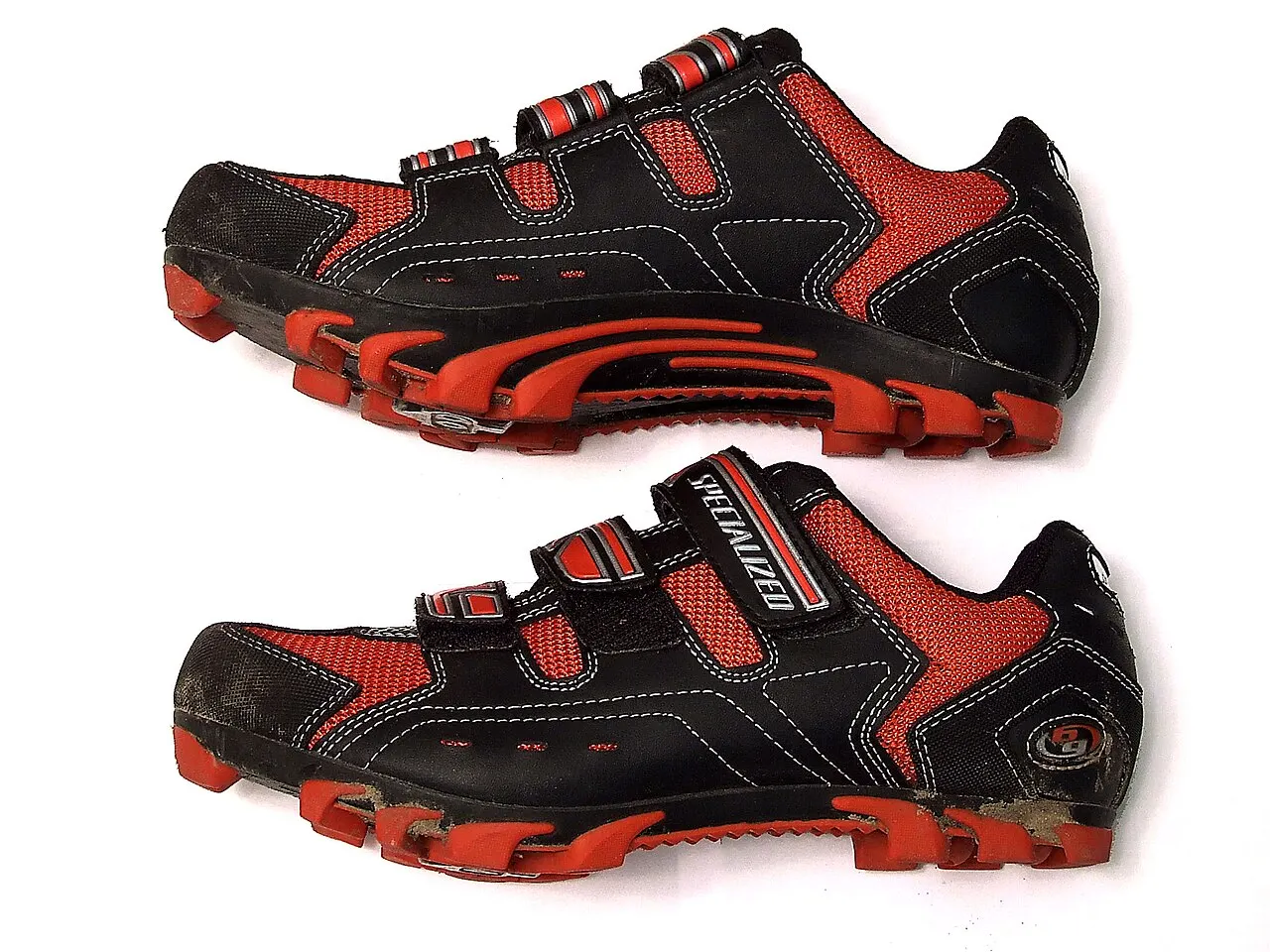
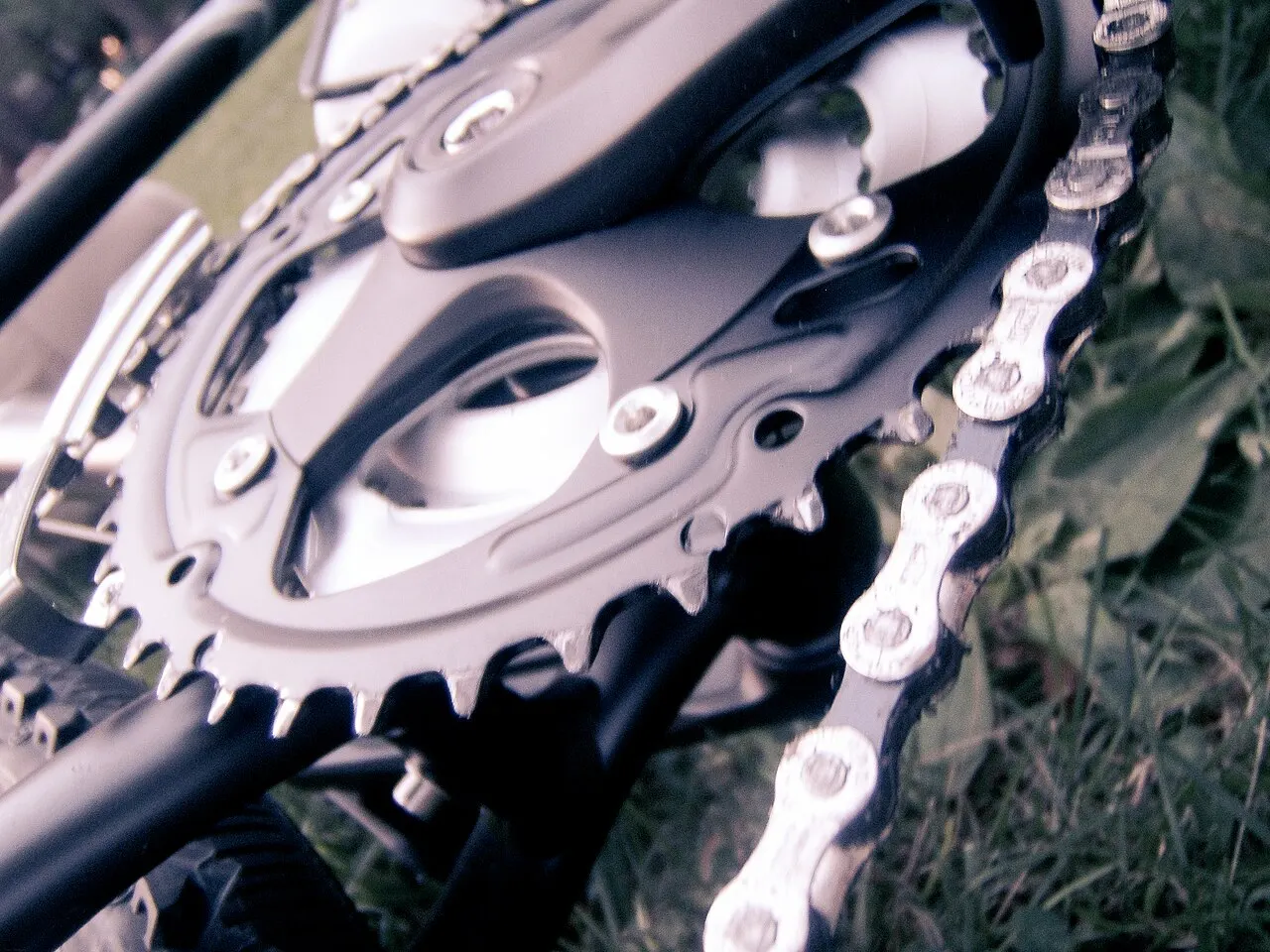
Ask about the crank interface, motor or bottom-bracket system, pedal threads, chainring arrangement, relevant spacing, guards and approved vehicle configuration. A matching length is only one requirement. Do not assume a crank marketed for bicycles fits an electric drive unit or an unusual recumbent installation.
Confirm whether paired parts and hardware are required and whether the proposed change affects gearing or other functions. Obtain the exact part references and instructions. A visually similar arm can have another orientation or interface. If identity or approval remains unresolved, defer the purchase rather than using installation as a fit test.
The torque-wrench guide explains complete fastening information, but it supplies no crank specification. Installation may require tools and procedures outside owner scope. Ask a qualified provider to establish the appropriate work and final checks for the exact system.
The installed pedals, crank arms, chainrings, guards and rider equipment need the required clearance from the frame, wheels, steering, seat and accessories. A part can fit its interface while conflicting elsewhere. Follow the trike and component procedures rather than checking only one parked pedal position.
Include entry, exit, folding and transport where relevant. A changed pedal envelope can affect a storage arrangement even if the riding fit is supported. The folding-hinge guide covers the restored configuration, while the carrier guide treats transport approval separately.
Do not make an abrupt maneuver or ride near an obstacle to discover interference. Complete the appropriate stationary and post-work checks first. If a required condition cannot be established safely with your equipment, obtain professional assessment rather than treating an inaccessible check as passed.
A length change can affect the mechanical relationship between pedal force and crank rotation. That observation does not establish a measured power, efficiency or climbing advantage for every rider. Gearing, cadence, assistance and the complete setup remain relevant. This article supplies no laboratory comparison or universal performance ranking.
Ask the dealer how the approved configuration should be operated and whether the intended route needs reassessment. The gears guide and hub-gear comparison explain related questions. Do not choose crank length as an isolated way to certify a demanding route.
Keep subjective trial observations within their scope. A rider may prefer one correctly fitted supported arrangement in a controlled demonstration. That is useful evidence of the task assessed, not proof of long-distance comfort or a clinical effect. Record the conditions instead of converting the result into a broad recommendation.
Ask whether a supported demo or fitting arrangement can assess the proposed option before purchase. Identify the exact parts, seat position, shoes, pedals and procedure used. Do not compare an adjusted configuration with an unadjusted one and attribute every difference to crank length.
Have the provider explain the required checks and controlled verification. Keep the task suitable and stop if a concern appears. A retail appointment is not a laboratory fit experiment, but it can identify practical reach, control or clearance questions. If the desired option is not available, mark it untested rather than treating another model as equivalent automatically.
Afterward, record the actual observations and the next unresolved issue. A useful follow-up may involve a different approved configuration or qualified advice. It should not be another arbitrary length selected because the previous trial felt different. Keep each change connected to the task and evidence it is intended to address.
Include approved parts, hardware, installation, base-fit reassessment and required checks. A crank-arm price may omit connected work. Ask who supports the actual motor or drivetrain and whether the provider can handle the trike. The repair-shop guide helps establish that relationship.
Clarify what happens if the proposed part cannot be fitted through its instructions. Do not authorize improvisation solely to complete the purchase. An alternative needs its own compatibility and effects explained. A clear deferred status is preferable to an undocumented modification that future providers cannot identify.
Retain the completed work and revised configuration. Include actual length and part references, seat or boom changes where documented, and any updated instructions. A future fitter should not infer the current setup from the original sales specification. Accurate records support the next assessment without claiming that every concern was clinically reviewed.
Record the current configuration, observed task, base-fit status, proposed part, compatibility, clearance, trial and service plan. Separate observation, manufacturer confirmation and professional fitting evidence. Do not combine them into a numerical safety or comfort score.
| Area | Evidence to collect |
|---|---|
| Current setup | Exact crank, seat, motor, pedals and shoes |
| Practical issue | What happens, when and after which change |
| Proposed option | Approved part and complete installation scope |
| Verification | Required fit, clearance and operating checks |
| Follow-up | Remaining issue and appropriate provider |
This worksheet helps a provider see the actual question. It also prevents a simple online formula from replacing the complete decision. A suitable length is part of a documented arrangement, not a number selected independently of the rider and trike.

Imagine a rider near a model's fitting limit asks about a shorter approved option. Identify the actual configured motor and parts, complete the base-fit assessment and obtain the manufacturer's compatible part reference. Do not copy the Delta tx example lengths onto another vehicle because the rider's height appears similar.
If an approved option is available, have the complete installation and reassessment performed through the procedure. Record what changed and which tasks were verified. If no suitable supported option resolves the practical issue, discuss another configuration or vehicle rather than modifying an unapproved crank or frame.
A crank-length decision can be meaningful, but it does not promise pain relief, effortless climbing or an efficiency gain. Explain the specific supported fit task and the evidence collected. An affiliate recommendation should identify compatibility and assessment needs instead of declaring one length best for all seniors.
The practical process begins with exact identification, then base fit, supported options, complete installation and appropriate verification. Geometry makes the change understandable; the actual fitting and equipment instructions determine whether it is suitable.

Crank length, seat-to-pedal relationship and lateral pedal spacing describe different aspects of the configuration. A change to one can affect the fitting assessment without reproducing another change exactly. Record which dimension or task is being addressed rather than calling all adjustments reach. This helps a provider identify the appropriate supported option instead of responding to a vague request for shorter or more comfortable pedals.
The illustrative pedal circle explains the length question, but it does not describe the rider's full movement or clinical suitability. Do not infer a prescribed angle or therapeutic effect from that circle. The actual shoes, pedals, supported position, controls and rider circumstances belong to the assessment. Keep qualified health advice separate where a symptom or condition makes it relevant.
If a provider changes the base fit during an approved crank installation, record those connected changes. A different sensation afterward cannot automatically be attributed to length alone. The useful report identifies the complete resulting setup and tasks verified. That makes a follow-up more informative than asking whether a single number worked.
Send the actual vehicle and motor or bottom-bracket identity, current crank reference, pedal arrangement and intended task. Ask for the complete approved part and installation scope. A product family's shorter option may depend on a particular configured system, as the named Delta tx example shows. Do not transfer its values to another model or assume every arm in the range shares the same interface.
Confirm connected chainring, guard and hardware requirements before comparing price. A low arm price can omit parts or work needed to preserve the approved configuration. Ask what changes in operation, maintenance or clearance would follow. The reply should identify the supported combination rather than only confirm that a particular length exists.
Keep the answer with the exact supplied revision and update the record after installation. If a substitution is proposed, revisit affected compatibility rather than judging by appearance. A different part can be acceptable when documented, but an unresolved visual match should not be treated as a completed fitting solution.
Define what the trial should answer before changing equipment. It may examine a documented reach issue, required movement clearance or control access after the complete fit is restored. Use the actual supported configuration and appropriate procedure. A focused task is more useful than riding several arbitrary lengths and choosing whichever feels novel.
Record conditions and observations, including shoes, pedal system, seat, relevant accessories and who performed fitting. Stop when a concern appears and obtain the appropriate advice. A short trial can identify practical questions without becoming a laboratory experiment or a diagnosis. Mark longer-distance comfort or other untested outcomes as unresolved.
If another trial is needed, state the remaining question and which approved change would address it. Do not keep selecting numbers from a formula until discomfort seems reduced. The process should be guided by the actual fitting task and supported equipment, with qualified input where the issue exceeds an ordinary equipment assessment.
After work, obtain the required checks and any changed operating or maintenance instructions. Tell other users what changed and what was actually assessed. A shared recumbent should not be adjusted back to an approximate old position because someone remembers the previous appearance better. Use the documented current configuration.
Retain parts and significant service references for future replacement. An original model specification may no longer describe the installed length or connected components. Give a future provider the actual history so it can assess new observations without guessing which combination was used during the previous fitting.
Explain a purchase recommendation within that evidence. A supported shorter option may suit a defined task, but this article does not promise universal pain relief or efficiency. The practical outcome is an identified compatible setup and manageable verification routine, leaving untested clinical and performance claims outside the conclusion.
Research-based geometry and fit guide. No rider was clinically assessed and no crank performance tested. The numerical circle example is illustrative, not a recommended length.
Guide
Choose your first adult tricycle by checking rider fit, storage, weight limits, gears, brakes, assembly, and service before buying.

Guide
Learn how to compare adult electric tricycles for control, fit, batteries, braking, transport, and ownership support.

Guide
Understand the leg and hip muscles used when pedaling a tricycle, plus how fit, resistance, and electric assistance change the effort.