



Guide
First Adult Tricycle Buying Guide
Choose your first adult tricycle by checking rider fit, storage, weight limits, gears, brakes, assembly, and service before buying.
We research everything we recommend. When you buy through our links, we may earn a commission. Learn more
Guide
Compare hub gears and derailleurs on adult trikes through complete ratios, actual controls, power path, service, parts and supported conversions.

Updated · 12 min read
An internal gear hub changes ratios within the hub, while a derailleur system moves the chain between external sprockets. That distinction affects operation and maintenance, but it does not identify the complete tricycle drivetrain or prove which option suits your route. Compare the exact gearing, controls, power path and support, not simply the number printed beside speeds.
This article focuses on the buying and ownership decision. The gears and hill-riding guide covers route preparation, while the belt-versus-chain guide addresses another connected system choice. Neither comparison supplies permission for an unapproved conversion.
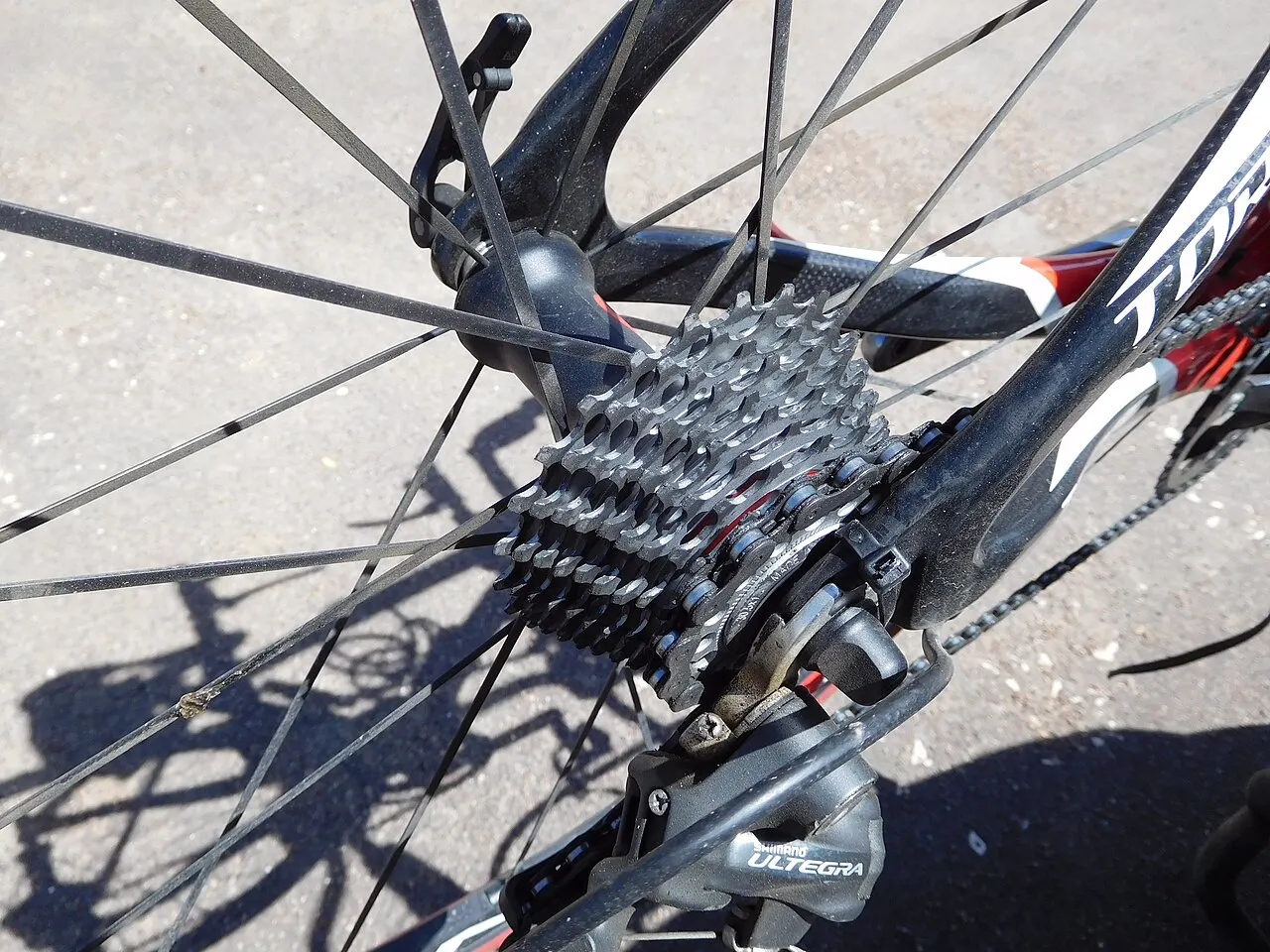
Record the trike make, revision, gearing components, wheel sizes and assistance. An upright axle arrangement or recumbent can place drive parts differently from a conventional bicycle. A hub gear on a visible wheel does not describe every stage between pedals and driven wheels. Ask the maker or dealer to explain the actual power path.
Identify the exact hub or derailleur family and controls. A twist shifter, trigger, bar-end control or electronic arrangement can require different access and operation. Do not assume a brand name establishes the whole installation. Keep component identities and current instructions together for purchasing and future service.
For a used trike, obtain replacement and modification history. An original specification may not match fitted sprockets, chainring, wheel or control. A seller's claim of fourteen or twenty-seven speeds is incomplete if the actual parts cannot be identified. Keep that uncertainty visible before relying on a gear-range comparison.
Gear count tells you how many selections are described. Range concerns the relationship between lowest and highest ratios, and step size concerns the differences between adjacent choices. These are different pieces of information. More selections do not automatically provide a lower climbing ratio or a more practical change between your ordinary cruising choices.
A simple illustrative ratio range can be expressed as highest effective ratio divided by lowest, multiplied by one hundred. If the defined values were 4 and 1, the range would be 400 percent. Those values are arithmetic examples, not trike recommendations. To compare actual vehicles, use the maker's complete gearing data and the relevant wheel and drive configuration.
Multi-chainring derailleur arrangements can include overlapping combinations, so a product of front and rear counts is not a complete explanation of useful progression. Do not rank the trike by the largest marketing number. Ask which ratios and permitted selections support your intended route and operating routine.
Wheel size and drive arrangement matter to interpreting how far the vehicle moves for a given pedal input. A chainring or rear-sprocket number alone is not the complete comparison between differently configured trikes. Obtain consistent manufacturer data or suitable dealer explanation rather than mixing definitions from unrelated specification tables.
Describe the route, load and starting conditions to the dealer. A hill requirement can involve restarting, sustained effort, braking on return and surface suitability as well as a low ratio. Do not assume a favorable gearing figure certifies the complete climb. The gradient and elevation guide explains route information without assigning capability.
Assistance is another distinct part of the system. The motor-architecture guide explains why the power path matters. A motor does not make every gear selection appropriate under every condition. Follow the exact shifting and load guidance for the installed combination.
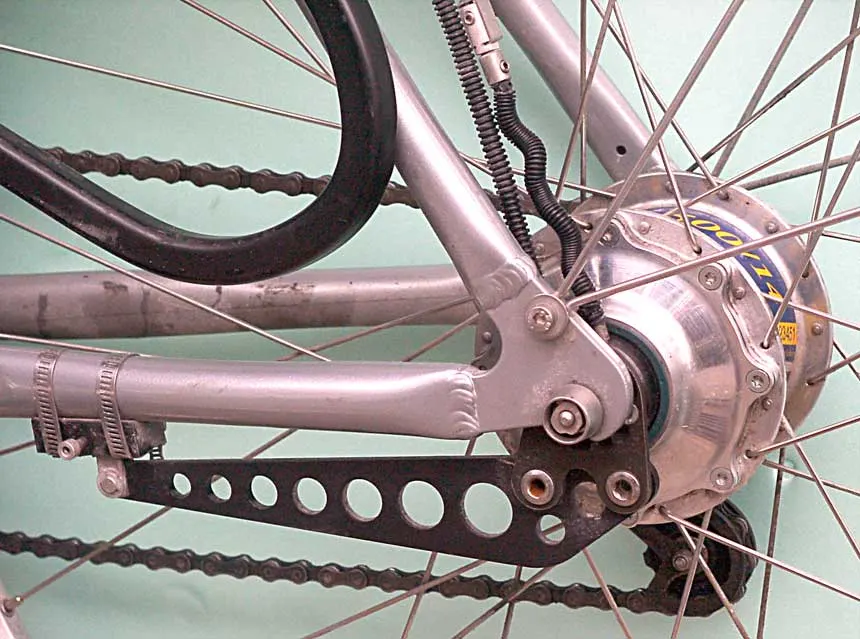
Different systems have specific instructions about rider input, shifting conditions and controls. Do not apply a blanket rule that every hub can shift under every load or that every derailleur uses the same sequence. Rohloff's handbook, for example, provides operation separately from maintenance and assembly for its named system. It is not a manual for all internal hubs.
Have a dealer explain the fitted controls and permitted operation, then practice appropriately with the actual configuration. Record which mode or adaptation was demonstrated. A short trial is useful for practical access and familiarity, but it does not test long-term shifting performance or prove suitability for every hill.
If a system responds abnormally, seek assessment rather than applying more force or shifting repeatedly to make it engage. Describe the observation and recent work accurately. The chain-skipping guide shows how to keep symptom language separate from diagnosis on an actual drivetrain.
Use the intended seat position, shoes, gloves and accessories. Verify through the dealer's and maker's instructions that the control can be operated without interference or an awkward reach. Touching a button or shifter is not the same as completing its intended movement reliably. A recumbent's control orientation can differ significantly from an upright demonstration photograph.
If a different grip or control position is proposed, confirm the complete fit. The grip and bar-end guide in this batch covers shared handlebar space. A solution for one control should not reduce brake access or create another clearance issue.
For an adaptation, obtain the approved component combination and suitable fitting or instruction. A one-hand arrangement or electronic system needs its own documentation and support. This article does not determine clinical suitability or certify a modification. Compare the exact practical task rather than a broad claim that one gearing type is easier for every senior.
An enclosed gear mechanism still has manufacturer maintenance requirements. Do not translate low maintenance into no inspection, service or external component care. The hub, shifter, cables or electronics, chain or belt and wheel attachment each have their own tasks. Use the actual schedule and products rather than an interval copied from another brand.
A derailleur arrangement also needs its specified condition checks, wear assessment, adjustment and replacement procedures. Exposed parts can be easier to see, but visibility does not make every repair an appropriate owner task. Correct support, tools and component instructions remain important.
Ask a provider whether it supports the exact hub or derailleur and the trike's unusual layout. A shop may handle external chain work while referring internal mechanism work elsewhere. The service-provider guide helps define that boundary before a fault creates urgency.
A chain-driven hub system still needs the chain's own permitted routine. A belt arrangement needs its approved handling and tension checks. Those tasks do not replace servicing the gear mechanism. Keep the product identities and procedures separate so a familiar lubricant is not applied indiscriminately to an enclosed assembly.
Conversely, an internal service does not automatically inspect every external drivetrain part. Ask the provider to describe accepted scope and remaining concerns. A completed oil-service or adjustment entry should not silently resolve a damaged chain, control or wheel attachment outside the work.
The chain-care guide and belt comparison provide connected ownership context. They do not supply a universal hub fluid, quantity or maintenance interval. Use exact publisher guidance for those details and ask support when identity remains uncertain.

Ask how the actual wheel or axle arrangement is serviced and whether owner removal is permitted. Hub gearing can involve specific connections and retention, while a derailleur system has its own wheel and chain procedure. An electric motor or proprietary trike axle can add further requirements independent of the gearing category.
Do not copy a conventional quick-release procedure onto an unidentified three-wheel attachment. Carry compatible spares for tasks within your equipment and skills and retain a recovery plan for other problems. A versatile toolkit does not guarantee repair of every internal mechanism or proprietary part beside the road.
Keep the service contacts and component record accessible. A clear brief can help a provider decide whether it accepts the system before you transport the trike. Include width, weight and actual configuration, not only the gearing brand. Practical support belongs in the buying comparison as much as ratio range.
Changing from a derailleur to a hub gear or another system can affect frame or axle fit, wheel, drive components, controls, torque reaction, braking, assistance and other parts. Obtain an approved complete proposal rather than selecting a hub by speed count. This article supplies no retrofit procedure or universal compatibility claim.
Ask what functions and maintenance would change and which existing components remain. Obtain the exact installation and final-check scope, current quote and future parts route. A supported conversion can be practical where it solves a defined task; an undocumented mix should not be judged successful only because the wheel turns.
Compare the project with a properly serviced existing configuration and a supported complete vehicle. The ownership-cost guide helps include assembly and service rather than only parts price. Keep uncertainty about future availability visible instead of promising a lifetime supply.
Record exact system, control, complete ratio information, wheel setup, assistance, operation, maintenance, provider and unresolved issue. Mark whether information comes from a manual, maker reply, service report or trial. These answer different questions and should not be collapsed into one false performance score.
| Comparison | Useful evidence |
|---|---|
| Ratios | Consistent complete-system range and relevant low ratio |
| Controls | Actual fitted operation and practical access |
| Upkeep | Required external and internal service tasks |
| Support | Accepted system, parts and handling arrangement |
| Conversion | Complete approval and quoted installation scope |
Resolve essential control and compatibility requirements before preference. A favorable gear count does not compensate for an unsupported mechanism or an unsuitable operating routine. Among documented suitable configurations, service effort and practical feel can help decide.

Imagine one trike offers a supported hub system and another a derailleur with different controls and wheel dimensions. Ask for complete ratio information and the same intended route assessment. Have both demonstrated in the intended condition, then record control access and the actual configuration quoted for purchase.
If both satisfy essential tasks, compare local service, replacement components and routine effort. The result can favor either exact vehicle without becoming a universal ranking. If one still has an unresolved low-ratio, control or support question, address that before paying rather than assuming the larger number of speeds answers it.
Update fitted chainrings, sprockets, wheel, controls and system instructions after an approved change. A future provider should not rely on the original sales specification when the actual ratios or interface changed. Retain the service report and any revised operating routine.
The useful gearing comparison connects ratios, operation, fit and support. Hub versus derailleur is the beginning of that inquiry, not the complete conclusion. Choose the documented arrangement that supports the actual route and maintenance routine, and keep untested claims separate from those practical facts.

Ask each supplier for information describing the same complete task: the intended wheel configuration, lowest and highest usable ratios, relevant progression and operating restrictions. Do not place one system's gear count next to another system's ratio range and treat the larger number as better. The units and definitions should be identified before comparison, and any missing part should remain visible.
Where the maker supplies a complete calculation or table, retain the exact component combination. A later chainring, sprocket or wheel change can alter the relationship. Do not attach the original result to a modified vehicle automatically. A useful record makes the assumptions clear enough that a provider can identify which part needs reassessment.
Keep route suitability separate from arithmetic. A consistent ratio comparison can answer a specification question without proving a climb, descent or rider capability. Use the actual operating guidance and appropriate route information for that decision. This avoids the common shortcut of treating a low-looking ratio or large range as a complete approval for a demanding journey.
Have the actual controls introduced and the base fit established before judging ease of use. Note the grip, brake and assistance layout, intended clothing and any adaptation. A twist shifter's task can differ from a trigger or electronic control, but the exact fitted arrangement is the relevant evidence. Do not use a familiar control on another bike as proof of this trike's access.
If an approved adjustment is proposed, record what changed and repeat the affected stationary checks. A solution for shifting should not compromise braking or another required function. If the desired control version is unavailable for trial, mark it untested and ask what follow-up can establish suitability. Do not rank an unseen configuration as though it was demonstrated.
After the appointment, compare concrete observations rather than broad comfort labels. One control was operated through the intended routine; another required a difficult reach or still needs fitting. Those descriptions help the dealer address the actual task and keep preference distinct from compatibility. They also make the final purchase specification easier to match to the evidence collected.
Record exact mechanism, control, external drive parts, symptom and preceding work. Include the current manufacturer document and photographs useful for identity. Do not open an enclosed hub or apply an arbitrary fluid to test a theory. A service provider should establish the relevant inspection and accepted scope from accurate information.
Ask which work is completed locally and which requires a specialist route. A shop may handle the wheel and external chain while referring internal mechanism work. Clarify handling, estimates and communication so the vehicle does not move between providers without a clear remaining task. The broad statement that a shop services bicycles is not enough for every proprietary arrangement.
Keep the report's scope honest. A completed scheduled service does not automatically resolve an unrelated control or wheel concern. Confirm the status of each original observation and retain replacement identities and revised instructions. This gives the next assessment a current configuration instead of an incomplete memory of work done months earlier.
List the tasks repeated on the actual journey: starting, appropriate shifting, stopping, parking, cargo and returning the vehicle to storage. A gearing preference is useful only within that complete routine. A sophisticated mechanism can be practical with clear support, while a simpler documented configuration can also suit the owner well.
Include current service and replacement information without promising indefinite availability or a universal cost advantage. The quote should identify actual work and components. A hypothetical low maintenance label cannot substitute for a provider who accepts the installed system and a procedure the user can follow consistently.
Use the comparison to choose among supported suitable vehicles, not to justify an undocumented retrofit. If essential operation or compatibility remains unresolved, ask for the next evidence or choose another option. The useful conclusion explains which complete arrangement works for the task and why, rather than declaring every hub or derailleur superior in all contexts.
Research-based comparison. Ratio examples are arithmetic, not measured capability. No shifting, efficiency, durability or conversion testing was performed.
Guide
Choose your first adult tricycle by checking rider fit, storage, weight limits, gears, brakes, assembly, and service before buying.

Guide
Learn how to compare adult electric tricycles for control, fit, batteries, braking, transport, and ownership support.

Guide
Understand the leg and hip muscles used when pedaling a tricycle, plus how fit, resistance, and electric assistance change the effort.