



Guide
First Adult Tricycle Buying Guide
Choose your first adult tricycle by checking rider fit, storage, weight limits, gears, brakes, assembly, and service before buying.
We research everything we recommend. When you buy through our links, we may earn a commission. Learn more
Guide
Compare hub and mid-drive trikes through the actual power path, controls, gearing, route, energy plan, wheel work, and complete-system support.

Updated · 11 min read
A hub motor is located at a wheel hub, while a mid-drive is located around the crank area and commonly delivers assistance through the drivetrain. That basic distinction helps explain an electric tricycle's architecture, but it does not establish hill capability, traction, range, control, or serviceability on its own. The complete vehicle and its approved operating conditions matter more than the motor-category label.
Begin by identifying the exact system and which wheel or wheels receive power. Then compare the controls, gearing, intended route, load, and support arrangement. This guide covers the buying comparison. The electric-tricycle overview and drive-layout guide provide related vehicle-level context.

Ask the manufacturer or dealer to explain how pedal input and motor assistance reach the wheels. An upright delta trike can use a rear axle arrangement that differs from a conventional two-wheel bicycle, and a tadpole recumbent uses another layout. Do not infer that a rear motor means both rear wheels are driven or that every trike has the same differential.
Identify the motor, controller, battery, display, sensors, gearing, and relevant drive components. A motor brand may appear on many vehicles with different configurations. Its general product family does not establish the trike manufacturer's approved combination. Record the exact model and revision so future questions are about the installed system rather than a broad wattage number.
Bafang's motor-placement explanation distinguishes front, rear and mid locations. Use that as architecture context, not as approval of a particular trike or a guaranteed performance ranking. Complete-system claims need evidence from the actual vehicle maker. A supplier's description of a motor intended for bicycles does not resolve its installation in an unidentified three-wheel conversion.
Motor location and the way the system detects rider input are different questions. Ask which sensors and control modes the exact vehicle uses and how assistance is managed. Do not assume that every hub system responds identically or that every mid-drive has one particular feel. Software, setup, sensor arrangement, and operating mode can influence the actual behavior.
Learn the permitted startup, stopping, mode-change and throttle procedures where applicable. The pedal-assist and throttle guide addresses that routine. A specification table cannot show whether the controls are practical for your hands or whether the rider understands their operation. Those questions need appropriate instruction and a correctly set up trial.
Record the mode used during a demonstration. Comparing strong assistance on one trike with a different setting on another can produce a misleading impression of the architecture. If a system behaves abnormally, ask the dealer to assess it before drawing conclusions. A retail ride is not a controlled laboratory comparison of motors.
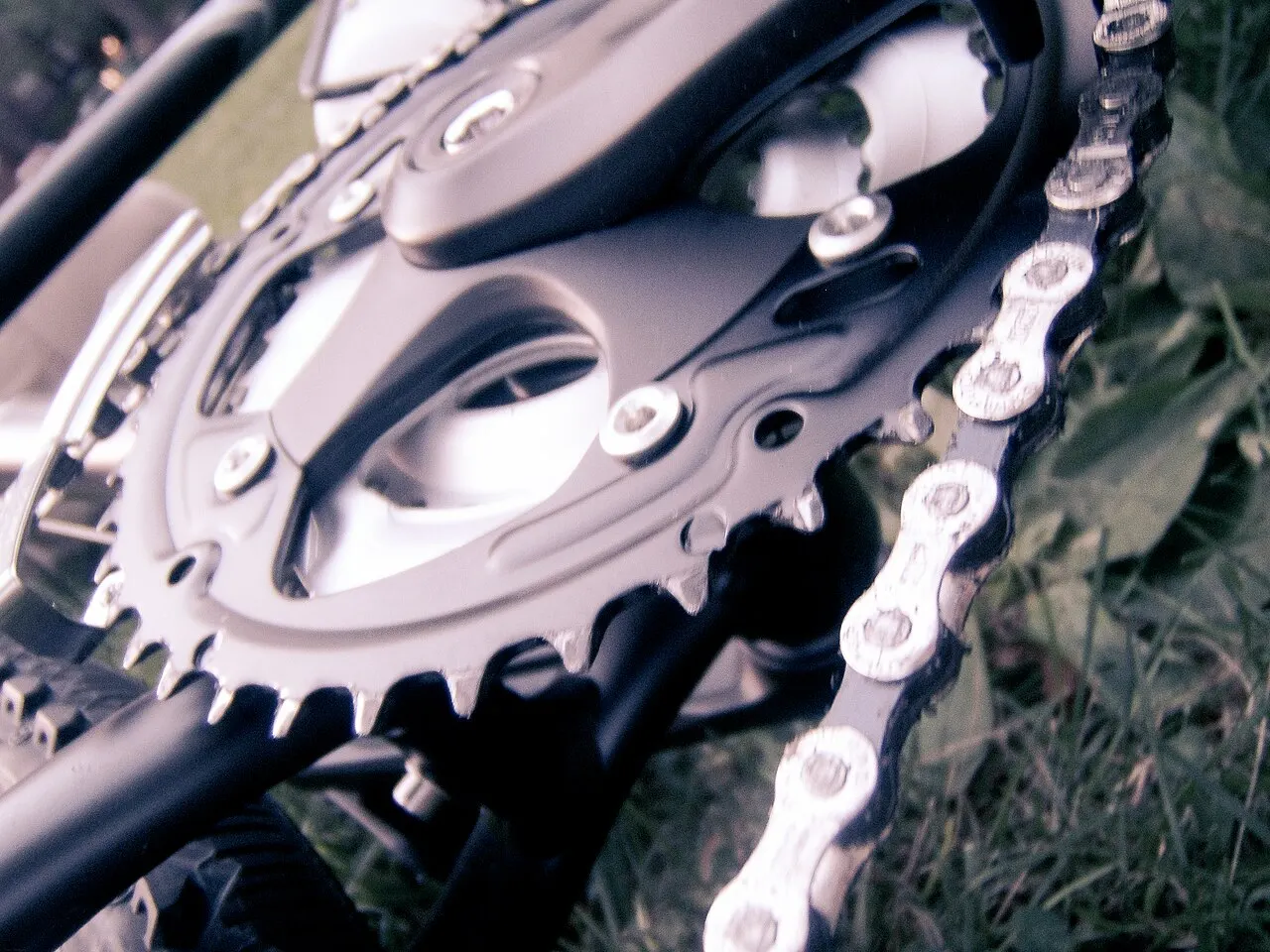
Where a mid-drive sends assistance through the drivetrain, the relationship between motor input and the selected gearing matters to operation and maintenance. Follow the exact maker's shifting and load guidance rather than applying a generic rule about spinning faster or using a particular gear. Do not deliberately shift under an unsupported condition to see whether the system tolerates it.
A hub-driven arrangement has its own relationship to the pedal drivetrain and wheel speed. It should not be described as independent of every mechanical condition on the vehicle. Wheels, brakes, axles, tires, and the installed control system still need proper condition and service. Ask the manufacturer to explain the specific power path and intended use.
The gears and hill-riding guide helps frame route questions without certifying a climb. If a seller claims exceptional hill capability, ask for the conditions behind the claim: actual model, load, surface, duration, operating procedure, and limitations. A motor category or peak number alone is insufficient evidence for your route.
Describe the intended route to the dealer with actual information where available. Include gradients, surface, stopping points, cargo, and whether the vehicle must restart on a slope. Do not ask only whether the trike can climb hills. A short demonstration on one incline does not establish suitability for a longer or differently loaded route.
Ask about operating limits, heat-related guidance, gearing, and what to do if assistance or control becomes abnormal. Follow the manufacturer's procedure rather than increasing assistance or forcing continued operation. An electric system does not remove the need for suitable braking, route clearance, and a realistic exit plan.
Do not extrapolate torque ratings directly into a ranking across different complete vehicles. The measurement basis, gearing, wheel arrangement, controller limits, and intended use can differ. This article does not normalize those specifications or provide measured climb performance. Keep the comparison focused on documented capability and the actual ownership task.
Which wheels receive power is relevant, but it does not guarantee grip on every surface. Tire setup, load placement, surface condition, and vehicle design remain important. Do not add ballast, alter tires, or change a drive setting as an improvised traction fix. Use the approved configuration and the maker's route restrictions.
An upright three-wheel layout should not be confused with an automobile drivetrain just because it uses an axle or differential. Ask what the actual parts do and how they are serviced. The drive-layout guide explains why visible paired wheels do not establish one universal powered-wheel arrangement. A marketing phrase such as all-terrain does not approve every surface or maneuver.
If your route includes loose or unusual surfaces, obtain a specific answer from the vehicle maker and assess local access rules. The tread-selection guide in this batch covers a separate tire decision. Suitable tires do not convert an unapproved route into a permitted use of the trike.

Battery capacity, route, load, speed, assistance, weather, tires, and system operation can affect the practical energy plan. Do not declare that every mid-drive or every hub system has greater range from the category alone. Ask for the actual battery and vehicle information, and retain the conditions behind any published estimate.
The range and route-planning guide explains how to prepare a trip with uncertainty visible. A short demo and its display reading do not establish your loaded route distance. A larger nominal battery is also not permission to complete a route where control or operating conditions are unsuitable.
If a spare battery is part of the ownership plan, confirm compatibility, permitted handling, and any allowed changeover procedure. The replacement-battery guide covers procurement rather than normal charging. Motor location does not answer which battery or charger is approved.
A motor-containing wheel can have electrical connections and specific retention requirements. Ask who can perform tire or wheel service on the exact configuration and whether owner removal is permitted. Do not copy a conventional bicycle procedure onto a motor wheel, proprietary axle, or recumbent attachment. A puncture plan needs the whole removal and support process.
A mid-drive also has its own service requirements and connected drivetrain tasks. Motor location is not a guarantee that all routine work is easy at home. Identify the required tools, instructions, and provider for the actual system. The repair-shop guide helps establish capability before a fault occurs.
Compare parts access and diagnostics. A nearby shop might maintain the mechanical vehicle while declining the electrical system. Clarify whether the vehicle maker, motor-system provider, and local dealer have a workable support route. Keep those roles separate so an electrical problem does not become an unresolved handoff between providers.
Changing motor architecture is not a simple accessory swap. It can affect frame compatibility, wheel or axle equipment, controls, wiring, battery, gearing, brakes, and vehicle classification. Obtain a complete approved proposal and installation scope rather than combining a motor kit with an unidentified frame. This guide does not authorize a conversion.
The conversion-versus-new-trike guide addresses that broader decision. Compare the complete project with a supported factory configuration, including service, parts, and legal operation in the intended location. An inexpensive kit price does not represent the total cost of making an appropriate complete system.
For a used electric trike, document any changes from the original specification. Ask for component identity and installation records. If those are missing, keep compatibility and support uncertainty visible before purchase. A familiar motor label does not prove that the rest of the conversion is sound or supported.

Record the complete trike, motor model, powered-wheel path, controls, battery, gearing, route restrictions, service provider, and unresolved questions. Mark whether an answer came from a manufacturer document, dealer reply, or trial observation. Do not translate unverified specifications into a single capability score.
| Item | Useful evidence |
|---|---|
| Architecture | Exact motor and path to the driven wheels |
| Controls | Actual modes, input sensing and operating instructions |
| Route | Intended use, limits and conditions behind capability claims |
| Energy | Battery identity and realistic trip-planning information |
| Support | Accepted system, parts access and diagnostic route |
Resolve essential tasks first. If a model cannot be operated reliably or supported where you intend to own it, a favorable power figure should not erase that issue. Among suitable documented options, compare preference, service effort, configuration and current quotes.
Imagine one buyer considers a hub-driven upright trike and a mid-drive recumbent. The models differ in far more than motor location: entry, seat position, width, cargo, controls, and transport. Use the exact configurations and the test-ride guide to compare those tasks. Do not attribute every difference during the trial to the motors.
Ask each dealer about the same intended route and load, then record the evidence and limits. A useful conclusion is that one complete vehicle supports the buyer's routine with a practical service plan. It is not that one architecture is universally best for seniors, hills, or groceries. Those broad claims discard the configuration details that made the choice workable.
After purchase or approved work, retain model identities, manuals, service contacts, and any component changes. Reassess the connected system when a battery, tire, controller, display, or drivetrain part changes. A previous configuration answer may not transfer unchanged. Accurate records help future service begin with the installed equipment.
The architecture comparison is most useful when it leads to concrete questions about operation, route, load, energy and support. Locate the motor, trace the power path, and compare the complete ownership routine. That produces a more defensible decision than choosing by one category or advertised number.

Write down the actual published figure and its definition before comparing it with another model. A nominal power, peak power, motor torque or vehicle capability claim can describe different things. If the basis is unclear, ask the seller or maker instead of putting the numbers into one ranking. A specification that looks larger may not answer your low-speed control, load, route or support requirement. Keep the claim attached to its source and complete vehicle configuration.
Ask what the system is intended to do under the conditions relevant to your trip. That might be a documented route limitation, a required operating routine or a supported battery choice. You do not need to turn a purchasing inquiry into an engineering test, but you do need enough information to avoid treating an isolated motor number as a complete vehicle guarantee. If the seller cannot establish the conditions behind a claim, mark that evidence gap rather than filling it with an assumption.
Keep preference separate from capability. A rider may like the demonstrated response of one exact system, while another vehicle offers a more practical entry, cargo or service routine. Those observations can all matter without proving a universal architecture winner. Record the actual mode and setup so future comparison remains understandable. A complete purchase decision can favor one configuration because several tasks align, not because a motor category must dominate every part of ownership.
Ask the dealer to identify where pedal input travels, where motor assistance enters, and which wheel or wheels are driven. Record the explanation using the actual component names supplied. A short written sequence is sufficient; it should not invent a differential, clutch or gearing stage that has not been identified. This makes later questions about wheel service, chain work and operating behavior easier to direct to the correct provider.
Add the parts that interact with ordinary service: the relevant wheel attachment, motor connection, drivetrain, controls and battery. Identify which tasks the owner may perform and which belong to a shop or system specialist. A puncture can involve a different routine from a drivetrain concern, even on the same trike. The architecture sketch is useful because it separates those paths rather than describing the whole vehicle as simply an electric bike.
Update the sketch after approved work or a component change. If the vehicle has been converted, include who installed the system and which documentation supports it. A future provider should not need to infer the current power path from the original frame's model name. Clear records can also reveal when a proposed replacement affects more than one part of the system, prompting a complete compatibility inquiry instead of a convenient isolated purchase.
List the tasks you expect to need, such as tire service, prescribed mechanical inspection, electrical diagnostics and approved replacement parts. Ask each relevant provider which exact tasks and system it accepts. A motor brand's general network does not guarantee a nearby shop supports your vehicle's complete installation. Establish the practical contact and handling arrangements before relying on them, especially where transporting a wide trike is a significant recurring effort.
Include the time and cost of transport, appointments and parts identification in the comparison. Obtain current direct information rather than predicting that one architecture always costs less to maintain. A supported system farther away can still be practical, while a nearby provider may be enough for routine mechanical work with a separate specialist for electrical faults. The useful arrangement is specific and reviewable, not a vague promise of easy service.
Before buying, ask what happens when the vehicle or system revision changes and how approved parts are identified. Keep the current manuals, support answer and configuration with the purchase record. No maker can be assumed to supply every part indefinitely, so avoid treating future availability as guaranteed. You can nevertheless compare the clarity of today's support route and the known ownership tasks, leaving future uncertainty visible rather than choosing only by motor placement.
Research-based comparison. No range, traction, torque normalization, hill climb, motor efficiency, or conversion testing was performed.
Guide
Choose your first adult tricycle by checking rider fit, storage, weight limits, gears, brakes, assembly, and service before buying.

Guide
Learn how to compare adult electric tricycles for control, fit, batteries, braking, transport, and ownership support.

Guide
Understand the leg and hip muscles used when pedaling a tricycle, plus how fit, resistance, and electric assistance change the effort.