



Guide
First Adult Tricycle Buying Guide
Choose your first adult tricycle by checking rider fit, storage, weight limits, gears, brakes, assembly, and service before buying.
We research everything we recommend. When you buy through our links, we may earn a commission. Learn more
Guide
Compare trike belt and chain systems through complete compatibility, gearing, care, tension methods, replacements, support and realistic ownership costs.

Updated · 12 min read
A belt drive can reduce some routine drivetrain tasks, but it is a complete compatible system rather than a chain replacement chosen by length alone. The frame, sprockets, alignment, tension, gearing and intended vehicle use need to work together. A chain system has its own compatibility and service requirements. The useful comparison is which documented arrangement suits your route, upkeep and parts support.
Start with the exact trike configuration. This article explains buying and ownership questions without teaching a conversion or supplying a universal tension. The drive-layout guide describes the broader power path; the chain-care guide covers normal chain maintenance.
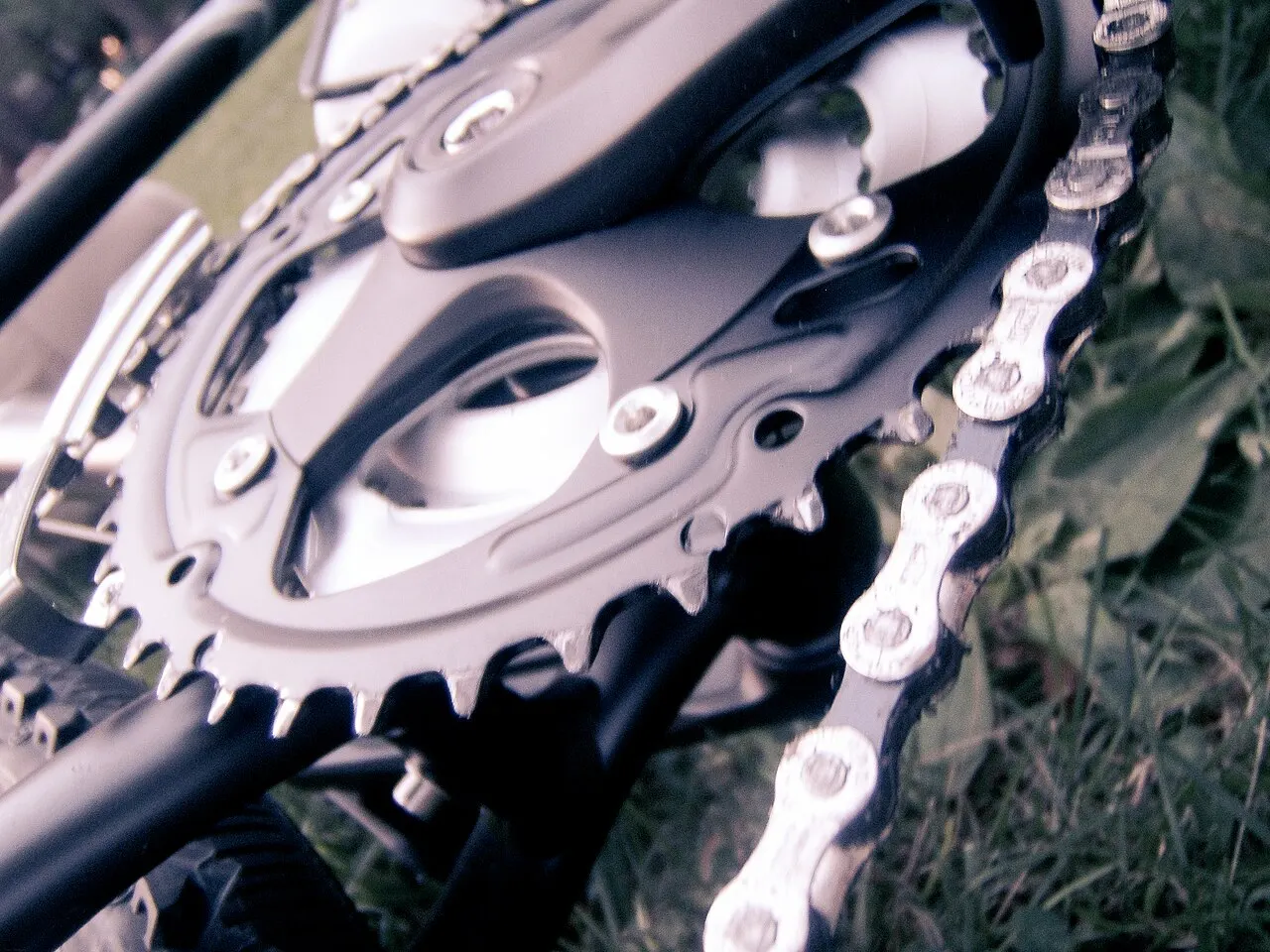
Record the trike model, year or revision, front and rear drive components, gearing and assistance where fitted. An upright delta can use an axle arrangement unlike a conventional bicycle, while a recumbent can have a long route and idlers. Do not assume a product marketed for bicycles is compatible with every three-wheel power path.
For a belt-equipped vehicle, identify the actual belt and sprocket family rather than only the brand. Keep the manufacturer instructions for the installed system. A visibly similar replacement can have another specification. For a chain-equipped vehicle, record the chain design, connection and gearing. Neither arrangement should be described solely by the number of visible teeth.
If the vehicle was bought used, ask about replacements and modifications. The original model specification may no longer identify the installed drivetrain. Obtain photographs and records without dismantling unfamiliar parts. A clear current inventory makes service and replacement questions easier than relying on a seller's broad description of a low-maintenance trike.
Belt versus chain describes one part of transmitting drive. The gearing system is a related but distinct choice. A hub gear or gearbox can appear in an approved belt arrangement, while a chain can also work with several gearing designs. Do not assume that belt automatically means one gear or that every chain system uses a derailleur.
The hub-gears versus derailleur guide in this batch explains that separate comparison. Ask the dealer to identify the actual ratios, controls and operating instructions. A large gear count does not establish the lowest usable ratio or the task of starting on your intended route.
On an assisted model, identify how motor input reaches the wheels and which drivetrain combinations are approved. The motor-architecture guide provides context. A compatible belt on one motor system does not establish a conversion answer for another. Keep the complete vehicle configuration attached to every claim.
Gates describes its bicycle belt systems as lubrication-free and directs owners to the complete manual for handling and tension. That can be a useful ownership feature where the installed system is approved. It does not make the entire trike maintenance-free. Wheels, brakes, bearings, controls, gearing and the belt's own condition still need their prescribed care.
A chain generally has its specified cleaning, lubrication and wear routine. The actual work depends on the system, use and component guidance. Do not compare a well-kept belt with a neglected chain and call the difference a controlled test. Compare the tasks you will perform, the supplies needed and the provider available for work outside owner scope.
Keep care products separate. A chain lubricant is not automatically suitable for a belt or its contact surfaces. Use only the belt maker's permitted cleaning and handling method. The washing guide explains organizing supplies without expanding any component's permissions. A familiar bicycle product label does not resolve every material compatibility question.
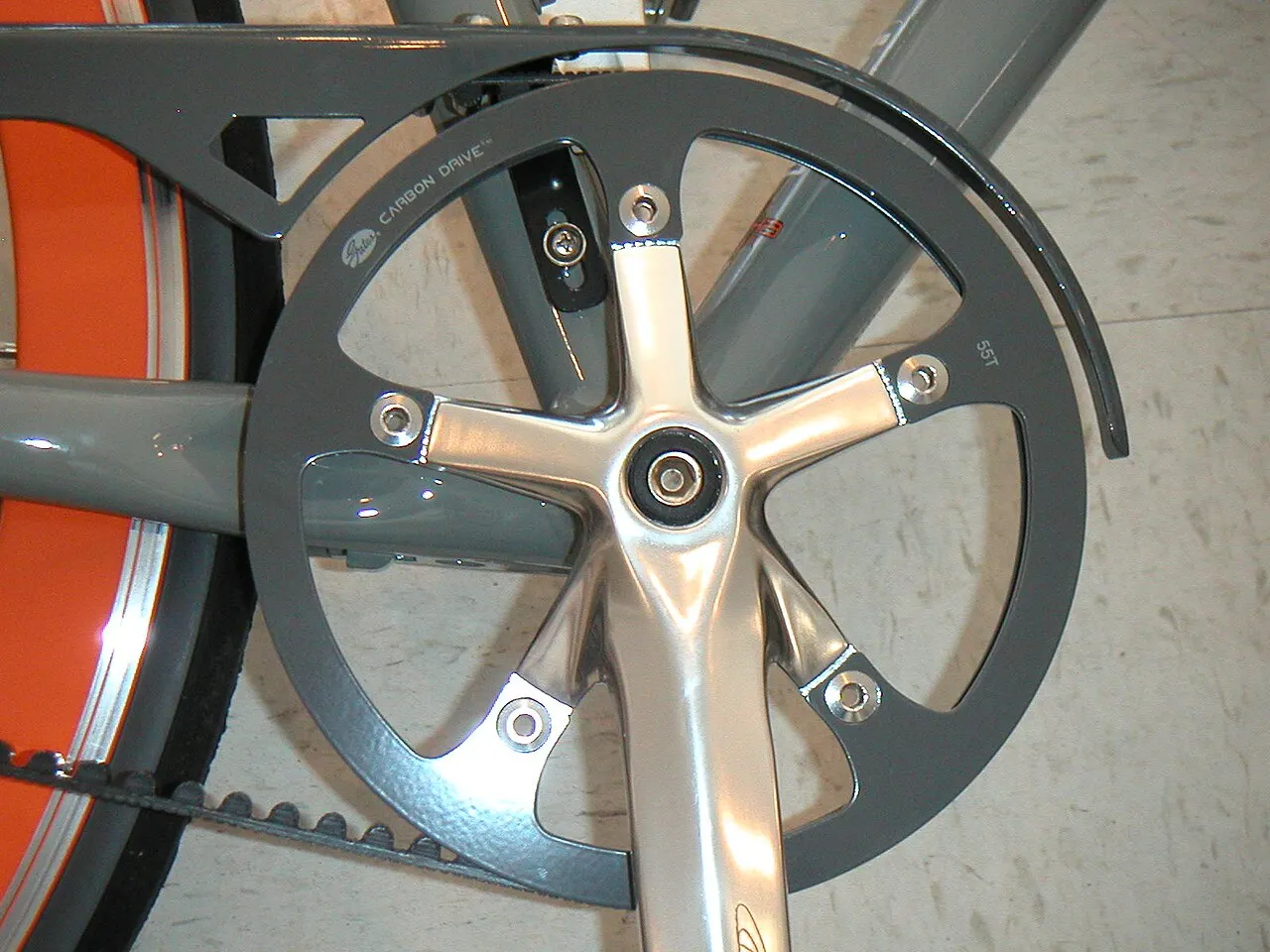
Use the exact vehicle and belt instructions for how the system is checked and serviced. Do not press the belt with a thumb and translate the feeling into a universal correct setting. Different approved arrangements can require different procedures and tools. A tension reading is meaningful only when its method, system and required condition are known.
Alignment is also a complete-system question. A belt that appears centered while stationary is not proof of correct assembly or component condition. If the maker's checks cannot be completed or operation is abnormal, obtain appropriate service. Do not adjust a proprietary axle or move sprockets by guesswork to make the appearance reassuring.
Chain tension or routing similarly depends on the actual design. A single-speed arrangement, derailleur, hub gear and recumbent routing can use different methods. This article does not supply one tightening or chain-length formula. Record the applicable procedure and stop when the task exceeds your equipment or skills.
A belt conversion can involve frame accommodation, approved adjustment range, sprockets, gearing and other parts. It is not established by finding a belt that seems to span the distance. Ask the vehicle and system makers whether a supported complete arrangement exists. Do not cut, modify or add an opening to a frame as a home response to an unresolved fit question.
Read the supplied instructions and installation scope before buying parts. A supplier may discuss a particular frame or factory configuration that does not apply to yours. Keep model and revision exclusions visible. If the current record cannot establish approval, compare supported alternatives rather than treating uncertainty as permission to experiment.
The repair-shop guide helps establish a provider for the actual system. Ask whether it can identify parts, perform the required method and document the resulting arrangement. General bicycle experience is valuable, but the installed trike and proprietary drive components remain specific service questions.
Ask how the exact belt, sprockets or chain and connection parts are obtained. A readily available-looking product is not necessarily the specified replacement. Record part references and current supplier information. Do not promise that either technology will always be available locally or can always be repaired beside the road.
Establish the manufacturer-approved response to damage or abnormal operation. A belt and chain can require different handling and replacement work, but the complete trike's support and wheel arrangement also matter. Carry only compatible supplies for tasks within owner scope and retain a realistic recovery plan for everything else.
Do not deliberately ride a damaged component to see whether it lasts until home. Follow stop-use guidance and obtain the appropriate next step. The chain-skipping guide demonstrates how to describe an abnormal chain event without guessing a repair; a belt concern needs its own system-specific assessment.

A maker can describe benefits such as reduced lubrication tasks or durability under defined use. Do not turn those statements into a tested life, range, noise or efficiency ranking for your trike. This article contains no original measurement of those outcomes. Keep the exact product and conditions with any evidence used in a buying comparison.
If quietness or cleanliness matters, describe the practical task rather than diagnosing every sound or mark as a chain problem. An abnormal noise can come from another component, and a protective system does not eliminate loose-clothing preparation. The clothing-clearance guide addresses the complete rider arrangement.
For route suitability, use the actual vehicle guidance and gearing. A belt does not authorize a surface, gradient or load the trike does not support. The gradient-planning guide explains interpreting route information separately from equipment capability. A drivetrain category cannot approve a trip on its own.
Obtain current quotes for the complete vehicle or supported project, installation, replacement parts and required service. Do not compare a chain's unit price with a belt-equipped trike's purchase price as though they are equivalent options. A conversion proposal can include substantially more than the visible drive component.
List recurring owner tasks and outside service. A lubrication-free belt can suit an owner who prefers that routine and has clear support. A documented chain system can also be practical where parts and service are accessible. The decision should explain your actual maintenance arrangement, not declare one system universally cheaper or easier.
Avoid forecasting savings from an invented replacement interval. Use manufacturer requirements, current quotes and your own documented history as context, leaving future condition uncertain. A higher initial cost may or may not be worthwhile for the user's task. The evidence should make that tradeoff understandable without a fabricated total-cost calculation.
Record the exact drivetrain, gearing, assistance, frame approval, tension method, care, replacement route, provider and unresolved questions. Mark the source of each answer: current manual, maker reply, service report or observation. Those categories establish different parts of the choice.
| Question | Information needed |
|---|---|
| Complete fit | Approved frame, belt/chain components and gearing |
| Operation | Exact controls, route restrictions and power path |
| Maintenance | Permitted care and specified checking method |
| Support | Accepted system and replacement part identities |
| Cost | Complete current quote and known recurring tasks |
Resolve essential compatibility and operation before comparing preference. A favorable maintenance claim cannot erase an unsupported frame or an unmanageable control layout. Among suitable documented options, the routine and support can help choose the better ownership arrangement.

Imagine an owner likes the idea of less routine lubrication and asks whether an existing chain trike can become belt-driven. Provide the exact frame and drive configuration to the manufacturer and ask for supported options. Do not begin by ordering a generic kit or modifying the frame to suit the product.
If an approved proposal exists, obtain the complete parts, installation and future maintenance scope. Compare that with retaining a properly serviced chain system and with a supported factory vehicle. If no supported arrangement exists, the practical decision is to preserve that boundary rather than making a trial installation and judging success by one ride.
Retain current parts, instructions and service history, updating them after approved changes. A replacement or conversion should not leave the vehicle described only by its original specification. Give future providers the actual arrangement and any unresolved issue. This reduces repeated identification work and keeps maintenance decisions tied to the present system.
A good belt-versus-chain decision connects compatibility, gearing, care, support and route use. The visible drive component is only the beginning. Choose the documented arrangement you can operate and maintain consistently, and keep untested performance claims separate from that practical conclusion.

For each supported configuration, list the required inspections, permitted cleaning tasks and outside service separately. Keep the source document and revision beside the entry. Do not create a generic monthly schedule and call it the manufacturer's maintenance plan. A belt can remove a lubrication task while retaining its own condition and tension requirements, and the rest of the vehicle still has brake, wheel, control and gearing work.
Include how the task is performed, not only its frequency. A simple-looking check can need a particular method or access that is awkward in your storage space. If a service provider completes it, obtain the actual accepted scope and current quote. Comparing the calendar makes the recurring routine visible without predicting durability or pretending that one technology needs no attention.
Keep condition-based responses separate from scheduled work. A damaged component or abnormal operation can require assessment before the next calendar entry. Do not delay a concern because the planned service is several weeks away, and do not treat a recently completed inspection as proof that a new event is harmless. This distinction makes maintenance practical rather than a checklist that overrides present evidence.
Imagine a belt-equipped upright and a chain-driven recumbent both appear on a shortlist. Their differences include entry, seating, width, gearing, controls, cargo and support. Record those tasks alongside the drive technology. A pleasant trial on one should not be explained entirely by the belt or chain, because the complete configuration changed at the same time.
Ask the dealer to provide the exact proposed specification and identify any difference from the demo. If the quotation uses another gearing option or accessory, reassess the affected task. The useful outcome is a documented configuration that meets your routine. It should not become a category-level claim that belts create comfort or chains create difficulty for every rider.
If both vehicles satisfy essential requirements, compare the real upkeep and parts arrangements. One owner may prefer a supported lubrication-free system; another may value familiar chain service and accessible replacements. Those preferences do not alter compatibility requirements. The final explanation can connect the choice to the user's routine without claiming a measured performance superiority that was never tested.
Keep the exact belt or chain identity, connected sprockets, gearing and relevant installation instructions with the vehicle. A clear reference can save time when a part becomes damaged or unavailable. Do not rely solely on a photograph or the original model name, especially after approved work changed the configuration. Replacement inquiries should describe what is fitted now.
Ask what a proposed alternative would change. An approved substitute may have another installation or service requirement, while an unverified visual match remains unresolved. Retain the maker's answer and update the record after work. A new component should not silently inherit the old compatibility conclusion merely because it occupies a similar position.
Include the recovery plan where replacement cannot be completed within owner scope. A belt or chain purchase is not the whole roadside solution on a wide trike with proprietary drive parts. Knowing whom to contact and how the vehicle can be recovered makes the maintenance comparison concrete rather than assuming a spare component guarantees an immediate repair.
Describe the supported scenario, exact configuration and source of the maintenance distinction. Separate maker descriptions from owner preference and original testing. A reader deciding whether to buy needs compatibility and service context, not a life multiplier copied without its conditions. This article does not convert the manufacturer's broad marketing into a guaranteed outcome on a specific trike.
Explain what remains unknown, such as future parts availability or the result on an untested route, without replacing the whole article with a disclaimer. The practical value is the worksheet and ownership comparison that resolve known tasks. A narrow conclusion can still be useful: this documented system fits a particular routine and support arrangement.
Recheck time-sensitive product information before a future Best page or purchase destination is added. The informational framework can remain useful while listings and supported revisions change. Keep editorial sources intact and validate the actual buying link separately. That preserves the distinction between explaining a system and recommending a currently available complete product.
Research-based ownership comparison. No conversion, tension, efficiency, life or noise test was performed. Older Gates resource URLs redirected to the current hub; no unseen manual setting is prescribed.
Guide
Choose your first adult tricycle by checking rider fit, storage, weight limits, gears, brakes, assembly, and service before buying.

Guide
Learn how to compare adult electric tricycles for control, fit, batteries, braking, transport, and ownership support.

Guide
Understand the leg and hip muscles used when pedaling a tricycle, plus how fit, resistance, and electric assistance change the effort.