



Guide
First Adult Tricycle Buying Guide
Choose your first adult tricycle by checking rider fit, storage, weight limits, gears, brakes, assembly, and service before buying.
We research everything we recommend. When you buy through our links, we may earn a commission. Learn more
Guide
Check trike clothing, shoes, laces, guards, pockets, and outer layers for moving-part clearance, pedal compatibility, and control access.

Updated · 12 min read
Clothing for an adult tricycle needs to work with the actual riding position and moving parts. The useful questions are practical: can loose fabric or a lace reach the drivetrain or wheels, can you operate the controls, can you mount and dismount through the intended routine, and is the equipment appropriate for the route and conditions? A garment marketed for cycling does not automatically answer every question.
Start with the trike instructions and the configuration you use. An upright model and a recumbent can place clothing, feet, and accessories near different components. This guide organizes stationary preparation and purchasing checks. It does not replace the helmet-fit guide or the exact pedal and foot-retention instructions.

Look at the drivetrain, wheels, pedals, steering, brakes, and any accessory near the rider. Use the manufacturer's guidance to identify required clearance and protection. A rear basket can bring bag straps into the wheel area, while a recumbent can place pockets or fabric near a longer chain route. Do not assume that the familiar hazard is only the right trouser leg beside a conventional chainring.
Inspect the actual garment while the trike is secured appropriately and the rider is in the normal position. Include hems, drawstrings, cuffs, scarves, jacket tails, straps, and loose items in pockets. Do not perform a moving-wheel experiment to see whether something catches. If the layout cannot be assessed confidently, ask the dealer or manufacturer for the suitable preparation rather than testing entanglement during a ride.
General official bicycle-safety guidance warns about loose items reaching moving parts. Apply that principle to the complete trike envelope, while the model instructions establish the intended routine. A garment that clears a parked chain can still move when posture changes, mounting begins, or a pocket is opened. Consider the permitted motions, not just one photograph of the rider sitting still.
If the instructions call for securing a trouser leg or another loose item, use a suitable method that stays clear of moving parts and does not interfere with the rider. A band, tuck, or garment feature must be appropriate to the actual clothing and task. Do not use an arbitrary tie whose loose end creates another entanglement possibility. Check that the arrangement remains practical for entry, exit, and normal control operation.
Avoid relying on a temporary fold that immediately loosens. If you cannot keep the fabric in the intended position, choose a more suitable garment or obtain an approved alternative. An outfit that requires repeated adjustment while moving is a poor fit for the routine. Make those adjustments before departure and at a safe stationary stop when needed.
For a shared or adapted trike, explain the preparation to the person helping with clothing or mounting. They need to know which parts must remain clear and what the rider can comfortably manage. Do not assume that another person will notice a newly hanging drawstring after you have entered the seat. A simple consistent check is more useful than an elaborate outfit that depends on perfect attention to many loose pieces.
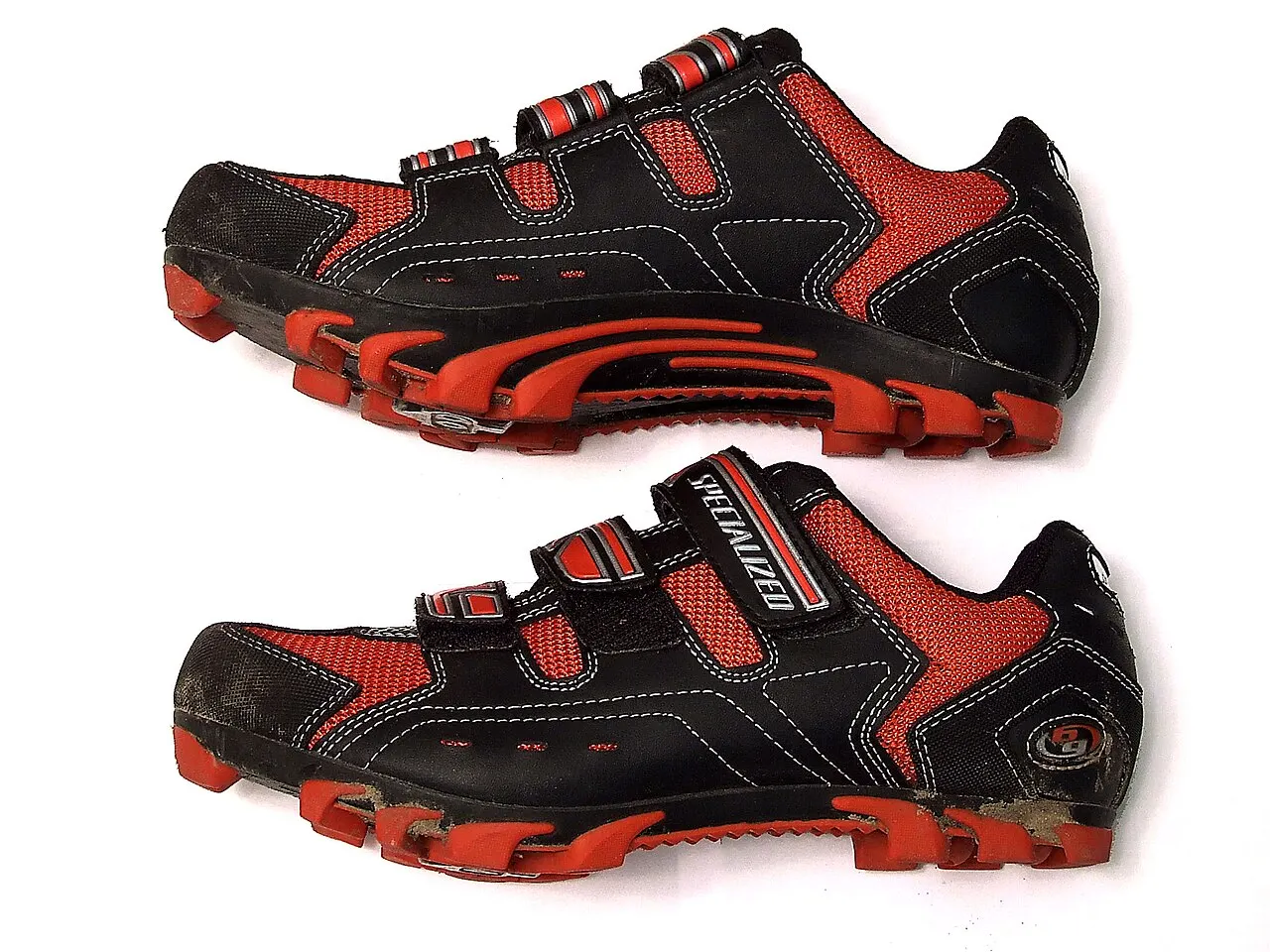
Identify the actual pedal and its required footwear or retention arrangement. A shoe with suitable walking comfort may not work with a particular pedal interface, and a cycling shoe may not suit the entry routine or intended platform. Read the pedal and trike instructions together. Confirm the required engagement and release procedure where applicable before choosing shoes by brand or appearance.
Secure laces and other loose closures through the footwear's appropriate method, keeping them clear of moving parts. Do not allow a long lace loop to hang near the chain, crank, or wheel. If a closure cannot be secured reliably, choose a more suitable option rather than repeatedly checking it while riding. Inspect footwear condition and the parts that interact with the pedal, not only the upper fabric.
Recumbent foot-retention needs are a separate safety and compatibility question. The pedal and foot-retention guide explains why the exact system and instructions matter. Do not improvise straps or treat any enclosed shoe as a substitute for a required arrangement. Practice the permitted operation with appropriate supervision and a secured vehicle before moving.

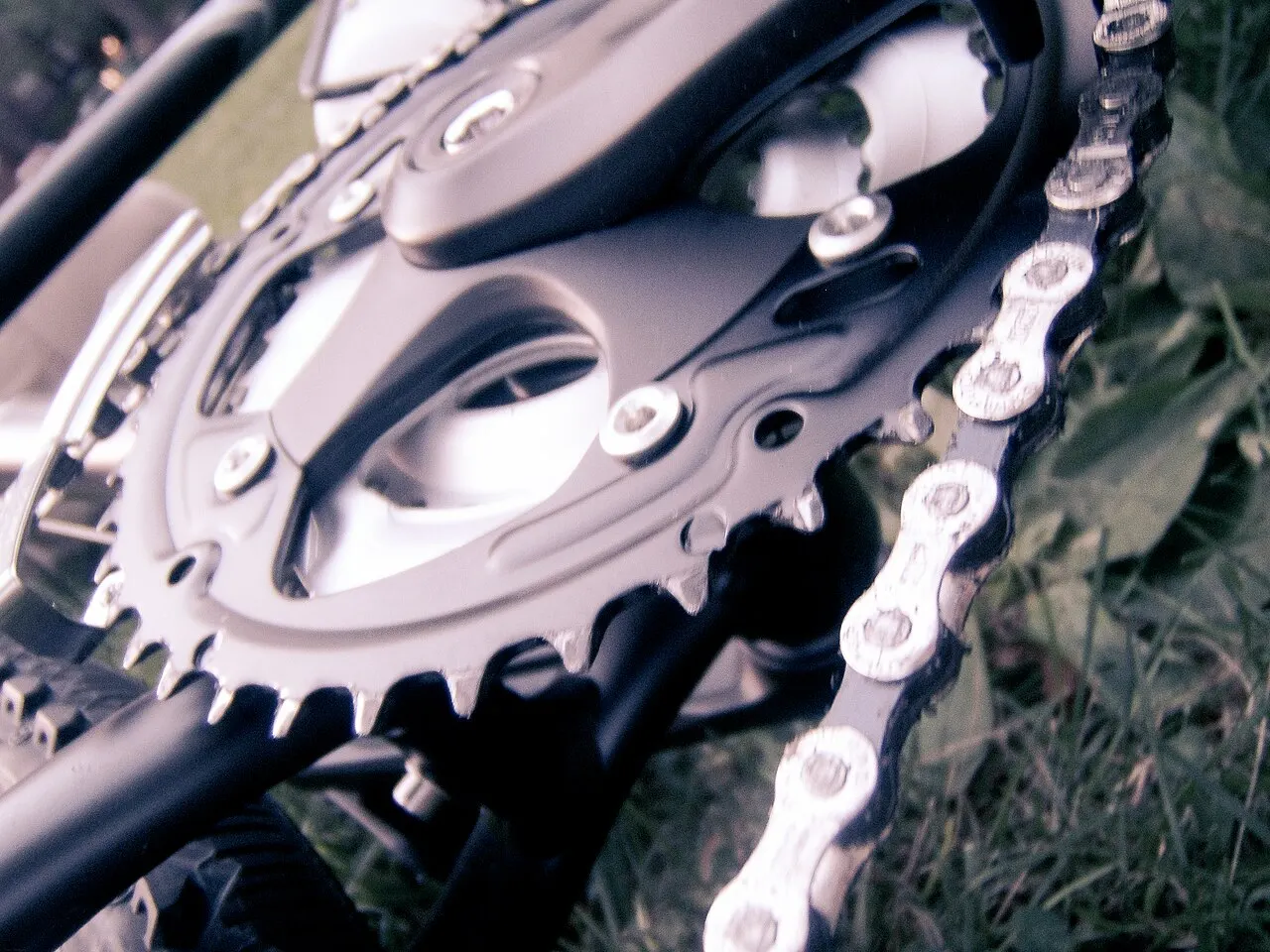
A chain guard or protective tube has a defined role in the manufacturer's assembly. It can reduce some contact with the drivetrain, but its presence does not prove that every loose garment or strap is safe. Different guards cover different areas. Inspect the installed part's condition and follow the clothing guidance even where the chain appears partly enclosed.
Do not remove or modify a guard to make maintenance easier or to fit a garment. If a guard rubs, is damaged, or interferes with another component, obtain the prescribed adjustment or service. A universal replacement title does not establish fit for an unusual trike drivetrain. The drive-layout guide helps identify why the system may differ from an ordinary bicycle.
A protective chain tube on a recumbent is also part of a specific arrangement. Do not treat it as interchangeable household tubing or secure it with arbitrary ties. If it moves abnormally or is damaged, report the actual part and condition to a suitable provider. Clothing preparation and drivetrain service complement each other; neither should be used to conceal a problem in the other.
Empty or reorganize pockets when their contents affect movement, support, or clearance. An upright and a reclined seat can load pockets differently. A phone, keys, or other object may be awkward against a seat or may fall during movement. Use a compatible storage location rather than choosing a garment pocket solely because it is easy to reach while standing.
Do not let a shoulder bag, purse, or backpack introduce straps near wheels or controls. Obtain a suitable cargo arrangement and secure it through its instructions. The basket-bag guide covers a separate storage system. A bag that fits in the basket still needs suitable restraint, load placement, and control clearance; its loose straps remain relevant.
If an item must be accessed during the journey, plan to stop safely. Reaching into an awkward pocket or changing a strap while moving can distract from control and observation. The phone and GPS guide recommends preparing navigation before departure and handling changes while stationary. Clothing should support that routine rather than invite frequent adjustments.
A jacket, rain layer, or glove can change how easily you reach or operate a control. Check the actual garment with the vehicle stationary and secured. Include brake levers, shifters, parking control, assistance settings, and any necessary release mechanism. A glove that looks appropriate can still make a particular small control difficult to operate.
Do not accept interference simply because the layer offers desirable weather protection. Choose a suitable garment or obtain an approved control adjustment. Recheck with the ordinary combination of layers rather than testing each item in isolation. A cuff that clears when worn alone may bunch differently over another sleeve. Keep drawstrings and loose closures managed through the same clearance routine.
Weather protection does not authorize use in unsuitable conditions. The rain guide and wind-planning guide address the route decision separately. A waterproof label on clothing does not make the trike's electrical system waterproof or remove visibility and control concerns. Buy the garment for an identified permitted task, then assess the weather before the trip.
Bright and reflective equipment can support visibility as part of general bicycle-safety preparation, but it must still fit the actual riding position and vehicle. A reflective strap with a loose end can create a clearance problem. A jacket's rear panel may be obscured by a recumbent seat. Inspect the complete configuration rather than assuming the presence of reflective material guarantees conspicuity.
Use the lights, reflectors, and other equipment required by the applicable rules and vehicle instructions. Clothing is not automatically a substitute for them. The night-lighting guide and flag guide cover those separate accessories. No garment in this article is tested or certified to make a rider visible under every condition.
When comparing products, ask what part of the garment remains exposed in your position and whether fit allows normal movement. Avoid choosing solely by a product photograph of an upright cyclist. A recumbent rider or someone using an adaptation may have different coverage and access needs. Try the relevant arrangement while stationary and resolve uncertainty before relying on it for the route.
Start with the normal vehicle inspection, then check the rider's helmet, footwear, pedal arrangement, loose fabric, pocket contents, and carried straps. Confirm control access from the actual position. Keep the sequence short enough to use consistently rather than writing a long list of generic hazards you cannot practically evaluate. The exact manual and equipment instructions remain the source for required checks.
Repeat the relevant check after changing a garment or accessory. A rain jacket added mid-trip, a replacement shoe, or a newly carried bag can alter the clearance arrangement. Stop in a suitable place before making the change and inspect afterward. Do not assume that a safe departure configuration remains unchanged when more fabric or straps are added later.
If a garment or lace has contacted moving parts, stop safely and assess through the relevant instructions. Do not simply pull it free and continue without considering damage to the item or vehicle. Obtain service where condition is abnormal or unclear. Preventing contact is the purpose of preparation; recovering from a contact event can require a different assessment.
List what your current clothing already does well and what remains unresolved. You may need a better closure, a different cut, a suitable glove, or a compatible storage arrangement rather than a complete cycling wardrobe. Consider entry, riding position, stops, walking, care, and weather use together. A specialized garment is useful only when it solves the real task without introducing another problem.
Check product sizing and return terms from the current seller. Fit varies, and an online size label does not demonstrate control access on your vehicle. Where practical, assess the outfit before committing to a long ride. Keep the actual shoes and layers used in a dealer trial with the comparison notes, because changing them can alter what the trial established.
For an affiliate recommendation, explain the intended scenario and compatibility questions rather than claiming a product suits all seniors or all trike riders. Age is not a clothing specification. Reach, position, movement, pedal requirements, and ordinary use provide more useful buying context. This article contains no invented wear test or clinical footwear claim.
Imagine a rider adds a wind layer before a return trip. The jacket tail lies differently against the reclined seat, a drawstring hangs near the side, and gloves make a small control harder to reach. The appropriate next step is a stationary reassessment and a suitable configuration, not riding a short distance to see whether those issues matter.
Secure or change the garment through its intended method, confirm clearance and control operation, and reassess whether the weather itself remains suitable. If the control cannot be operated reliably with the required clothing, obtain an appropriate alternative or postpone the ride. The example shows how several ordinary changes can interact without implying that any specific jacket or glove is unsuitable for every recumbent.

Describe the actual journey before buying clothing: the riding position, permitted route, ordinary stops, walking afterward, and likely layers. A short shopping trip can prioritize practical movement and storage differently from a longer recumbent outing. Neither needs to imitate a racing outfit automatically. Begin with secure fabric, compatible footwear, control access, and required protection, then compare comfort and convenience within that suitable arrangement.
Evaluate the full outfit together. A garment that works alone can behave differently under a jacket or beside a bag strap. Shoes can change pedal interaction, and gloves can alter control operation. Perform the appropriate stationary checks with the combination you will actually use. Keep the required pedal procedure separate and obtain instruction when the system is unfamiliar rather than assuming clothing familiarity transfers to vehicle operation.
Record any problem in concrete terms. A cuff bunches near a control, a pocket item presses awkwardly against the seat, or a loose closure cannot be secured reliably. These observations point toward a useful change. A broad statement that you need better cycling clothes can lead to unnecessary purchases without addressing the real issue. Choose the feature that solves the identified task and verify that it does not create another clearance or access problem.
Read the clothing and footwear care instructions, particularly where the item includes a special closure, reflective material, coating, or pedal-related component. Cleaning a garment through an unsuitable method can affect condition even when it looks presentable. Do not assume that a general outdoor-product spray is appropriate for every fabric or sole. The product maker's guidance should establish the permitted treatment.
Inspect closures, laces, hems, and other parts that must remain controlled before use. A worn closure can make a previously suitable outfit harder to keep in the intended configuration. Repair or replace through the relevant guidance when condition affects the task. Do not rely on an improvised fastening whose loose end introduces the same problem you were trying to prevent.
Keep shoes and any pedal-interface parts identified for future service. If a compatible part is replaced, follow its fitting and operation procedure and reassess the complete arrangement. A new sole, closure, or interface can change practical use. Footwear care and pedal compatibility are separate but connected tasks, so a clean shoe should not be treated as automatically ready for every pedal system.
Choose a suitable place to stop before adding or removing a layer. Secure the vehicle through its parking procedure and keep loose items away from wheels and the drivetrain. Place the removed garment in a compatible storage arrangement rather than draping it over a frame or basket edge. Its sleeves and closures remain relevant even when it is no longer being worn.
Before setting off again, repeat the affected clearance and control checks. A newly loaded bag, tucked jacket, or changed glove can alter the configuration. Keep navigation and other device adjustments within the same stationary routine. This prevents several small changes from becoming an unnoticed departure from the setup that was checked at home.
If no suitable place exists to make the change, account for that limitation before entering the route. Clothing flexibility is useful only when the routine can be carried out safely. A planned stop or different departure outfit can be more practical than assuming you will find room to reorganize everything halfway through a narrow or busy passage.
Research-based preparation guide. No clothing, footwear, guard, visibility performance, or pedal system was tested. Exact equipment instructions govern compatibility and operation.
Guide
Choose your first adult tricycle by checking rider fit, storage, weight limits, gears, brakes, assembly, and service before buying.

Guide
Learn how to compare adult electric tricycles for control, fit, batteries, braking, transport, and ownership support.

Guide
Understand the leg and hip muscles used when pedaling a tricycle, plus how fit, resistance, and electric assistance change the effort.