
Guide
First Adult Tricycle Buying Guide
Choose your first adult tricycle by checking rider fit, storage, weight limits, gears, brakes, assembly, and service before buying.
We research everything we recommend. When you buy through our links, we may earn a commission. Learn more
Guide
Assess tricycle wet-weather use, route hazards, brakes, clothing, cargo, electrical limits, drying, and when to stop or postpone the trip.

Updated · 12 min read
An adult tricycle that is permitted in light rain is not automatically suitable for flooding, a storm, or every wet surface. Water changes visibility, grip, braking, and the condition of electrical connections. The three-wheel footprint also means that avoiding a hazard with the front tire may still leave another tire crossing it.
Start with the manufacturer's weather and cleaning instructions for your model. This guide helps you make the ride-or-wait decision, prepare the load and clothing, manage an ordinary permitted wet trip, and inspect the vehicle afterward. It does not assign a universal waterproof rating or claim that wider tires eliminate wet-road risk.

Check the forecast and the actual conditions at your starting point. Rain intensity, wind, visibility, standing water, and temperature matter together. A short familiar trip in light rain differs from a long exposed ride during a thunderstorm. Do not use the word “rain” as a single operating category.
Read the manual's restrictions carefully. For example, the downloaded Lectric XP Trike2 manual distinguishes light rain and small splashes from pressure washing and submersion. That distinction applies to that vehicle and does not establish permission for another tricycle. Water resistance can vary across battery, display, motor, and accessories.
Postpone if you cannot see adequately, if gusts interfere with control, or if the route contains water whose depth and surface cannot be assessed. Do not ride through floodwater to test a rating. A vehicle that keeps moving through water can still suffer damage, and the road below may be broken or contaminated.
Look for drainage dips, painted markings, metal covers, leaves, loose gravel, and shaded patches. Their behavior can differ when wet, and they may lie under only one of the tricycle's wheels. Plan a clear corridor wide enough for the complete vehicle rather than making a last-second front-wheel correction.
A route with a side-slope can feel more demanding when visibility and grip decline. Avoid adding a new route during your first wet ride. Check the turning and camber guide and use an alternative if the normal line would place a wheel near a slippery gutter.
Inspect the destination as well. A covered entrance may have a smooth wet threshold, and a shop forecourt may slope toward a drain. Know where you can stop, secure the tricycle, and deal with wet clothing without blocking other people. The return should be considered before you leave.
Start with brakes in sound condition and controls you can operate comfortably. Water can change braking behavior, and worn or contaminated equipment can make it worse. Follow the component instructions rather than assuming a particular brake type is unaffected by rain.
Perform the maker's pre-ride check in a suitable area. Do not learn about a weak lever or dragging wheel while descending in wet conditions. If stopping feels inconsistent or a lever reaches an abnormal position, stop and arrange inspection. A generic article cannot diagnose a hydraulic fault or select the correct replacement pad.
Slow earlier and leave more room for stopping. Avoid abrupt steering and braking combinations. The brake and parking-brake guide explains component differences and why a parking function should not be mistaken for the normal service brake.
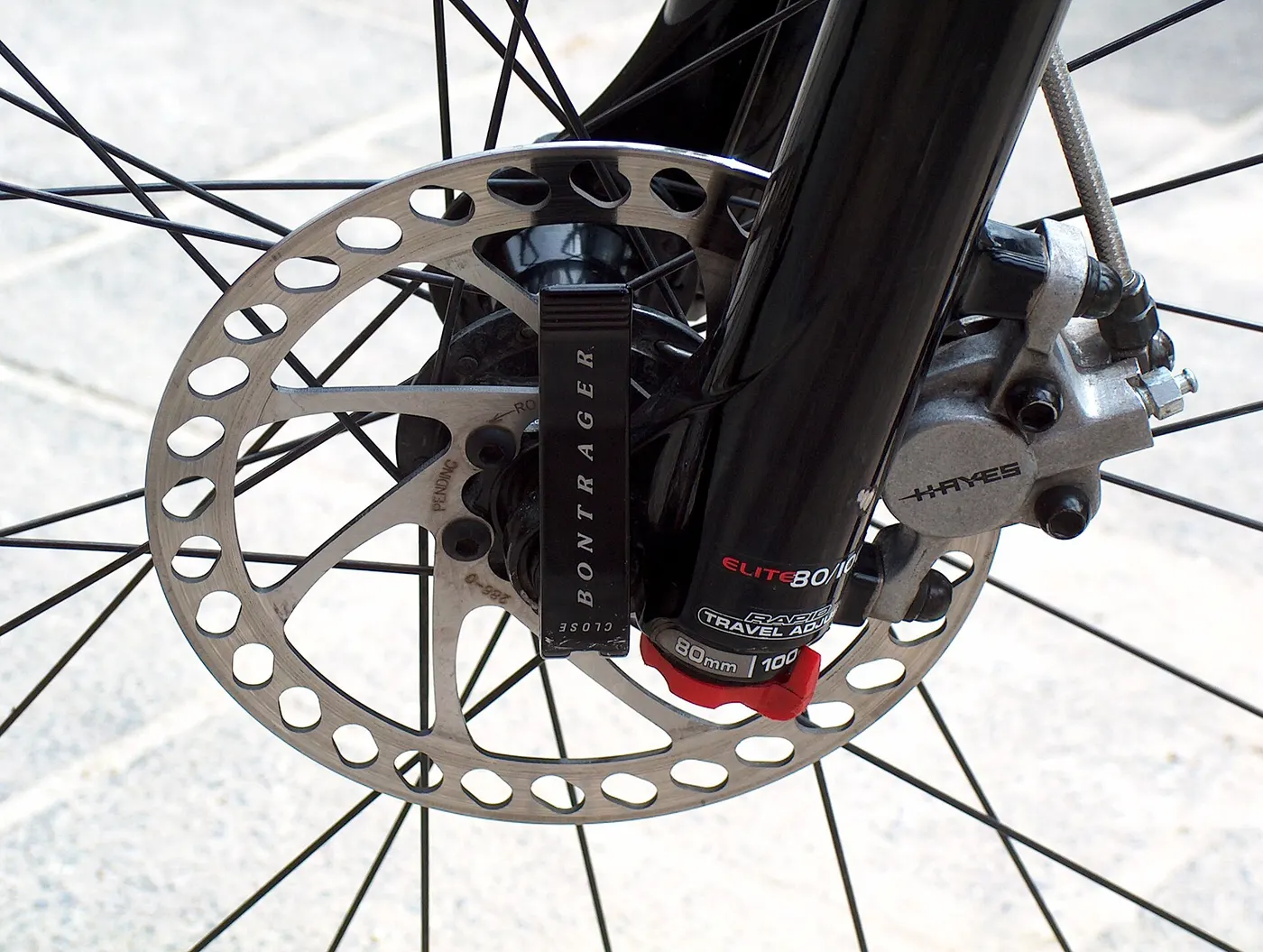
Inspect tread, sidewalls, embedded objects, and inflation against the tricycle, tire, and rim instructions. There is no universal rain pressure for every adult tricycle. Tire construction, loading, and wheel size differ. Do not lower pressure outside the permitted range to chase an unverified grip benefit.
Wide or knobbly tires are not a guarantee of control on wet paint, metal, or algae. A fat-tire appearance also does not prove suitability for every surface. If your route regularly presents poor traction, review the route and vehicle choice rather than relying on one accessory claim.
The tire-pressure and puncture guide covers compatibility and inflation in detail. Keep your pump and gauge accessible at home so wet trips do not begin with an unchecked tire. If a tire loses pressure unexpectedly, resolve the cause before riding again.
Check that the battery is seated and locked as instructed and that covers are correctly closed. Inspect visible cables and connectors for damage without opening sealed components. A loose charging-port cover or damaged housing is a reason to seek guidance before exposing the vehicle to rain.
Do not wrap a motor, controller, or battery in an improvised plastic cover that traps heat or interferes with movement. Use only approved protective accessories. A display cover may be compatible with one model and obstruct controls on another. Confirm that you can see the screen and operate the buttons normally.
If water exposure exceeds the instructions, stop using the affected system and contact the manufacturer. Do not connect a charger to wet or damaged contacts, open a pack to dry it, or assume that switching the motor off eliminates electrical risk. The battery care guide addresses the safe handling boundary.

Choose rainwear that lets you reach the brakes and steer without restriction. Gloves should preserve a secure grip and usable lever movement. Test the combination while stationary; a bulky glove can change the fit of a control that worked comfortably with bare hands.
Keep trouser cuffs, drawcords, and poncho edges away from chains and wheels. Loose fabric that drapes over an upright basket can also cover a light. A recumbent position may expose different areas to spray and may change how water collects in clothing. Check the actual seated arrangement.
A hood should not block your view or interfere with a helmet. Follow the helmet manufacturer's fit instructions and consider a compatible rain solution rather than loosening straps to fit layers. If the clothing prevents you from observing traffic comfortably, change it or postpone the ride.
Fenders can reduce spray reaching the rider and cargo, but they must be compatible and securely installed. Inspect clearance through steering and any suspension movement specified by the manufacturer. A loose stay or a distorted fender can contact a tire and create a control problem.
Do not treat a basket cover as an invitation to carry electronics without further protection. Check the cover's stated limitations and secure it so it cannot flap into a wheel or hide rear lighting. Water can enter from below or collect inside a poorly arranged bag.
After installation, repeat the accessory checks in the compatibility guide. A useful wet-weather accessory should simplify the trip without introducing steering interference, excess width, or a concealed light. More coverage is not automatically better if it compromises those functions.
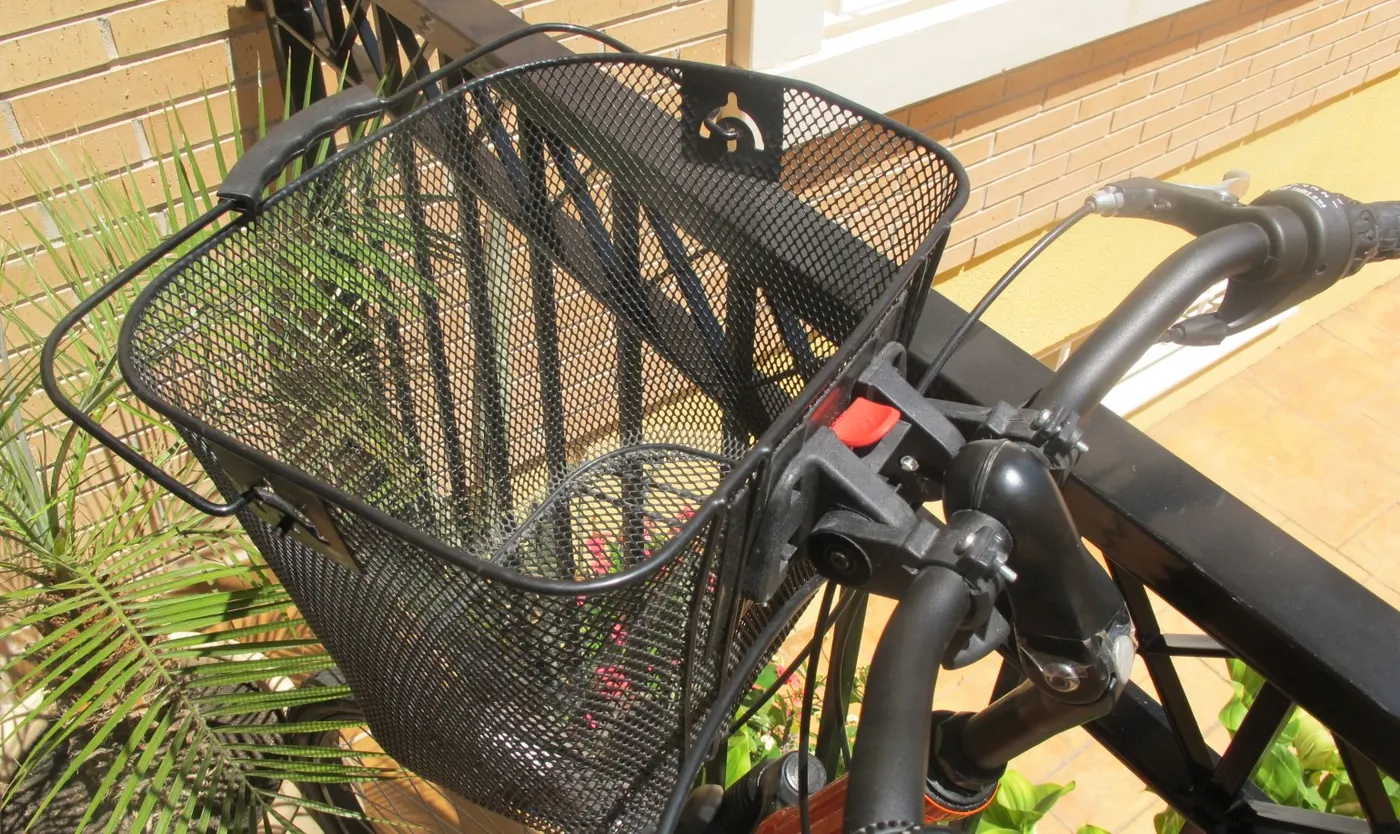
Keep loads within the vehicle and basket limits and arrange them so they cannot shift. A wet shopping bag may weaken, sag, or slide differently from a dry one. Use a compatible secured bag or container and inspect it before leaving the shop.
Separate fragile or water-sensitive items as needed, but do not pile protected packages so high that they block visibility. An insulated bag for food should be used according to its instructions; it is not automatically waterproof. Make the trip shorter or divide the purchase if the packing becomes awkward.
Carry only what you can manage while controlling the parked tricycle. Trying to hold an umbrella, a gate, and the vehicle at the same time is not a workable plan. The grocery guide helps plan loading and unloading without using the basket as a passenger space.
Use a familiar assistance mode and avoid abrupt throttle inputs. An electric motor can reduce effort but cannot restore grip or visibility. Practice its controls in dry, level conditions first. Do not increase power to hurry through a slippery section or to compensate for cold hands.
Slow before a bend, keep both hands able to control the vehicle, and avoid adjusting a hood or bag while moving. If rain obscures eyewear or a mirror, stop at a suitable place to clear it. A brief delay is preferable to continuing with a compromised view.
Give other path users space and time. Wet clothing and umbrellas can restrict their awareness, while puddles may push them toward your line. Announce your presence courteously where appropriate, slow early, and wait at a broad section instead of making a close pass.
Turn the system off and follow the manual's cleaning and drying process. Use gentle methods permitted for the vehicle. Do not pressure-wash bearings, brakes, connectors, or the battery. A high-pressure jet can expose components to conditions very different from ordinary rain.
Wipe accessible surfaces and inspect for trapped debris, loosened accessories, and abnormal brake behavior. Let the vehicle and removable items dry in a suitable ventilated location. Do not place a wet cover tightly around the tricycle and assume that enclosing it protects it from corrosion.
Check the drivetrain after drying and lubricate only where appropriate. Keep cleaning products and chain lubricant away from braking surfaces. The chain cleaning guide explains why more oil is not the same as better maintenance. Seek service if the wet ride reveals grinding, persistent drag, or an electrical fault.

Submersion, a damaged battery case, unusual heat, a chemical smell, or an electrical error deserves more than wiping the frame. Stop using and charging the affected equipment and obtain manufacturer guidance. Do not open battery, controller, or motor housings as a drying experiment.
If a battery is smoking, hissing, or showing signs of an active emergency, keep away, evacuate as appropriate, and contact emergency services. Do not attempt to transport an actively failing pack through the home. This article does not provide battery firefighting instructions.
For non-emergency faults, document the exposure and symptoms clearly: rain duration, whether water reached a particular part, and any display message. Avoid repeated power-on tests to see whether the problem has disappeared. A system that turns on again can still need inspection before charging or riding.
| Area | Ready for an ordinary permitted wet trip | Reason to wait |
|---|---|---|
| Manual | Weather limits understood | Model permission unclear |
| Route | Familiar, visible surface, alternative available | Flooding, hidden hazards, unsuitable wind |
| Controls | Gloves and clothing preserve braking and steering | Restricted reach or poor grip |
| Cargo | Secured and lights remain visible | Sagging bags, moving load, blocked lens |
| Electrical condition | Covers and housing sound | Damage, wet contacts, unexplained error |
The worksheet is a planning aid rather than a guarantee. Reassess during the trip as conditions change. Returning early, waiting under suitable shelter, or arranging recovery is a sensible outcome when the weather exceeds the plan. Do not let a purchase of rain accessories become pressure to ride in every forecast.
Suppose your normal route uses a quiet path with drainage dips, while an alternative uses a broader paved route with better lighting but more intersections. Do not choose only by distance. Inspect both for wet-specific hazards and identify where you can stop or wait. A route that is preferable in dry daylight may be less suitable in heavy rain.
Record which conditions trigger the alternative or cancellation. That might be standing water at a known low point, wind that makes control uncomfortable, or visibility too poor to read the surface. These are observations for your route, not universal weather limits. Use the manufacturer's restrictions as the non-negotiable starting boundary.
If shopping is the purpose, consider changing the timing or reducing the load. The return includes wet bags and possibly fatigue, so it deserves its own plan. A delivery, another mode of transport, or waiting can be the practical answer. Rain accessories should create options, not pressure to complete every trip by tricycle.
Choose a stable permitted parking place, secure the tricycle as instructed, and unload before attempting a difficult storage maneuver. Wet handles and softened bags can be harder to grip. Split the load into manageable parts rather than lifting one heavy bag while trying to hold the vehicle.
Keep electrical items and the battery handling area dry according to the manual. Do not put a wet shopping bag on exposed contacts or use a dripping cover as protection for the charger. If the battery needs removal, complete that task through the documented procedure after the vehicle is safely positioned.
Dry rainwear and cargo accessories separately where appropriate. A tightly fitted cover over a wet tricycle can trap moisture instead of protecting it. Inspect the bag's base and fastening points before storing it. The next ride should begin with dry, identifiable equipment rather than a bundle of damp fabric around the vehicle.
If a fault follows rain, record what you know: ordinary light rain, a splash, standing water, a charging-port cover left open, or an impact to a component. Do not minimize the event or call every problem water damage without assessment. The manufacturer needs the actual circumstances and symptoms to advise the next step.
Include the exact model and any fault message. A clear stationary photograph may help show a damaged cover or connector, but it cannot establish internal electrical condition. Do not open housings to provide a better picture. If support asks for a check, ensure it is within the approved owner procedure and stop if you cannot perform it safely.
Avoid repeated charging or power-on experiments while waiting for a reply. A system that briefly works can still need inspection. Keep the equipment out of use where damage or abnormal behavior is suspected, and follow the service provider's handling instructions.
Rain can leave road grime that tempts the owner to use stronger cleaner or a pressure washer. Resist that shortcut. The permitted method must protect finishes, bearings, brakes, and electrical parts. A product suitable for a metal frame may not belong on a display, connector, or tire.
Use labeled compatible supplies and separate cloths for drivetrain and braking surfaces. Dispose of dirty fluid according to product and local instructions rather than rinsing it into a drain. If the vehicle requires more service than routine wiping and approved care, arrange it. The objective is to return the tricycle to a documented usable condition, not simply make it look shiny.
Keep the wet-weather plan with your normal route notes and revise it after an ordinary trip reveals a new difficulty. A useful record identifies the location, conditions, and practical alternative rather than only saying the ride felt uncomfortable.
Research-based guide; no waterproofing or wet-braking tests were performed. Your model's instructions control permitted use and aftercare.
Guide
Choose your first adult tricycle by checking rider fit, storage, weight limits, gears, brakes, assembly, and service before buying.

Guide
Learn how to compare adult electric tricycles for control, fit, batteries, braking, transport, and ownership support.

Guide
Understand the leg and hip muscles used when pedaling a tricycle, plus how fit, resistance, and electric assistance change the effort.