
Guide
First Adult Tricycle Buying Guide
Choose your first adult tricycle by checking rider fit, storage, weight limits, gears, brakes, assembly, and service before buying.
We research everything we recommend. When you buy through our links, we may earn a commission. Learn more
Guide
Choose tricycle basket bags and liners by dimensions, fastening, load limits, weather protection, visibility, and practical unloading.

Updated · 12 min read
A basket liner can keep small items from falling through wire openings, while a compatible bag can make loading and unloading easier. Neither changes the basket's load rating or turns it into a passenger carrier. Fit, fastening, clearance, and visibility matter more than choosing the largest bag that will squeeze inside.
This guide focuses on the container and its attachment. The separate grocery and cargo guide covers trip planning and load distribution. Use both when the daily routine includes shopping, errands, or carrying equipment.
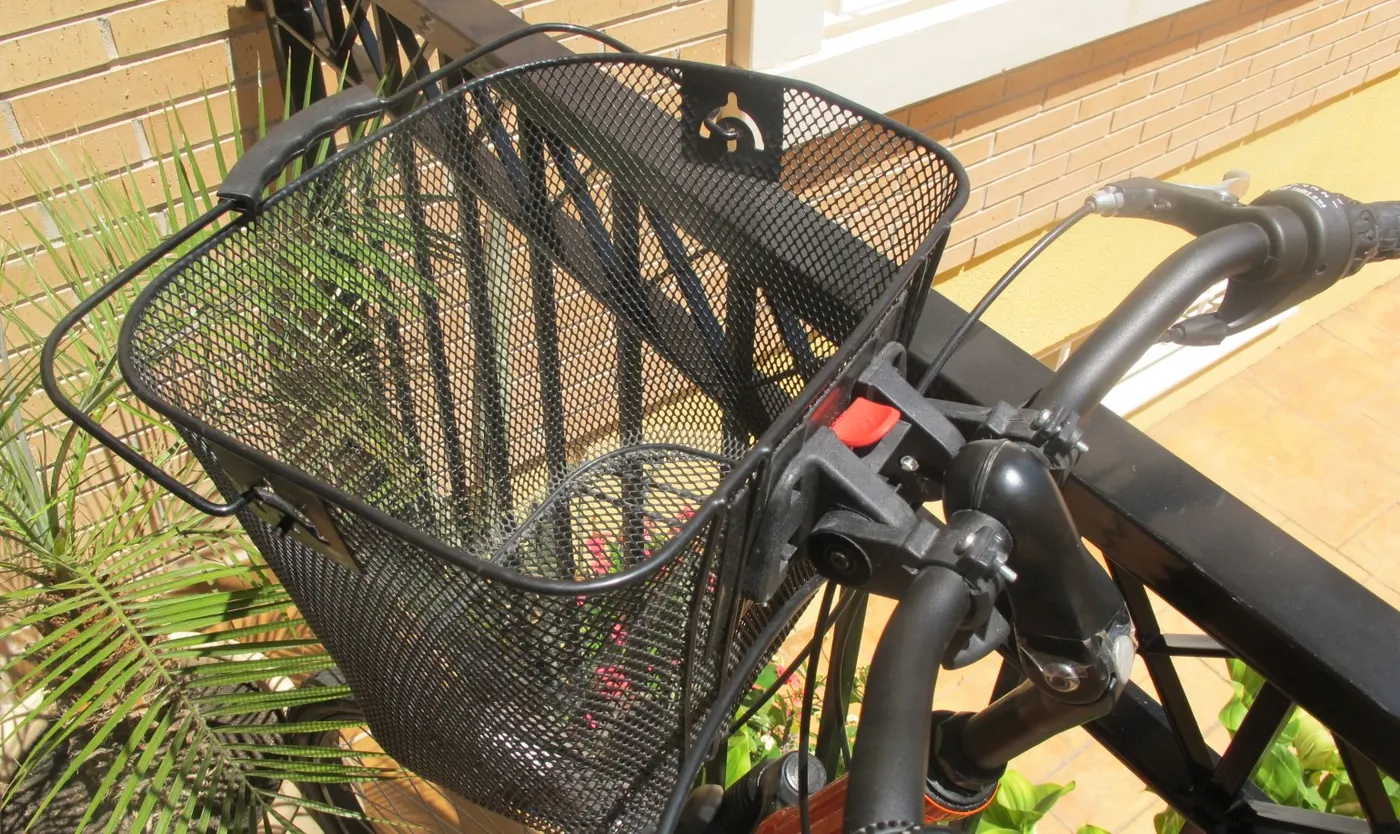
A liner usually follows the basket's interior and may remain fitted. A removable bag can carry the load between the tricycle and destination. A rigid container may protect shape-sensitive items but requires its own compatible securing arrangement. Identify the problem before choosing the format.
Small loose items, groceries, work supplies, and water-sensitive electronics have different needs. A fabric liner that keeps a key from falling out may not restrain a heavy bottle. An insulated bag may help with temperature control when used correctly but may not be waterproof.
Avoid expecting one accessory to solve every task. A simple secured bag for ordinary errands can be useful, while a specialized load may need a different trip or approved container. The practical choice preserves the tricycle's handling and access instead of maximizing packed volume.
Measure internal length, width, and depth at the narrowest relevant points. A tapered basket may have a smaller base than its opening. Note mounting hardware, light brackets, or protrusions inside the space that affect the bag's fit.
Compare dimensions with the bag empty and with a representative load. Soft bags can bulge, while rigid corners may prevent full seating. Do not rely only on a seller's stated capacity in liters. Shape and the basket's actual geometry determine whether the container fits securely.
Include the seat, backrest, and lid movement. A bag can fit inside the basket yet be difficult to open because it strikes the rider's seat. Check whether you can remove it without pulling the tricycle out of position. Take photographs and measurements to the retailer if compatibility is uncertain.
The basket, rack, frame, and complete vehicle may have different limits. A bag with a large carrying rating does not raise any of them. Add the bag's own weight and all accessories where the manufacturer requires them in the load calculation.
Ask whether the vehicle's total figure includes the rider, cargo, or other items and confirm separate front and rear limits. Do not guess from a headline “capacity” number. Model-specific documentation should identify the relevant definitions.
Unused capacity is not a target. A load under every printed limit can still be awkward because of height, projection, or movement. The cargo guide explains why structural allowance and comfortable handling are different questions.

Follow the bag or liner's attachment instructions and confirm that the basket geometry provides the intended fixing points. Ties, straps, and buckles should be secured so loose ends cannot reach tires, chains, brakes, or electrical wiring.
Do not use a strap across a brake hose or depend on a loose decorative handle to hold the load. An elastic cord can recoil or shift and should only be used appropriately for the task. A heavy object needs a restraint arrangement approved for the vehicle and container.
Inspect the attachment after loading and after a short controlled trial. If the bag rotates, sags, or lifts during ordinary movement, stop and correct the setup through the documented method. The accessory compatibility guide helps check movement and interference beyond nominal fit.
View the loaded basket from behind and at an angle. Confirm that rear lights and reflectors remain unobstructed. A tall bag can hide a lens even if the empty liner does not. Repack before departing rather than relocating a light to an unsupported place.
Check whether a flag mount, mirror view, or seat adjustment is blocked. On some layouts, reaching a parking brake or battery lock may become more difficult with the bag fitted. Keep routine controls and permitted handling points accessible.
The daytime visibility guide and night lighting guide cover the complete configuration check. A bag that protects groceries but conceals the vehicle's rear signal is not a finished solution.
Read the accessory's actual description and care instructions. Water-resistant fabric can still admit water through seams, zippers, openings, or the top. A cover may reduce rain entering from above while leaving the base exposed. Do not translate a marketing word into a guarantee.
If carrying electronics or documents, use a suitable additional protective arrangement without increasing the load beyond limits. Keep the bag secure and avoid blocking ventilation or electrical components on the vehicle. A basket cover is not a battery cover.
Insulation addresses heat transfer, not necessarily water entry or food safety. Follow the bag and food-handling instructions for the task and duration. The route, weather, and time away from suitable storage matter. Do not promise that an insulated basket bag keeps every food item safe for a fixed number of hours.
Place approved heavier items low and arrange the load so it cannot shift from side to side. Protect fragile items separately and avoid a tall stack that raises the load or blocks visibility. Do not wedge an oversized object against the seat as a substitute for securing it.
Use compartments only when they help keep items positioned. A removable divider can become loose cargo if not fitted correctly. Keep tools or sharp objects from damaging the bag and neighboring items. Consider how you will unpack without leaving the tricycle uncontrolled on a slope.
If the bag is too heavy to remove comfortably, use smaller loads or unload in stages at a stable parking point. A successful ride does not prove the unloading task is manageable. Include that task in the purchase trial.
A front-mounted container may move with the steering or be attached to the frame, depending on the design. Weight and shape can therefore affect steering differently. Check the manufacturer's front-load instructions rather than applying a rear-basket rule.
A rear basket may have more visible space but can obscure lights or access to a seat or battery. Neither position should be selected solely because a bag fits. The load must be permitted and the rider must still control and observe the vehicle comfortably.
After adding a new loaded bag, use a short level trial before the full trip. The turning guide explains why cargo changes matter in bends. Do not test an unfamiliar container by immediately riding a steep or crowded route.

Determine whether the bag must be removed before folding or storing the vehicle. A liner can catch a hinge, and a rigid container can prevent the documented fold. Do not force the frame against it or use the bag as a support point.
Include removal, unloading, and drying in the routine. If the tricycle is stored in a narrow area, decide where the bag goes while you move the vehicle. Leaving it in a corridor or exit route is not a workable storage plan.
The folding-tricycle guide examines that sequence. Accessories that seem small during riding can make compact storage much more complicated. Recheck the complete dimensions and handling after adding them.
Follow the manufacturer's washing and drying instructions. Remove debris that can rub against the basket or damage the bag. Inspect seams, handles, fastening points, and the base for wear. A handle used for carrying a loaded bag may have different limits from a decorative loop.
Let wet materials dry appropriately before enclosed storage. A damp liner left against metal can trap moisture. Do not assume a waterproof outer surface prevents water from accumulating inside after rain or washing.
Replace or repair using the maker's approved method when load-bearing parts are damaged. A home-sewn patch may be acceptable for a cosmetic area but does not automatically restore a strap's original function. Keep the load conservative until the condition is resolved.
A basket bag is not a passenger seat, and a liner does not make an adult tricycle basket suitable for a child. Do not use the cargo rating as a passenger approval. Seating, restraint, attachment, and vehicle instructions would need to support that use explicitly.
For pets, consult the vehicle and carrier manufacturers and appropriate animal-care advice. A general grocery bag is not a pet carrier. Movement by an animal can change handling, and a carrier needs compatible fastening and suitable conditions.
If the desired use is not approved, choose another arrangement rather than adapting straps and calling it safe. This guide concerns ordinary permitted cargo and does not certify a passenger or animal-carrying setup.

| Item | What to confirm |
|---|---|
| Shape | Internal basket dimensions and loaded bag envelope |
| Limits | Bag weight plus cargo within all applicable limits |
| Fastening | Intended fixing points and restrained loose ends |
| Controls | Seat, brake, battery, and steering access preserved |
| Visibility | Lights, reflectors, mirror view, and flag mount clear |
| Weather | Actual water and insulation limitations |
| Routine | Removal, carrying, cleaning, and storage manageable |
Compare products using the same representative load. A bag that looks neat when empty may become a different shape when packed. Ask about return conditions before the trial and avoid assuming every used container remains returnable.
The useful accessory contains and secures your ordinary load while keeping the vehicle predictable and easy to use. Extra volume can encourage taller packing and make unloading harder. Select capacity around a realistic routine, with spare room for closing the bag correctly rather than for stacking more weight.
If the route regularly demands more than the approved basket arrangement can manage, change the trip frequency or consider a vehicle designed for the task. Do not use a liner purchase to stretch the tricycle beyond its instructions. Good cargo organization should reduce uncertainty, not hide it behind fabric.
Suppose the usual purchase includes bottles, bread, produce, and a small household item. Begin with the total and separate basket limits, then consider shape and restraint. Put permitted heavier items low and keep fragile items protected without building a tall unstable stack. Do not use the bag's volume as the target for how much to buy.
Check whether the loaded bag closes as intended and remains within the approved envelope. If it bulges beyond the basket or hides the rear light, repack or divide the trip. A bag that technically contains the items can still be unsuitable for the tricycle.
At home, park and secure the vehicle before removing the load. If one bag is too heavy to lift comfortably, unpack in stages or use smaller compatible bags next time. The loading plan should account for the rider's handling ability as well as the basket's structural rating.
Some straps secure a bag to the basket, while other handles are intended for carrying. Read the instructions and do not assume every loop can support the full load. A decorative tab or lid strap may fail if used to lift the bag.
Before removal, release the attachment in the intended sequence and keep the tricycle stable. Do not pull a heavy bag upward while one fastening remains attached; that can move the vehicle or damage the accessory. After refitting, restrain all loose ends again.
A useful trial includes removing and carrying the loaded bag over the ordinary distance between parking and the destination. A product that is convenient on the tricycle but awkward in your hands may not solve the intended problem. Ask about compatible smaller formats rather than overloading one large container.
A liner can hold water if its shape or material prevents drainage. Read the care instructions and inspect after rain. Do not drill the basket, cut drainage holes in a load-bearing accessory, or modify the bag without manufacturer guidance.
Remove wet items and dry the liner or bag as directed. Check seams, base, and fastening areas where moisture or dirt can accumulate. A waterproof outer material does not mean the interior remains dry after loading wet groceries or leaving the top open.
If the accessory regularly traps water or becomes difficult to dry, reconsider the format or storage routine. A removable bag may be easier to care for than a liner left permanently fitted. The choice should suit how you actually use and store the tricycle.
Keep frequently needed items accessible without placing them loose on top of the load. A lock, phone, or keys buried beneath groceries can encourage awkward roadside unpacking. Use suitable compartments while keeping heavy items restrained and within the relevant limits.
Do not reach backward into the basket while riding. Stop in a suitable place and secure the vehicle before retrieving an item. Plan the bag layout so ordinary tasks do not require twisting or removing several objects at a crowded entrance.
For shared use, agree on where tools and the lock belong and how the bag attaches. A simple consistent arrangement is easier to inspect than a different improvised packing method every trip. Update the routine after adding a new accessory or changing the basket.
A useful bag review should identify the basket, loaded dimensions, fastening method, and task. A statement that a bag is perfect for tricycles without those details is too broad. Water or insulation claims should be tied to actual documentation or testing, not the material's appearance.
You can report that a bag's measured dimensions fit a particular basket and that its straps clear the vehicle in that configuration. Do not claim that it raises cargo capacity or makes passenger carrying safe. The accessory remains subordinate to the vehicle's instructions.
Keep a record of the setup that worked and inspect it after wear or weather exposure. If the container starts shifting or a seam fails, stop using it for the load until corrected. A good fit at purchase does not remove the need for ongoing condition checks.
A bag suitable for groceries may not be the right container for sharp tools, oversized equipment, or fragile electronics. Reassess protection, restraint, and approved load placement before reusing it for a new purpose. Familiarity with the accessory does not establish suitability for every cargo type.
When the task exceeds the basket arrangement, change the trip or vehicle rather than adding more elastic cords. The practical solution keeps cargo contained, visible equipment unobstructed, and the unloading routine manageable.
Research-based guide; no bags were load-tested or waterproof-tested. Verify the exact vehicle and accessory instructions before use.
Guide
Choose your first adult tricycle by checking rider fit, storage, weight limits, gears, brakes, assembly, and service before buying.

Guide
Learn how to compare adult electric tricycles for control, fit, batteries, braking, transport, and ownership support.

Guide
Understand the leg and hip muscles used when pedaling a tricycle, plus how fit, resistance, and electric assistance change the effort.