



Guide
First Adult Tricycle Buying Guide
Choose your first adult tricycle by checking rider fit, storage, weight limits, gears, brakes, assembly, and service before buying.
We research everything we recommend. When you buy through our links, we may earn a commission. Learn more
Guide
Record trike chain skipping accurately, identify the drive system, understand wear-check scope, prepare a service brief, and verify completed work.

Updated · 12 min read
A chain that seems to skip, slip, jump, or derail needs an accurate description and the relevant inspection. Those words can describe different events. The useful first step is to stop using the trike where the condition affects reliable operation, identify the actual drivetrain, and record what happened without repeatedly reproducing the fault under load.
This guide helps an owner prepare observations and obtain the appropriate service. It does not diagnose a worn chain from one sensation or provide a universal adjustment sequence. The chain-care guide covers normal cleaning and lubrication; abnormal operation requires a separate assessment.
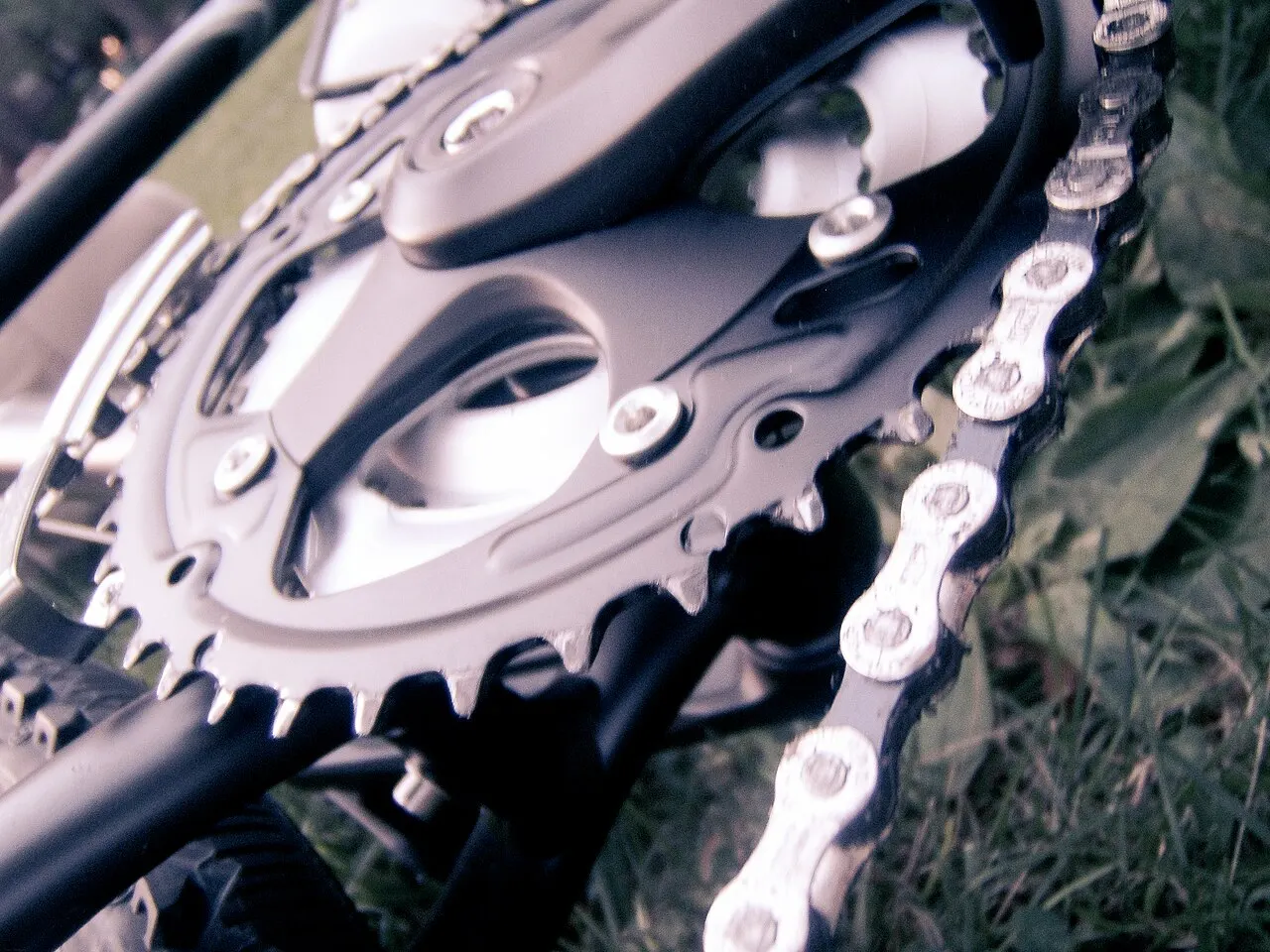
State whether the chain visibly moved between sprockets, came off a chainring, made a repeated noise, or whether pedal resistance changed without a clear view of the chain. Those observations are not interchangeable. If the event happened too quickly to see, say so rather than labeling a specific part failed. A truthful incomplete observation is more useful than a confident guessed diagnosis.
Record when it occurred: starting, ordinary shifting, a particular selected gear, a permitted loaded condition, or after a service or transport event. Include the approximate sequence without deliberately seeking a harder test. Do not continue riding in traffic to produce a better video. Control and stopping take priority over gathering evidence.
Note what changed beforehand. A replacement chain, tire work involving wheel removal, altered seat or boom, impact, cleaning product, or new accessory can be relevant. It does not prove causation, but it helps the provider decide what to inspect. Keep the original observation distinct from your theory about the cause.
Record the trike model, revision, chain arrangement, gearing and relevant drive components. A single-speed upright, derailleur-equipped recumbent, internal-gear system, differential arrangement, and electric mid-drive can require different work. Do not use a conventional derailleur adjustment tutorial for a vehicle whose power path has not been identified.
The drive-layout guide helps frame those distinctions. A visible chainring and paired rear wheels do not describe the entire system. Obtain the exact manual and component identities before selecting parts or tools. A previous owner's modifications should be disclosed and documented where possible.
For an electric trike, identify how assistance reaches the wheels. The hub-versus-mid-drive guide explains the architecture question without diagnosing a fault. Do not use increased assistance to compensate for abnormal drivetrain behavior, and do not probe internal electrical equipment because a pedal sensation changed.
Secure and prepare the vehicle through its instructions before inspecting accessible parts. Keep hands clear of moving parts and do not improvise a lifting or support arrangement for a heavy trike. Follow the actual inspection procedure. If a required view or task is inaccessible safely, obtain appropriate service rather than treating it as completed.
Visible damage, abnormal chain seating, displaced guards, a loose critical part, or another stop-use condition needs the prescribed response. Do not pull a chain back into place and infer that the cause is resolved. Reinstalling a displaced part can be one procedure, while assessing why it displaced is another. The exact manual should establish what work is permitted.
Photograph a visible concern before cleaning or adjusting where it helps preserve context. Include a wider view and component markings. Do not dismantle a proprietary assembly merely to obtain a closer picture. A service provider can ask for the specific information needed after receiving the initial brief.

Park Tool's chain-wear resources explain measurement with suitable tools and the need for correct technique. Chain wear can be relevant to shifting and connected component condition, but a skipping report does not prove that wear is the sole cause. Do not replace a chain automatically before identifying the drivetrain and assessing the required components.
Use a checker approved for the actual chain and follow its instructions, including positioning and reading. A tool's general speed range or familiar appearance does not establish compatibility with every chain design. Record the tool, method and observed result. The chain or drivetrain maker establishes replacement criteria; this article does not prescribe one universal percentage.
A measured result also does not assess every sprocket, chainring, linkage, wheel position or connected drive part. A service provider may need a broader inspection, especially after prolonged abnormal operation or undocumented replacement. Avoid interpreting a new chain as proof that the complete system is restored.
If the chain visibly changes sprocket position, the assessment may involve the shifting system and its condition. If it comes off, chain retention, routing or another part may be relevant. If pedal resistance changes without visible chain movement, the power path may need a different inspection. These are categories for describing the event, not diagnoses supplied by this article.
Do not turn every adjustment screw until the sensation disappears. Limit settings, indexing, tension, joint alignment and other procedures depend on the actual components. Random changes can create another problem and obscure the starting condition. Obtain the applicable procedure and service scope before altering the system.
Likewise, adding lubricant is not a universal repair for skipping. Follow normal chain care where permitted, but keep the abnormal event unresolved until appropriately assessed. A cleaner or quieter chain can still coexist with another fault. The washing guide explains why cleaning and mechanical readiness are separate tasks.
If the event began after wheel removal or transport, report that timing without assuming the wheel is the cause. The exact trike procedure governs wheel attachment and related checks. Do not loosen an axle or motor connection based on a conventional bicycle example. A three-wheel layout can involve proprietary retention or drive parts.
For a recumbent, seat or boom changes can be connected to the drivetrain setup. Read the exact instructions rather than changing chain length to suit a guessed reach. A fit task and chain-sizing task can require coordinated procedures. The fit guide provides context, while the actual vehicle manual determines the work.
A folding event also belongs in the record if the symptom followed it. Check the prescribed restored configuration, cable routing and relevant parts. The hinge-inspection guide covers that separate routine. Do not assume that a successfully closed hinge establishes every connected system's condition.

Include the model and components, the actual observation, selected gear or condition where known, when it began, and prior work. Add clear photographs of visible concerns and relevant identities. State whether the vehicle has been taken out of use and which checks could not be completed. Avoid requesting only a chain replacement when the assessment has not established that repair.
Tell the provider what you changed or applied. An adjustment made without a known instruction is still useful information. Do not omit it because it feels embarrassing or because the symptom remained. Accurate history can save time and prevents the provider from assuming an untouched starting configuration.
The repair-shop guide helps establish accepted work and handling. Ask whether the shop supports the exact gearing, axle or electric system. A provider may assess ordinary chain components but need another specialist for a proprietary drive part. Keep that remaining task visible in the scope.
A replacement chain needs the correct design, dimensions, connection method and sizing for the actual drivetrain. A bag labeled bicycle chain is not a complete compatibility answer. Some designs require particular connecting parts or installation procedures. Do not reuse or substitute a connector contrary to the relevant instructions.
Sprockets, chainrings, tension components and guards also need their specified fit. An apparently stronger or more expensive part is not automatically an approved upgrade. Ask whether the proposed replacement changes operation, maintenance or other components. Preserve the actual part identities and installation record.
If a specified part is unavailable, obtain a documented alternative where permitted rather than forcing a visually similar item. A clear deferred status is more useful than a completed repair based on an unknown combination. The ownership-cost guide explains why parts support belongs in the purchase decision too.
Follow the component and vehicle procedures for fastening, routing, clearance, operation and post-service verification. A chain moving smoothly in one observation is not a complete assessment of a repaired drivetrain. Do not choose an unapproved heavy-load or steep-hill test to prove the work. Use the exact controlled checks and suitable setting specified.
Learn any changed shifting or operating routine before ordinary riding. If parts were replaced, their instructions may differ from the old arrangement. Keep the update with the maintenance record and tell other users. A shared vehicle should not depend on one person's memory of a revised control or limit.
If the original behavior persists, stop safely and contact the provider with the current observation. A completed invoice does not invalidate new evidence. Report the result without claiming a particular missed cause. The service history gives the reassessment a clearer starting point.
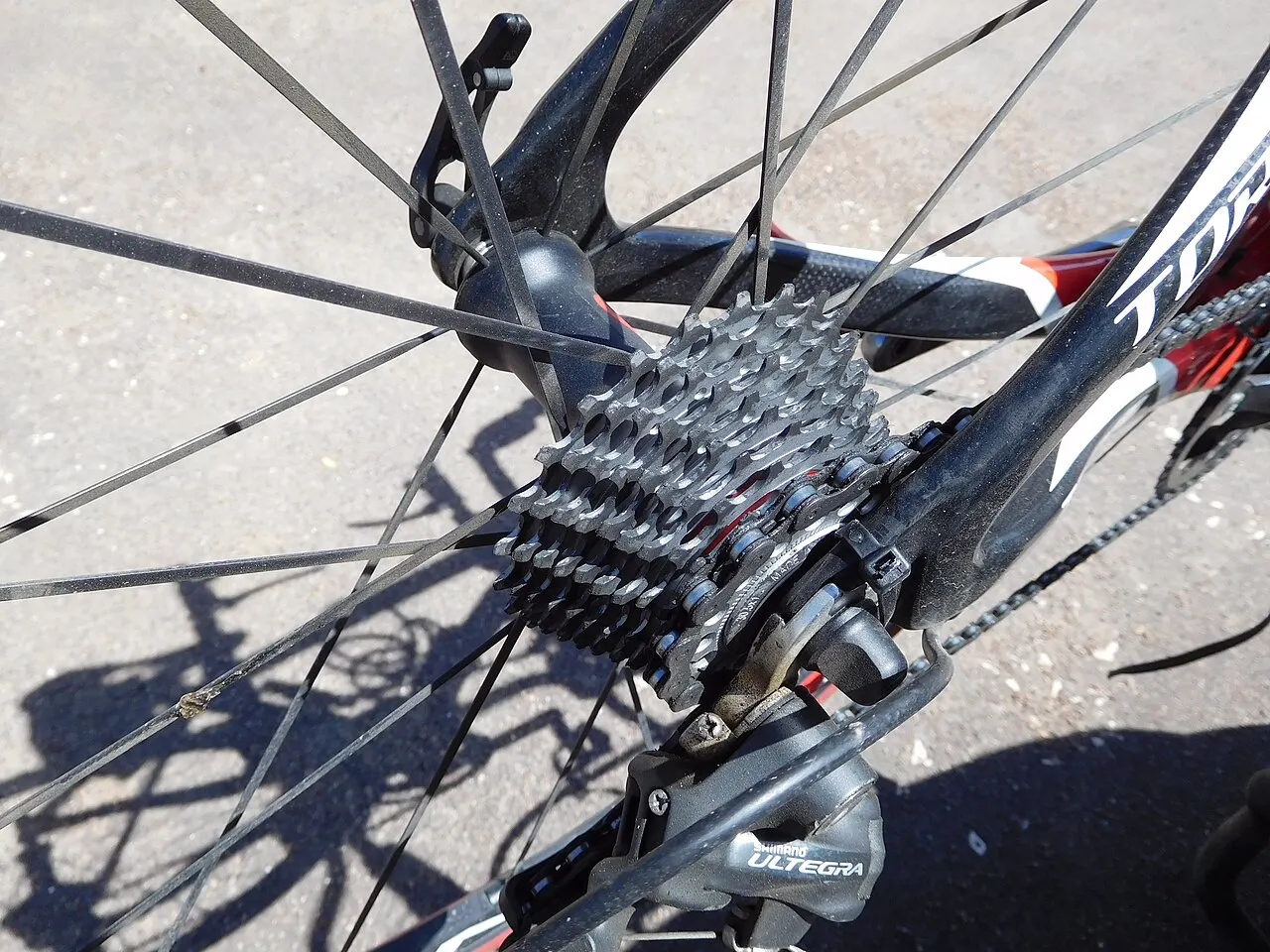
Imagine an owner reports a skipping sensation after a chain replacement. Record the exact new chain and connector, who installed them, the procedure used where known, and when the event occurs. Do not immediately adjust every shifter setting or assume the new chain must be defective. The connected drivetrain and installation need assessment.
Send that brief to a suitable provider and preserve the current configuration until advised. If a component is visibly abnormal or the required check fails, do not keep riding to make the new chain settle. The example illustrates evidence collection and service scope, not a universal diagnosis of post-replacement skipping.
Use the manufacturer's schedule and condition criteria for inspection, cleaning, lubrication and replacement. Record significant work and abnormal observations. Do not invent a universal mileage at which every trike chain must be replaced, because designs, use and procedures differ. A measured and documented routine is more useful than repeated repairs based on a vague sensation.
Chain-skipping questions are best handled by separating what happened, which system is fitted, which inspections are permitted, and what the provider found. That sequence prevents a familiar symptom word from becoming an unsupported diagnosis and helps the actual repair address the complete condition.

Use one entry for each event already observed: date, normal task, selected gear where known, assist mode where relevant, what was seen or felt, and what happened immediately beforehand. Leave unknown details blank rather than reconstructing them from a theory. A short factual record can reveal whether the report concerns one recurring condition or several different events, without asking the owner to keep riding until the fault becomes easier to film.
Separate direct observations from interpretations. Chain visibly left a chainring is different from pedals briefly felt free, even if both are described casually as skipping. The provider can use those distinctions to choose an inspection. Do not turn the log into a diagnosis by labeling every event worn cassette or cable stretch. Keep the vocabulary accurate enough that a technician does not have to undo an assumed cause before beginning the work.
Add the stop and service status. If the condition prevented reliable operation or a required check failed, make that visible to other users. A vehicle parked neatly in a garage should not be mistaken for ready to ride. The log is useful because it preserves the unresolved issue and next action, not because it proves the cause or supplies a repair procedure for every drivetrain design.
Record the chain identity and checker used, the applicable instructions, how the reading was obtained, and the observed result. A number without the tool and method can be difficult to interpret, especially where chain designs differ. Confirm compatibility and the maker's replacement criteria before using the result in a decision. A familiar-looking checker should not be assumed to provide an appropriate reading on every installed chain.
Do not average inconsistent readings into a confident conclusion without examining the procedure. Positioning, technique, component identity or tool condition can be relevant. Ask a suitable provider when the method or result remains unclear. The useful question is whether the measurement is appropriate and repeatable within its instructions, not whether a convenient average falls below an internet threshold.
Keep the result's scope limited. A wear measurement does not inspect every tooth, connector, guide, wheel attachment or other drive component. If abnormal operation persists, the complete system still needs assessment. Conversely, a measurement indicating replacement should not be dismissed because the trike happened to complete a recent trip. Condition criteria and symptom history answer connected but different parts of the service decision.
Ask the provider to identify the components assessed, the finding, the work completed and the required checks. Where several original observations were reported, confirm their individual status. A chain replacement may be appropriate, but its completion should not silently resolve an electrical, axle or wheel concern outside the accepted scope. Keep remaining tasks visible and obtain the relevant specialist support where needed.
Retain the replacement part identities and any changed operating or maintenance procedure. If the vehicle has a long recumbent chain route or proprietary drive arrangement, that documentation can be particularly useful for future work. A report that only says new chain may omit the information another provider needs. Ask for practical clarity rather than an unnecessary transcript of every workshop action.
At the next appropriate verification, report any remaining abnormal behavior accurately and stop through the relevant guidance. Do not prove the repair by deliberately creating a demanding unsupported load. If the observation returns, give the provider the current condition and service record. The response should follow new evidence, preserving the distinction between a completed repair and a continuing symptom that deserves reassessment.
Before a service appointment, keep the vehicle in a clearly identified state and retain the relevant instructions and replacement records. Do not make several unrelated adjustments while waiting for advice. That can remove the information the technician needs to compare the symptom with the current setup. If a permitted owner action is completed, record it and its outcome accurately.
Label removed or replaced parts where the provider requests them, without dismantling equipment beyond the approved scope. A useful history identifies what was fitted when the event occurred and what changed afterward. It does not need a complete workshop inventory, but it should prevent a new component from being mistaken for the original one.
At handover, explain the unresolved concern and actual status rather than declaring the repair needed. This helps the provider assess the complete drivetrain and avoids narrowing the work prematurely. Clear starting information is particularly useful on a modified or used trike whose installed parts differ from the original model description.
Research-based observation guide. No fault was diagnosed or repaired. No universal wear threshold, adjustment sequence, chain length or replacement interval is prescribed.
Guide
Choose your first adult tricycle by checking rider fit, storage, weight limits, gears, brakes, assembly, and service before buying.

Guide
Learn how to compare adult electric tricycles for control, fit, batteries, braking, transport, and ownership support.

Guide
Understand the leg and hip muscles used when pedaling a tricycle, plus how fit, resistance, and electric assistance change the effort.