.jpg)

Guide
First Adult Tricycle Buying Guide
Choose your first adult tricycle by checking rider fit, storage, weight limits, gears, brakes, assembly, and service before buying.
We research everything we recommend. When you buy through our links, we may earn a commission. Learn more
Guide
A picnic ride works best when the destination, load, and return trip are planned together. A basket full of food can make a short outing feel simple,.

Updated · 11 min read
A picnic ride works best when the destination, load, and return trip are planned together. A basket full of food can make a short outing feel simple, yet the final park entrance, a chair strapped to the rack, or an unexpected delay may be the part that determines whether the trip is practical. Start with a destination you can reach and leave comfortably, then choose a picnic that fits the trike's approved carrying arrangement.
This guide is about an ordinary day outing, not an overnight tour or a guarantee of food-storage performance. It combines route access, cargo organization, appropriate food-handling sources, and a manageable setup routine. Follow the vehicle and accessory instructions, current destination rules, and official food-safety guidance. A smaller picnic and an easier route are often more useful than buying enough equipment to carry an ambitious first plan.
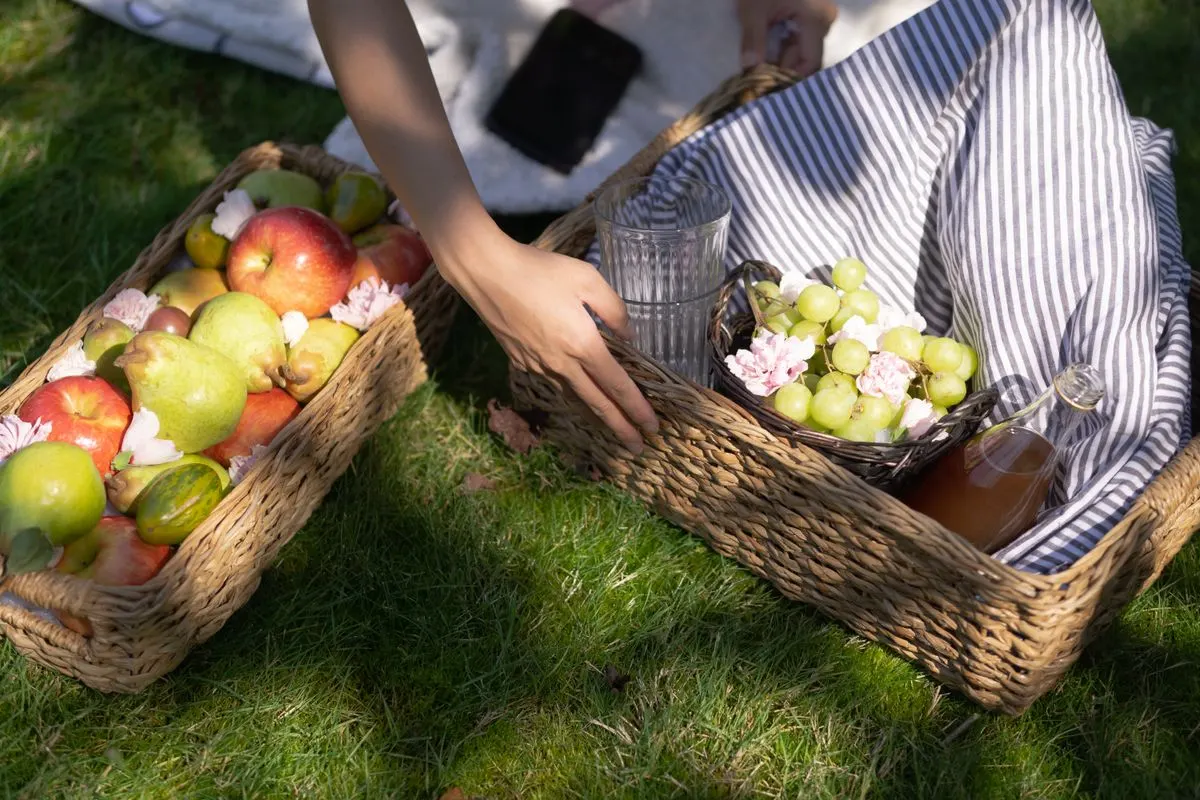
Locate the actual picnic area and its permitted access rather than assuming that a park symbol on a map identifies a suitable destination. Check the responsible authority's current information for cycling, parking, closures, and facilities. A walking entrance can have steps or gates that a trike cannot use. The final few minutes of access deserve as much attention as the ride across town.
Separate the place where you park from the place where you eat. The trike may need to remain on a suitable surface while you carry a small bag to a table. Do not assume it can be ridden onto grass, a narrow boardwalk, or a crowded seating area. The clearance guide helps assess the vehicle's outline, while destination permission remains a separate question.
Look for a practical turnaround and a straightforward way to leave if the area is busy. An empty park during a planning visit may be crowded on the day. If the only route depends on moving other visitors' belongings or squeezing through a space narrower than the loaded trike, choose another endpoint or a different parking arrangement.
Write a short list of what the outing needs: food appropriate to the storage plan, drink, necessary utensils, a sitting arrangement, personal items, and rubbish containment. Separate essentials from equipment that would merely be pleasant to own. The basket's apparent volume can encourage packing far more than is needed for a short stop.
Include the weight and packed dimensions of containers, cold sources, blankets, chairs, and locks. These items remain part of the load even when they are not food. The payload guide explains why the total vehicle rating and individual support limits must both be respected. A large overall allowance does not make a particular rack unlimited.
Plan the return configuration. Food may be reduced, but rubbish, damp fabric, and partly empty containers can pack differently. A rigid box that fitted perfectly when full may become awkward after the contents have shifted. The return load should remain contained and secure without requiring improvised attachment points at the picnic area.
Use current official guidance to decide how food should be prepared, separated, held, and stored. An insulated container slows temperature change but is not a refrigerator. USDA's outdoor food-safety material is a useful starting point for those decisions. This article does not provide a universal safe holding time for every picnic bag or menu.
A simple menu can reduce the number of temperature-sensitive items and handling steps. That is a planning option, not a claim that any named food is suitable in all circumstances. Read the relevant storage instructions and official guidance for the actual foods you choose. If the required conditions cannot be maintained through the full outing, change the menu or transport plan.
The insulated bag guide explains why cold sources, container space, and elapsed time belong in the calculation. For a picnic, include the stop itself and the journey home, not only the ride to the park. A bag that works for a direct grocery return has not automatically been validated for an afternoon outdoors.
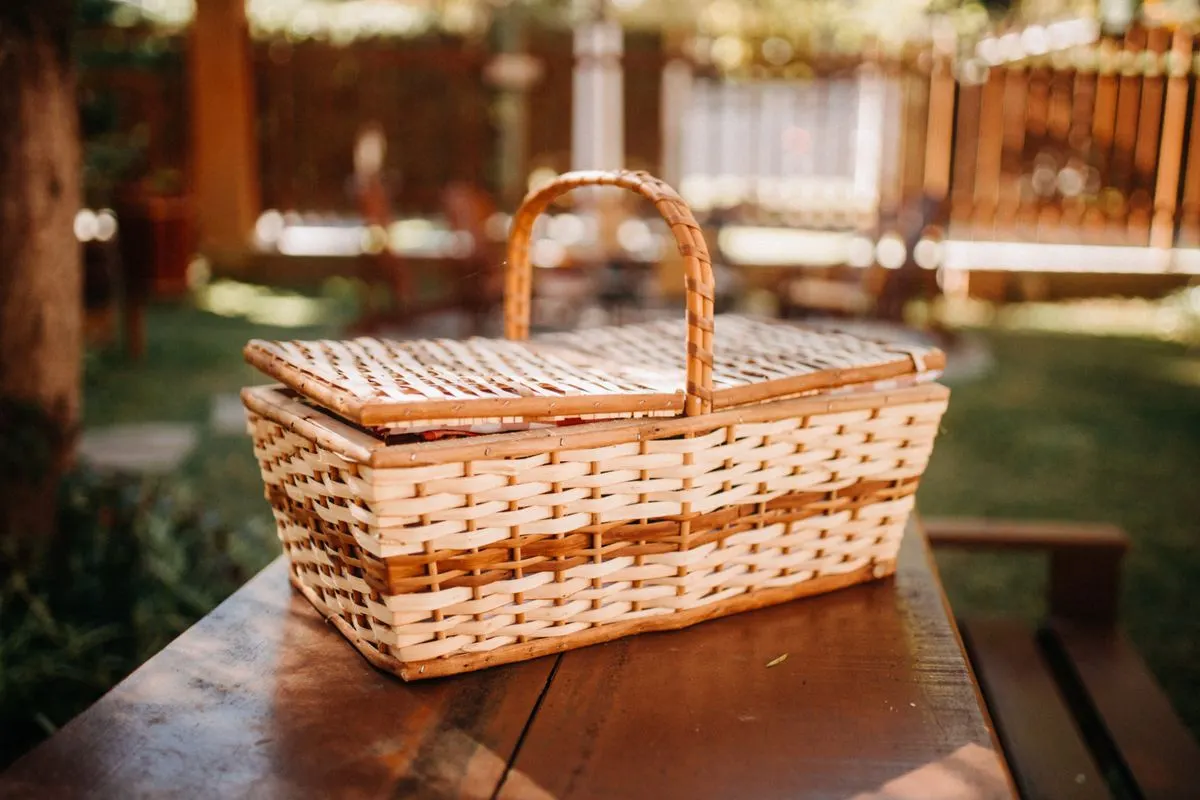
Keep tools, locks, cleaning products, and soiled equipment away from food. Use containers and packaging suitable for the contents and follow separation guidance. A bag liner that wipes clean does not remove the need to prevent leakage or contamination. Organize the load so you can reach food without setting it on the ground beside a wheel or chain.
Put frequently needed items where they can be accessed after the trike is secured. A blanket underneath all the containers may require unloading the whole basket before you can make a clean setting. Think through the order: park, secure, remove the sitting equipment, then handle food. That sequence can be more useful than a beautifully packed bag that only works in reverse.
Keep utensils and rubbish containment ready without creating loose handles or cords. A small closed pouch can prevent individual items from falling through a basket. The basket bag guide covers containment in more detail. The picnic task adds an unloading order and the need to keep clean and used items distinct.
A folded chair can be light but bulky, with a shape that extends beyond an ordinary basket. Check the trike and carrying accessory instructions before attaching one. A strap fitting around the chair does not establish a suitable anchor on the vehicle. The cargo retention guide explains why support, attachment, and restraint need to be considered together.
Compare packed dimensions with the complete vehicle outline. A chair or rolled blanket should not obstruct steering, the rider's mounting route, lights, reflectors, or access to necessary controls. Check the arrangement with the actual picnic containers loaded. Empty-basket clearance is not the reference that matters for the outing.
If a suitable chair arrangement cannot be established, choose a destination with appropriate seating or change the outing. Do not tie equipment to a fender stay, brake cable, or unfamiliar seat part simply because the rack is full. A smaller plan is preferable to a load that requires unsupported connections.
Review surfaces, gradients, traffic, gates, and stops with the full cargo in mind. A route that feels easy on an empty trike may be unsuitable when packed for a day out. The gradient guide helps interpret terrain information, but the actual vehicle's intended use and your capability determine whether the route is appropriate.
Avoid using an outing to test an unfamiliar hill or rough path. A picnic adds packing and destination tasks, so a familiar riding section can keep the first attempt manageable. If an access point is uncertain, inspect it beforehand through a suitable method or obtain reliable information from the responsible authority.
Plan an early return option. A route with several safe exits can be more useful than a loop that commits you to the full distance once you pass its midpoint. The range and route guide explains margins for an electric trike. Non-electric riders also benefit from a route that can be shortened without crossing unsuitable terrain.
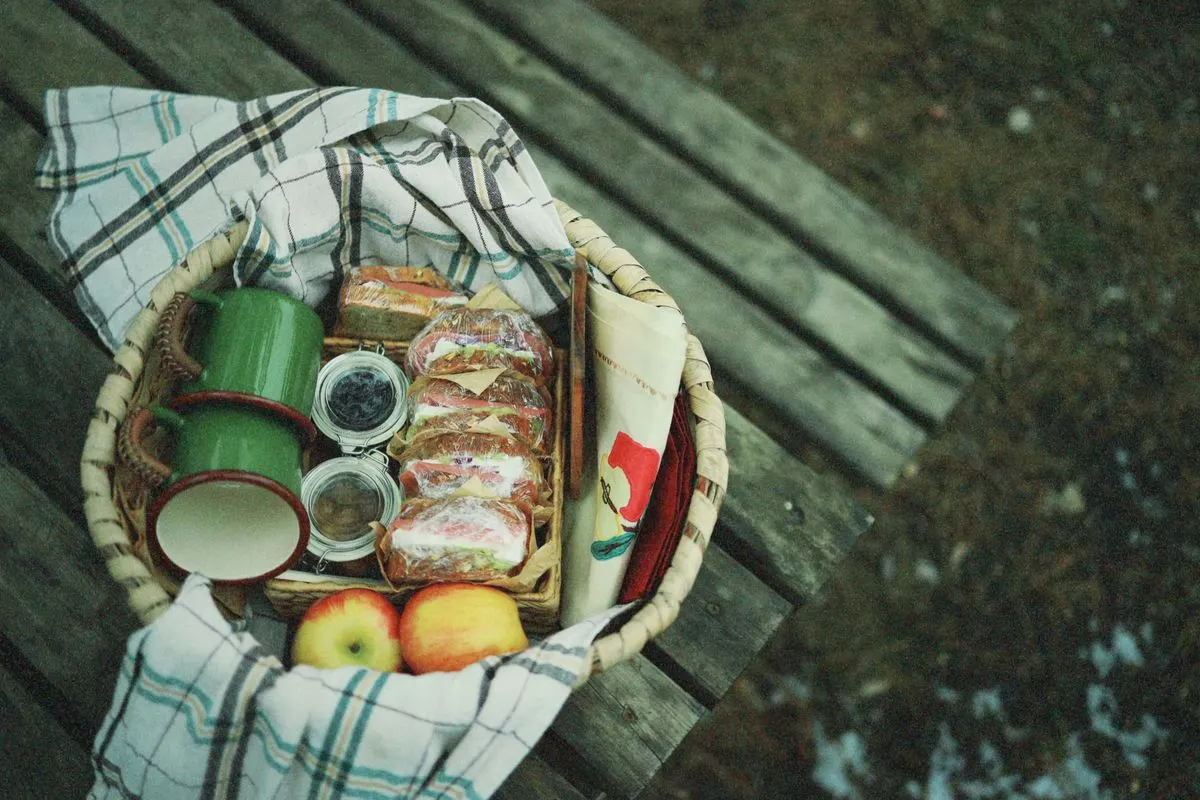
The outward ride may happen before the day becomes busy, warm, windy, or wet. Check current conditions and the forecast before departure, then reconsider them at the stop. A pleasant picnic does not guarantee a similar return ride. Keep enough time and suitable equipment for the journey home rather than treating arrival as the day's only transport goal.
The wind guide and rain guide address those decisions in more detail. Picnic items should not make a weather change harder to manage. Keep the appropriate riding garment accessible and ensure it can be used without interfering with controls or wheels.
Set a practical departure time from the destination. This is not a universal schedule or a required distance. It is a way to avoid gradually consuming the trip margin while the food and conversation remain pleasant. If conditions or your ability to ride change, end the session earlier and use the prepared fallback.
Choose a suitable surface and secure the vehicle as its instructions require. Do not assume a trike seat or basket makes a stable serving table. Keep the vehicle's normal mounting and control areas clear. A picnic setup should not require leaning across the steering assembly or leaving loose fabric near wheels.
Observe the destination's parking rules and leave paths, entrances, and accessible facilities available to others. A wide trike may not fit a conventional cycle stand, so identify an appropriate alternative before unloading. The locking guide helps organize that part of the outing without promising security from any particular location or device.
If several people are present, agree where the trike and bags belong. A chair placed beside the wheel can block the rider's route back into the seat. A clear layout reduces the need to move people and equipment repeatedly and makes an early departure easier if weather or another concern changes the plan.
Inspect the loaded trike from several positions before riding and again after repacking. A blanket or tall bag can obscure a rear light or reflector even when it is firmly retained. The passive visibility guide explains why the complete load is the useful reference. Decorative reflective trim does not automatically replace the vehicle's intended equipment.
Check handles and strap ends after the food containers become partly empty. Their position can change as bags compress. Use the intended retention and end-management method rather than tying a loose cord around a control cable. If repacking creates an obstruction, reduce or rearrange the load within the approved carrying system before leaving.
Do not assume daylight removes the need for the normal equipment check. Visibility can change with shade, weather, and the time spent at the destination. The night lighting guide covers active lighting where relevant. The picnic plan should leave room for an earlier return if the intended conditions no longer apply.
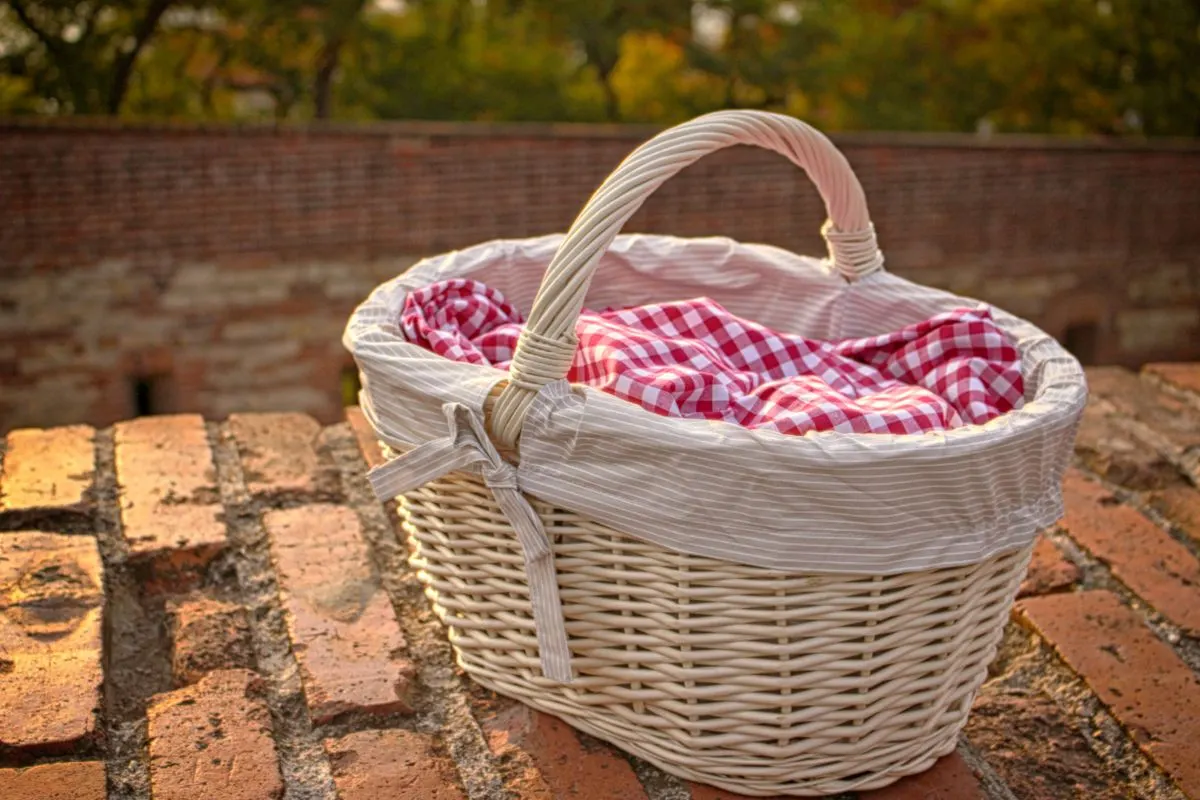
If riding with another person, choose a route and pace that suit everyone and their vehicles. A shared destination does not require the same cargo on every trike. Divide items only through arrangements each vehicle supports. Do not move a heavy cooler to the other trike merely because one basket looks empty.
Discuss what happens if someone wants to return early or has a mechanical problem. The group ride planning guide covers communication and expectations. A picnic adds equipment and food that may need to be repacked or transferred, so keep the plan clear enough that one person's change does not leave another with an unsuitable load.
If animals or passengers are part of the outing, their transport needs separate approved equipment. An ordinary picnic basket is not a passenger carrier. The pet transport guide explains that distinction. Do not let the relaxed purpose of the trip blur the vehicle's actual carrying requirements.
Keep a realistic pickup plan for the trike, rider, and remaining cargo. A helper needs to know the vehicle's dimensions and whether it can still roll or fold according to its instructions. The recovery guide addresses those logistics. Do not assume a conventional bike rack can collect every adult tricycle.
Food affected by a delay needs its own decision under current official guidance. Do not attempt an unsafe repair or continue riding a damaged vehicle to save the picnic contents. Immediate rider safety and food handling are separate tasks. A practical plan accepts that some items may no longer be suitable after an unplanned interruption.
Carry communication and essential personal information in an accessible place. A phone buried beneath a cooler is awkward to reach when the vehicle cannot be moved. Check any independent power equipment before departure, following its instructions. A useful recovery plan should not depend entirely on the electrical system that may be the reason for stopping.
After returning, note which items were useful, what was difficult to pack, and where the route or destination created friction. Clean and store containers, bags, and the trike according to their instructions. Keep used fabric and food-handling equipment from being left damp or soiled in a closed basket until the next outing.
Improve the next trip by changing one practical issue at a time. A different destination table, a smaller container, or an earlier return may solve more than another accessory purchase. The best picnic setup is the one you can pack, carry, use, and bring home comfortably within the documented limits of the actual trike.
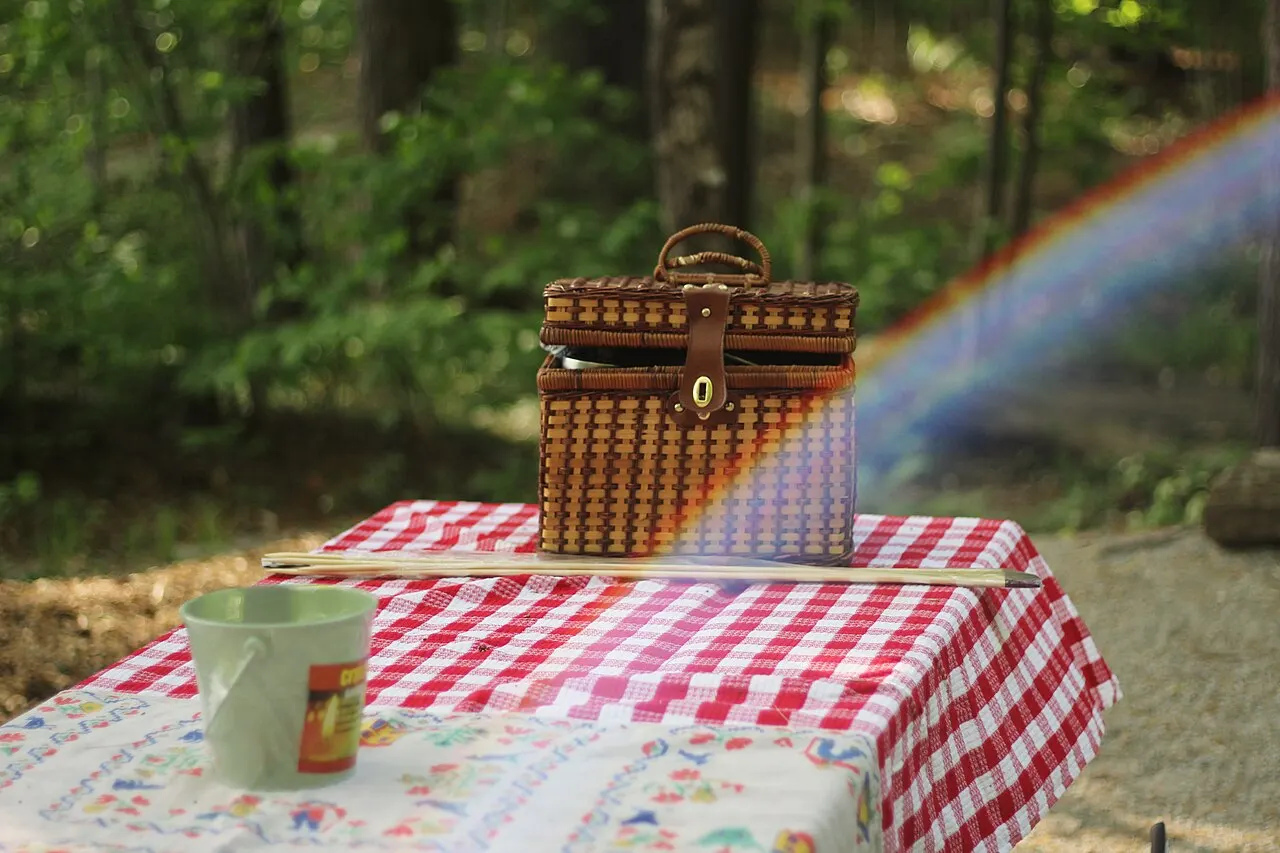
Review the load once before leaving home and again after the picnic. The first review checks prepared food, containers, required cold sources, seating, personal items, and retention. The second checks remaining food under appropriate guidance, used utensils, rubbish, damp fabric, and the changed shape of partly empty bags. Both stages should leave the trike within its limits with controls and visibility equipment available.
A simple written layout can help: one suitable container for the meal, another for clean small items, and an appropriate arrangement for used equipment on the return. These are organizational roles rather than a universal product prescription. The actual containers and support must fit the vehicle and contents. Avoid building a complicated system that requires several open bags to be balanced around the seat at every stop.
Consider a destination with tables near a permitted parking area. That can reduce the need to carry a chair, but the table's availability is not guaranteed. Decide beforehand whether the outing still works if the preferred place is occupied. A small alternative that remains within the destination rules is useful; leaving the trike across an access path to reserve space is not.
Keep the menu and route responsive to the day. A delayed departure may call for a shorter ride or different food arrangement. A stronger forecast wind may make another destination more suitable. Those are ordinary planning changes rather than evidence that the equipment purchase failed. The purpose of the kit is to support an enjoyable usable routine, not to commit the rider to the original plan regardless of conditions.
After returning, record one practical improvement for the next outing. Choosing a more accessible table, moving a frequently needed item, or carrying fewer containers can have more value than expanding the basket load. A repeatable picnic routine is built through those specific decisions rather than through a larger collection of accessories.
Research-based day-trip guide, 15 October 2026. No route inspection, food-container performance test, or hands-on cargo testing was performed.
Guide
Choose your first adult tricycle by checking rider fit, storage, weight limits, gears, brakes, assembly, and service before buying.

Guide
Learn how to compare adult electric tricycles for control, fit, batteries, braking, transport, and ownership support.

Guide
Understand the leg and hip muscles used when pedaling a tricycle, plus how fit, resistance, and electric assistance change the effort.