



Guide
First Adult Tricycle Buying Guide
Choose your first adult tricycle by checking rider fit, storage, weight limits, gears, brakes, assembly, and service before buying.
We research everything we recommend. When you buy through our links, we may earn a commission. Learn more
Guide
Prepare a realistic pickup plan for a wide or heavy adult tricycle with vehicle dimensions, access points, communication and suitable transport.

Updated · 12 min read
A three-wheel cycle can be difficult to collect even when the rider is close to home. It may be too wide for a bicycle rack, too heavy for one person to lift, or unable to roll after a wheel problem. A useful recovery plan accounts for the actual vehicle, the rider, the route, and the available transport. It is more than carrying a puncture kit and hoping someone can bring a car.
This guide focuses on ending an interrupted trip and arranging suitable assistance. It does not provide towing instructions, emergency mechanical repairs, or a universal loading method. Immediate danger or injury requires the appropriate local emergency response. For an ordinary breakdown, the aim is to stop safely, communicate accurate information, and avoid turning a manageable fault into a risky lifting or roadside repair attempt.

The first priority is the rider and anyone accompanying them. If a fault occurs in traffic, focus on control and moving to a suitable stopping position where that can be done safely. Do not stand in an exposed location trying to diagnose the trike. The recovery conversation begins after the immediate situation has been addressed.
A vehicle with uncertain brakes, wheel security, steering, or electrical condition should not be ridden simply because home is nearby. A code disappearing or a sound becoming quieter does not establish that the fault is resolved. Record the symptom and follow the manufacturer's instructions or obtain appropriate assessment before further use.
The safe riding guide covers the broader pre-trip context. Recovery planning complements that routine by accepting that a trip may need to end. It is better to have an accessible pickup option than to rely on the idea that every fault can be repaired beside the path.
Record the trike's brand, model, overall length, width, height, and documented weight in its normal trip configuration. Include accessories that change the space required, such as mirrors, a canopy, racks, or a trailer. Use actual measurements and maker information rather than copying a photograph's apparent proportions.
Note whether the vehicle has an approved folding procedure and what the folded dimensions are with the equipment you carry. If it does not fold, say so clearly. A helper should not arrive expecting a bicycle-sized package. Keep a photograph of the complete vehicle with the card so a transport provider can understand its shape before agreeing to collect it.
Do not put sensitive identification details on a public card or social post. A private copy can include serial information if useful, while the pickup message usually needs model, dimensions, condition, and location. The storage and transport guide addresses ordinary transport; the recovery card adds information about a vehicle that may no longer move normally.
If a friend or family member is your first contact, discuss the plan before the ride. Check whether their vehicle and available equipment can accommodate the trike. A promise to help is valuable, but it is not proof that the rear opening, load area, rack, or ramp is suitable. Arrange a normal-condition trial where practical and authorized.
Consider who can perform the approved loading process. A heavy trike may require equipment or more than one capable person. Do not assume the rider will be able to lift after a difficult trip or incident. The plan should remain workable if the rider is tired or cannot assist with the vehicle.
If using a commercial service, ask specifically about adult tricycles, electric models, and your dimensions. Confirm what the service covers and any current restrictions directly with the provider. This guide does not claim that a particular roadside policy includes trikes. General bicycle language can leave questions about width, weight, trailers, or battery condition unresolved.
When requesting pickup, describe whether the trike can roll, steer, brake, or be folded according to its instructions. Do not test a questionable function simply to fill in the message. If a wheel is jammed or its attachment is uncertain, say that the vehicle should not be rolled without assessment. That information affects what assistance is appropriate.
A flat tire and a damaged wheel are not the same recovery condition. Neither should be described merely as a puncture if you do not know the cause. The tire guide and wheel observation guide help keep the descriptions distinct. Use ordinary observations rather than an unverified diagnosis.
If the fault involves electrical equipment, record visible damage or the message without opening housings. A suspect battery requires the manufacturer's or service provider's handling instructions. Notify the provider before collection rather than treating it as ordinary cargo. The recovery plan should describe the actual condition, including anything that makes the usual transport method inappropriate.

Before a longer outing, identify places where a suitable vehicle can legally and practically reach the route. A map point on a path does not necessarily have motor-vehicle access. Gates, bollards, steep approaches, and private property can prevent a helper from reaching the trike even when the road is close in straight-line distance.
Choose recognizable locations such as an accessible car park or a documented entrance where appropriate. Check current access information with the responsible authority if uncertain. Do not promise a helper that they can drive onto a trail. The route plan should distinguish a pedestrian access point from an actual pickup location.
The width and clearance guide helps assess whether the trike can reach a proposed exit. Add the condition question: would the exit still be usable if the vehicle cannot be ridden? A route that requires climbing steps or a narrow bridge may have a very different recovery burden from an accessible roadside path.
Carry enough information to explain your location without relying on one application. A written route summary, identifiable landmarks, or saved access notes can help if navigation becomes unavailable. Keep a contact number in a form you can use when the phone's usual interface or account is inaccessible.
Before departure, check the phone and any independent power equipment according to their instructions. Do not assume the trike's electrical system will remain available to charge it after a fault. The accessory power guide addresses that dependency. A communication reserve should be ready, compatible, and easy to find.
When calling, start with your location and whether you are safe, then describe the vehicle and condition. Send a pin or photograph only when stationary and appropriate. Avoid publishing your location widely when a direct contact or service provider is sufficient. The objective is accurate assistance, not a public diagnosis thread.
A useful message says who needs help, where they are, what vehicle is involved, what it can still do, and what transport is needed. For example, describe an upright trike at an accessible car park with an uncertain rear wheel, rather than asking someone to come because the bike is broken. The clearer description lets the helper decide whether their equipment fits the task.
Include whether a trailer, pet, cargo, or another rider is present. These change the capacity and handling requirements. Do not mention them only after the vehicle arrives. A service that can collect the trike may not be prepared for an animal or additional passenger without prior discussion.
Keep technical guesses out of the first message. The pickup provider needs to know if the vehicle can roll safely, not whether you suspect a particular bearing. A separate repair record can preserve those observations. If the provider asks follow-up questions, answer only what you know and mark uncertain details plainly.
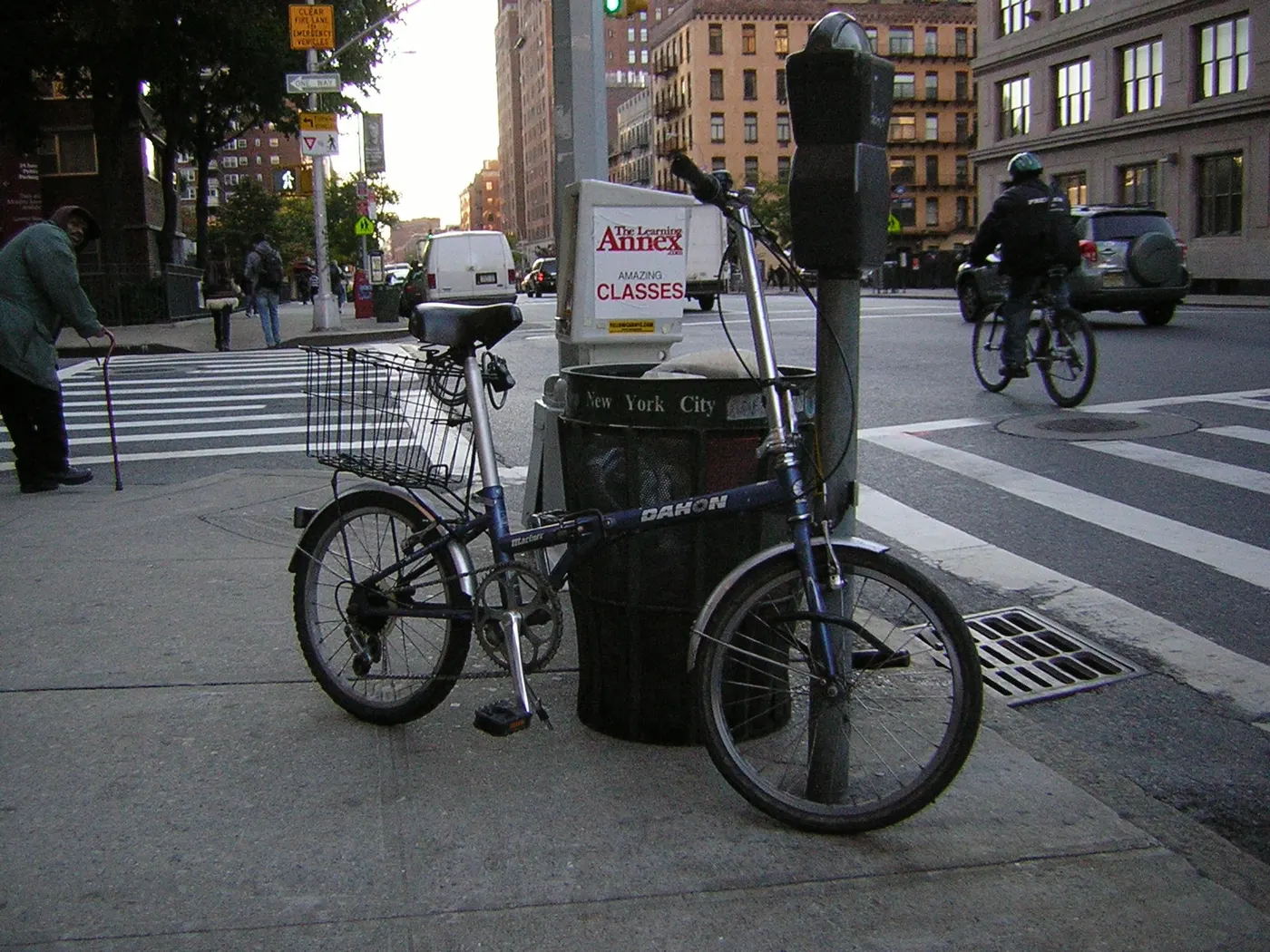
Pushing a trike can be awkward because of width, pedal position, load, and the rider's abilities. A route that is easy to ride may not be suitable to walk while controlling the vehicle. If the fault affects wheel security, braking, or steering, pushing may also be inappropriate. Ask for guidance rather than assuming it is always the safe alternative to riding.
Before trips, consider what you can realistically manage in normal conditions. Do not use that assessment to authorize moving a damaged vehicle. It simply helps identify routes and pickup points that do not depend on a long push. A recovery plan should remain useful when the trike cannot move under its own power.
Avoid towing the trike with a rope, another cycle, or a vehicle as an improvised solution. This guide supplies no such procedure. A wide three-wheel machine has control and attachment requirements that a casual tow does not resolve. Arrange suitable transport or professional assistance for the actual condition instead.
Ramps, carriers, and straps need documented suitability for the vehicle and task. A ramp available in a garage may not support the trike's wheel arrangement or weight. A bicycle carrier may not accept its dimensions or attachment points. The loading ramp guide and carrier fit guide develop those separate compatibility checks.
Do not rely on improvising a ramp from boards at the breakdown location. An ordinary-condition loading plan should already identify the equipment, people, and procedure. When the trike is damaged or cannot roll, ask the provider whether that plan still applies. A successful earlier loading trial does not cover every recovery condition.
Use the manufacturer's approved securement points and transport instructions, or the qualified provider's appropriate method for the vehicle. This article does not name universal lifting points. A seat, steering bar, fender, or accessory may not be designed to bear a lifting or tie-down load. Accurate documentation is more useful than guessing from what is easiest to grab.
A folding trike can be easier to transport in some circumstances, but folding is not a universal recovery remedy. Follow the exact sequence and ensure the current condition permits it. Damaged components, strained cables, or a jammed assembly may make the normal procedure unsuitable. Ask the manufacturer or service provider when uncertain.
Include the tools or removable accessories required for the approved procedure in the pre-trip plan. Do not assume they will be available at the roadside. If a canopy, rack, or mirror changes the folded shape, record the configuration actually used. The folding guide explains why advertised folded dimensions need a real-world check.
After recovery, restore the trike only according to its instructions and repair plan. A folded vehicle is not ready to ride until the approved reassembly checks are complete and the original fault has been resolved. Keep transport and repair as separate stages, even if both happen at the same workshop.
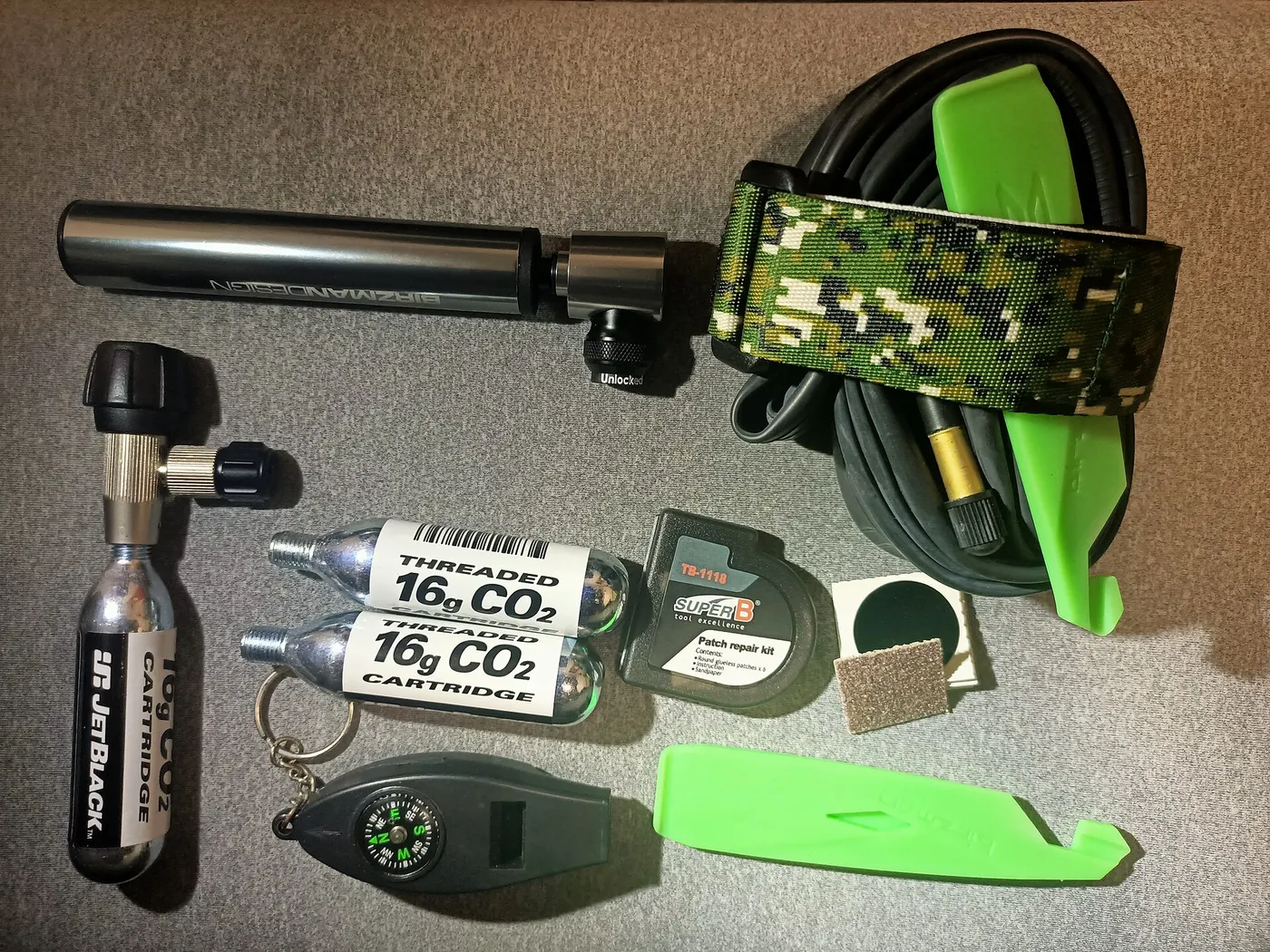
Carry only equipment you can use correctly for the actual trike. A puncture kit may be useful on one wheel and impractical on another with an unfamiliar motor cable or axle attachment. Review the maker's permitted owner procedures before the trip. The presence of a tool in the bag is not evidence that a particular repair is appropriate.
If a simple permitted task cannot be completed in safe conditions, stop and arrange recovery. Poor light, rain, traffic, missing parts, or uncertain instructions can make an otherwise familiar task unsuitable. Avoid continuing a repair solely because you have already started. Preserve the state of any removed parts and explain it to the provider.
The service shop guide helps plan where the vehicle will go after collection. A recovery destination can be home or an appropriate workshop, depending on the condition and arrangement. Confirm opening hours and acceptance before directing a helper to a shop that may be closed or unable to service the model.
If another person is riding with you, agree beforehand how the group will respond. One rider leaving to seek help should not create a new unsafe situation for the person who remains. Communication, location, and equipment should be considered together. A first group outing benefits from a short explicit discussion rather than assumptions about who has transport available.
Cargo may need to remain secure or be transferred to suitable storage. Do not unload onto a path where items become obstacles or leave loose straps near wheels. If a pet is present, use appropriate containment and handling while arranging pickup. The pet transport guide includes that additional planning layer.
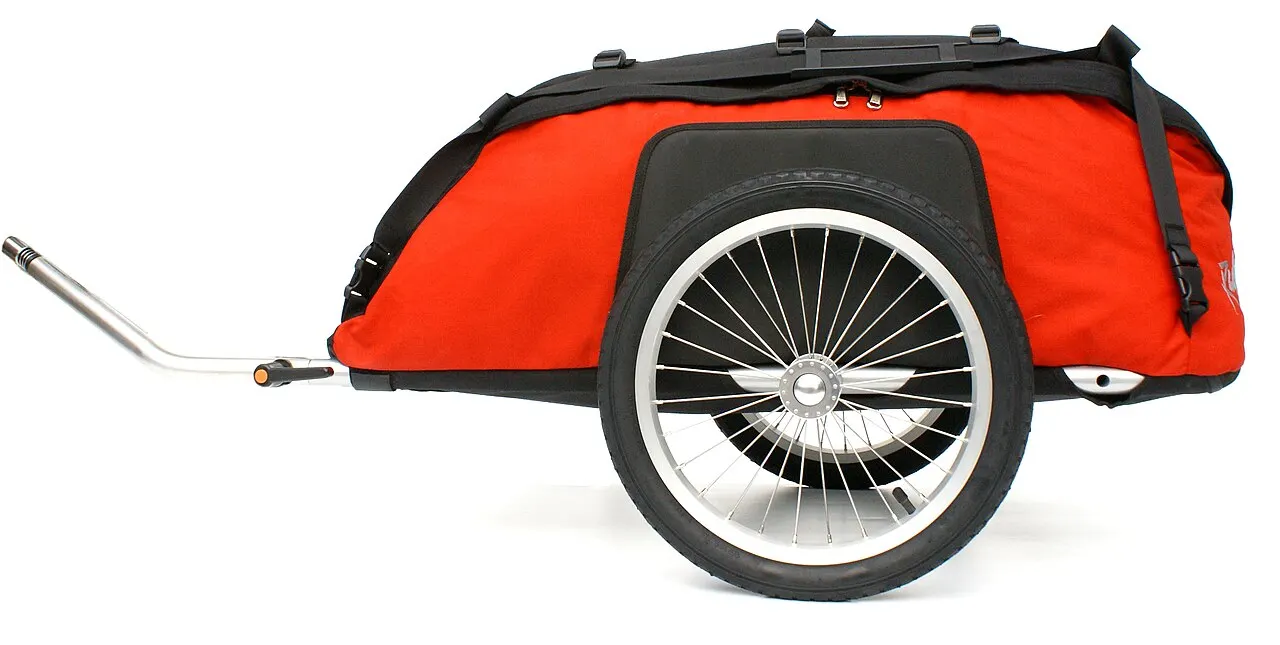
A trailer changes both the location needs and pickup capacity. Record its dimensions and whether its normal disconnection procedure is available in the present condition. Do not detach it in an exposed location simply to make the trike appear easier to collect. The whole arrangement should be planned with the helper or provider.
Choose routes and trip equipment with the possibility of delay in mind. Weather, location, provider availability, and access can affect collection. This guide does not promise a response time. A reliable plan includes a safe waiting location and a way to communicate if circumstances change.
Keep necessary personal items accessible without dismantling the loaded trike. Appropriate clothing, identification, and essential supplies should not be buried behind a damaged component or locked in a compartment you cannot reach. Plan for your own needs using your circumstances rather than a universal packing list.
If the situation becomes unsafe, reassess and contact appropriate assistance. Do not remain in danger merely to stay with the vehicle. A recovery provider can be updated about a new location or condition. The distinction between protecting a possession and protecting people should remain clear throughout the wait.
Once the trike is safely collected, write down what happened, what was observed, and whether any roadside work was attempted. Include photographs already taken and the condition during transport. This record helps a technician understand the vehicle without relying on a hurried phone conversation made during the breakdown.
Keep observations separate from diagnoses. A wheel that would not roll is a useful fact; a declared failed bearing may be only a suspicion. The bearing observation guide and display error record guide provide examples of preparing a focused service packet.
Do not resume riding simply because the trike arrived home without visible new damage. The original condition still needs the appropriate resolution. Follow the maker's and service provider's return-to-use instructions, and update the maintenance record with the confirmed finding rather than leaving the roadside guess as the final explanation.
Review what worked and what was missing: location information, transport capacity, tools, communication power, or a suitable destination. Update the vehicle card and route notes while the details are fresh. A breakdown can reveal a practical gap without requiring a large new collection of equipment.
Recheck the plan after changing the trike, adding a trailer, or moving to different routes. The helper's vehicle or availability may also change. Recovery planning is useful only when it reflects current circumstances. A short verified arrangement is more dependable than a complicated plan built from unconfirmed assumptions.
Research-based planning guide, reviewed 14 October 2026. No towing, loading certification, emergency-service coverage, or provider response time is claimed.
Guide
Choose your first adult tricycle by checking rider fit, storage, weight limits, gears, brakes, assembly, and service before buying.

Guide
Learn how to compare adult electric tricycles for control, fit, batteries, braking, transport, and ownership support.

Guide
Understand the leg and hip muscles used when pedaling a tricycle, plus how fit, resistance, and electric assistance change the effort.