



Guide
First Adult Tricycle Buying Guide
Choose your first adult tricycle by checking rider fit, storage, weight limits, gears, brakes, assembly, and service before buying.
We research everything we recommend. When you buy through our links, we may earn a commission. Learn more
Guide
Plan an approved trike pet transport setup with documented hitch compatibility, occupant space, gradual introduction, route access and recovery.

Updated · 12 min read
Taking a pet on a trike requires two separate decisions: whether the complete equipment combination is permitted, and whether the animal can travel comfortably within that arrangement. A trailer with a generous weight rating does not establish hitch compatibility, and a bicycle basket is not automatically an animal carrier. Start with the exact vehicle, transport equipment, and intended trip rather than the appealing idea of a shared ride.
This guide helps owners prepare a purchase and a gradual introduction plan. It does not provide veterinary advice, certify a trailer combination, or recommend improvised passenger arrangements. Manufacturer instructions determine equipment use; an individual animal's health, behavior, and travel suitability may require veterinary or qualified behavioral advice. Choosing not to take the pet is a reasonable outcome when either part of the plan remains unresolved.

Identify the trike model and revision, then ask its maker whether the intended pet trailer or carrier is supported. The answer should identify the equipment and connection, not merely say that the trike can tow things. A trailer made for an ordinary bicycle may need different hardware or may not be approved on your vehicle at all.
Lectric provides a useful specific example: its pet-trailer material states that the XP Trike requires a special tow bar and hitch rather than the ordinary included bicycle arrangement. The exact products and current instructions must still be checked before buying. This example demonstrates why generic compatibility wording needs qualification; it does not approve other trailer brands or other trikes.
The trailer and hitch guide covers mechanical compatibility in depth. This article adds the live-animal requirements and trip routine. Resolve the connection first, then evaluate whether the trailer interior and operating instructions suit your pet. Comfort considerations cannot make an unsupported hitch arrangement acceptable.
A purpose-built carrier should have documented use instructions, containment, ventilation, mounting, and load requirements. A rear basket or pannier described for groceries does not supply those features automatically. Do not use improvised ties, an open box, or a loose leash to turn ordinary cargo equipment into a passenger enclosure.
For a carrier mounted on the trike, ask whether the vehicle and rack permit that specific use and mounting arrangement. A rack's weight rating alone does not establish suitability for a moving animal. Load position, retention, access, and interference with the rider are separate questions. If the makers cannot confirm the complete setup, leave the proposed carrier off the vehicle.
The payload guide explains why vehicle, rack, basket, and accessory ratings are different. Include the carrier itself and any contents in the relevant load calculations. Do not treat the animal's weight as the only number or assume that a high total vehicle capacity overrides a lower accessory limit.
Weight is only one fit criterion. Review the trailer or carrier maker's dimensions and instructions for occupant space. Measure the animal as the maker directs, and consider whether it can use the intended posture without being squeezed against the enclosure. A photograph of a different breed in the product is not evidence that your pet fits.
Ask what internal dimensions are actually available after pads, restraint equipment, and other required items are installed. External width can overstate usable interior space. Conversely, a carrier that is large inside may still be unsuitable for your trike's mounting or route. Keep animal fit and vehicle fit as separate entries in the comparison.
If the pet has a health condition, mobility limitation, unusual anxiety, or a history of motion problems, obtain appropriate individual advice before making the trip plan. This article does not prescribe treatments or promise that cycling will improve the animal's wellbeing. Equipment selection and clinical suitability are different questions and should be resolved by the relevant sources.
Use only the enclosure and restraint arrangement the equipment maker specifies. Do not tether an animal to the trike beside a wheel or allow it to run alongside while attached to the vehicle. A leash carried for use at a stop should be managed so it cannot reach the drivetrain or become part of an improvised towing arrangement.
Check how entry panels close and whether any opening may remain open during travel. A pet looking through an opening in a marketing photograph does not establish the permitted riding configuration. Read the manual and ask the maker if the instructions are unclear. Keep the written answer with the equipment record.
Inspect the intended restraint before each use according to its instructions. If it is damaged, incomplete, or the wrong size, postpone the outing. A well-behaved animal still needs the equipment's proper containment. The plan should not depend on the pet remaining perfectly still or never reacting to an unexpected sound.
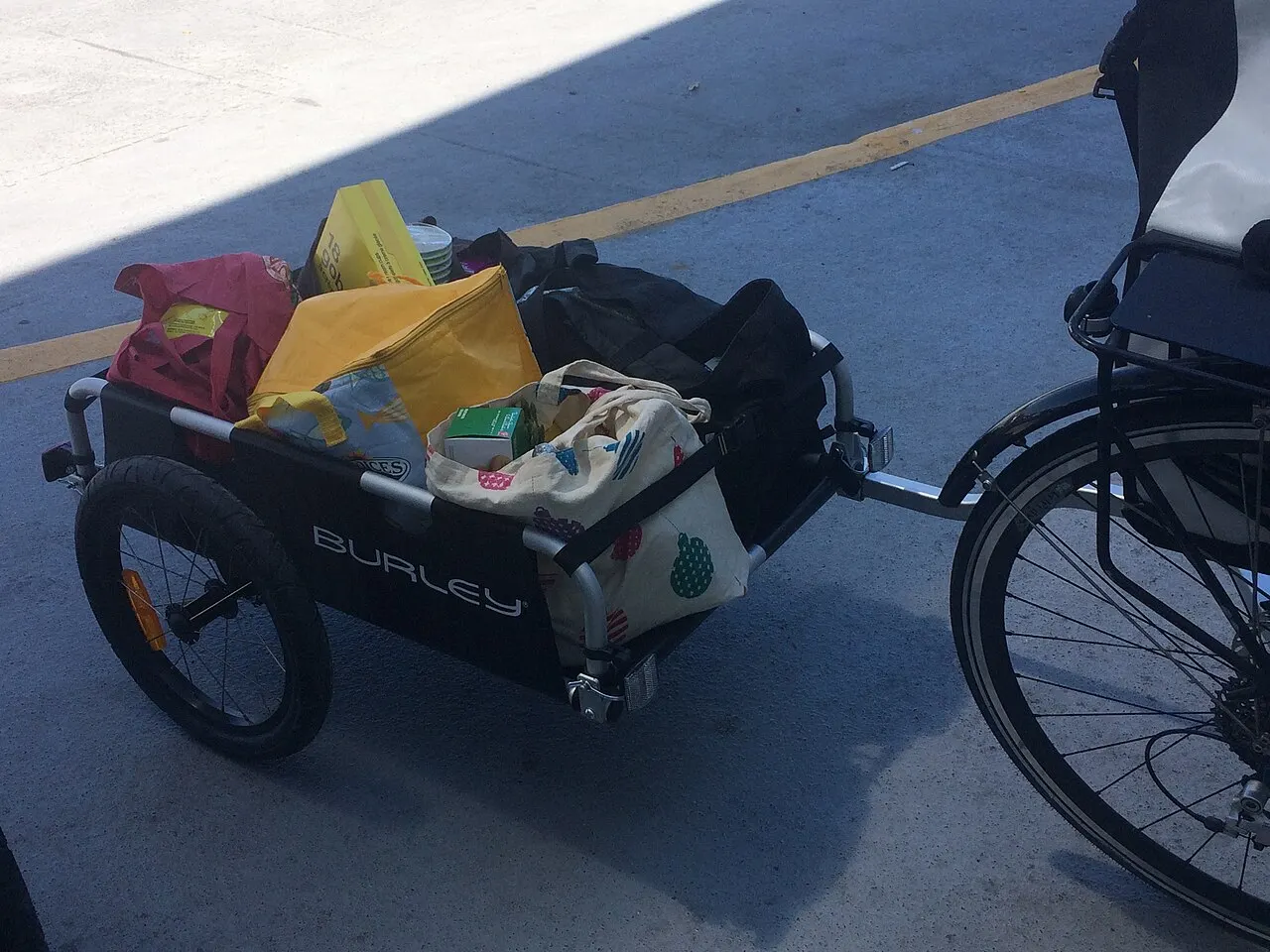
Begin by letting the pet become familiar with the equipment in a safe stationary setting, following the maker's guidance and suitable behavioral advice where needed. The objective is to observe acceptance of the space, not to force completion of a training schedule. Some animals may need more time or may not be suitable for this form of travel.
Keep the first sessions separate from traffic, unfamiliar dogs, and a demanding route. An animal that is uneasy in the stationary enclosure should not be taken onto a busy path simply because the hardware is installed. Stop when the pet shows concerning distress and seek appropriate advice rather than treating resistance as something to overcome during the ride.
Do not claim a universal number of sessions or minutes. Individual behavior and equipment instructions matter. Record what was introduced and how the pet responded so the next step is deliberate. A gradual plan can remain short and practical without pretending that every animal follows the same timetable.
Follow the trike and trailer instructions for learning the complete arrangement before carrying an animal. Ask the maker or installer how to practice safely and whether a specified practice load is permitted. Do not improvise ballast that can move around or exceed limits. The preparation should establish control of the approved setup rather than simulate every possible animal movement.
Learn the actual length, width, turning space, and stopping routine in an appropriate setting. A trailer changes the space the whole arrangement occupies. The turning and camber guide and path clearance guide provide the broader trike context. Trailer instructions supply the additional requirements.
Avoid assuming that electric assistance compensates for towing demands. Motor operation, braking, load, and route suitability need to remain within the manufacturers' requirements. If the permitted arrangement is difficult to control during preparation, stop and reassess with the provider. Carrying the pet should not be the first attempt to discover how the complete vehicle behaves.
Choose a location where the trike and trailer can be secured as instructed and the animal can enter without traffic pressure. Prepare the intended restraint and closure before opening the enclosure. The sequence should keep the pet contained without leaving you trying to control an animal and an unsecured vehicle at the same time.
At a stop, do not open the trailer simply because the pet appears eager to leave. Establish the safe location and appropriate handling first. A busy roadside, steep slope, or narrow path may not be suitable. Plan rest locations where the complete arrangement can be parked without obstructing others and where the animal can be managed properly.
The mounting guide covers the rider's sequence. Combine it with the animal-loading instructions so the routine makes sense as one process. If another person helps, agree who manages the trike and who handles the animal. Do not rely on an unspoken division of responsibility.
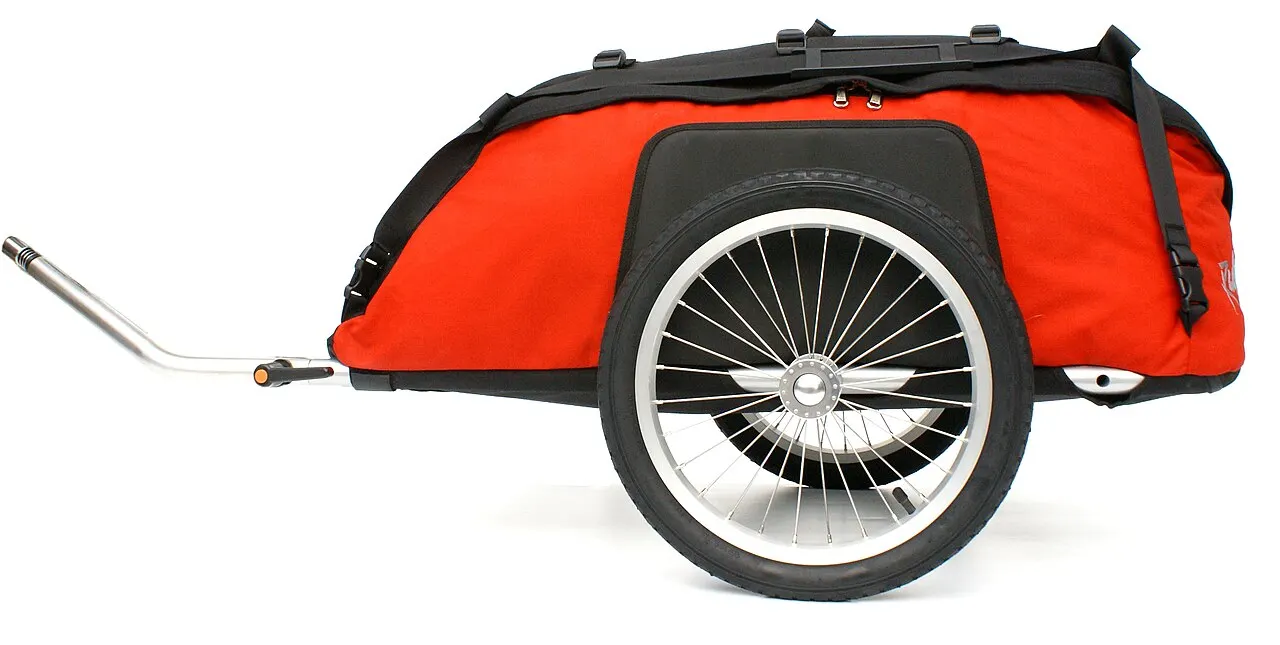
Check gates, bollards, narrow paths, surface transitions, and places where a trailer may follow a different line from the trike. A route suitable for the unloaded vehicle may be unsuitable for the longer arrangement. Walk uncertain access points or obtain reliable information before the first animal trip rather than discovering a blocked exit after loading.
Choose an initial outing with straightforward access and a practical option to end early. Avoid a route that forces a long return if the animal becomes unsettled or the equipment develops a problem. The route gradient guide helps evaluate terrain, while trailer instructions govern permitted use on the actual surfaces and slopes.
Check current rules for the destination and path with their responsible authority where relevant. Pet access and cycle access are separate permissions. This guide does not claim that a trailer or trike is accepted everywhere. An accessible path on a map may still have local restrictions, seasonal changes, or entrances unsuitable for your equipment.
The animal's environment inside a carrier or trailer can differ from the rider's experience. Follow the equipment's ventilation and weather instructions and obtain appropriate animal-specific advice where needed. A cover advertised as waterproof does not establish comfortable conditions for every temperature or outing.
Avoid treating extra covers as a universal solution to cold, rain, or sun. They can change ventilation, visibility, and access. Use only the intended arrangement, and postpone the trip when conditions do not suit the pet or equipment. The canopy guide addresses rider equipment but does not approve a canopy modification for an animal trailer.
Plan rest and reassessment opportunities instead of committing to a fixed distance. Observe the pet's condition at safe stops and end the outing if there are concerns. This is a planning principle, not a veterinary monitoring protocol. If you need guidance on heat, hydration, medication, or a medical condition, consult an appropriate veterinary source for that animal.
Carry the pet's necessary supplies in approved storage without crowding the occupant space or blocking ventilation. Include their weight in the applicable limits. A bag placed inside the enclosure may shift or create an unintended obstacle. Use the equipment's designated storage arrangement and secure items as instructed.
Food, water, cleaning materials, and a leash for stops may be useful depending on the trip, but this guide does not prescribe quantities or feeding routines. Follow individual advice and the intended itinerary. Keep loose straps, handles, and cords away from wheels and the hitch.
The grocery and cargo guide provides general containment principles. Pet transport requires more than treating the animal as one additional parcel. The enclosure must preserve the manufacturer's intended occupant space, while other cargo remains independently secured in permitted locations.

Check the complete arrangement from front, rear, and sides before departure. A trailer can obscure a trike light or change which part is visible to another road user. Use the equipment's specified reflectors, flag, or lights where required and verify their installation. Do not assume the trike's existing rear equipment remains adequate simply because it is still switched on.
The passive visibility guide and night light guide address those separate layers. Keep the first pet outing in conditions that suit both the equipment and your preparation. Added visibility items should not interfere with containment, ventilation, hitch movement, or the rider's controls.
After loading, check that fabric, restraint ends, and luggage cannot enter rotating parts. Follow the equipment's pre-use checklist rather than improvising a visual standard. If a required component is missing, damaged, or ambiguous, resolve it before the animal enters the trailer. A completed shopping order does not equal a ready-to-use setup.
Decide how you will end the trip if the pet becomes distressed, the weather changes, or the trike cannot continue. A helper needs enough space for the trike, trailer, and safely managed animal. A vehicle that can collect a bicycle may not accommodate the complete arrangement. Verify the plan before a longer outing.
The roadside recovery guide explains location and vehicle information. Add the trailer dimensions and the animal's handling requirements. Do not plan an improvised tow or a loose animal ride on the helper's floor as the default solution. Use appropriate equipment and suitable assistance for the actual situation.
Keep contact and identification information available in the form appropriate to the animal and location. Avoid publishing those details in public equipment photographs. A private trip record can be complete while a forum question shows only the hitch and model information needed for compatibility discussion.
Follow the maker's cleaning, inspection, folding, and storage instructions. Remove soiling with the permitted method and check components before the next outing. A clean-looking enclosure is not proof that its restraint, hitch, wheels, and closures are in suitable condition. Keep maintenance and occupant comfort as separate tasks.
Store the trailer so its labels, instructions, and model information remain available. If a hitch or tow bar is shared between cycles, record which combination it supports. Do not transfer hardware to another trike merely because it can be attached. The compatibility question must be answered again for the new vehicle.
Keep a short record of trips and any concerns. If the pet repeatedly appears uncomfortable despite suitable equipment, reconsider the activity and seek appropriate advice. A transport plan should remain responsive to the animal rather than treating the initial purchase as a commitment to keep riding.
Two suitable products can create different daily tasks. Compare where each will be stored, how it is assembled, how the animal enters, and what checks are required before departure. A trailer that fits the pet may still be impractical if its approved setup cannot be completed in the available space. Keep those routine questions beside the internal dimensions and hitch requirements rather than deciding from the enclosure alone.
Ask the supplier what is included and which model-specific parts are additional. The visible trailer in a product image may not include the trike's required tow bar or every accessory shown. Confirm the complete equipment list in writing. This prevents an apparently finished purchase from leaving the owner with an enclosure that cannot yet be attached through the intended arrangement.
Keep the gradual introduction plan independent of the delivery date or a planned social outing. A new product arriving before a weekend does not mean the animal is ready to travel that weekend. If acceptance, fit, or compatibility remains uncertain, postpone the ride. A sensible purchase process allows that outcome without treating the unused equipment as a reason to rush the next step.
Research-based equipment and trip-planning guide, reviewed 14 October 2026. Contextual trailer photographs are not product endorsements. No veterinary assessment or hands-on pet-transport testing was performed.
Guide
Choose your first adult tricycle by checking rider fit, storage, weight limits, gears, brakes, assembly, and service before buying.

Guide
Learn how to compare adult electric tricycles for control, fit, batteries, braking, transport, and ownership support.

Guide
Understand the leg and hip muscles used when pedaling a tricycle, plus how fit, resistance, and electric assistance change the effort.