



Guide
First Adult Tricycle Buying Guide
Choose your first adult tricycle by checking rider fit, storage, weight limits, gears, brakes, assembly, and service before buying.
We research everything we recommend. When you buy through our links, we may earn a commission. Learn more
Guide
Check adult trike canopy fit through required parts, installed dimensions, view, entry, weather limits, cargo, transport, care and refitting.

Updated · 12 min read
A canopy changes the complete tricycle envelope and introduces its own mounting, care and operating requirements. It should be selected for the exact vehicle and intended use, not because a fabric top can be positioned above the seat. Shade, weather exposure, wind, observation, entry, storage and transport are separate questions.
Start with a supported product and the full configuration. This guide explains the compatibility and ownership process without certifying wind or rain protection. It does not provide medical sun-protection advice or a tested UV rating. The accessory guide covers the wider mounting chain.

Record the trike model, revision, rack, basket, seat and existing accessories. A canopy can depend on a specific support arrangement. Lectric's official product page, for example, lists named XP Trike models and requires its specified large basket installed on the rear rack. That is a product-specific requirement, not permission to adapt the canopy to every trike or basket.
Confirm what the purchase includes and which required parts are separate. A product photograph can show the vehicle, basket and accessories while the listing supplies only the canopy assembly. Read the current installation resource before ordering so the complete cost and work are clear.
Ask for a precise compatibility answer where the vehicle or accessory revision is uncertain. Do not assume a similar frame or basket shape establishes fit. A generic universal title cannot replace the required mount, parts and permitted use. If the supported combination cannot be established, choose another documented arrangement or defer the purchase.
Read what the actual product is intended to provide: a shaded area, a windscreen, limited weather coverage or another defined role. These functions are not interchangeable. A fabric top's presence does not establish a tested UV outcome, a complete rain enclosure or protection from every wind condition.
Keep product claims attached to their source and conditions. If a measured rating matters, obtain documentation for the exact material and assembled use rather than guessing from thickness or color. This article does not test any such rating. Do not turn a promotional comfort statement into a clinical or all-weather guarantee.
The base vehicle's exposure restrictions still apply. A canopy does not make electrical equipment waterproof or authorize outdoor storage. The rain guide and cover guide treat those separate decisions. Riding shade and stationary protection are different tasks.
Record installed length, width and height through the maker's method, including protruding supports and accessories. Compare the actual configuration with gates, doors, branches, storage and transport openings. The bare trike's dimensions no longer describe the whole vehicle when the canopy is fitted.
Ask whether published dimensions describe a particular seat or height setting and whether adjustments change the envelope. Do not assume the smallest listed figure applies to your setup. A photograph from the side can conceal the widest point or the space needed during entry and turning.
Use the width-and-clearance guide for route measurements, while the exact canopy instructions govern fit. A path that was practical without the accessory may need reassessment. Do not trim or bend supports to pass an opening outside the permitted procedure.

Assess the complete setup from the intended riding posture while stationary and secured. Check that the required view, controls and mirrors remain usable through the vehicle and accessory instructions. A windscreen or support can affect the practical sight line differently for riders using different seat positions.
Do not accept an unresolved observation issue because the accessory offers desirable shade. Obtain an approved adjustment or alternative configuration. The mirror guide treats mirrors as support for awareness, not permission to abandon the required observation routine.
Include ordinary clothing, helmet and stopped access to bags or bottles. A setup that looks comfortable without the actual equipment may interfere when the rider enters or reaches a control. The test-ride guide helps record the specific task assessed and what remains untested.
Follow the normal mounting and dismounting routine with the complete approved accessory configuration. A canopy's supports can occupy space used by hands or clothing. Do not grip a support as a lifting or stabilizing point unless the instructions expressly permit it. A component that carries fabric is not automatically a suitable handhold.
Plan suitable parking space with the installed height and width. A crowded rack or narrow café entrance can be more difficult than the route itself. Keep the vehicle out of prohibited or obstructive positions through local requirements and practical access. A canopy does not remove the need for an ordinary security routine.
The mounting guide and group-ride guide cover those connected tasks. If another person helps, explain the intended process and unresolved restriction. They should not infer a handle point or clearance from the accessory's appearance.
Read the canopy and vehicle restrictions and use current official local weather information. Do not infer a safe wind threshold from the accessory's marketing or from the trike having three wheels. The complete configuration can differ from the unmodified vehicle, and this article measures no aerodynamic effect.
The wind-planning guide explains route exposure and exit decisions. A canopy is not a reason to ride through unsuitable conditions. Do not add ballast, remove required visibility equipment or modify supports as an improvised wind remedy.
If an operating restriction or required removal procedure applies, follow it. Plan that work before the route makes it urgent. An accessory that cannot be removed or stored through its approved method in the intended routine may be an impractical ownership choice even where the initial installation is compatible.

Identify the supplied hardware, support parts, orientation and applicable fastening specifications. Do not borrow values from another accessory or add arbitrary ties to stabilize a mismatch. The torque guide explains why the complete instruction and joint condition matter.
Confirm who should perform installation and which checks follow. A large accessory can be awkward to handle, so arrange suitable assistance where the procedure requires it. Do not use the first ride to determine whether a support conflicts with a wheel, cable or other component. Required stationary checks come first.
If the assembly will not retain its intended condition, stop and obtain assessment. Repeated tightening is not a general repair for incompatible, damaged or incorrectly installed parts. Keep the exact model and work record so the provider can evaluate the complete system rather than an unidentified fabric top.
A canopy mounted through a basket or rack can affect how cargo is accessed and retained. Read the complete load and placement guidance. The basket's usable space and the vehicle's payload should not be assumed unchanged merely because groceries still fit around a support.
Check bags, straps, lights, reflectors, flags and other accessories as a combination. Independent product compatibility may not resolve shared mounting points or concealed equipment. The pannier guide and payload guide address related tasks.
Do not move required electrical or brake routing to make room. Choose a documented supported arrangement and retain the clearances specified. Loose fabric, closures and straps need their intended securement so they cannot reach moving parts or obscure a required check.
Determine whether the canopy remains fitted during permitted storage and transport, and follow removal or folding instructions where applicable. Do not assume a stationary accessory can be carried on a highway rack in the same configuration. Riding fit and transport approval are separate questions.
The carrier guide covers the complete vehicle/receiver/rack/trike relationship. Include the canopy and supports in the supplier inquiry. A carrier compatible with the bare vehicle may not answer visibility, restraint or clearance with the accessory fitted.
After refitting, complete the required fastening, position and clearance checks. A photograph can help memory but does not replace the procedure. Keep removed parts identified and make unfinished work visible to shared users. A neat-looking canopy should not be taken as proof that every support has been verified.

Read separate instructions for fabric, windscreen, support and mounting parts. A frame cleaner may not suit the screen, and a washable fabric claim does not apply to every assembled component. Follow permitted methods and drying, avoiding unapproved solvents, abrasives or heat.
Inspect condition and required retention through the maker's routine. A torn panel, damaged support or abnormal mount can need replacement or service. Do not patch a structural or retention concern with a household material merely because it improves appearance. Obtain the specified response and part identity.
Ask how replacement panels, fittings and instructions are supplied. Include care effort, installation and replacement parts in current quotes. A low canopy price can omit a required basket or support. The useful comparison is the complete recurring routine rather than only the fabric top's visible cost.
Record vehicle and revision, required basket/rack, complete kit, installed envelope, view, controls, entry, cargo, weather restrictions, transport and care. Mark evidence sources and unresolved questions. This prevents a partial physical fit observation from becoming complete approval.
| Area | Information needed |
|---|---|
| Mounting | Exact supported vehicle and required parts |
| Envelope | Installed dimensions and practical route/storage access |
| Operation | View, controls, entry and permitted conditions |
| Ownership | Cargo, removal, transport, care and replacements |
Ask precise questions where the listing is incomplete. A supported product can be useful, but the current vehicle and routine still need their own assessment. Do not infer certification of shade, weather or handling from a compatible model name alone.
Imagine the bare trike fits the garage but the installed canopy may exceed the opening. Measure through the maker's method and identify the approved removal or adjustment routine. Include the space needed to perform that work and where the removed assembly is stored. Do not solve the problem by bending supports or pushing the vehicle under the opening.
If the complete routine is manageable and supported, record it for shared users. If it remains impractical, choose another documented arrangement rather than accepting daily improvised handling. The example is an ownership assessment, not a statement about any particular garage or canopy dimension.
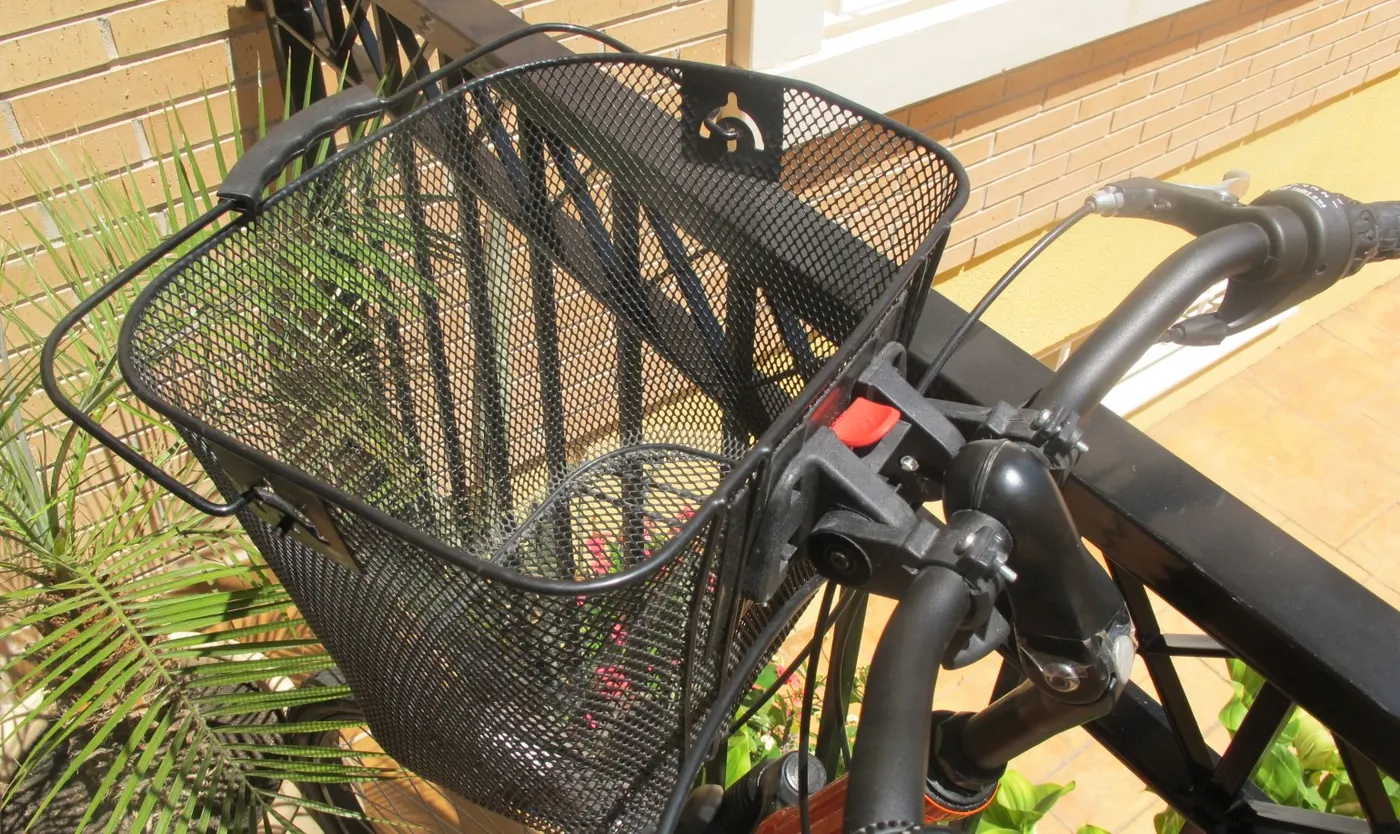
List ordinary clearances and stops, including the storage entrance, gate, branches or covered passage, destination parking and any transport step. Assess the installed envelope and the space needed for permitted removal. A canopy can fit the vehicle while making an essential daily task impractical. The right buying question includes that full routine rather than only whether the fabric shades the seat.
Keep route conditions current. A new obstruction, closure or different destination can change the practical plan. Do not treat an earlier successful trip as proof that every similar opening or weather condition is suitable. Use the exact product restrictions and appropriate local information, and preserve the ability to change the outing when a relevant condition remains unresolved.
If the canopy must be removed for one recurring step, include the actual time, assistance, storage and refitting checks in the comparison. Do not assume quick removal from a promotional demonstration transfers to your space and ability. A useful supported accessory should have an ownership routine you can perform consistently without improvising grips, restraints or adjustments.
A rider's report of feeling shaded or more comfortable is a subjective observation about that configuration and conditions. It does not measure UV protection, screen clarity, water resistance or aerodynamic behavior. Keep those distinctions visible in a recommendation. If a technical rating matters, obtain documentation for the exact product and intended assembly rather than inferring it from material weight or color.
Do not adopt every promotional weather claim as a complete operating permission. The canopy and trike instructions still govern use, while current conditions and route exposure inform the departure decision. A compatible installation answers fit; it does not certify every forecast. This article does not provide a safe wind number or measured temperature reduction.
For an affiliate reader, explain the supported scenario and unresolved task clearly. A model-specific canopy can be useful where its full configuration and routine are appropriate. That is a narrower and more useful conclusion than promising all-weather protection for every senior rider or presenting contextual photos as evidence of a tested setup.
Read the complete permitted removal and refitting process, including which parts remain on the vehicle. Keep small items identified and choose a suitable storage location for the detached assembly. Do not learn the process in a crowded passage or unsuitable weather because the accessory suddenly interferes with access.
At the next refit, complete the exact fastening, position and clearance checks. Include shared basket and cargo equipment in the restored arrangement. A photograph can assist memory, but the current procedure remains authoritative. If another person performs the work, make the completion status clear before the rider assumes the trike is ready.
Inspect an abnormal mark, loose support or changed screen position through the product's guidance. Repeated retightening is not a universal repair. Record the observation and preceding removal or transport event and obtain support where the condition remains unclear. This makes the accessory history useful for assessment rather than hiding recurring problems behind a neat appearance.
Ask for the required basket, rack, hardware and installation as well as the canopy itself. A unit price can omit essential parts. Keep the exact version and compatibility answer with the order so delivery can confirm what was agreed. A substitution should trigger reassessment of affected mounting and operating questions, not acceptance because it looks similar.
Find out how fabric panels, screens, supports and fittings are identified for replacement. Their care and service can differ. Do not assume a household patch or unapproved bolt restores the intended condition. Obtain the specified response and keep any restrictions visible while a part awaits replacement.
Include recurring care and removal effort in the ownership comparison with current quotes. The useful investment is a supported complete arrangement that fits the real routine. It does not need a fabricated savings or comfort forecast, and it should not depend on a product photograph concealing missing parts or an impractical daily clearance.
Record the exact vehicle, required basket or rack, canopy parts and current installation reference together. This prevents another user from treating a different basket or replacement support as equivalent by appearance. If an essential part changes, revisit the affected compatibility and operating questions before the accessory returns to use.
At delivery, compare the supplied identities and included hardware with the approved order. Document discrepancies through the seller's process and do not force an incomplete kit into place. The receiving step answers what arrived, while installation and the required checks establish the next stage. Keeping those stages separate makes the ownership routine clearer and preserves an accurate record when support or a replacement is needed.
Research-based compatibility guide. No canopy, UV performance, wind response, water resistance or clinical outcome was tested. Contextual photographs do not show or certify the proposed installation.
Guide
Choose your first adult tricycle by checking rider fit, storage, weight limits, gears, brakes, assembly, and service before buying.

Guide
Learn how to compare adult electric tricycles for control, fit, batteries, braking, transport, and ownership support.

Guide
Understand the leg and hip muscles used when pedaling a tricycle, plus how fit, resistance, and electric assistance change the effort.