



Guide
First Adult Tricycle Buying Guide
Choose your first adult tricycle by checking rider fit, storage, weight limits, gears, brakes, assembly, and service before buying.
We research everything we recommend. When you buy through our links, we may earn a commission. Learn more
Guide
Choose an adult tricycle cover with storage limits, real fit measurements, moisture checks, ventilation, and a practical covering routine in mind.

Updated · 13 min read
A cover can shield a parked adult tricycle from some dust or weather exposure, but it does not turn an unsuitable storage location into a dry indoor environment. Water can enter from below, damp equipment can be enclosed, and humidity can remain even when the fabric looks waterproof. Choose the storage arrangement first and the cover around that arrangement.
This guide explains measurements, fastening, ventilation, inspection, and an ordinary covering routine. It does not claim that a cover permits outdoor storage for every model or makes an electric tricycle safe to charge underneath it. The vehicle and cover manufacturers' exact instructions govern their intended uses.

Read the manual before shopping for fabric. Sun's official storage guidance recommends a clean, dry, well-ventilated indoor location and does not recommend outdoor storage even beneath a cover or similar shelter. That is manufacturer guidance, not evidence that every other brand permits the same exposure.
If your only available location is outside, ask the manufacturer about the exact model and arrangement. Describe moisture, direct sun, wind, and any electrical equipment. Do not assume a premium cover overrules the vehicle's storage requirements or warranty conditions.
Use the storage and transport guide to assess access, security, and handling. A cover should support a workable permitted routine rather than hide unresolved environmental exposure.
Record length, width, and height at the widest relevant points. Include rear basket, backrest, mirrors, and other accessories left fitted. A tricycle marketed as 24 inch can have a large rear axle and basket that a bicycle cover does not accommodate.
Check the cover maker's measuring method and whether its size describes fabric dimensions or a vehicle envelope. A soft rectangular product may taper or need room to drape without pulling on accessories. Do not choose a near-exact match from nominal figures alone.
If the vehicle is folded for storage, measure that permitted configuration and the route used to cover it. The folding guide explains why folded size and handling are separate tasks. A loose oversized cover can be awkward even when it fits.
Inspect where the fabric touches the vehicle. A protruding bracket, pedal, or damaged component can abrade it. Remove or reposition accessories only through their approved methods; do not bend a mirror mast to make a cover fit.
Keep the cover from trapping a brake cable or pulling a lever. Avoid using a seat accessory as a handle while arranging the fabric. The vehicle should be secured according to its parking instructions before covering or uncovering.
Leave the storage layout clear of doors and emergency routes. A draped cover can extend beyond the frame footprint and hide a tripping obstruction. Include that envelope in the clearance worksheet.
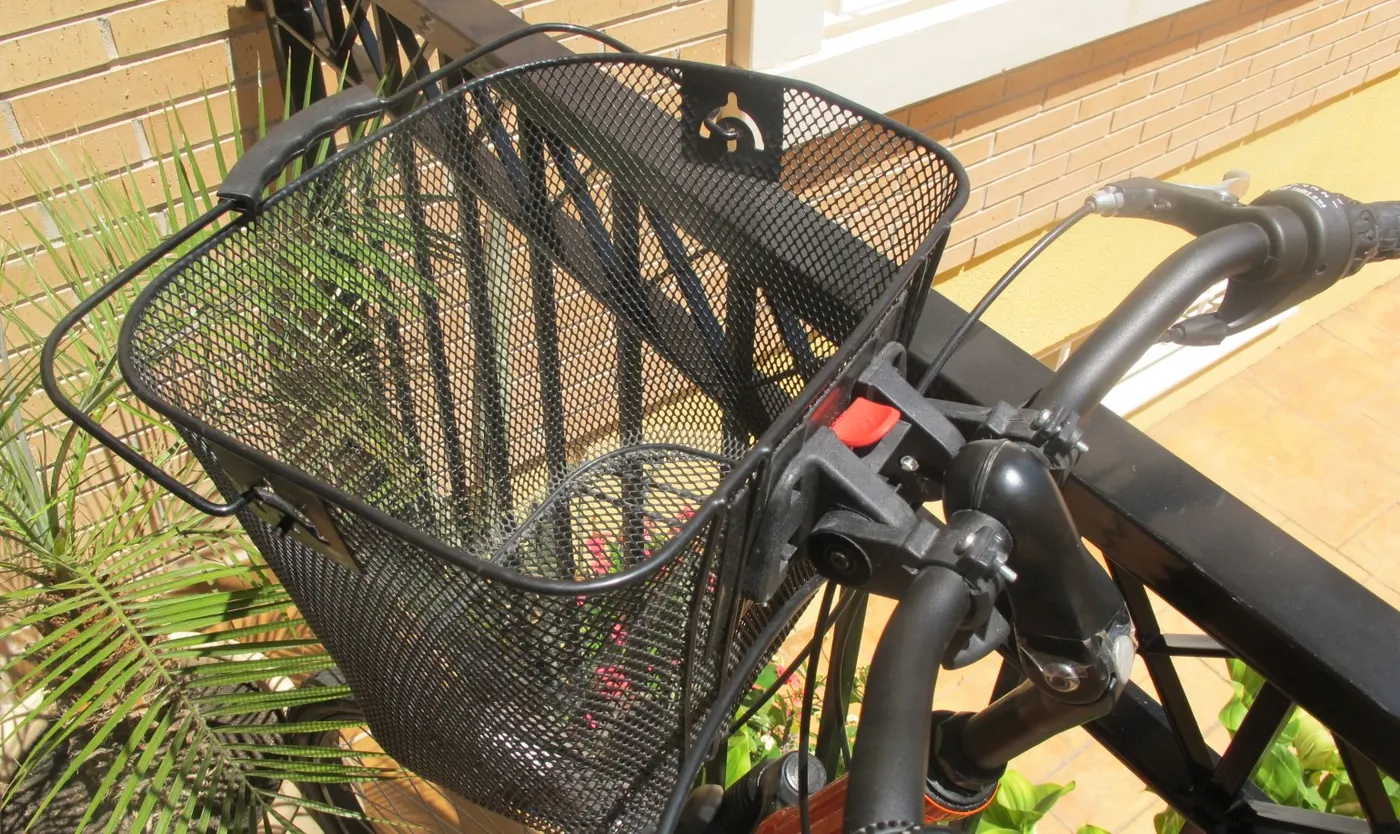
Read what the cover's water statement actually covers: fabric, seams, closures, openings, or a defined use. Waterproof fabric can coexist with an open base or a closure that admits water. Product photographs do not establish protection under your storage conditions.
Check the care instructions and whether any treatment or coating requires maintenance. Do not apply a chemical intended for another material without approval. A new coating can affect breathability, finish compatibility, or the cover's stated performance.
If carrying valuable electrical or personal items, remove and store them through their instructions rather than relying on the cover as their only protection. A tricycle cover is not a battery transport case or a dry-storage certification.
Moisture inside a cover may come from a wet vehicle, the ground, humid air, or changing temperatures. Finding droplets does not prove the outer fabric leaked. Inspect the context and follow the cover and vehicle instructions rather than sealing every opening immediately.
Ventilation features can help a product's intended routine but do not guarantee a dry environment. Their usefulness depends on the storage arrangement, and a vent must not be blocked by a basket or wall. Do not cut extra holes as an improvised fix without manufacturer guidance.
If persistent dampness remains, reconsider the storage location. A second tighter layer may trap more moisture rather than solve the problem. The corrosion guide explains why exposure and inspection belong in a broader care plan.
After a permitted wet ride, follow the model's cleaning and drying instructions before enclosed storage. Do not pressure-wash electrical components or use a heater directly on the pack. The rain guide covers those boundaries.
Dry the cover separately when its instructions require it. A wet cover folded into a small pouch can develop a different condition from fabric left appropriately ventilated. Inspect the inside as well as the weather-facing surface.
Keep dirty fabric from rubbing grit against the frame or lamp lenses. A cover can be mechanically abrasive when repeatedly pulled across the same area. Cleaning and fit should reduce that contact rather than relying on a thicker layer to conceal it.

Use the intended straps, buckles, and attachment points. Keep loose ends away from wheels, chain, brakes, and electrical wiring. A strap under the frame should not be assumed compatible merely because it reaches across the vehicle.
Do not use cords that pull accessories out of position or require excessive force to close. Check for movement or wear after ordinary use and weather exposure. A cover that repeatedly comes loose may need a different fit or approved fastening method.
Before riding, remove the complete cover and its restraints and inspect the vehicle. A forgotten strap can enter a wheel even when most fabric has been put away. Make the removal check part of the normal departure routine.
Do not assume that charging beneath a cover is permitted because the tricycle is protected from rain. The battery and charger need their prescribed conditions, ventilation, and presence during charging. Fabric and enclosed space can create conflicts with those requirements.
Use the approved charger and exact battery handling instructions. The battery-care guide explains the routine. If the available location cannot support it, resolve that before depending on the electric vehicle.
A removable battery can help logistics only when the rider can remove, carry, store, and refit it correctly. Cover convenience should not become a reason to leave suspect electrical equipment in use or borrow an unverified charger.

A product intended for stationary storage may not be designed for airflow and movement on an external vehicle rack. Check explicit transport approval from both cover and carrier makers. Do not take a parked fit as evidence that it will remain secure on the road.
Loose fabric can hide carrier attachment checks or interact with lights and the vehicle's required visibility. Follow the carrier instructions and applicable requirements. The carrier guide treats the complete system separately.
If the product is not approved for transport, remove it and store it securely. A covered photograph on a rack should not be copied as a universal method. Intended use is the first filter, not an inconvenient detail after purchase.
A cover can reduce casual visibility of the vehicle but is not a theft lock. Use a suitable permitted anchor and structural locking arrangement. A cover opening designed for a cable does not certify the cable or anchor as adequate security.
The locking guide explains reach and attachment. Check whether the cover interferes with the lock routine or makes it harder to verify that the frame is actually secured.
Keep keys and accessories organized when removing the cover. Do not leave them concealed on the parked vehicle and assume fabric provides protection. The security routine should remain straightforward enough to repeat during every ordinary storage cycle.
Park and secure the vehicle, handle permitted removable items, inspect condition, and fit the cover through its instructions. Then reverse the process and prepare to ride. Include where the dry cover is placed and how straps are stored.
Try with the rider who will perform the task. An accessory that requires bending, lifting, or reaching beyond their abilities may be impractical despite correct dimensions. Arrange dependable help or choose another permitted storage solution.
Record specific problems: a mirror snag, strap beneath a wheel, damp base, or blocked vent. These observations support a useful manufacturer inquiry. Do not diagnose fabric failure or vehicle damage from one wet surface alone.
| Check | What to confirm |
|---|---|
| Vehicle permission | Exact storage requirements and environmental limits |
| Envelope | Complete stored dimensions and accessories |
| Product use | Stationary or explicitly permitted transport use |
| Contact | No sharp points, control interference, or abrasive grit |
| Moisture | Drying, ventilation features, and persistent-dampness response |
| Routine | Fastening, removal, storage, charging, and security |
Keep unresolved items visible before purchase. A seller's description of universal fit does not answer a wide basket, unusual frame, or electric charging question. A more expensive cover is not automatically the right solution to a location the vehicle maker does not recommend.
Imagine the tricycle is placed in a shed after a rainy trip and immediately covered. The next morning, droplets appear on the frame. Check the vehicle's drying routine, cover condition, shed ventilation, and the manufacturer's storage requirements before blaming one material.
Remove and dry items through their instructions and inspect accessible parts for abnormal condition. Do not connect a charger to wet or damaged contacts. If moisture persists, seek a more suitable arrangement rather than adding layers that obscure the problem.
This scenario is illustrative, not a diagnosis of your shed. The useful action is to identify which part of the routine remains unsuitable and obtain the relevant guidance. A cover should make permitted storage easier, not provide a reassuring layer over unresolved exposure.
A wet surface under a cover does not identify where the water came from. Rain can enter through a damaged seam or an opening, water can already be on the vehicle when it is covered, and humid air can leave droplets on a cooler surface. These possibilities can coexist. A useful inspection records when the vehicle was last ridden, whether it was dry before covering, where moisture appears, and whether the cover has visible damage. That record is more informative than deciding that every droplet proves the fabric is leaking.
Look at the pattern without turning the observation into a laboratory test. Water concentrated below a visibly torn seam deserves a different response from widespread dampness after a wet trike was wrapped overnight. Neither pattern proves that a particular ventilation modification will solve the problem. A vent needs an intended design, a suitable location, and a storage environment compatible with the vehicle. Cutting holes or adding an unapproved heater can introduce another problem while leaving the original exposure unresolved.
The cover maker's description of breathable fabric also needs context. Ask what the term means in its instructions and whether the cover is intended for your climate and use. Breathability is not a promise that a wet machine will dry promptly in a damp enclosure. Waterproofness is not permission to store every electrical component outdoors. Treat each claim as a description of one product feature rather than a substitute for the complete storage routine.
Start with the trike in its permitted storage configuration. Leave installed items in place if they will normally stay on the vehicle. Measure its maximum length, maximum width, and height, then note where those maximum dimensions occur. A large rear basket can create an abrupt step in the profile; a mirror or flag mount can stand above the handlebar; a recumbent seat can produce a different outline from an upright saddle. Three overall numbers are necessary, but the outline explains where fabric may stretch or snag.
Ask the seller whether listed dimensions describe the usable interior, the flat fabric, or a recommended vehicle envelope. Those measurements are not interchangeable. A photograph of the cover over a slim bicycle does not demonstrate coverage over two widely spaced rear wheels. If a size chart offers only bicycle categories, send your measurements and a photograph of the stored trike before buying. Obtain an answer about your configuration rather than choosing by a vague label such as large or extra large.
Check where the hem would finish and whether the intended fastening system can be reached without disturbing the vehicle. A hem that drags on the ground can collect dirt and water, while a cover stretched across a sharp basket corner may wear locally. Do not improvise ties around cables, a brake lever, or an electrical connector. If protective padding is permitted, use a material and location that do not hold moisture against sensitive parts or disguise a damaged surface.
Before uncovering, inspect the outside for collected water and dirt. Remove the cover in a way that avoids pouring that material onto the controls or dragging a contaminated panel across the frame. How practical this is depends on the opening, straps, trike shape, and available room. A cover that technically fits may still be awkward for someone who cannot comfortably reach its far side. Include access and handling in the buying decision, especially where the vehicle sits close to a wall.
After removal, let the cover dry and store it through its own care instructions. Packing a damp cover into a tight bag can make the next storage cycle begin with moisture already present. Inspect seams, straps, and areas that touched protruding accessories. Replace or repair through the maker's guidance when damage affects the intended use. A patch intended for a tent or an unrelated fabric may not preserve the cover's performance, so do not assume a familiar adhesive is compatible.
Before riding, check the vehicle separately. Remove every strap and loose covering item, confirm that the parking arrangement has been released appropriately, and complete the normal pre-ride inspection. A cover can make the trike look unchanged while concealing a slow tire-pressure loss, a shifted accessory, or new corrosion. Record recurring observations and seek model-specific advice if the same damp area, residue, or electrical concern appears repeatedly. Storage observations belong in the maintenance record, not only in a shopping review.
Suppose one cover is cheaper but must be removed, dried, and folded in a cramped passage, while another fits the permitted indoor storage space more easily. The useful comparison includes handling time, access, drying space, accessory removal, and replacement parts as well as purchase price. It does not justify paying more for an arrangement that still violates the trike maker's environmental limits. Resolve the storage location first, then compare the cover features that make that location workable.
For a shared household, write a short routine beside the storage area. State which accessories remain fitted, where the dry cover goes, and who should be contacted if something feels wet or damaged. Keep charging instructions separate and specific to the electric model. A second person should not infer that a covered vehicle is ready to charge or that a plugged-in battery may be left hidden beneath fabric. Clear instructions are particularly useful when one person rides and another handles storage.
Finally, treat a change of season or location as a reason to reassess the arrangement. A dry indoor corner and an exposed coastal shelter present different conditions even with the same cover. Recheck the vehicle instructions, the cover's permitted use, and the actual moisture pattern after moving. This is an observation-based maintenance decision rather than a claim that any scheduled inspection interval guarantees protection. The aim is a storage routine you can carry out consistently and verify without guessing what happens beneath the fabric.
Research-based selection guide; no cover water-resistance, condensation, or transport tests were performed. Exact vehicle and cover instructions govern the arrangement.
Guide
Choose your first adult tricycle by checking rider fit, storage, weight limits, gears, brakes, assembly, and service before buying.

Guide
Learn how to compare adult electric tricycles for control, fit, batteries, braking, transport, and ownership support.

Guide
Understand the leg and hip muscles used when pedaling a tricycle, plus how fit, resistance, and electric assistance change the effort.