



Guide
First Adult Tricycle Buying Guide
Choose your first adult tricycle by checking rider fit, storage, weight limits, gears, brakes, assembly, and service before buying.
We research everything we recommend. When you buy through our links, we may earn a commission. Learn more
Guide
Manage adult trike salt exposure and corrosion with material-specific care, condition records, permitted cleaning, suitable storage, and service.

Updated · 12 min read
Salt air, winter road residue, moisture, and unsuitable storage can affect a tricycle's finish and components. A small rusty accessory is not a diagnosis of the frame, while a clean-looking exterior does not rule out damage or electrical moisture exposure. Inspect the actual parts and use the manufacturer's care instructions.
This guide organizes prevention, observations, and service decisions. It does not prescribe one rust-removal chemical for every material or authorize continued use of a damaged joint. Follow exact vehicle and component guidance and seek qualified assessment when condition affects control or structural integrity.
Record whether the vehicle encounters coastal air, road salt, permitted wet riding, damp storage, or another environment. Those conditions can differ even when the tricycle is never deliberately ridden through water.
Ask the manufacturer about intended use and care for the exact model. Do not assume an outdoor-sport label permits prolonged exposure to every environment. The rain guide addresses ordinary wet use separately.
Sun's storage guidance identifies salt air, humidity, precipitation, and corrosive substances among conditions to avoid in storage. That is useful manufacturer context, not evidence that a cover permits all outdoor exposure for another brand.
Use a location consistent with the vehicle's requirements and preserve suitable ventilation and access. A shed can be indoors by appearance while still admitting moisture or experiencing unsuitable conditions. Inspect the actual arrangement.
The cover guide explains why fabric does not create a dry environment. Damp equipment enclosed under a cover may remain exposed to moisture even when the outside looks protected.
The storage guide covers handling and space. Security, charging, and environmental condition all need to work rather than solving one by compromising another.
Rust is commonly associated with iron-containing materials, but other materials can corrode or degrade in other ways. Paint, plating, plastics, rubber, and electrical housings have their own condition questions. Do not treat every discoloration as the same process.
Identify the actual component and material where the manufacturer provides it. A cosmetic mark, damaged finish, seized fastener, or structural crack can require different responses. A photograph alone may not settle the significance.
Avoid a universal cleaning or chemical recipe. The product that removes a stain from one metal can be unsuitable for a finish, seal, brake component, or electrical part. Use the exact approved method.

Photograph accessible areas in good light while the vehicle is secured and power is in its required state. Record location, symptoms, and exposure history. Do not open sealed parts or remove critical hardware simply to obtain a better picture.
Keep observations descriptive: finish flaking at this bracket, chain stiff after storage, or a fastener no longer operating normally. Avoid declaring a part harmless or structurally failed without the appropriate assessment.
The maintenance checklist provides stop-use boundaries. If the change affects braking, steering, wheel retention, or a frame joint, resolve it before riding rather than beginning with cosmetic treatment.
Use the permitted products and method for the model and components. Do not pressure-wash bearings, brakes, or electrical parts to remove residue quickly. High-pressure cleaning is different from ordinary permitted rain exposure.
Keep cleaning fluids and dirty cloths away from braking surfaces and connectors. A process that improves appearance can still contaminate a brake or introduce moisture into an unsuitable area.
If the exposure exceeded intended use or equipment is damaged, ask for service guidance before further charging or riding. Do not assume rinsing the outside reverses every consequence.
Follow the vehicle and accessory instructions for drying and storage. Do not use a heater directly on a battery or open housings to speed the process. A component that looks dry outside may still need assessment after abnormal exposure.
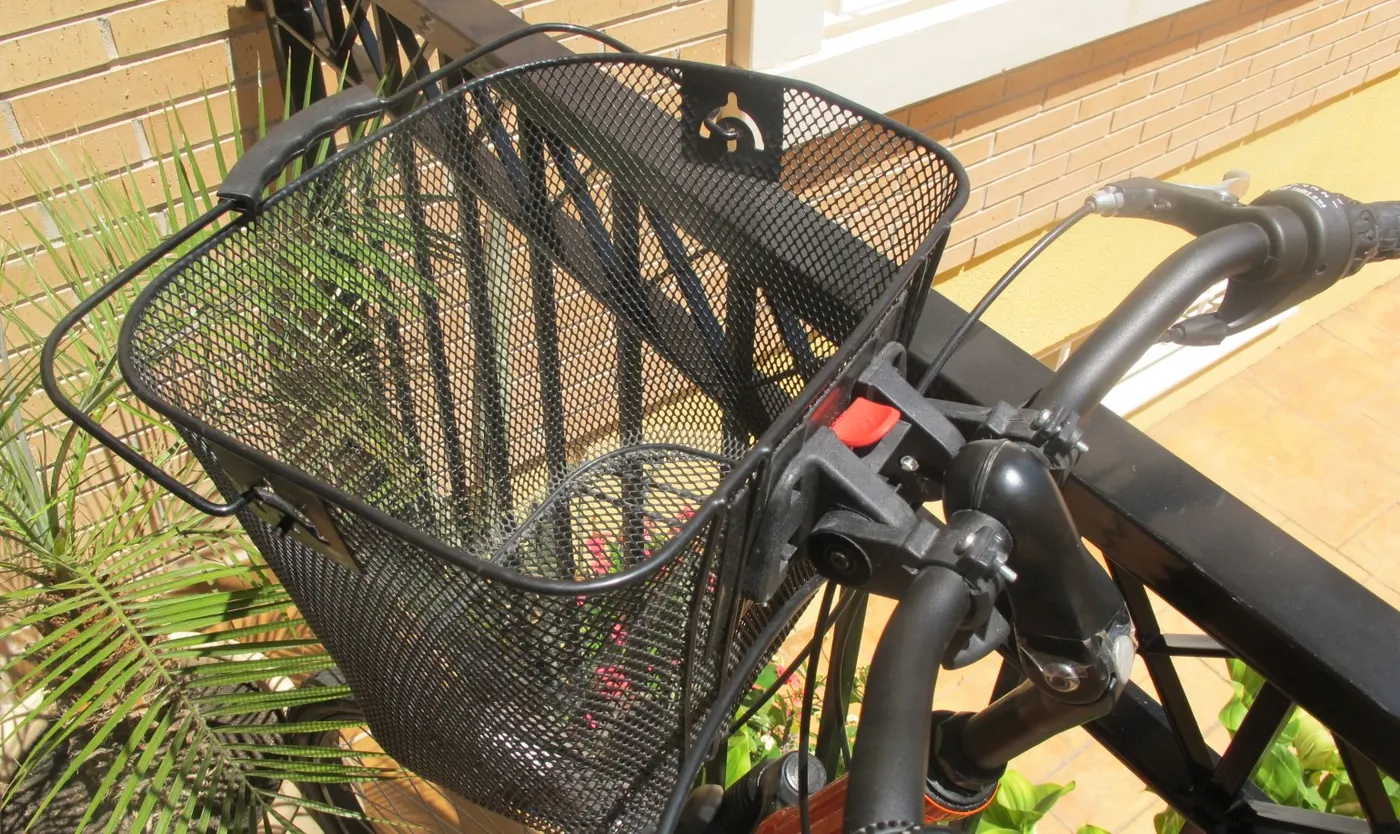
Remove and dry permitted cargo accessories separately where appropriate. Bags, liners, and covers can hold moisture against the vehicle. The basket-bag guide addresses care and fastening.
If dampness repeatedly returns, revise the environment rather than applying more coating. Persistent exposure can make a daily care routine impractical even when a single cleanup appears successful.
Inspect the accessible drivetrain through the permitted method. A chain can need cleaning, suitable lubrication, wear assessment, or replacement depending on condition. More oil does not repair damage or establish correct wear.
The chain-care guide develops that routine and brake protection. Do not apply an unspecified household product to every moving part because it promises rust prevention.
Specialized axle or enclosed drive components need their own instructions. A visible chain does not make the entire tricycle gearbox owner-serviceable. Keep the service scope clear.
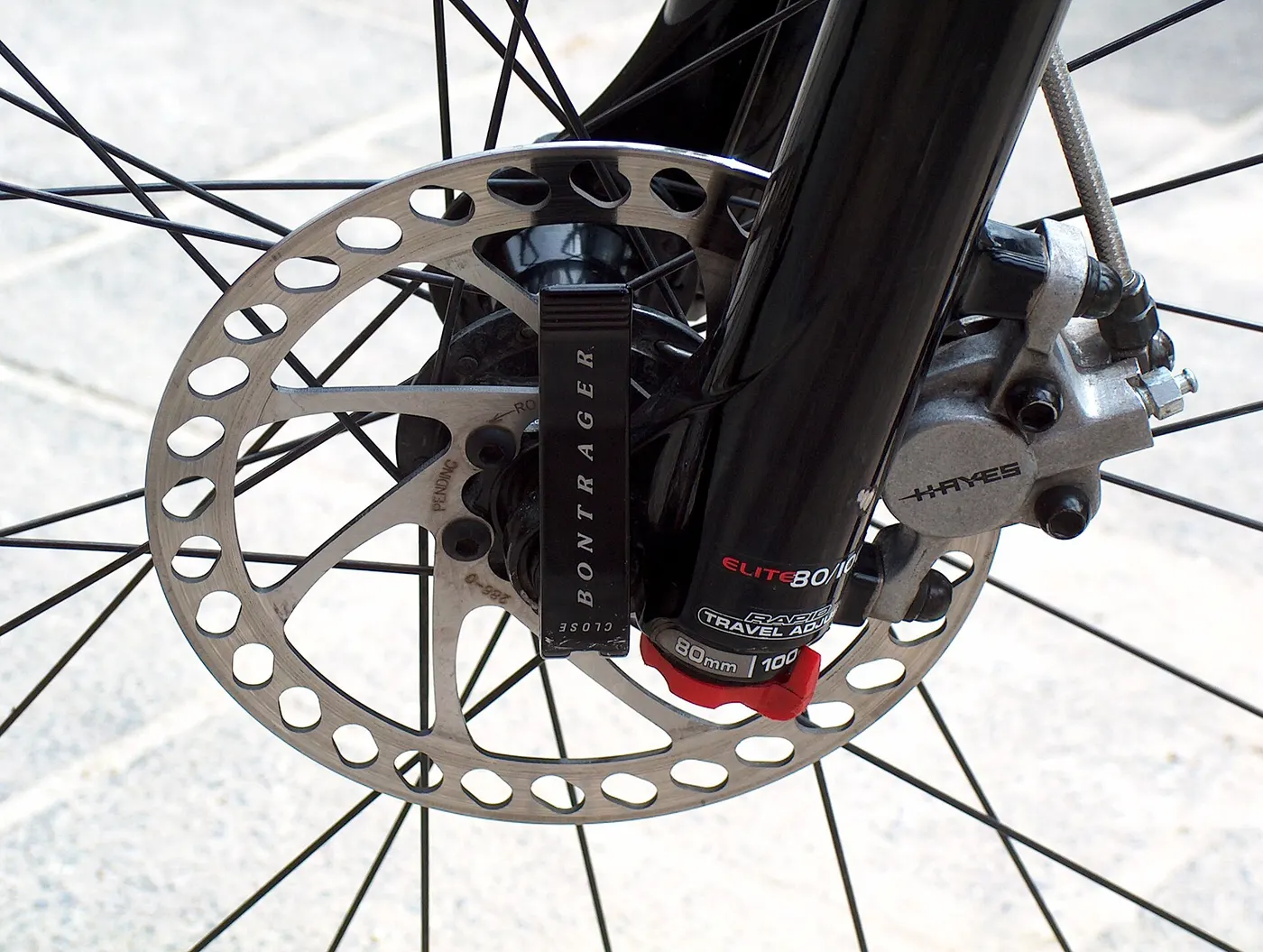
Discoloration or corrosion around a brake should be evaluated through its exact instructions and functional condition. Do not spray oil or protective coating on a rotor, pad, or rim braking surface to improve appearance.
A brake that binds, releases poorly, or feels abnormal requires correction before riding. The brake guide explains the separate service, parking, and electrical functions.
If cleaning contaminates a brake, follow the component maker's response or qualified service. Do not ride to burn off an unknown fluid or assume wiping a surface resolves every pad issue.
Identify the exact joint and report abnormal operation or condition. A fastener that will not move normally can involve corrosion, damaged threads, or another issue. Do not increase leverage indiscriminately or replace it with a similar-looking bolt.
Use qualified service when work exceeds the owner instructions, especially for frame, steering, wheel, and brake assemblies. The torque guide explains why the correct value does not repair damaged hardware.
Keep the original configuration and service record. An improvised bolt or chemical treatment can complicate later assessment and obscure the cause of a recurring problem.
Ask the manufacturer about a damaged finish, coating, or paint area and the appropriate procedure. Do not assume a generic automotive touch-up or abrasive method belongs on every frame or component.
Distinguish cosmetic repair from structural approval. Covering a crack or heavily damaged area with paint does not establish that it is serviceable. A clean surface can still require professional assessment.
For a used purchase, ask about repainting and repairs and obtain inspection where condition changes the decision. The used-buying guide helps keep uncertainty visible rather than negotiating every issue as a cheap fix.
Inspect accessible housings and contacts only through the manual's permitted process. Do not insert metal tools, scrape contacts, open a battery, or use improvised drying methods. A corroded-looking connector needs exact support guidance.
The battery-care guide covers stop-use and charging boundaries. Do not charge suspect equipment merely to see whether the display still works.
If abnormal heat, swelling, leakage, odor, smoke, or hissing appears, stop ordinary care and follow the appropriate stop-use or emergency response. Keep away and contact emergency services when there is an active emergency.

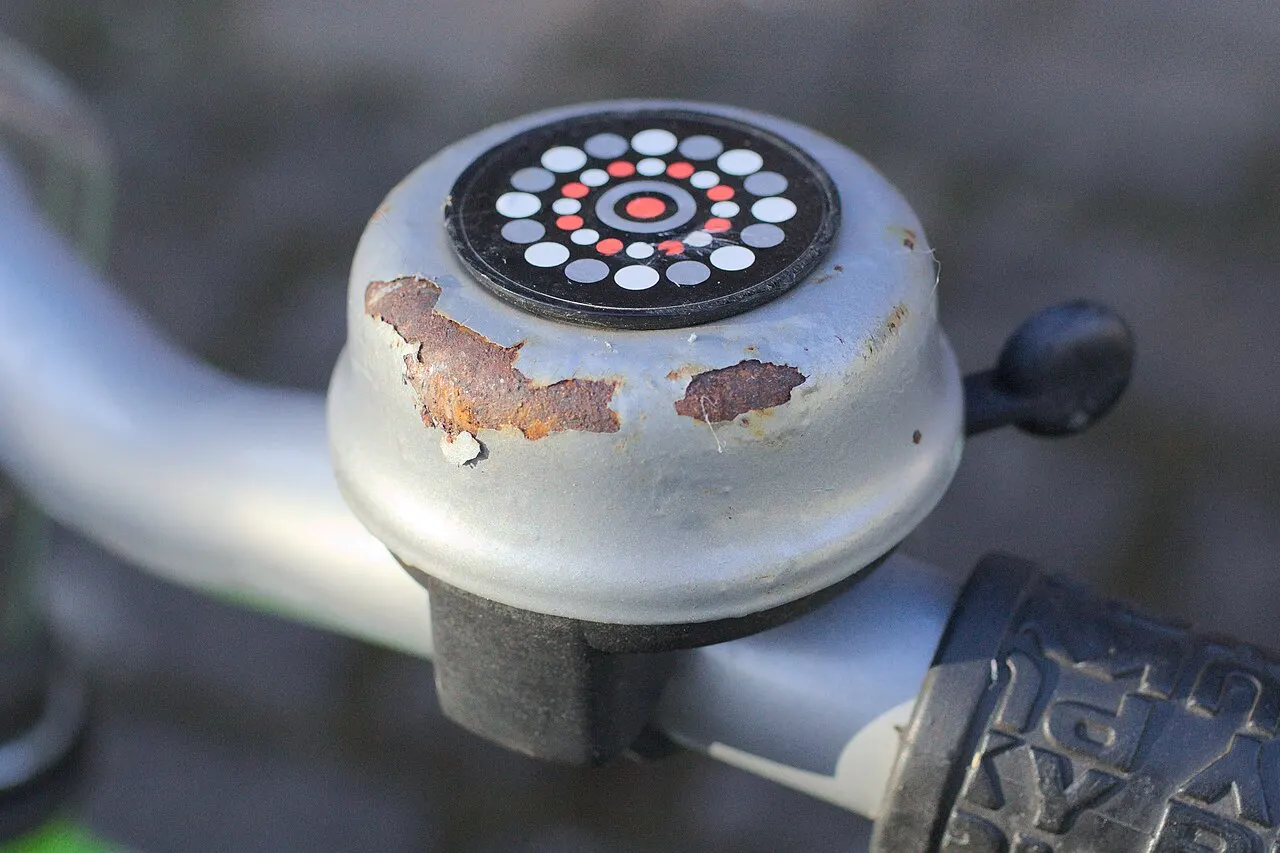
Inspect racks, locks, carrier hardware, straps, bells, and mounting points through their own instructions. A rusty small accessory can lose its normal function without proving frame damage. Treat each part according to its role.
The carrier guide covers complete transport-system condition. A carrier left exposed can have different care requirements from the tricycle and should not be assumed ready because the vehicle looks clean.
Preserve lamps, reflectors, and control access after any repair or replacement. Corrosion work should not become an unapproved accessory rearrangement that creates another functional problem.
Use the manufacturer's schedule and additional checks after relevant events. Do not invent one universal wash or lubrication interval for every environment. A coastal storage location and an occasional dry ride can create different needs.
Keep a concise record of exposure, cleaning, abnormal changes, and service. That helps identify recurring problems and supports an appropriate inquiry without requiring a laboratory log.
If the needed care repeatedly exceeds the rider's abilities or available time, reconsider storage or the route. A routine that can only be maintained occasionally is not a dependable prevention plan.

| Area | What to record |
|---|---|
| Environment | Coastal air, road residue, wet riding, storage, or abnormal event |
| Identity | Exact component, material where known, and model |
| Observation | Location, change, and effect on operation |
| Care | Permitted cleaning, drying, and specified products |
| Service | Stop-use reason, qualified assessment, and approved replacement |
| Prevention | Suitable storage and a manageable repeat routine |
Keep the cause uncertain when evidence is incomplete. The useful outcome is a documented serviceable vehicle and a better environmental routine, not simply a polished exterior.
A rusty surface, white residue, or discolored finish gives useful information about condition, but appearance alone does not establish the depth or significance of damage. Materials and finishes differ, and a deposit can coexist with corrosion. Photograph what is visible, note where it occurs, and describe any accompanying change in operation. Avoid identifying a particular chemical process from a photograph when the material, coating, and exposure history are unknown.
An old accessory and a structural or control component deserve different assessments. The rusty bell shown in this guide illustrates visible condition on an accessory; it does not demonstrate the condition of a trike's frame or steering parts. Corrosion at a joint, wheel attachment, brake component, or electrical connector can require manufacturer or professional evaluation. Do not conclude that a mark is merely cosmetic because a similar-looking mark on a less critical item caused no obvious problem.
Cleaning can reveal the surface but cannot automatically restore lost material or correct a weakened joint. A product advertised as a rust remover should not be treated as a repair for every corroded part. If a component is pitted, cracked, seized, loose, or otherwise abnormal, obtain the relevant service advice. Preserve useful photographs before cleaning where they help explain the issue, and stop using the trike when its instructions or condition indicate that assessment is needed before further riding.
Describe the environment precisely enough to be useful. A coastal indoor storage room, an outdoor shelter near the sea, and a road treated with de-icing material are different situations. Record whether the trike was exposed during a ride, transport, washing, or storage, and what happened afterward. The exact residue may be unknown, so state the observation instead of confidently labeling every deposit as salt. That distinction helps the maker advise an appropriate routine.
Include the vehicle model, affected component, and its material or finish if documented. List previous cleaners, protectants, lubricants, or repairs because they may matter to compatibility and assessment. Do not omit a product merely because it was marketed for bicycles. The phrase bicycle-safe is not an instruction for every brake surface, electrical contact, plastic, seal, or coating on a particular trike. A service provider needs the actual product identity and how it was used.
Photograph the affected area and a wider view showing its location. Note whether the problem recurs after cleaning or appears at a place that traps moisture. A fender, basket bracket, cover contact point, or inaccessible recess can influence what remains wet or dirty, but that observation is not a diagnosis. Use it to ask whether the approved cleaning and storage routine needs adjustment. Avoid drilling drainage holes or dismantling sealed parts without the relevant manufacturer's service procedure.
An adult trike can combine painted metal, unpainted hardware, bearings, brake surfaces, rubber, plastics, and electrical equipment in a small area. A method suitable for one material can be unsuitable for its neighbor. Read the vehicle and component instructions before applying a cleaner or protectant. Confirm dilution, contact time, application location, drying, and any required precautions from the exact product instructions; do not construct a universal chemical recipe from unrelated advice.
Brake contamination deserves particular care. Keep unsuitable oils, coatings, and cleaning residues away from friction surfaces. If contamination is suspected, follow the brake maker's assessment and service guidance rather than trying an arbitrary solvent and declaring the problem fixed. A clean-looking rotor does not by itself prove that braking performance is restored. The same principle applies to electrical contacts: removing visible residue does not certify a damaged or wet connection for charging or operation.
Avoid using water pressure, abrasives, heat, or aggressive chemicals simply to speed the task. The manufacturer's cleaning limits exist within the design of bearings, seals, coatings, and electronics. If the prescribed method cannot address the observed condition, seek advice instead of escalating force. Drying is part of the process, but the permissible method differs by component. Do not direct a heater at a battery or connector on the assumption that faster evaporation makes the equipment ready to use.
A protective coating can have an intended role on a permitted surface, but it does not replace inspection, correct lubrication, or component replacement when required. Ask the maker which parts can receive the proposed product and which must remain free of it. Do not coat an entire trike indiscriminately. Overspray can reach brakes, grips, tires, or connectors, and a thick layer can obscure the condition you need to inspect later.
Chain lubrication is another distinct task. Use the drivetrain instructions for cleaning, application, and excess removal. A corrosion concern does not justify spraying a general protectant throughout the drivetrain or into a proprietary enclosed assembly. If the drive system is damaged, stiff, or noisy, identify the required service rather than increasing lubricant quantity. An externally clean chain is not evidence that every related bearing or joint is in acceptable condition.
Repairs and replacement should preserve the correct specification. Hardware made from a different material or finish is not automatically a superior upgrade, even if advertised as stainless or corrosion-resistant. Dimensions, strength, mating materials, and manufacturer requirements can matter. Obtain the approved replacement part or a documented equivalent where the maker permits it. Do not substitute a convenient bolt at a steering, axle, or brake joint solely because it appears less likely to rust.
If ordinary use repeatedly exposes the trike to conditions its maker does not recommend, reconsider the route, storage, transport, or vehicle choice. Buying more chemicals is not necessarily the answer. An indoor dry location may resolve a storage issue that an outdoor cover cannot. A different transport schedule may avoid repeated road-spray exposure. Compare these practical changes against the real routine you can maintain, including drying space and access for inspection.
Keep a simple condition record after exposure and service. Record what was seen, the instruction followed, the product used where permitted, and any unresolved issue. Use the maker's inspection schedule and seek advice when recurring condition changes justify it; do not invent a universal monthly interval that promises protection. If one household member cleans and another rides, make the unresolved concerns clear so a polished frame is not mistaken for a completed safety inspection.
The useful outcome is a repeatable routine that fits the actual materials and environment. It includes permitted cleaning, suitable drying and storage, targeted protection where approved, and prompt service for abnormal components. Corrosion management is not a guarantee that an adult trike tolerates every salty or humid location. It is a way to notice exposure, follow the right instructions, and make an informed decision when the existing arrangement no longer supports reliable ownership.
Research-based care guide; no corrosion diagnosis, material test, or structural/electrical inspection was performed. Exact manufacturer instructions and qualified service govern the response.
Guide
Choose your first adult tricycle by checking rider fit, storage, weight limits, gears, brakes, assembly, and service before buying.

Guide
Learn how to compare adult electric tricycles for control, fit, batteries, braking, transport, and ownership support.

Guide
Understand the leg and hip muscles used when pedaling a tricycle, plus how fit, resistance, and electric assistance change the effort.