
Guide
First Adult Tricycle Buying Guide
Choose your first adult tricycle by checking rider fit, storage, weight limits, gears, brakes, assembly, and service before buying.
We research everything we recommend. When you buy through our links, we may earn a commission. Learn more
Guide
Build a practical tricycle security routine with a suitable anchor, frame lock-up, removable-item protection, parking checks, and ownership records.

Updated · 12 min read
A wide adult tricycle can be harder to position beside a bicycle rack than a two-wheel bike. The basket, paired wheels, and low frame may restrict access to a secure part of the vehicle. Choose the parking arrangement first, then select a lock that can work in that arrangement.
No lock guarantees that a tricycle cannot be stolen. This guide helps organize a layered routine: suitable location, a secure anchor, a lock through an appropriate structural part, protection for removable items, and ownership records. It does not promise a theft-proof setup or certify a particular parking site.

Inspect where you will park during regular trips. Look for an authorized area with a fixed object suitable for locking and room to position the complete vehicle without blocking pedestrians, doors, or access routes. A convenient railing is not automatically a permitted or secure anchor.
Check whether the anchor can be lifted over, unbolted easily, or otherwise bypassed. Kryptonite's lock-up guidance emphasizes attaching the bicycle to a solid object it cannot be lifted over. Apply that principle while also checking local permission and the tricycle's geometry.
If no suitable location exists, change the destination or arrangement before buying a longer cable as the only solution. A lock that reaches an insecure object does not complete the task. The clearance guide helps assess the approach and parking space as part of the route.
Look for a suitable frame section that the lock can enclose without damaging the vehicle or interfering with cables. A basket, removable seatpost, light bracket, or flag mount may be easier to reach but may not secure the tricycle itself.
Check the model's guidance and ask the dealer if the frame shape makes the choice unclear. A low recumbent can require a different arrangement from an upright delta tricycle. Do not clamp a lock onto electrical wiring or a brake hose simply because the space is convenient.
Avoid passing a lock only through a wheel when the goal is to secure the complete vehicle. Wheels may be removable, and the rest of the frame can remain exposed. Use supplementary wheel protection as part of a system, not as an assumed equivalent to securing the frame.
A U-lock can offer a compact rigid opening but may not reach from a wide tricycle's frame to the anchor. A chain offers different positioning flexibility while adding weight and bulk. A folding lock has its own reach and joint arrangement. Ratings, materials, and resistance vary within each category.
Choose based on the actual anchor distance, structural point, carrying arrangement, and risk context. Do not declare every chain stronger than every U-lock or judge resistance from weight alone. Look for credible independent ratings where available and verify what the rating covers.
Try the lock in the intended position before relying on it. Check that it closes without forcing the vehicle against a rack or leaving tension on a cable. Keep excess space as limited as practical according to the lock maker's guidance, while preserving a workable routine.
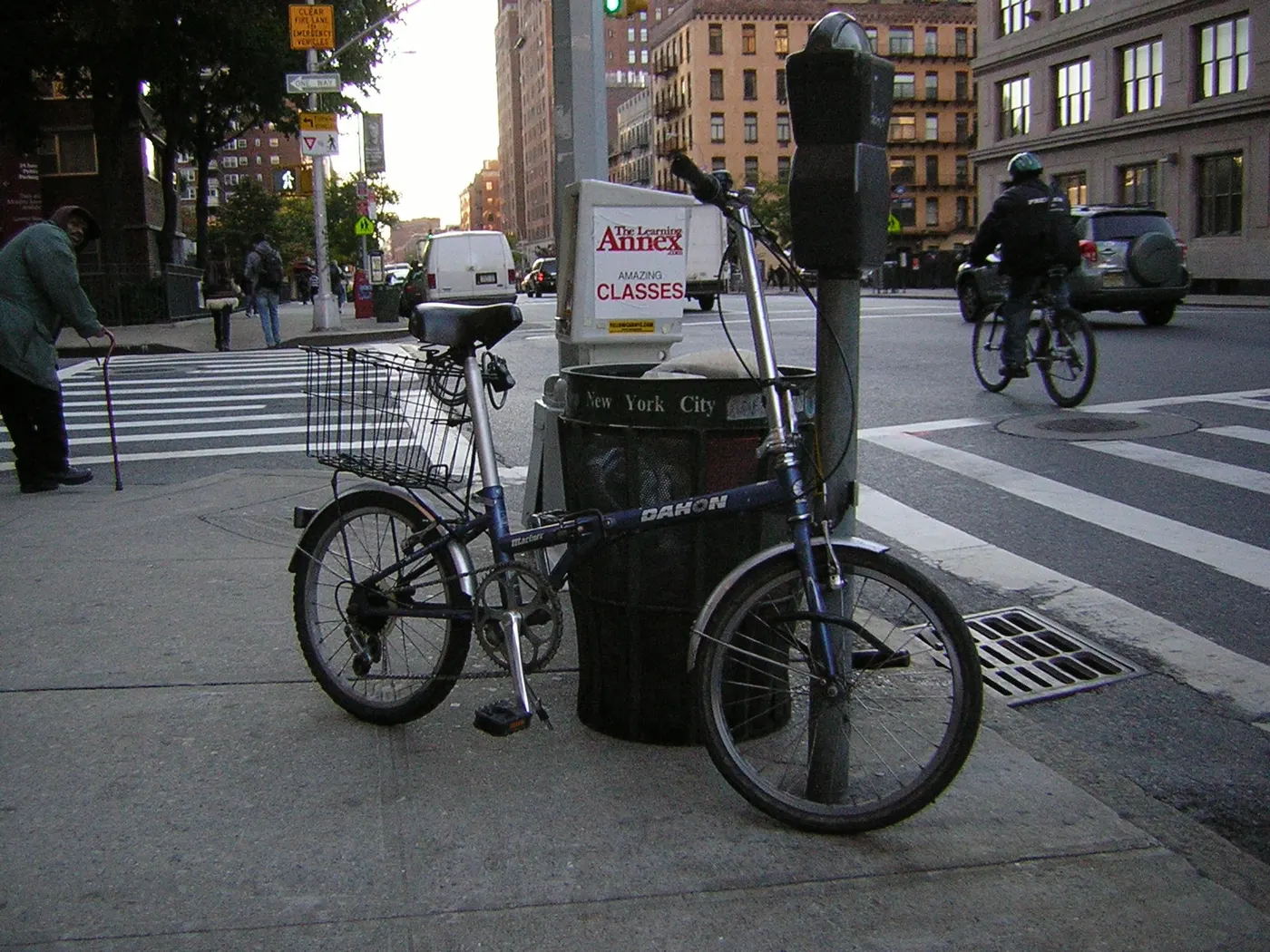
A cable can help connect a wheel or accessory to the main arrangement, but it should not automatically be treated as the primary security for a valuable tricycle. Product construction and rating matter, and a thin convenient cable is a different proposition from a substantial rated lock.
Follow the lock manufacturer's instructions for any combined system. Do not create a complicated loop that leaves the main frame unsecured while appearing to protect several components. Trace the path and ask what remains attached if a removable part is taken away.
Keep cables clear of brakes, wheels, and the drivetrain before riding. A forgotten supplementary cable can cause damage or a control problem. Make unlocking and stowing part of the departure checklist rather than assuming the rider will notice it at the first pedal stroke.
Lights, bags, mirrors, batteries, and seat accessories may have separate theft exposure. Remove easily detached items when practical and permitted, or use approved compatible protection. Do not assume a battery's mounting lock has the same purpose or resistance as the main vehicle lock.
Follow the battery removal instructions and plan how to carry it safely if you take it inside. A pack should not be loose among metal objects or exposed to impact. The battery-care guide covers handling and storage boundaries.
Keep keys and small accessories organized. Photograph the configuration for your ownership record and note part identifiers where useful. Avoid publishing serial numbers or personal purchase details unnecessarily. Records can help after a loss but do not replace physical security.

Park on a suitable surface and use the documented parking brake or retention method. A lock is not a substitute for ensuring the vehicle does not roll while you attach it. A sloping location can make the task awkward or unsafe even if the anchor is strong.
Leave clearance for people and access doors. A paired rear axle can project into a path while the front of the tricycle appears neatly parked. Check the full footprint, including mirrors and cargo. Do not block accessibility routes or emergency exits.
If the location requires lifting a wheel onto a curb or forcing the frame against a rail, find another arrangement. Parking should be repeatable with the load you carry. A lock-up method that only works with an empty basket may fail after shopping.
At a permitted safe location, position the tricycle, secure it against rolling, attach the main lock, add any supplementary protection, and remove appropriate accessories. Then reverse the sequence and prepare to ride. Time the complete routine only after it is understood.
Check whether you can reach the frame and keyway comfortably. Limited grip or reach can make a heavy chain or awkward lock body unsuitable. A higher security rating is useful only if the lock is consistently used correctly. Seek a different compatible design if the routine is unmanageable.
Write down the sequence for a shared tricycle and show each rider the actual anchor arrangement. Do not rely on a generic photo of a bicycle with a different frame. The accessory guide helps check where the lock can be carried without interfering with control.
A heavy lock should not hang loosely from a handlebar, brake hose, or saddle spring. Use an approved mount or a secured cargo position within the vehicle's limits. Check that it cannot strike a wheel or shift during a turn.
Include the lock's weight in the relevant load calculation and consider whether it makes the bag awkward to lift. A lock stored at the bottom of a full shopping bag may be difficult to retrieve while holding the tricycle. Keep the routine practical without placing the load high or to one side unnecessarily.
The basket-bag guide covers restraint and retrieval. Do not leave the lock loose just because the basket sides keep it from falling out. Movement within the basket can still damage other items or change the feel of the load.
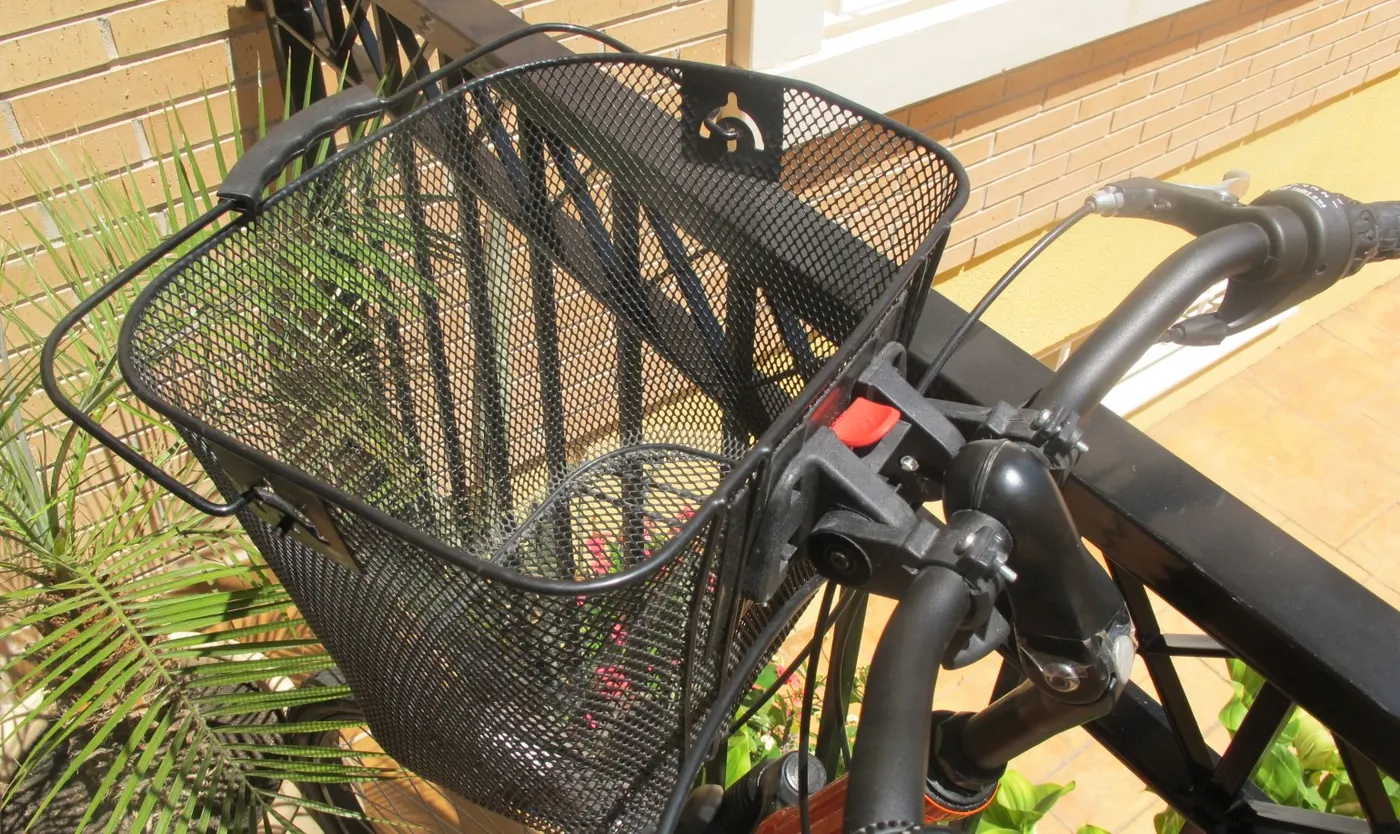
A shed or garage door is one layer, not proof that the tricycle is protected. Consider access control, a suitable indoor anchor where permitted, and how removable items are stored. Do not compromise emergency exits or battery charging conditions in the name of security.
If installing an anchor, use a location and installation method appropriate to the building and obtain required permission. This article does not provide structural installation instructions. Ask a qualified installer or the anchor manufacturer where the substrate or fixing is uncertain.
Keep the storage routine consistent. A complicated arrangement may encourage skipping it on short stops. The storage guide helps coordinate space, handling, and charging so security does not become an obstacle to safe use.
An ownership record or a legitimate registration service can support identification after theft. A tracker may provide location information under its coverage and power limitations. Neither physically prevents removal. Do not pursue a suspected thief yourself based on a location signal; contact the appropriate authorities.
Insurance requirements vary by policy and location. Read the actual terms for lock rating, parking, storage, documentation, and electrical configuration before relying on coverage. A product advertisement mentioning insurance is not your policy wording.
Keep receipts, model details, and photographs in a secure record. Ask the insurer about the exact tricycle and intended use if coverage is uncertain. This guide is a security planning framework, not an insurance recommendation or legal interpretation.
Follow the lock manufacturer's care instructions, including any recommended cleaning or lubricant. Do not use arbitrary oil in the keyway or force a damaged mechanism. A lock that intermittently fails can leave the tricycle unsecured or strand you at the destination.
Inspect the body, links, joints, mount, and keys for damage. Replace or service compromised equipment through the approved process. Keep a spare key according to your security needs, separate from the main set and not attached to the parked vehicle.
If the key does not operate normally, stop forcing it and contact support. Plan a legitimate recovery method for your own vehicle without attempting destructive work in a crowded location. Document ownership for the service provider if required.

| Area | What to confirm |
|---|---|
| Location | Permitted, visible, and clear of access routes |
| Anchor | Solid and not easily bypassed or lifted over |
| Main attachment | Suitable structural frame section secured |
| Additional items | Wheels, battery, bags, and lights assessed |
| Handling | Parking retention and reach manageable |
| Departure | Every lock removed and securely stowed |
Repeat the assessment when the destination changes. A lock that works at one rack may not fit another. Keep an alternative stop or transport plan rather than improvising a cable-only arrangement at an unsuitable anchor.
The practical security setup is one you can explain and use consistently: where the tricycle parks, what the main lock secures, how removable items are handled, and how the equipment is carried afterward. Additional layers can help, but only if the base arrangement is sound.
Avoid promises that a heavy lock or a tracker makes theft impossible. Use credible product information, appropriate parking, and reliable habits while accepting that no system removes all risk. That approach supports a sensible purchase without turning the guide into a sales pitch for the most expensive lock.

Inspect the destination before relying on it. Identify the permitted anchor, the approach space, and whether the loaded tricycle can stand without blocking anyone. Check how the lock reaches the structural frame section and where the rider will stand while attaching it. A rack that works for a narrow bicycle may be awkward for a paired rear axle.
During a controlled trial, secure the vehicle against rolling, attach the main lock, manage supplementary protection, and remove permitted valuables. Reverse the sequence and check that nothing remains around a wheel or drivetrain. If the process requires excessive reach or handling a heavy chain awkwardly, select a different compatible arrangement.
Repeat with the ordinary load. A full basket may block access to the frame or make it difficult to retrieve the lock. Plan its storage position before shopping rather than unpacking groceries on a slope to reach it. The security routine should work on the return as well as the empty outward trip.
A brief daytime stop and overnight outdoor storage are different exposures. The lock manufacturer's rating or guidance may distinguish those contexts, but no category removes all risk. Compare credible product information with the actual location and duration rather than choosing solely by a compact appearance.
If regular parking lacks a suitable anchor or exposes the vehicle for long periods, investigate another permitted location or storage arrangement. Adding a second light cable does not solve an insecure anchor. Security planning can change where and when you use the tricycle.
Do not assume that a busy place is automatically safe or that a hidden place is automatically better. Visibility, permission, anchor quality, and the practical ability to use the lock all matter. Keep the reasoning specific to the destination rather than promising a universal safest location.
Check who issued the rating, which exact model it covers, and the stated test or classification. A similar-looking lock from the same brand may not have the same rating. Product variants, size, and construction can differ. Use the actual identifier rather than a general brand reputation.
A rating supports a comparison under its defined conditions. It does not certify your anchor, frame attachment, or parking habits. A rated lock used through a removable basket still leaves the core problem unresolved. Keep product resistance and setup quality as separate checks.
If an insurance policy specifies a lock standard, read the policy wording and confirm the exact product satisfies it. Do not rely on a retailer's broad insurance-approved phrase. This guide does not interpret the policy or guarantee a claim outcome.
Keep the receipt, exact model, serial information, distinctive configuration, and clear photographs in a secure place. Include approved modifications and accessory identifiers where useful. A record can support a report and legitimate service inquiry, but should not be shared publicly without considering personal information.
If theft occurs, follow the local reporting process and provide the record. A tracker signal should be passed to the appropriate authorities rather than used to confront someone yourself. Trackers can have coverage, battery, and accuracy limitations, so treat the information as a lead rather than a complete account of events.
Check any registration or insurance arrangements through their current terms. Keep contact information accessible. Preparing these details in advance is simpler than reconstructing them after the vehicle disappears.
A tricycle may have separate keys for the main lock, battery mount, storage door, and another accessory. Identify them clearly in a way that does not advertise personal location information. Keep a suitable spare arrangement separate from the parked vehicle.
Before leaving, confirm that the key and lock operate normally. A mechanism that intermittently sticks should be serviced through the manufacturer's guidance before it strands you at a destination. Do not force it until a key bends and then depend on the remaining copy.
A practical security system is not only strong; it is one the rider can operate consistently. Reduce unnecessary complexity while preserving the essential frame-and-anchor connection and appropriate protection for removable items.
Research-based guide; no destructive lock testing, insurance review, or security certification was performed.
Guide
Choose your first adult tricycle by checking rider fit, storage, weight limits, gears, brakes, assembly, and service before buying.

Guide
Learn how to compare adult electric tricycles for control, fit, batteries, braking, transport, and ownership support.

Guide
Understand the leg and hip muscles used when pedaling a tricycle, plus how fit, resistance, and electric assistance change the effort.