



Guide
First Adult Tricycle Buying Guide
Choose your first adult tricycle by checking rider fit, storage, weight limits, gears, brakes, assembly, and service before buying.
We research everything we recommend. When you buy through our links, we may earn a commission. Learn more
Guide
Separate adult tricycle rider, total payload, rack, and basket limits. Build a load worksheet without confusing capacity with handling or fit.

Updated · 12 min read
A large capacity number on a tricycle listing can describe total load, rider weight, or one carrying component. Those are not interchangeable. Before buying or packing, identify exactly what each limit includes and which individual restrictions still apply.
This guide helps you build a load worksheet, calculate remaining allowance under the stated definitions, and assess a real trip without confusing structural limits with handling. It does not certify a vehicle for a particular rider or increase any published rating. Use the exact model manual and ask the manufacturer when a definition is unclear.

A rider maximum applies to the person using the vehicle under its stated definition. A total payload may include rider, cargo, and specified accessories. A rack or basket limit applies to that component and its attachment. Tire, seat, or other component restrictions can impose additional boundaries.
Write each figure on its own line with the manufacturer's wording. Do not assume that unused allowance in one category can be transferred to another. A vehicle total does not permit exceeding the rider maximum, and a strong replacement basket does not raise the frame's capacity.
If the listing provides only one figure, request the missing definitions. Ask what counts toward it, whether front and rear loads differ, and whether the supplied accessory weight is included. A calculator cannot resolve a vague specification; the inputs need to be correct first.
Match the sales page to the manual and offered configuration. A brand can sell several tricycles with different frames, seats, axles, and ratings. A figure from an earlier version should not be transferred to the new one without confirmation.
For a used vehicle, identify modifications and whether the installed seat, rack, tires, or axle remain in the approved configuration. An upgraded-looking part is not evidence of a higher rating. The used-buying guide helps separate identity and condition from price.
Keep the source and date beside the figures. That supports later inquiries and avoids memory becoming the only record. If the manual and listing disagree, ask the manufacturer rather than selecting the larger number.
The downloaded Lectric XP Trike2 v1.1 manual states a 415-pound maximum total, a 330-pound rider maximum, a 75-pound rear-rack limit, and a 30-pound front-rack limit. These figures belong to that model and document, not to all Lectric tricycles or adult tricycles generally.
Adding the individual maxima gives more than the total allowance, so they cannot all be used simultaneously. Equally, a light cargo load does not increase the rider maximum. The example demonstrates how separate restrictions coexist rather than provide independent capacity to spend.
Confirm the current manual and configuration before acting on model figures. This guide uses the example to explain the calculation, not to recommend that every rider or route should operate close to the limits.

Start with the total permitted load and subtract every category the manufacturer includes. Then compare the result with the separate cargo component limits. The smaller applicable allowance governs that part of the packing decision.
For a hypothetical vehicle with a 180-unit total and a 130-unit rider maximum, a 120-unit rider does not automatically have 60 units available in one basket. A basket might permit only 20 units, and accessory weight may also count. The units and values here are illustrative, not a real tricycle recommendation.
Use one consistent unit system and avoid rounding toward the limit. Include the container and equipment as instructed. Do not estimate a heavy bag by appearance when its weight determines whether the trip meets the requirements.
A person below the rider maximum still needs suitable entry, seating, pedal reach, steering, and brake operation. Capacity is a structural requirement, not a promise of ergonomic suitability. A high-rated vehicle can have a seat or lever arrangement that does not fit the rider.
Use the fit guide and assess the actual controls. Do not lower or extend components beyond permitted ranges to make the vehicle work. If a support seat is needed, verify its own approval and rating.
For significant mobility or positioning needs, seek an appropriate adaptive cycling assessment. A capacity badge and a marketing label aimed at seniors do not establish medical suitability or a workable transfer routine.
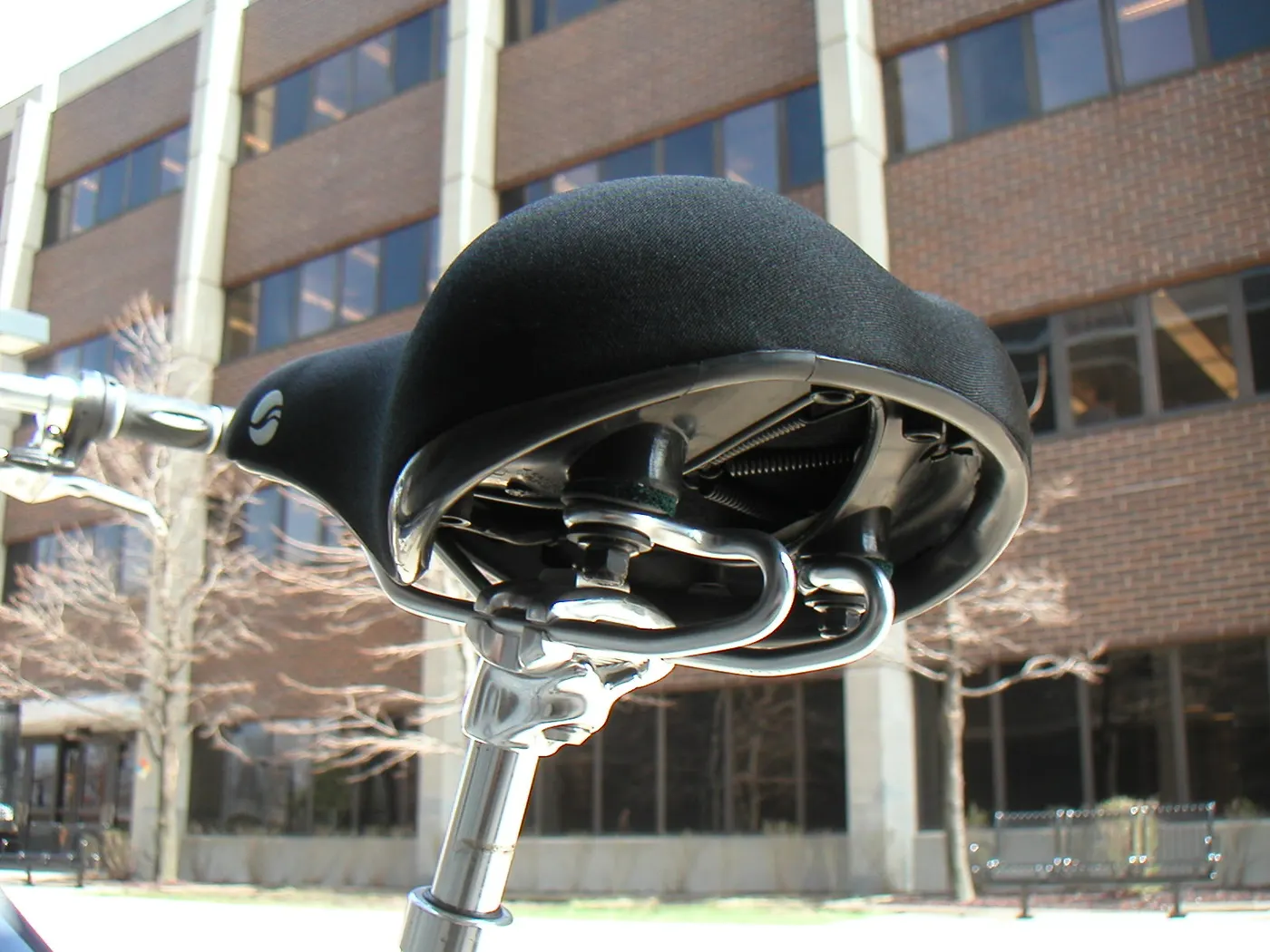
A load can satisfy all mass limits and still move, project too far, hide a light, or make a corner uncomfortable. Keep approved heavier items low and restrained as the manufacturer directs. Do not stack cargo above the basket simply because total headroom remains.
Check left-right distribution and secure loose items. A large container can encourage loading one side without noticing. The grocery guide develops packing and unloading, while the basket-bag guide addresses the container.
Practice with a modest unfamiliar load on level ground before the full route. Assess predictable starts, stops, and broad turns without testing a maximum. Capacity compliance does not remove the rider's need to evaluate control under the actual conditions.
Use the correct inflation and component checks for the load and model. Do not assign a universal pressure from rider weight alone. Tire, rim, and vehicle instructions need to agree on the permitted setup.
Brakes should be in sound condition and within the owner's prescribed checks before adding cargo. A parking function is not evidence that the tricycle will stop comfortably on every descent at its maximum load. The brake guide explains the separate functions.
Follow the manufacturer's terrain and gradient limits. A high total rating does not make steep or loose routes suitable. The turning and camber guide covers why a side-slope and high cargo can remain demanding within structural limits.
More approved load can change energy use and how the vehicle feels during starts and stops. Do not assume the advertised maximum range was achieved with your rider and cargo. Assistance can reduce effort without guaranteeing the return distance.
Use comparable trip observations and a practical reserve. The range-planning guide explains how to record conditions and avoid treating a battery icon as a distance guarantee.
If you cannot pedal or recover the vehicle comfortably when assistance is unavailable, arrange another backup. A capacity-compliant trip can still be impractical if the recovery depends on handling weight beyond your abilities.
A lock, liner, bag, tools, and approved spare equipment can add meaningful weight before shopping begins. Include them where the definition requires. Keep a standard equipment list so each trip does not start with an incomplete calculation.
Check whether new accessories change the individual mount limits or require approval. A replacement rack may not be compatible with the frame despite its own larger rating. The accessory guide explains structural attachment and functional checks.
Do not forget visibility and clearance. A lightweight large item can obstruct lights or exceed the usable route width even when it barely affects the arithmetic. Mass and envelope should remain separate lines in the worksheet.
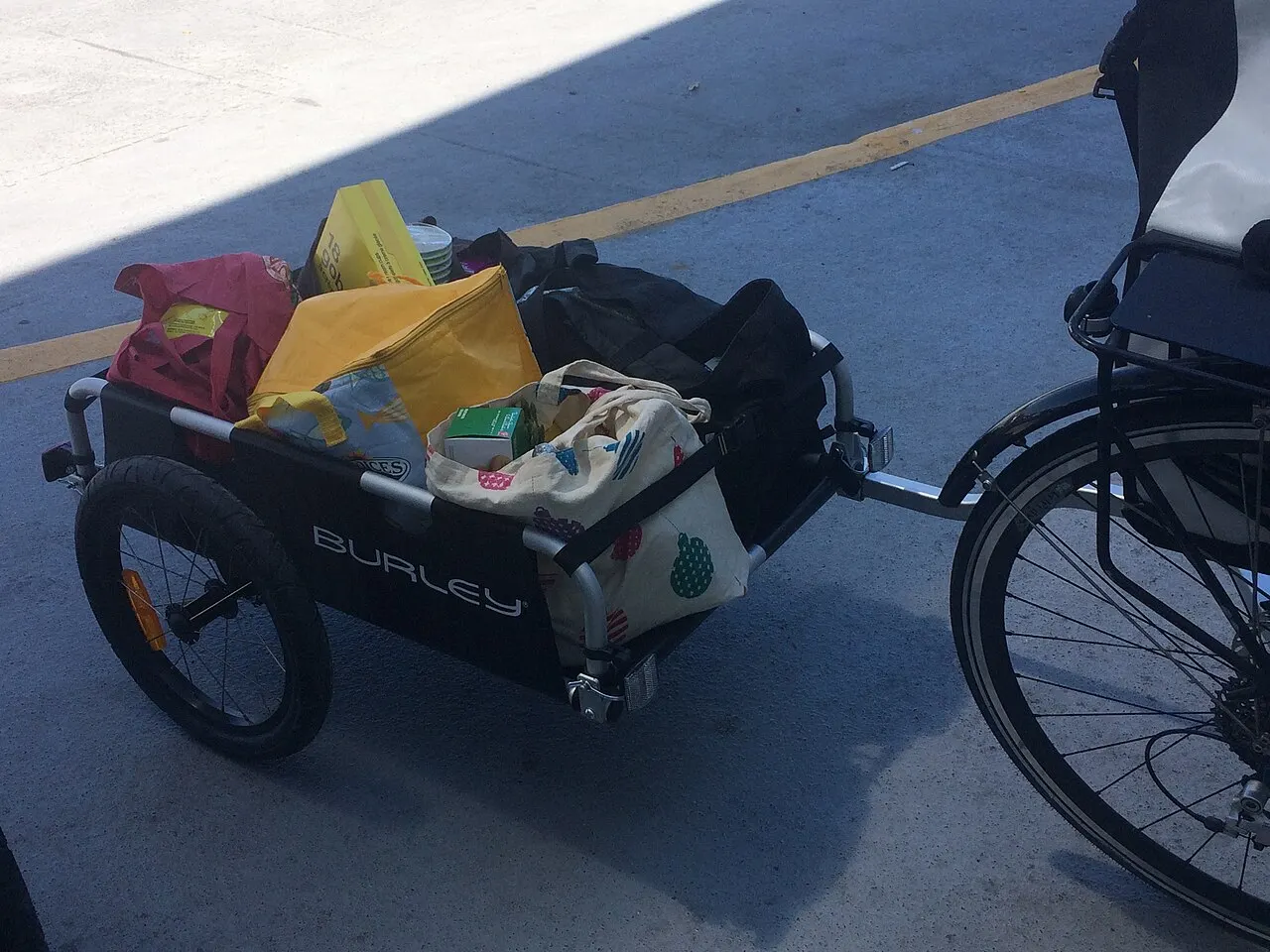
If the tricycle permits a trailer, use the explicit towing, hitch, and trailer requirements. Do not subtract trailer cargo from a basket figure or assume a total payload automatically includes permission to tow. Hitch loads and combined handling introduce different questions.
The trailer guide explains why an axle adapter that fits physically is not the same as an approved combination. Some trailer makers distinguish single-rear-wheel trikes from two-rear-wheel designs.
If no approved arrangement exists, choose another carrying or transport plan. Do not use a trailer to bypass the vehicle's limitations through an improvised clamp or tow point.
| Entry | Record |
|---|---|
| Identity | Exact model, version, configuration, and source |
| Rider | Published maximum and the relevant measured input |
| Total | Definition and every category included |
| Front/rear | Individual rack or basket limits |
| Equipment | Bags, locks, tools, and accessories as instructed |
| Cargo | Weight, shape, restraint, and visibility |
| Route | Intended terrain and a manageable return |
Keep unresolved definitions marked unresolved. Do not let a spreadsheet produce a green result from guessed inputs. A manufacturer answer can change the calculation substantially, especially when a headline number refers only to one category.
List the ordinary rider and cargo arrangement rather than the largest imaginable trip. If the routine leaves little allowance under a limit, ask whether another model would provide a more practical approved arrangement. Do not buy with the expectation that every trip will require perfect packing at the threshold.
Compare service, fit, access, and transport alongside capacity. The ownership-cost guide helps keep those requirements visible. A high-capacity vehicle too wide for storage is not a complete solution.
The useful result is a tricycle whose ratings are clear and whose ordinary load can be managed comfortably within its instructions. More capacity is valuable when it answers a real requirement, not merely when it looks impressive in a product comparison.
Using the cited XP Trike2 manual example, a rider at 340 pounds with 40 pounds of cargo would be below the stated total figure but above the stated rider maximum. The total calculation therefore does not approve the arrangement. The rider limit still applies independently, and no cargo redistribution increases it.
A similar issue can occur at a rack. Cargo may keep the complete load below its total while exceeding the rear component's allowance. Moving part of it to the front is an option only when the actual front limit, restraint, steering effect, and manufacturer guidance permit it. Do not treat spare front capacity as an automatic balancing instruction.
The purpose of these examples is to expose simultaneous constraints. Every applicable line must pass under its definition. A calculator that checks only rider plus cargo against one total figure can produce an incomplete answer even when its arithmetic is correct.
Keep the actual model source beside the numbers and ask the manufacturer about included accessory weight. Do not extrapolate the example to another generation or use it as a recommendation to ride close to the published maximum. Handling and fit remain separate requirements.
Weigh or otherwise establish the load input for the ordinary approved equipment according to the relevant definitions. The baseline might include a bag, lock, tools, and other accessories. Record the configuration so the cargo calculation does not forget items that are always present.
Update the baseline after adding a larger lock, support seat, container, or approved spare. A small item may not change the practical decision, but several additions can matter together. Keep the measurement consistent and avoid rounding in the direction that creates more apparent allowance.
Separate equipment attached to the vehicle from cargo carried in a rack or basket when the manual defines them differently. If the definition is not clear, ask rather than assigning the weight to whichever category has space. The worksheet should reveal uncertainty, not hide it.
For shared vehicles, each rider's input may change the remaining total headroom. Keep individual rider fit and maximum checks separate. A cargo plan that works for one person is not automatically suitable for another simply because they use the same bag.
Imagine carrying an empty but bulky household item. Its mass may be modest, yet it could block the rear light, project beyond the tricycle, catch wind, or prevent a clear mirror view. The weight worksheet alone cannot resolve those issues. Measure and assess the loaded envelope and restraint.
Likewise, a dense item can be compact but exceed a local component limit. Volume and mass answer different questions. Avoid judging a bag by whether it fits neatly inside the basket; the mounting and complete-vehicle definitions remain relevant.
If the load cannot be secured within the instructions or leaves inadequate route clearance, use another trip or transport method. Do not ride with one hand holding it in place. A permitted structural weight is not permission to improvise the carrying arrangement.
This separation makes shopping more predictable. Check mass, placement, restraint, visibility, and unloading as distinct steps. A failure at any one of them can justify repacking or dividing the purchase even when every other check looks favorable.
Provide the exact model and ask whether the headline number describes the rider, complete payload, or a component. Ask what accessories count, whether separate front and rear limits exist, and which document governs the offered configuration. A concise inquiry can resolve more than a long general discussion of heavy-duty construction.
Keep the written reply and compare it with the manual. If they disagree, seek clarification from the manufacturer. Do not choose the larger number or assume that a sales representative's use of total and rider means the same thing.
For a used vehicle, request the current approved configuration and inspect modifications. A larger replacement basket or different tire may have its own rating without changing the tricycle's permission. A seller's successful past trip is not a load certification.
The final purchase decision should explain the normal rider and cargo plan with clear definitions. If essential information remains missing, classify the capacity assessment as unresolved and consider another model rather than treating the uncertainty as unused headroom.
A high rider rating can be useful for searching, but it does not establish that the activity suits a person's health or that the seat and controls meet individual needs. Use appropriate professional advice where those questions matter. Do not turn a structural figure into a promise of comfort or rehabilitation.
During a permitted fit trial, assess entry, reach, braking, and the ordinary route task. Keep the observations descriptive and do not force the vehicle's adjustment range to make it fit. Capacity is necessary for the intended load, but it is only one part of a complete suitability decision.
A new bag, rider, lock, or regular purchase can change the ordinary load. Update the relevant inputs and check all limits again, then assess restraint, visibility, and unloading. Do not retain an old favorable calculation when it no longer describes the actual configuration.
Keep the source wording beside the figures and ask for clarification when a definition remains unclear. A useful worksheet is not a badge declaring the vehicle safe; it is a record of the permitted limits and the current planned load. Combined with suitable fit, sound condition, and a manageable route, it supports a practical decision without replacing those separate checks.

Research-based guide; no load, braking, or structural tests were performed. Published limits and arithmetic do not certify individual suitability or handling on a particular route.
Guide
Choose your first adult tricycle by checking rider fit, storage, weight limits, gears, brakes, assembly, and service before buying.

Guide
Learn how to compare adult electric tricycles for control, fit, batteries, braking, transport, and ownership support.

Guide
Understand the leg and hip muscles used when pedaling a tricycle, plus how fit, resistance, and electric assistance change the effort.