



Guide
First Adult Tricycle Buying Guide
Choose your first adult tricycle by checking rider fit, storage, weight limits, gears, brakes, assembly, and service before buying.
We research everything we recommend. When you buy through our links, we may earn a commission. Learn more
Guide
Check tricycle trailer approval, rear-wheel layout, exact hitch fit, load definitions, turning clearance, visibility, storage, and recovery.

Updated · 12 min read
A bicycle trailer does not automatically work with an adult tricycle. Wheel layout, axle geometry, hitch height, frame approval, and the trailer's instructions can determine whether a combination is permitted. A clamp or adapter that physically attaches answers only one part of the question.
This guide focuses on evaluating an approved cargo or pet-trailer arrangement. It does not provide a custom hitch design, authorize passenger carrying, or prescribe a pet restraint. Obtain confirmation from both manufacturers and use qualified installation where required before relying on towing.
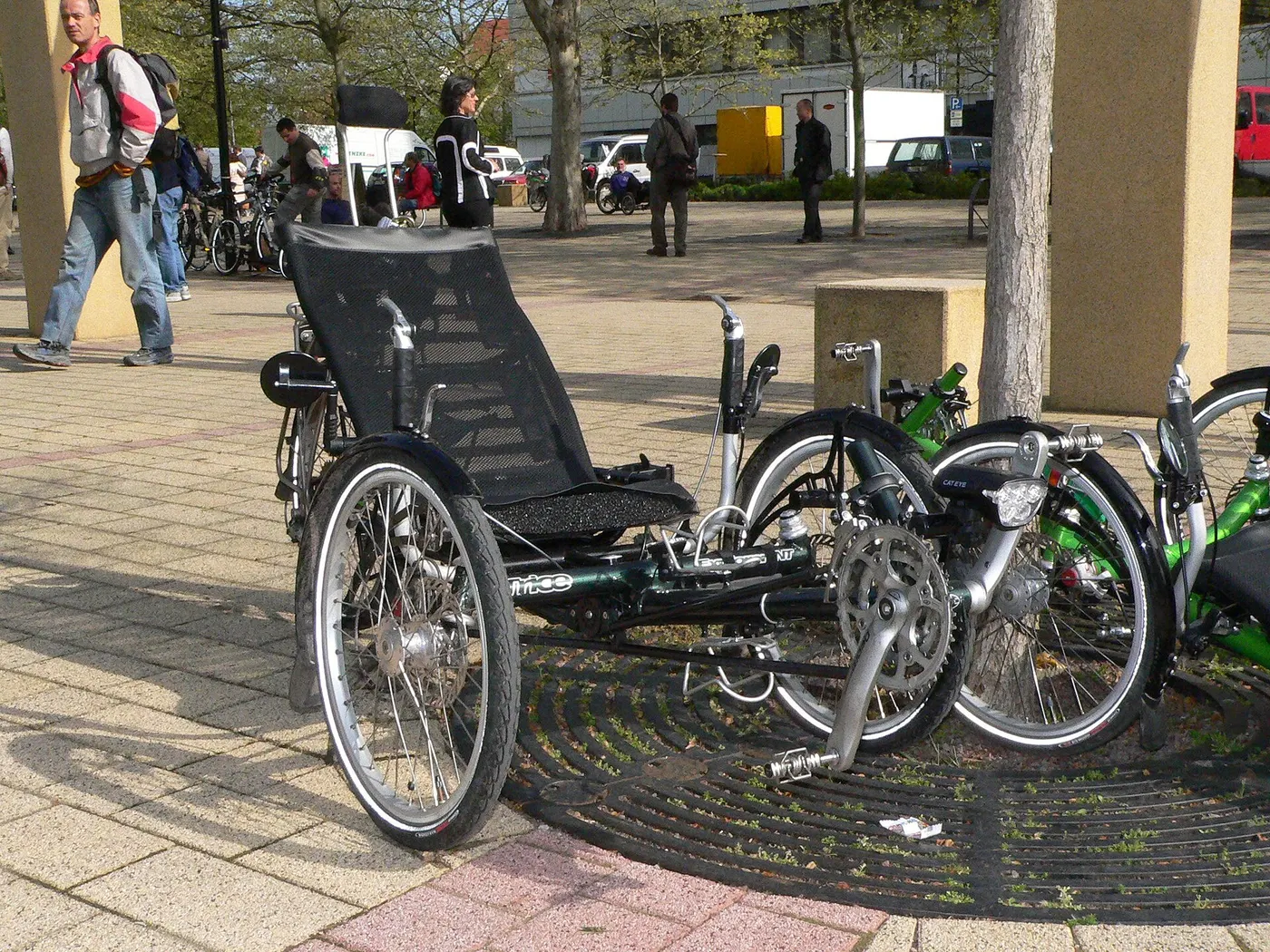
A delta tricycle has two rear wheels, while a tadpole generally has a single rear wheel. Trailer attachment methods often assume a conventional rear axle or another specific mounting point. The difference is more significant than simply whether the vehicle is called a trike.
Record the exact model, rear-wheel arrangement, axle type, and any motor or specialized drive components. Do not infer attachment suitability from a rear-wheel photograph alone. The drive-layout guide explains the terminology.
Ask the tricycle manufacturer whether towing is permitted and under what conditions. A cargo capacity figure is not a towing approval. Keep that question separate from whether the trailer seller offers an axle adapter.
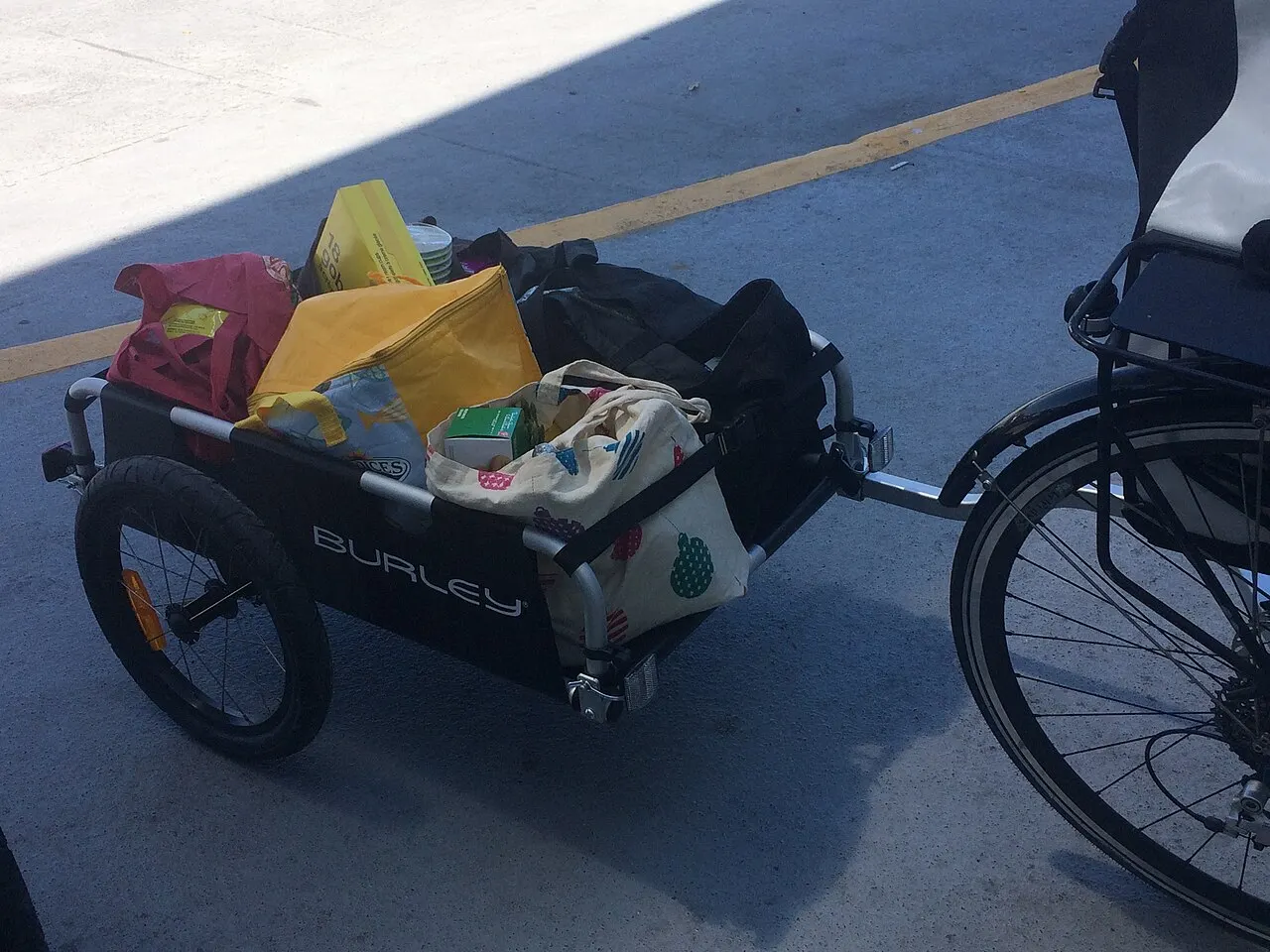
Burley's current hitching FAQ states that it has no approved hitch method for tricycles with two rear wheels. It distinguishes recumbents and trikes with a single rear wheel similar to a standard bicycle. That is an important boundary, not a suggestion to build your own mount.
For a single-rear-wheel trike, exact axle, hitch, height, trailer, and vehicle requirements still need checking. The category statement does not certify every combination. For a two-rear-wheel model, do not describe a Burley axle adapter as an approved solution merely because it can be attached.
Other manufacturers may provide different approved systems. Obtain the exact documentation for those systems rather than transferring Burley's statement or another rider's custom installation to your vehicle. If approval is unavailable, choose another cargo plan.

An axle-mounted hitch may require a particular axle or adapter. A seatpost-mounted system has different dimensions and structural requirements. A specialized frame mount can be another arrangement entirely. Ask which method is intended for the exact trailer.
Check the manufacturer-defined measurements, fasteners, and installation process. Do not substitute a universal clamp, drill the frame, or use a rack as a tow point unless that complete use is expressly approved.
The accessory compatibility guide provides a useful evidence hierarchy. Physical fit, structural permission, movement clearance, and functional use are separate checks; all must be resolved.
Identify the tricycle's permitted towing arrangement, the trailer's total and cargo limits, and any hitch or tongue-load requirements. A basket figure cannot be used as the trailer allowance. Equally, the trailer's large capacity does not raise the tricycle's approved towing capability.
Include the trailer's own weight and equipment according to the stated definitions. Do not assume that empty towing is negligible or that all cargo is supported independently of the vehicle. Use the exact instructions and ask for clarification where the calculation is unclear.
The payload guide explains why arithmetic needs defined inputs. Keep the towing worksheet separate rather than squeezing it into an ordinary basket calculation.
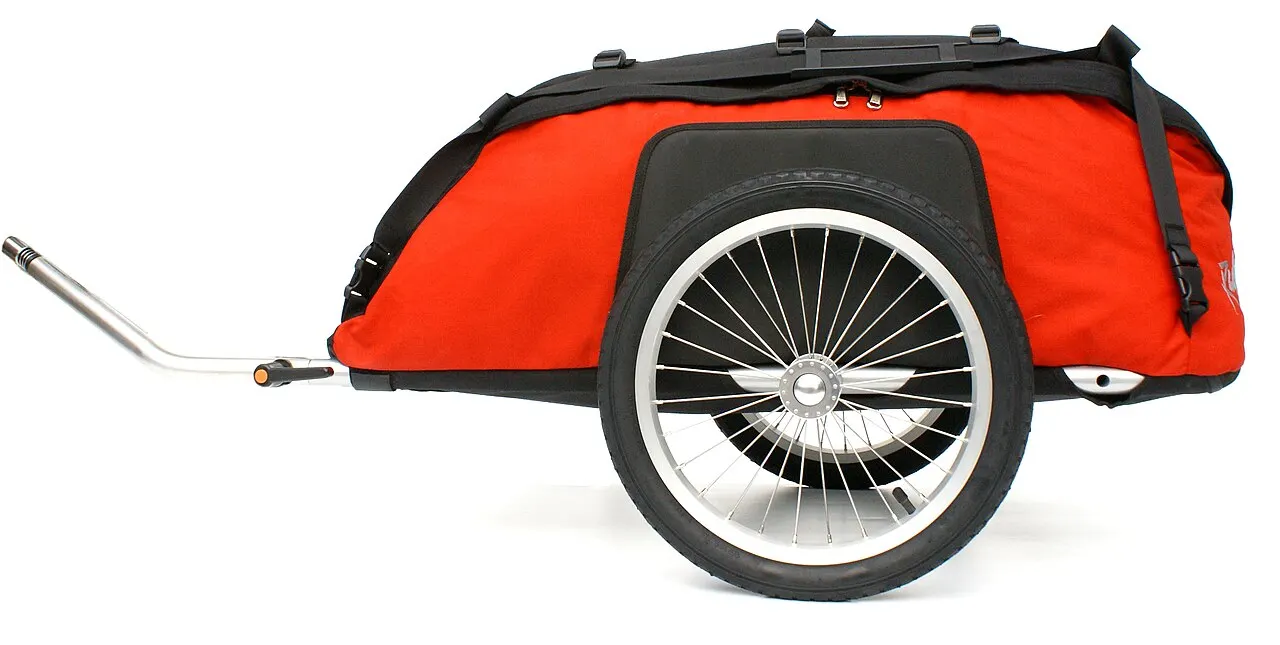
Follow the trailer and vehicle procedures for steering, hitch articulation, and component clearance. A tow bar can approach a rear wheel, basket, frame, or motor wiring during a turn. Straight-ahead fit does not establish full movement.
Check the trailer's operating height and ground clearance using the exact requirements. Small rear wheels can change the geometry for some systems. Do not lower or raise a hitch through an improvised bracket to make the trailer appear level.
Use qualified inspection where the task is uncertain. Do not evaluate articulation by forcing the vehicle into a position beyond normal movement or by riding a tight high-speed circle. The inspection should remain within the prescribed setup process.
Measure overall width and length with the hitch and trailer attached. Include projecting loads and accessories. A route suitable for the tricycle alone may fail at a staggered barrier or a receiving turn with the trailer.
Inspect entrances from both directions and identify where the entire combination can stop without blocking traffic or pedestrians. The clearance guide supplies the route framework, but towing adds a different swept path that needs its own trial.
Do not plan to lift the trailer around every obstacle while the tricycle remains unsecured. Find an approved accessible route or a different carrying method. A successful one-time squeeze is not a repeatable daily plan.
Begin only after approval, installation, and static checks are complete. Use a permitted level area and the manufacturer's specified initial load or trial process. Check gradual starts, smooth stops, and broad turns with generous space.
Do not assume the motor solves towing effort or that the trailer's weight has no effect on stopping. Follow model restrictions and keep the combination within intended use. The brake guide explains the vehicle functions that must remain sound.
If the combination jerks, binds, contacts a component, or behaves unpredictably, stop and seek assessment. Do not add more throttle or tighten random hitch parts to make the symptom disappear.
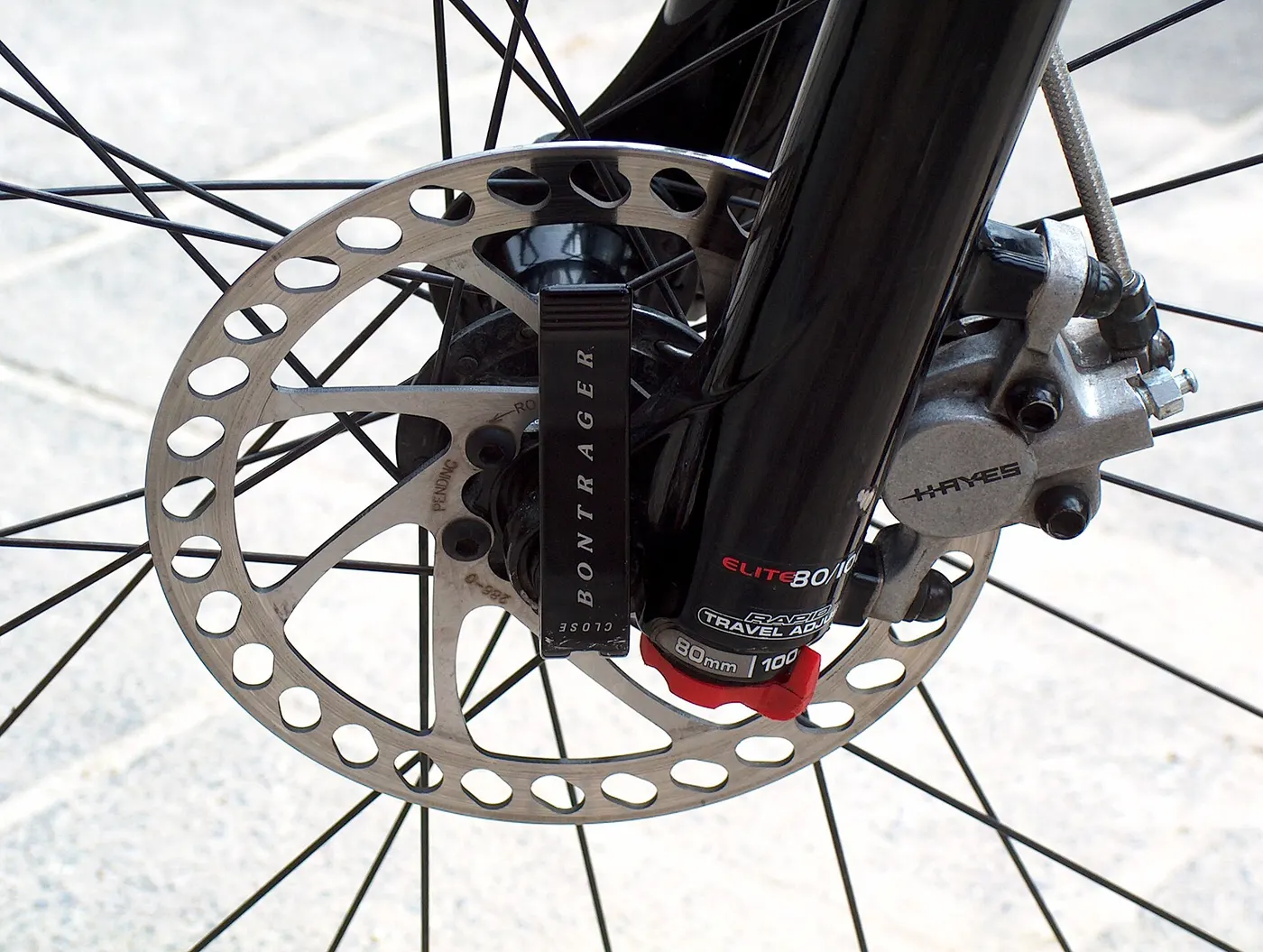
A trailer can change the load and aerodynamic shape of the trip. Do not reuse an empty solo-tricycle maximum range claim as the route allowance. Start with short familiar trips and document the actual approved configuration.
Keep a practical return margin and a recovery option that can handle the combination. The range guide covers the basic log, but the trailer should be listed explicitly as part of the conditions.
If a fault stops assistance, consider whether you can move or recover both items. A car that holds the tricycle may not have room for the trailer. Plan that before a remote trip rather than assuming the old recovery arrangement still works.
Use the trailer's instructions for load placement and securing. Keep loose straps clear of wheels and the hitch. Do not use an open platform's volume as permission to stack items higher than the approved arrangement.
Check lights, reflectors, flags, and the visibility of the whole combination according to the relevant requirements. The trailer can hide the tricycle's rear equipment, so inspect with the load fitted. A bright vehicle lamp does not resolve a blocked view behind the trailer.
The daytime visibility guide and night guide provide context. Use the trailer's own required equipment and local rules rather than improvising decorative lights as the complete solution.

Use a purpose-designed carrier approved for the animal and the vehicle combination. Follow its size, load, restraint, ventilation, and introduction instructions, and seek appropriate animal-care advice where needed. A general cargo bag or basket liner is not a substitute.
An animal's movement can change the load during the trip. Do not use that as a reason to invent a tighter restraint or a home-built carrier. The complete arrangement should follow the product and vehicle instructions and be manageable before any public route.
This guide does not authorize children or other passengers in a cargo or pet trailer. Passenger use requires its own approved vehicle/trailer combination and applicable requirements. If the intended use is unclear, obtain a manufacturer answer before purchase.
Choose a suitable level location and secure the tricycle and trailer as their instructions require. Know how the trailer behaves after detachment and where it can stand. Do not assume the tricycle's parking brake controls a disconnected trailer.
Load and unload without pulling the vehicle out of position or leaving loose parts in a walkway. If the routine requires handling more weight than you can manage, divide the cargo or use another arrangement. The grocery guide covers the broader loading task.
After refitting, complete the hitch connection and any safety retention checks exactly as prescribed. A pin appearing to be inserted is not a universal final verification. Ask for a demonstration during installation.
Measure the combination's storage footprint and any permitted folded trailer size. Identify where the hitch, tow bar, and removed parts go so they do not obstruct exits or damage cables. Folding the trailer does not automatically make it fit the same space as the tricycle.
For car transport, verify securing and loading for each item. Remove parts only through the documented method and keep the battery arrangement separate. The storage guide covers the vehicle, but the trailer needs its own plan.
Record reassembly checks so a transport day does not become a guesswork session at the destination. A towing setup should be repeatable from storage through riding and back.
| Area | Evidence needed |
|---|---|
| Vehicle | Exact model and explicit towing permission |
| Trailer | Exact version and intended cargo or pet use |
| Hitch | Approved method, adapter, geometry, and hardware |
| Limits | Defined trailer, towing, and hitch restrictions |
| Movement | Articulation and all component clearances |
| Route | Combined envelope, stops, and barriers |
| Routine | Loading, detachment, storage, and recovery |
Keep unresolved questions visible. A custom photo from a forum does not fill an approval gap. The practical answer may be an approved system, a different tricycle layout, smaller basket trips, or another transport method.
Imagine an upright delta tricycle owner wants a bicycle cargo trailer for larger purchases. The first check is vehicle towing permission and an approved hitch method for the exact trailer. A common axle adapter cannot be treated as the answer before those questions are resolved. Burley's stated lack of an approved two-rear-wheel method is directly relevant if that is the chosen trailer brand.
Do not turn the remaining problem into a home-built bracket project. A custom arrangement needs appropriate engineering and manufacturer support, not a resemblance to a forum photo. This guide provides no dimensions or fabrication procedure for such a mount. The practical purchase can pause while approval is sought.
Compare alternatives that remain within the instructions: smaller basket trips, another permitted cargo arrangement, a different vehicle, or another transport mode. These options can solve the shopping task without creating a new uncertain towing system. Unused trailer capacity has no value if the combination is not approved.
Keep the final decision documented. If a manufacturer offers a specific supported solution, record the exact vehicle, trailer, hitch, limits, and installation requirements. Do not generalize that approval to another generation or trailer merely because the products look similar.
A tadpole recumbent may fit a trailer maker's general category, but wheel size, axle, dropout, brake hardware, and hitch height remain specific. Obtain the current guide and confirm the complete combination with both providers. A broad category statement is the beginning of the inquiry, not its conclusion.
Ask the installer to explain each required adapter and the verification process. Do not order several axle accessories and choose the one that seems to screw on. Thread and retention compatibility should be established from the documentation, with qualified help where needed.
Inspect permitted movement and ground clearance using the approved method. A small rear wheel can affect some trailer arrangements, and a tow bar may approach a rack or bag. Do not rely only on an unloaded straight-line photograph.
After installation, rehearse connection and detachment while stationary. The rider should know the prescribed pin, latch, and safety-retention checks and where the trailer stands afterward. A supported system still needs consistent use to remain within its design.
Measure the tricycle and trailer together and inspect the receiving turn beyond the opening. The trailer follows another path and adds length. A route that works for the solo trike can become unsuitable even if the trailer itself is no wider.
Use a permitted controlled trial only after approval and setup are complete. Keep the initial load and movement within the manufacturers' instructions and leave ample space. Do not force a tight turn or lift part of the combination to call the entrance accessible.
At the destination, identify a place where both items can be secured and loaded without blocking other users. The lock routine may need different reach, while a detached trailer needs its own stability and security plan. The vehicle's parking brake cannot be assumed to control it after disconnection.
Repeat the return and unloading task. A successful outward movement does not prove that the rider can detach, carry bags, open a gate, and store both items independently. Record help requirements honestly and change the plan when those tasks exceed the rider's abilities.
The first ride should confirm predictable starts, stops, broad turns, and the absence of contact. It should not find the heaviest possible load or fastest towing speed. Use the manufacturer's documented process and a familiar simple route.
Record the actual load arrangement, assistance, surface, and symptoms. A jerk or noise can have several causes, so stop and seek assessment rather than diagnosing the hitch from one event. Do not increase power to overcome binding.
For an electric vehicle, keep towing as an explicit entry in the range log. A successful solo trip is not evidence that the loaded combination has the same return margin. Plan a backup capable of transporting both items and any approved battery.
If the cargo cannot be restrained without exceeding dimensions or blocking visibility, divide the task. Passing the weight calculation does not establish a workable loaded envelope. A flatbed photograph with groceries is illustration, not permission to copy the arrangement on a different vehicle.
A cargo approval does not authorize an animal or passenger. A purpose-designed pet trailer needs its own intended-use, fit, restraint, and vehicle compatibility checks. Follow the product instructions and seek appropriate animal-care advice where the individual situation is uncertain.
Do not improvise a pet restraint from cargo straps or assume that a covered bag provides suitable ventilation and space. Movement by an animal also changes the task from static luggage. The arrangement should be assessed before a public route rather than tested for the first time during an essential trip.
This article does not prescribe child transport, human passenger seating, or a custom carrier. Those uses require separate explicit approvals and applicable requirements. Keep product descriptions precise so a pet or cargo example is not presented as a universal trailer recommendation.
A useful towing guide should sometimes conclude that the desired combination is unsuitable or unresolved. That is better than offering a confident adapter link that addresses only physical attachment. Approval, complete limits, and a manageable routine remain the essential purchase evidence.

Research-based compatibility guide; no trailer or hitch was load-tested. No custom mounting method or passenger arrangement is approved by this article.
Guide
Choose your first adult tricycle by checking rider fit, storage, weight limits, gears, brakes, assembly, and service before buying.

Guide
Learn how to compare adult electric tricycles for control, fit, batteries, braking, transport, and ownership support.

Guide
Understand the leg and hip muscles used when pedaling a tricycle, plus how fit, resistance, and electric assistance change the effort.