



Guide
First Adult Tricycle Buying Guide
Choose your first adult tricycle by checking rider fit, storage, weight limits, gears, brakes, assembly, and service before buying.
We research everything we recommend. When you buy through our links, we may earn a commission. Learn more
Guide
Inspect tricycle wheels visually, separate tire and rim observations, identify spoke damage and prepare a clear request for appropriate wheel service.

Updated · 11 min read
A wheel that looks unusual should be described before it is adjusted. A tire can appear to wander even when the rim is straight; a rim can move laterally without the tire being the cause; a brake rotor can rub while the wheel itself remains secure. On an adult tricycle, the position and mounting of each wheel add another layer of complexity. An owner's careful visual record helps separate these questions without attempting a wheel repair by guesswork.
This guide covers a non-invasive inspection routine, preparation for wheel service, and decisions about replacement parts. It does not prescribe spoke tension, an acceptable amount of rim movement, or a method for removing every trike wheel. Those depend on the wheel, frame, axle, brake, and manufacturer's instructions. The objective is to notice changes, protect useful evidence, and get the correct assembly assessed when something is wrong.

A conventional spoked cycle wheel combines a hub, spokes, nipples, and rim. Park Tool's wheel-truing material explains that spokes support the rim through tension and that wheel assessment includes straightness, roundness, centering, and tension. These are related properties. A wheel that appears straight in one view has not therefore passed every other aspect of a professional inspection.
For an owner, that means a visual check is useful but limited. You can notice a broken spoke, a crack, an obvious change, or rubbing against nearby equipment. You cannot infer the entire tension balance from appearance. A wheel repair may involve measurements and an understanding of the wheel's construction that are not supplied by a photograph or a casual comparison with the opposite side.
Some trikes use wheels that differ in size, spoke count, hub mounting, or drive connection. Motor hubs and one-sided wheel supports can change the service equipment required. Before using a general bicycle wheel tutorial, establish whether your wheel is actually the type shown. The drive layout guide and the vehicle manual are useful starting points for naming the assembly.
Label observations from the seated rider's perspective. On an upright delta trike, that usually means front, rear left, and rear right. On a tadpole recumbent, it means front left, front right, and rear. Write these labels on your service notes, not on braking surfaces or the tire. A clear naming system prevents photographs from being interpreted as the wrong side of the vehicle.
Record visible tire size markings, wheel position, and the presence of a motor, brake rotor, or gear mechanism. A wheel diameter alone is not a complete replacement specification. The wheel-size guide discusses why nominal inch labels do not answer every fit question. Wheel replacement additionally requires the appropriate mounting and compatibility information for the exact trike.
If two wheels look similar, do not assume they can exchange positions. They may have different interfaces or functions. Make this an explicit question when ordering a replacement: is the supplied assembly intended for this position on this model and revision? An answer that refers only to a common tire size leaves important parts of compatibility unresolved.
Photograph each wheel when the trike is known to be in its normal serviced condition. Include an overall side view, the hub area, and the rim near its valve. These images do not certify safety, but they make future changes easier to communicate. A clear reference is especially helpful after shipping, transport, an impact, or a repair that changed the wheel assembly.
Keep the photos with the trike's manual and purchase records. Label the date and any relevant modification. If a wheel was replaced, start a new reference set rather than continuing to compare it with a different assembly. The same approach works for a secondhand trike when a qualified shop has established its initial condition.
The baseline should include nearby equipment such as fenders, lights, sensor magnets, and racks. Contact involving these items can resemble a wheel fault. A photograph showing their normal clearance helps identify what has moved. It also makes later accessory installation more deliberate because the installer can see that a new bracket or cable must stay away from rotating parts.

Park on a stable surface, secure the vehicle according to its instructions, and handle electric power as the manual requires. Start with an overall look at the tire, rim, spokes, and hub. Do not reach through a wheel that another person might move. If the trike cannot be parked securely, postpone the inspection rather than balancing it on a makeshift support.
Look for a missing or broken spoke, a nipple that appears displaced, a visible crack around a spoke hole, or a new dent. Describe what you see without deciding whether it can be repaired. Structural damage and wheel security deserve professional assessment; an owner's visual judgment should not authorize another ride with a damaged wheel.
Check for contact from a strap, cable, fender, bag, or loose accessory. Record whether the tire or rim has visible marks where contact occurs. The fender guide covers accessory clearance in greater detail. Correcting a clearly displaced removable bag may be straightforward, but a bracket attached at a wheel mount should not be loosened without the appropriate procedure.
A tire's molded details and sidewall markings are not precision wheel-truing references. Uneven appearance may come from tire seating, casing irregularity, rim movement, or another issue. If you can observe a permitted slow movement with the vehicle securely supported or safely rolled by hand, note which part seems to move. Do not introduce powered spinning merely to create a video.
It helps to write three separate statements: what the tire does, what the rim does, and whether anything at the hub or mounting point appears displaced. Those statements give a technician more useful information than the single phrase the wheel is bent. Avoid declaring that one element is normal when your view was incomplete; say that you could not assess it clearly.
A suspected tire seating problem belongs with tire service rather than casual spoke adjustment. The tire and pressure guide provides the surrounding owner checks. If a tire bulges, has visible damage, or seems improperly seated, stop riding and obtain the correct assessment. Changing spoke tension will not fix an unrelated tire problem.
Plucking spokes may produce different notes, but that does not give an owner a universal pass or fail test. Spoke dimensions, length, wheel geometry, and other factors affect the sound. Deliberately bringing every spoke to the same tone may ignore a wheel's intended tension distribution. A sound comparison is not a substitute for the wheel maker's specification and the tools needed to evaluate it.
Similarly, squeezing adjacent spokes can reveal an obvious anomaly but cannot establish a safe tension value for an unknown wheel. If the manufacturer describes an owner check, follow its scope. Otherwise, record a conspicuously loose or broken-looking component and seek service. Do not turn nipples because one spoke feels different from another.
A professional wheel inspection may use a tension meter, a suitable fixture, and wheel-specific information. Those tools also require interpretation. Buying a tension meter does not by itself supply a repair method for a motor wheel or a one-sided recumbent hub. The right question is what the wheel requires and who has the equipment and experience to service it.

A visible wobble tempts owners to turn a nearby nipple until the wheel looks better. That action changes more than appearance: it changes tension within the assembly. A cosmetic improvement can leave uneven tension, poor roundness, or other unresolved problems. This is why a professional repair report should explain the condition of the wheel, not merely say that the wobble was reduced.
A wheel may also have a damaged rim that cannot be made suitable through tension changes. The owner should ask whether repair is appropriate or whether a rim or complete assembly needs replacement. Keep the answer tied to the actual damage. A shop that recommends replacement should be able to explain what inspection led to that conclusion and what part will be supplied.
Avoid adopting a fixed number of nipple turns from a video. The starting condition, spoke thread, wheel construction, and desired correction matter. This guide intentionally offers no generic adjustment sequence. If you want to learn wheel building, do it through suitable instruction on an appropriate practice assembly rather than experimenting on the trike that carries you into traffic.
An obviously broken spoke warrants stopping and arranging an assessment. Do not assume that the remaining spokes make the wheel suitable for riding home. A broken section can also move into neighboring equipment. How the vehicle should be recovered depends on its condition and location; safety and assistance take precedence over trying to save a short distance of travel.
When describing the break, note whether it appears near the hub, in the spoke's length, or near the rim. Photograph it from a safe stationary position without bending or pulling fragments. A technician may need to inspect the rim, hub, and the rest of the wheel rather than replacing only the visible spoke. Preserve the broken part if the shop asks for it.
Do not order a spoke using wheel diameter as the only measurement. Required length and construction depend on the hub, rim, and lacing arrangement. A spoke for the opposite side or a similar-looking wheel may not be correct. For a model-specific spare, request the part identification from the manufacturer or a technician who has measured the actual wheel.
Include impacts, heavy loads, transport incidents, and previous spoke repairs in the service record. These facts do not prove the cause of a current problem, but they help the shop decide what to examine. A repeated break on the same wheel deserves a wider discussion than simply asking for another replacement spoke each time.
Keep cargo and rider load within the complete vehicle's permitted limits, including any separately stated rack or basket limits. The payload guide explains how those categories differ. A wheel's impressive specification does not increase the frame's or axle's rated capacity, and replacing one wheel does not automatically authorize a heavier total load.
If the wheel has been rebuilt or modified, tell the shop. A replacement rim, hub, or spoke set may mean that original factory descriptions no longer identify the installed assembly. Record what is known and what remains unknown. Accurate uncertainty is better than giving a confident but incorrect model specification that sends the technician toward the wrong parts.
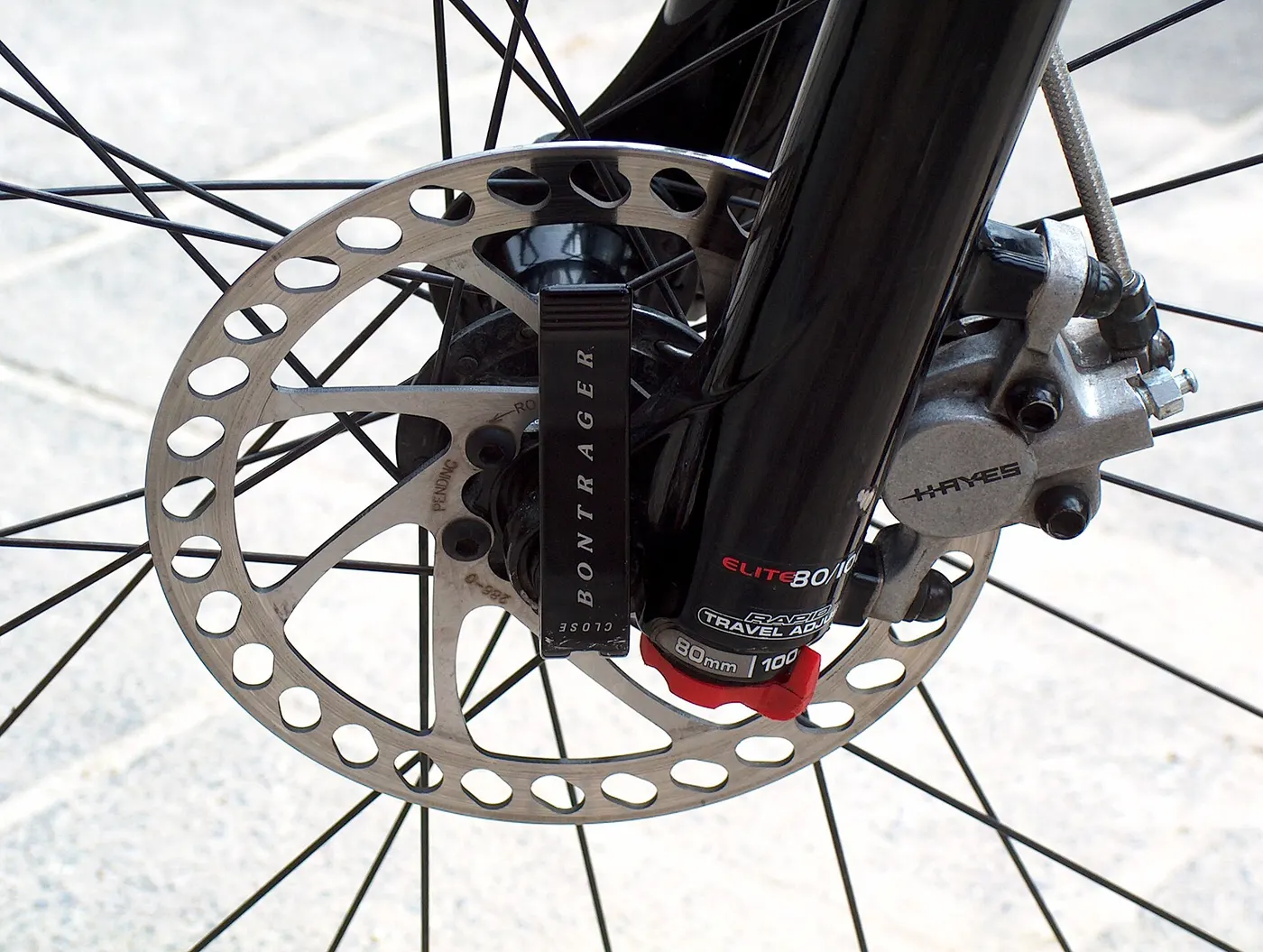
Send an overall trike photograph and a concise symptom description before booking. Ask whether the shop can handle the wheel's mounting type and any motor connections. A workshop may be comfortable with ordinary bicycle wheels but need different fixtures or manufacturer support for your trike. Confirming this early saves an unproductive trip with a difficult-to-transport vehicle.
For a remote assessment, send original-resolution photographs where possible and explain their orientation. Include the visible defect, the entire wheel, and any label requested by the provider. Avoid relying on one close-up so tight that the technician cannot locate the part. If a video is requested, use only a safe, approved stationary method and state how it was made.
Ask what the initial inspection covers and when further work needs authorization. Wheel removal, a tire replacement, brake setup, and spoke work can be separate parts of a quote. The service planning guide helps organize those questions. A low initial price is not a complete comparison if the other quote includes necessary reinstallation and checks.
The decision should consider the rim, hub, mounting interface, spokes, parts availability, and the vehicle's intended use. An owner can compare proposed scope and cost, while the technician establishes what work is suitable. A wheel with an uncommon trike interface may have fewer replacement options than a standard bicycle wheel, making manufacturer support particularly valuable.
If a complete replacement is proposed, verify wheel position, tire compatibility, brake interface, and any drive or motor connection. Ask whether the quote includes a tire, tube, rotor, cassette, or other transferred parts. A product image may show equipment that is not included. Written clarification prevents the replacement from arriving incomplete or incompatible with the existing controls.
Retain the service invoice and part numbers. If the shop rebuilt the wheel, request a clear description of the installed components and any follow-up instruction. Do not infer that a different spoke count or a more expensive rim is an upgrade for every use. The appropriate outcome is an assembly suitable for the trike, with its condition and service needs understood.
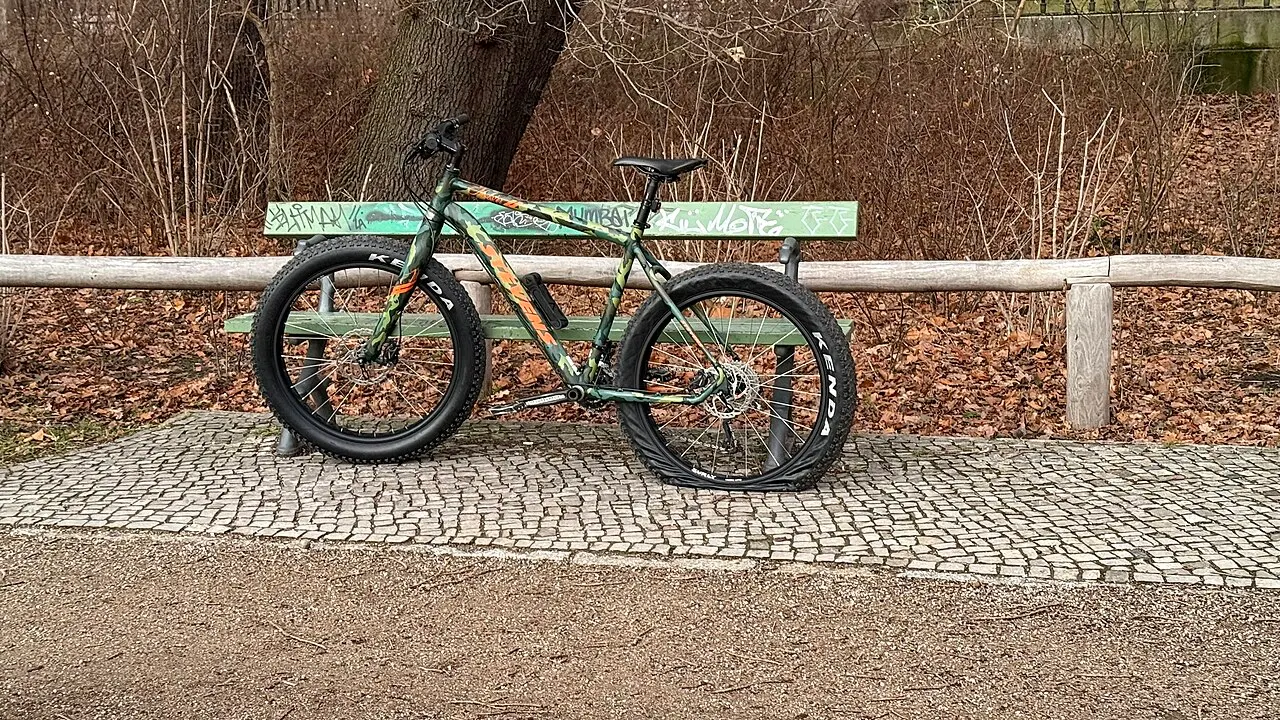
Follow the technician's and manufacturer's instructions after wheel work, including any specified recheck. Complete the normal pre-ride routine before an ordinary trip. If rubbing, new movement, braking changes, or handling concerns remain, stop and contact the provider. The purpose of the repair was to address the actual condition, so an unresolved symptom should remain visible in the service conversation.
Update your reference photographs after the assembly is confirmed ready for use. Write down what was repaired and what the technician found. For example, replace a note saying bent wheel with the confirmed finding if the cause was a damaged tire or accessory contact. This keeps the ownership history useful rather than allowing an initial suspicion to become an assumed fact.
Make wheel observation part of the broader maintenance checklist, but keep it proportionate. A brief walk-around before riding and attention to changes are practical habits. They do not need to become a daily workshop experiment. When a genuine concern appears, good documentation and correct service are more valuable than repeatedly manipulating an assembly whose design you have not identified.
Before leaving the workshop, ask which observations were confirmed and which were not. A technician might find an accessory contact, a tire problem, or a wheel condition that differs from your original suspicion. Record that distinction along with the work performed. If further monitoring is recommended, obtain the actual conditions and follow-up instructions instead of inventing a general waiting period. A clear outcome makes your next wheel observation more useful and keeps the maintenance history grounded in assessed facts.
Research-based guide, reviewed 14 October 2026. No wheel tension measurement, mechanical inspection, or hands-on testing was performed.
Guide
Choose your first adult tricycle by checking rider fit, storage, weight limits, gears, brakes, assembly, and service before buying.

Guide
Learn how to compare adult electric tricycles for control, fit, batteries, braking, transport, and ownership support.

Guide
Understand the leg and hip muscles used when pedaling a tricycle, plus how fit, resistance, and electric assistance change the effort.