



Guide
First Adult Tricycle Buying Guide
Choose your first adult tricycle by checking rider fit, storage, weight limits, gears, brakes, assembly, and service before buying.
We research everything we recommend. When you buy through our links, we may earn a commission. Learn more
Guide
Understand 20-, 24-, and 26-inch tricycle labels, exact tire sizes, rider geometry, gearing, mixed wheels, storage, and replacement parts.

Updated · 12 min read
A wheel-size label is a useful way to describe a tricycle, but it does not determine rider fit, step-through height, turning stability, or storage width by itself. Two 20-inch tricycles can have different frames and seats, while a vehicle with mixed wheel sizes may not fit neatly into one shopping category.
Use wheel size as one specification within a complete comparison. This guide separates nominal inch labels from exact replacement dimensions, explains the practical questions around rolling and gearing, and provides a buying worksheet. It does not give a universal height chart or recommend changing wheel diameter on an existing frame.

A delta tricycle has one front and two rear wheels; a tadpole has two front and one rear wheel. A sales title may mention only the main or most prominent size. Ask for the exact specification for every wheel, especially when the design uses different front and rear diameters.
Record the model and generation with the figures. A product name can remain similar while a wheel or tire specification changes. Do not combine an older review with a current listing without confirming the offered configuration.
The upright-versus-recumbent guide covers layout. Once that is clear, compare complete width, length, height, and control position. Those dimensions determine daily access more directly than the wheel category alone.
Inch labels usually describe approximate outside dimensions and are not always unambiguous. Schwalbe explains that different tire diameters can share an inch designation. Its ETRTO example uses a width and an inner tire diameter in millimeters, providing a more precise reference for rim matching.
For replacement parts, copy the complete marking from the installed tire and check the rim and vehicle instructions. Do not order a tire merely because a marketplace filter says 26 inch. Width, compatible rim, load suitability, and frame clearance still matter after the diameter is identified.
Keep exact markings in the ownership record for each wheel. The tire-pressure and puncture guide explains replacement and repair decisions. This article addresses purchase comparison, so it does not reproduce a universal tire-fitting procedure.
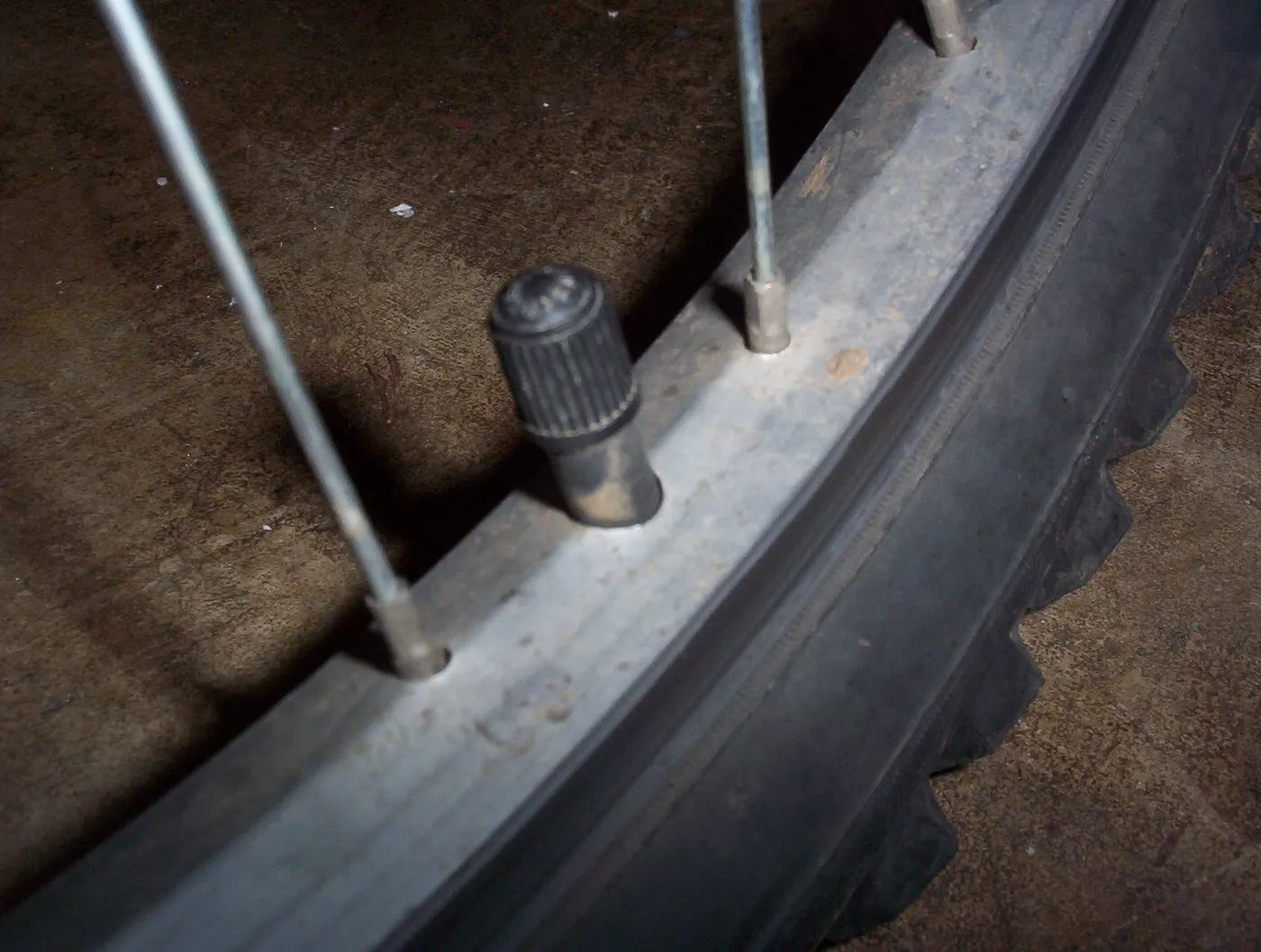
Wheel size can influence a design, but the rider uses a seat, pedals, frame opening, handlebars, and brake levers. Check those relationships in the actual vehicle. A short rider should not be assigned automatically to every 20-inch model or a tall rider to every 26-inch model.
Use manufacturer rider guidance as an initial filter, then assess permitted adjustment and control reach. A low frame opening can coexist with a high seat or distant lever. A larger-wheel design can still offer suitable access depending on its geometry.
The fit guide provides the full process. Do not lower the seat to make feet reach the ground if that creates unsuitable pedaling or ignores the model's instructions. Entry, riding fit, and stopping procedures need to be assessed together.
Ask for the opening's actual height and shape and try the documented entry method where possible. Frame tubing, seat position, and accessories can affect the task. A label such as low-step is not enough to establish whether the rider can enter without strain.
Check where the vehicle will be secured during mounting. An entrance that requires stepping across the frame on a slope can be difficult regardless of wheel size. The mounting and dismounting guide focuses on that complete routine.
If a helper or support accessory is required, use only the approved arrangement. A basket or mirror mast is not automatically a grab handle. A different vehicle may be more suitable than modifying the frame or exceeding an adjustment mark to make the entry work.
Wheel diameter can affect how a wheel encounters an obstacle, but tire volume, pressure, speed, suspension, and the surface also influence the experience. Do not translate a larger-wheel preference into permission to ride a curb or pothole deliberately.
Inspect the complete three-wheel corridor and choose a route within the manufacturer's intended use. A front wheel that clears an obstacle does not prove the paired rear wheels will do so. Slow early and preserve room for a clear line.
For repeated surface vibration, compare the suspension guide and fat-tire guide as separate dimensions. Neither wheel size nor tire width is a universal comfort treatment.
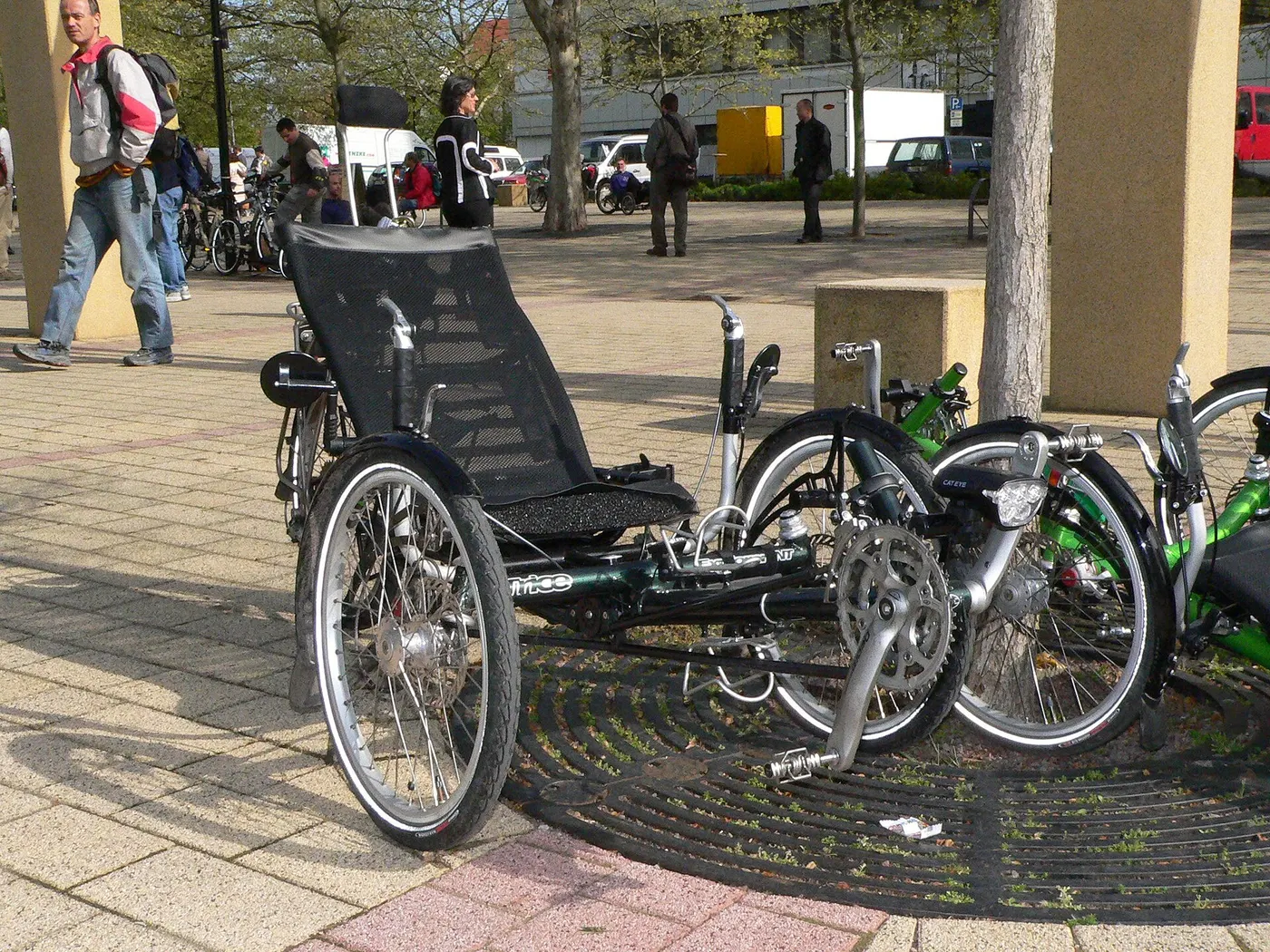
The distance traveled for a pedal revolution depends on the drivetrain and driven wheel. Wheel diameter is therefore part of gearing, but tooth counts, gear range, and any internal mechanism matter too. A smaller wheel is not automatically an easier climbing vehicle when the rest of the gearing differs.
Ask the dealer to explain the lowest and highest practical gearing for the exact model. Compare manageable starts and ordinary pedaling on a suitable trial route. Do not infer hill performance from the number of speeds alone.
The gears and hills guide covers shifting and effort. If assistance is fitted, keep motor contribution separate during the comparison. An assisted demonstration can conceal gearing that would be difficult when the battery is low.
The complete support geometry, rider and cargo position, speed, turn radius, and surface affect lateral behavior. A small-wheel title does not prove a low enough center of gravity or immunity to tipping. A larger-wheel tricycle is not automatically unstable either.
Use broad controlled turns in a permitted level area and follow the model's guidance. Do not intentionally lift a wheel to compare designs. The turning and camber guide explains why stationary support and cornering demands are different.
Keep the comparison practical: predictable steering, comfortable control reach, and room to stop. A vehicle that feels reassuring on a short straight run still needs the route, load, and entry assessment before purchase.
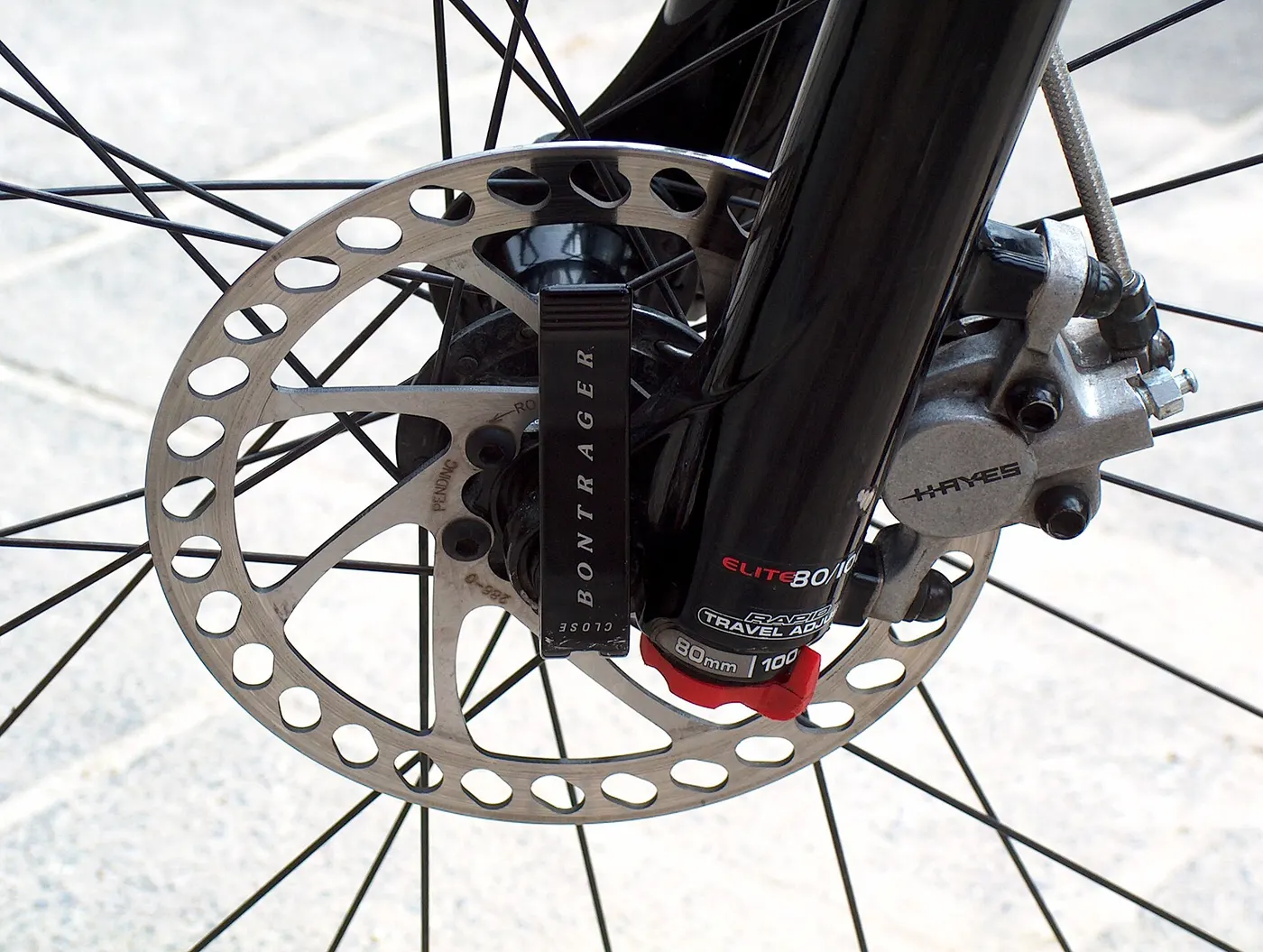
Measure the complete vehicle in riding and any permitted folded configuration. Small wheels do not guarantee a narrow axle or light frame. A 20-inch electric tricycle can still be difficult to lift or pass through a gate.
Check car opening width, sill height, and securing arrangements rather than cargo volume alone. Ask what parts must be removed to reach the quoted folded size. The folding guide distinguishes a compact specification from a manageable routine.
For home storage, assess the receiving turn and space to unfold. A tricycle that fits the storage rectangle but cannot move through the entrance is unsuitable for that plan. Include accessories and loaded bags where they affect the dimensions.
Check current compatible tire and tube availability through your service provider. Mixed sizes may require carrying or stocking more than one part type. That is not inherently a problem, but it should be understood before a long route.
Ask who handles wheel removal, retention, motor wiring, and any specialized axle components. The visible tire may be common while the wheel assembly is not. A size label does not establish that every shop can service the vehicle.
Include recovery if a puncture exceeds the owner's permitted scope. The maintenance checklist covers routine inspection, while the tire guide develops roadside decisions. Do not choose purely on the assumption that smaller wheels are always simpler to repair.
| Area | Record for each candidate |
|---|---|
| Wheel specification | Exact sizes for every wheel and tire |
| Rider geometry | Seat/pedal relationship, permitted adjustment, lever reach |
| Entry | Actual frame opening and documented method |
| Drivetrain | Driven wheel, gearing, and assistance where fitted |
| Access | Complete width, length, weight, and folded configuration |
| Support | Compatible replacements and a willing service provider |
Compare the same intended load and route. Keep uncertain entries visible and ask for manufacturer confirmation where a figure is ambiguous. Do not fill the worksheet with dimensions from another generation to make a remote purchase feel complete.
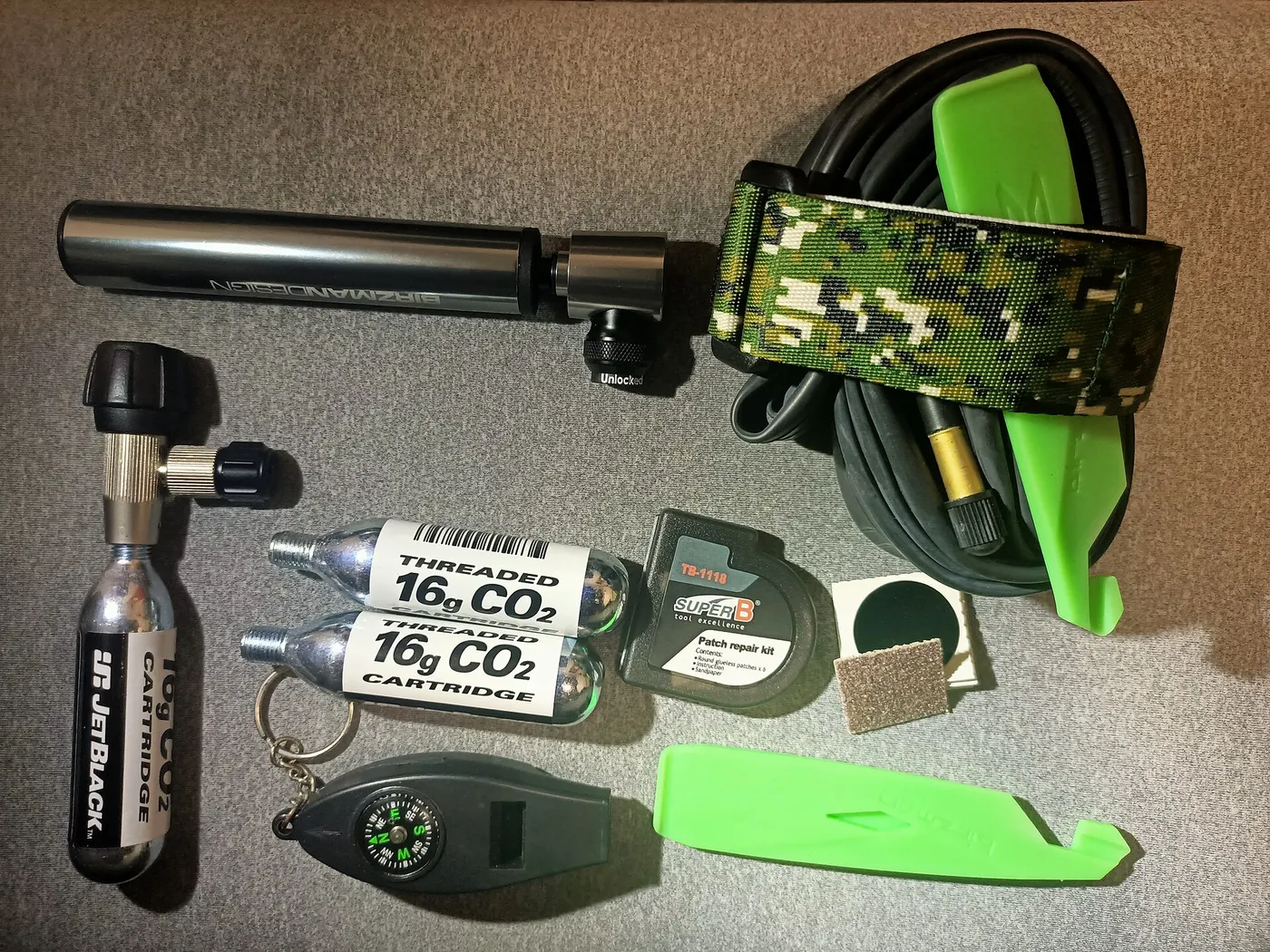
Imagine two candidates, one marketed as 20 inch and one as 26 inch. The first fits the car opening but has controls the rider struggles to reach. The second offers better control fit but cannot enter the storage gate. Neither has passed the complete task merely because it wins one measurement.
Look for an approved fit adjustment or a different access arrangement and evaluate it before purchase. If neither works, consider another model. Do not force the first vehicle's stem beyond its mark or plan to lift the second over a fence every day.
A useful decision might favor a third design with mixed wheels, a different frame opening, or ground-level storage. Wheel size remains part of the explanation, but the final reason is a repeatable routine the rider can manage.
Changing diameter can affect frame clearance, braking, gearing, and other systems. On an electric vehicle, speed-related settings may also be involved. Do not attempt the change because a smaller wheel appears likely to solve entry or effort.
Ask the manufacturer about an approved configuration and use qualified service where required. If none exists, choose a vehicle designed for the desired arrangement. A purchase guide should help compare valid options, not become a recipe for modifying an unsuitable tricycle.
Keep the exact original specification and any approved changes in the service record. That allows later tire, wheel, and accessory decisions to be tied to what is actually installed rather than to the model's broad inch label.
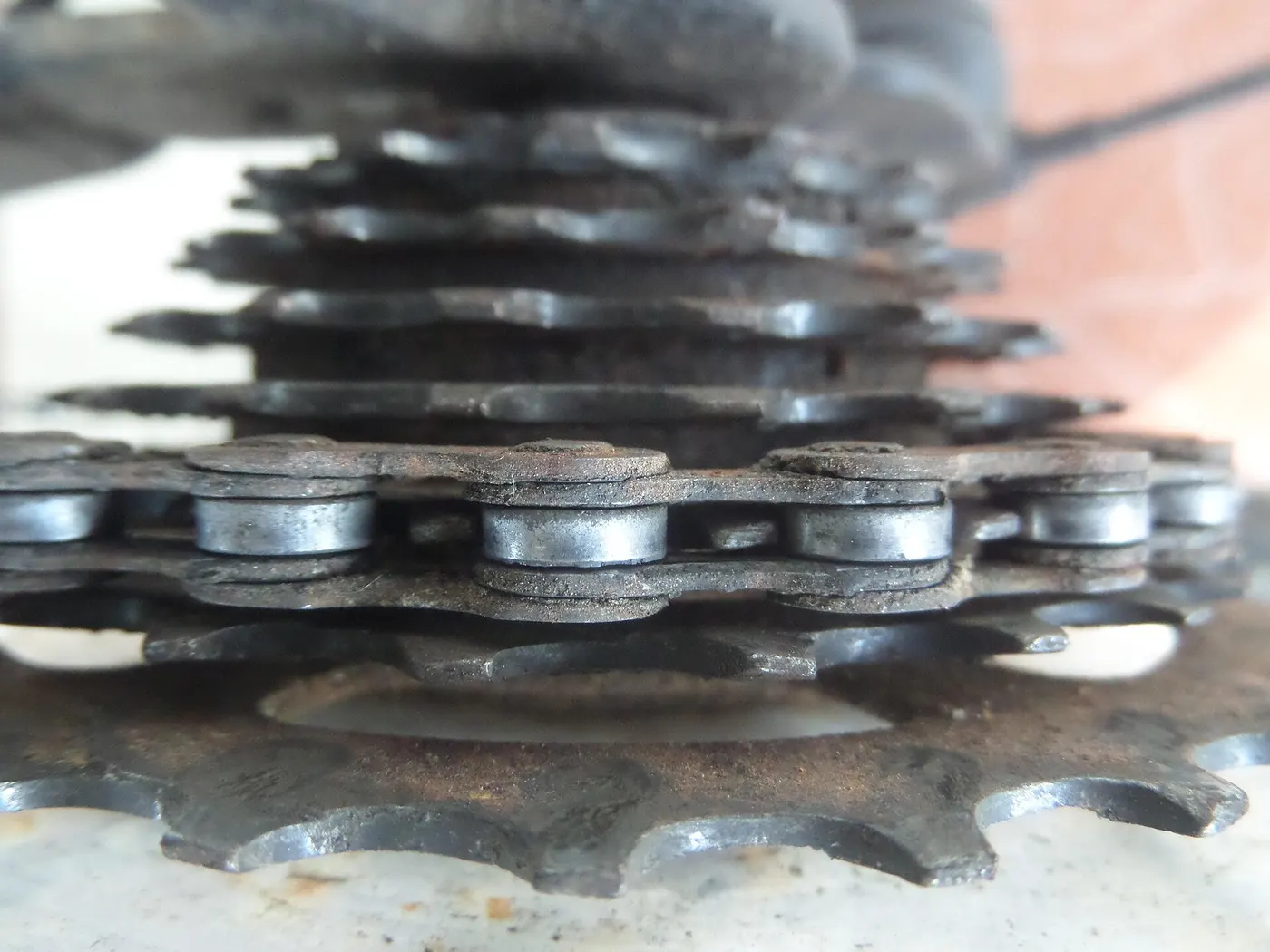
For a simple chain drive, wheel travel per crank revolution relates to wheel circumference multiplied by the chainring-to-sprocket ratio. Internal gears and other mechanisms require their own ratios. This relationship explains why diameter alone does not determine how easy a tricycle is to pedal. It is background for comparison, not a setup instruction.
Consider two hypothetical approved configurations. One has a smaller driven wheel but a higher drive ratio; the other has a larger wheel with a lower ratio. Either could produce similar travel per pedal revolution. The inch title cannot reveal the answer without the drivetrain information. Ask the dealer to explain the actual low-gear arrangement.
Use the vehicle's measured or documented wheel information for any calculation, not a rounded sales category. Outside diameter can vary with tire size. Do not present a result as exact if the inputs are nominal or incomplete, and do not change sprockets or wheels solely to match an internet calculation.
A controlled trial then answers whether the approved gearing feels manageable for the rider on the intended permitted route. Keep assistance in context. Arithmetic can explain a difference, while the practical trial evaluates the complete vehicle; neither substitutes for the manufacturer's restrictions.
List front left, front right, rear left, rear right, or the relevant single wheel positions for the actual layout. Record each tire's full marking, valve arrangement, rim identification where available, and any specialized motor or axle connection. Leave nonexistent positions blank rather than forcing every tricycle into one template.
This card helps when ordering spares or speaking to a mechanic. A mixed-wheel recumbent may need more than one tube type, while paired wheels may share a size but have different removal tasks. The exact model and wheel position can be as important as the rubber marking.
Keep approved replacement information beside the original specification. If a mechanic installs a permitted alternative, update the card and retain the service record. Do not continue ordering from the original sales title after the actual configuration changes.
For touring, use the card to decide which owner-serviceable spares make sense. Carrying three identical tubes is not useful if one wheel uses another specification. Equally, stocking every possible part can add unnecessary load. Match the kit to the vehicle, skills, and recovery plan.
Suppose a compact-looking 20-inch model and a larger-wheel model both meet the rider's initial height range. Measure overall width, length, and the frame opening, then check the receiving turn inside the building. The smaller-wheel vehicle may still have a wider axle or a larger basket.
Try the actual documented entry and storage sequence where permitted. Include any folding, battery removal, and assistance required. A salesperson moving the vehicle easily does not establish that the intended rider can handle it. Record the tasks performed by another person.
If the larger-wheel model fits the rider better but cannot enter storage, look for a suitable approved access change or another vehicle. Do not use a wheel swap as a workaround. The complete geometry and braking arrangement need to stay within the manufacturer's design.
This example shows why a universal wheel-size height chart can be misleading. The useful recommendation identifies the actual model that fits both the rider and routine. Wheel category is a filter for searching, not a final suitability certificate.
A listing may call a tricycle 26 inch because of its rear wheel while the front wheels use another size, or describe the front wheel of an upright design more prominently than the rear pair. Ask for the specification table and exact offered configuration before comparing dimensions or buying spares.
Photographs can be distorted by perspective and may show another generation. Do not estimate diameter from the seat or basket scale. Use product documents and a dealer measurement when a dimension determines storage or transport.
If a review discusses a different wheel configuration, keep it as context rather than direct evidence for the current purchase. The rider may have observed useful characteristics, but the frame, gearing, and components can differ. Ask which claims remain applicable and leave unconfirmed ones out of the comparison.
This is also important for replacement wheels. A tire's exact fit does not establish axle, brake, or motor compatibility for a complete wheel assembly. Give the service provider the whole parts card rather than only an inch number.
Before the trial, write the unanswered question: entry height, brake reach, unassisted effort, or storage handling. Use a permitted simple setting and the correct fit. This keeps the session focused instead of turning it into a general impression influenced by color or motor power.
Afterward, record the result and what remains unknown. A short demonstration cannot establish long-term parts availability or maximum range. Resolve those through the appropriate source. The purchase becomes clearer when each form of evidence is used for the question it can actually answer.
When sharing the purchase decision, name the exact tricycle and explain the fit, route, access, and service evidence. A statement that one rider preferred this configuration is useful. A claim that every person of the same height needs the same inch category is too broad.
Retain the wheel-by-wheel parts card with the manual and update it after approved service. This makes later tire and tube inquiries more accurate and reduces dependence on a shortened marketplace title. The wheel-size label remains a convenient search term, while the real ownership record describes the components actually installed and the routine they serve.
Research-based guide; no wheel-size performance, stability, or fitting trials were performed. Examples are illustrative and do not assign a universal rider-height chart.
Guide
Choose your first adult tricycle by checking rider fit, storage, weight limits, gears, brakes, assembly, and service before buying.

Guide
Learn how to compare adult electric tricycles for control, fit, batteries, braking, transport, and ownership support.

Guide
Understand the leg and hip muscles used when pedaling a tricycle, plus how fit, resistance, and electric assistance change the effort.