
Guide
First Adult Tricycle Buying Guide
Choose your first adult tricycle by checking rider fit, storage, weight limits, gears, brakes, assembly, and service before buying.
We research everything we recommend. When you buy through our links, we may earn a commission. Learn more
Guide
A rain garment has to work with the rider's actual position and controls. A poncho may offer broad coverage while creating loose fabric, and a jacket.

Updated · 11 min read
A rain garment has to work with the rider's actual position and controls. A poncho may offer broad coverage while creating loose fabric, and a jacket may be easier to contain while leaving other clothing exposed. On a trike, the relationship between fabric, wheels, pedals, seat, and luggage can differ from an ordinary bicycle. Choosing by coverage alone misses the practical question of whether the complete arrangement can be used correctly.
This guide compares garment selection and a stationary fit routine. It does not declare either category safe for every trike, prescribe a universal attachment method, or guarantee comfort in particular weather. Follow the garment and vehicle instructions, and do not ride when conditions exceed the intended use or your capability. A change of route or timing remains an option even after suitable clothing has been purchased.
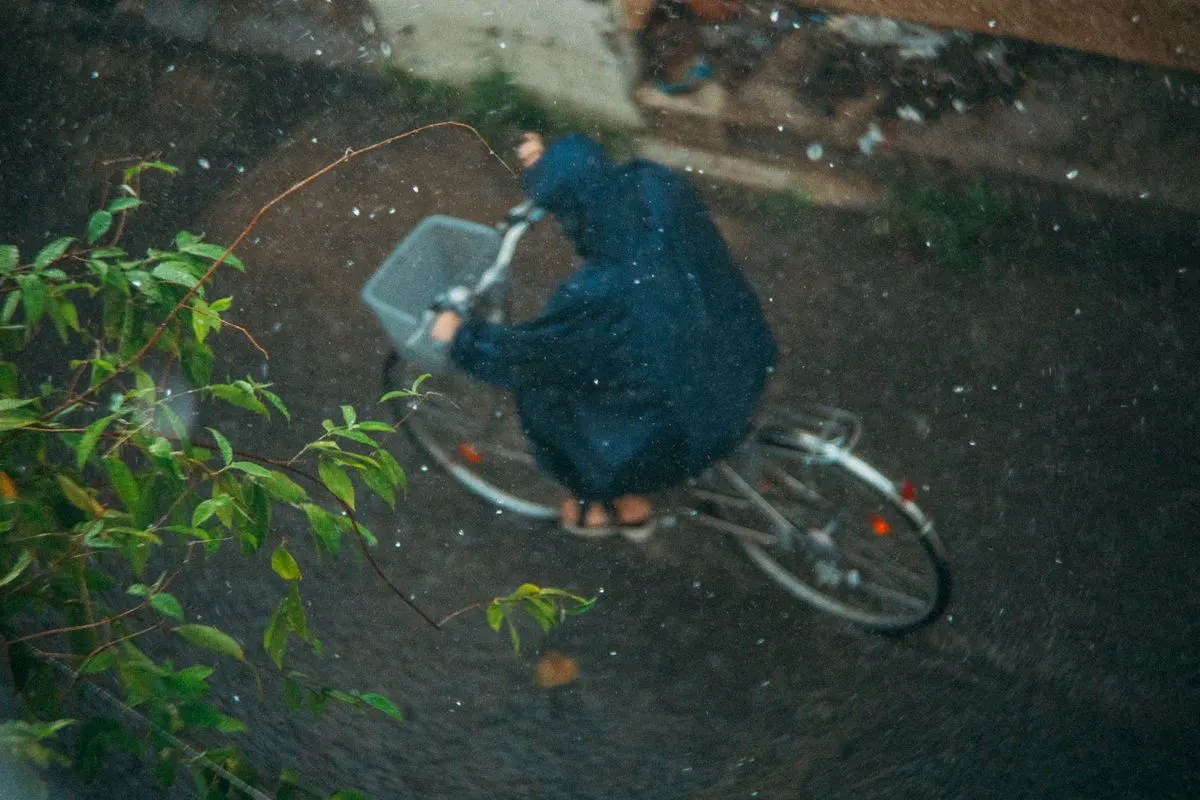
Evaluate the garment on the trike configuration you actually ride, with the vehicle secured and the setup handled appropriately. Upright, semi-recumbent, and low recumbent positions expose different surfaces and create different fabric paths. A jacket photographed on a standing model does not show how its hem behaves beside a trike drivetrain.
Record the normal seat adjustment and ordinary underlayers before comparing products. A garment that fits over a thin shirt may restrict movement over winter layers. Likewise, a poncho that hangs clear while standing can pool differently when seated. The sizing and fit guide supplies the vehicle context; clothing needs its own assessment after the riding position is established.
Do not assume the broad label cycling resolves these differences. A garment may be designed around a two-wheel bicycle posture or particular equipment. Read its intended use and ask the maker about unclear fit questions. A product category is a starting point for comparison, not approval for every recumbent or upright tricycle.
Look at the hem, sleeves, pockets, hood cords, and any straps. Identify where they can reach wheels, the chain, pedals, brake components, or the steering assembly. The clothing-clearance guide covers those hazards in greater depth. The rain comparison should preserve the same clearances rather than treating wet weather as an exception.
A loose garment should not be controlled through improvised ties to steering or brake equipment. If the maker supplies retention features, use them only as instructed and confirm that they are compatible with the vehicle. Do not connect fabric to a moving control simply because a loop can be made to fit around it.
Check the arrangement with the ordinary load and accessories present. A basket, mirror, display, or seat bag can alter where fabric settles. An empty vehicle in a showroom may not reveal the problem created by a full grocery bag. The useful fit test uses the complete configuration without introducing unsafe movement or powered spinning.
A poncho can cover a larger area, but the actual protected area depends on its shape, the riding posture, and the intended setup. A jacket covers the torso and arms within its design, while other garments may be needed for the rest of the rider. Do not convert a product photograph into a promise that the entire body, seat, or cargo will remain dry.
Separate rider coverage from vehicle and luggage protection. Draping a garment over a basket can change its intended use and create interference. A bag should have its own suitable weather arrangement. The basket bag guide and recumbent seat-bag guide address those different tasks.
Consider what happens when getting on and off. A garment that gives broad coverage while seated may need to be managed through a specific sequence before standing. The mounting guide helps preserve the rider's normal access. Clothing should not make that routine depend on stepping over loose material or using an unsupported part as a handhold.
With appropriate secure parking, confirm that sleeves and gloves allow access to the installed controls. The rider should be able to find and use the intended levers and buttons without fabric covering them. A waterproof cuff may feel comfortable until it catches on a lever or limits wrist movement. Record the actual issue rather than describing the whole garment as simply too bulky.
Map the controls before the comparison. Left and right levers do not necessarily operate the same wheels as on a previous bicycle. The brakes guide explains why the installed arrangement matters. A clothing trial should not be the first time the rider discovers how the vehicle's parking function works.
If a garment prevents normal control use, try an appropriate size or different supported design. Do not move brake levers, loosen controls, or reroute cables merely to accommodate clothing. A clothing purchase should fit the established vehicle arrangement unless a competent provider is making an independently justified, approved adjustment.
A hood can change how the rider turns the head and sees to the sides. Test the intended combination with the actual helmet and eyewear while stationary. Follow each maker's instructions; do not assume every hood is intended to go under or over every helmet. The helmet guide covers maintaining the helmet's proper fit.
Check whether fabric obscures a mirror or moves it during head movement. A wearable mirror and a handlebar mirror create different relationships with a hood. The mirror comparison addresses those differences. A clear forward view alone does not establish that the complete observation routine remains usable.
Do not drill, cut, compress, or otherwise modify a helmet to accommodate a garment. If the combination does not fit as instructed, select another supported arrangement. A successful clothing fit should preserve the intended operation of the protective equipment, not rely on altering it through an unapproved method.
Wear the garment in the normal position and inspect the complete loaded trike from several stationary viewpoints. Fabric may cover a light, reflector, flag mount, or reflective area on another item. The passive visibility guide explains why layered equipment should be checked together. A bright garment is not automatically a substitute for vehicle lighting.
Read any reflective-feature claims in the garment documentation. A decorative strip and a certified product description are not interchangeable. This guide does not certify compliance with local rules or promise a detection distance. Check the applicable official requirements and the actual unobstructed installation.
If a poncho or jacket obscures the vehicle equipment, resolve the garment arrangement through its intended use or choose a different product. Do not relocate a light to an unsuitable mount just because fabric now covers its original position. The complete configuration should remain documented and practical.
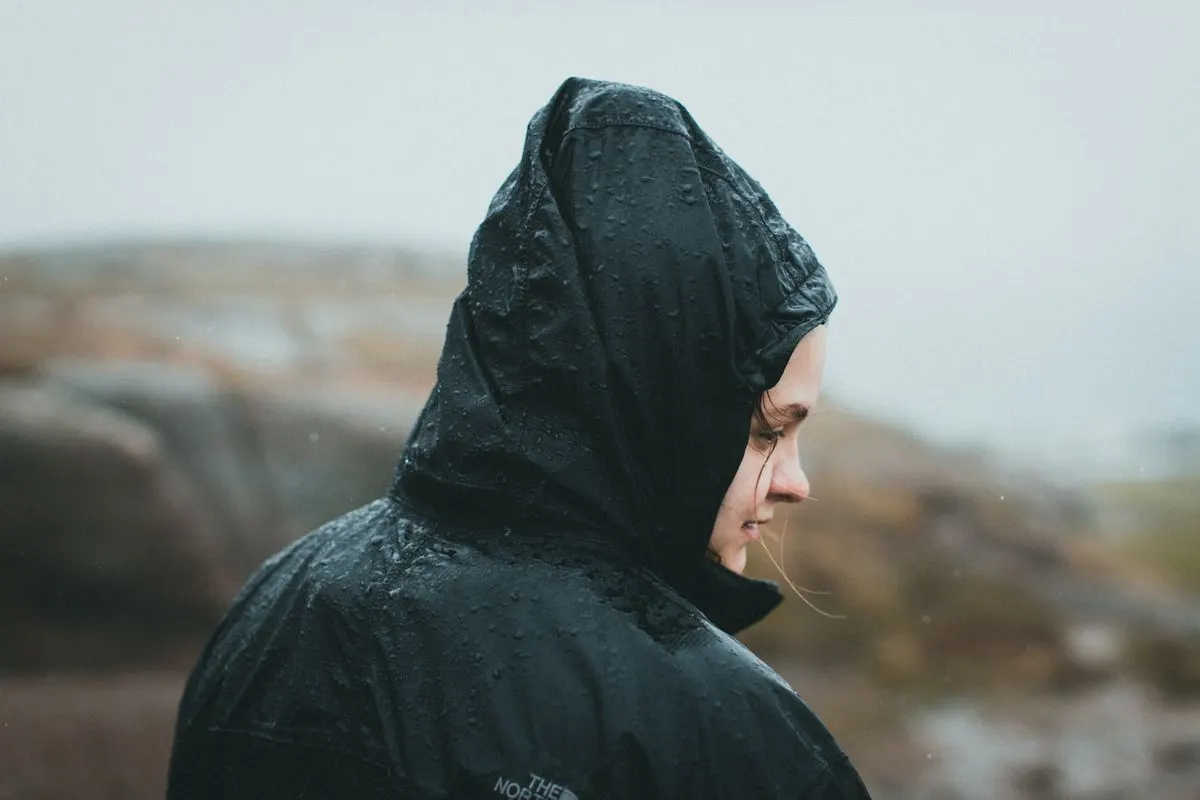
A garment with a broad loose area needs assessment in the intended conditions and within the maker's instructions. Do not assume that more coverage has no effect on handling or fabric movement. The wind route guide addresses the decision to ride and the route itself. Clothing cannot make every windy outing suitable.
Avoid using a difficult ride to test a new garment's behavior. Start with its instructions and a stationary clearance check, then use an appropriate controlled introduction within the vehicle's intended use. If fabric moves into an unsafe position or affects control, stop and reassess. Do not hold a garment down with one hand while continuing through traffic.
A more contained jacket may simplify some routines, but it still has hems, cuffs, and cords to check. The comparison should be specific: which garment works with this rider, vehicle, load, and weather plan? A universal winner is less useful than a clearly documented fit and an early-ending option.
Waterproofing, water resistance, ventilation, and breathability describe different properties and may be measured under different conditions. Read the product's actual information rather than treating all rainwear as equivalent. A more expensive material does not guarantee that the garment suits your posture or keeps you comfortable during every ride.
Consider the effort and duration of ordinary trips. A short errand with several stops creates a different routine from a long continuous ride. The garment's opening, pocket access, ventilation features, and ease of removal can matter as much as its headline fabric claim. Check those operations while stationary before deciding which features are useful.
This article does not diagnose sweating, temperature intolerance, pain, or a medical condition. If an individual health issue affects clothing or riding decisions, obtain appropriate advice. Product descriptions about comfort should not be converted into clinical promises or reasons to ride outside your capability.
Rainwear needs accessible storage before it is worn. A garment buried beneath shopping or camera equipment may be difficult to reach at the first suitable stop. Choose a bag location that permits the trike to be secured and the garment removed without unloading everything into a path. The cargo guide supplies the broader organization principles.
Keep the packed garment contained so straps and sleeves cannot reach moving parts. A stuff sack may help organization if it is intended for the product, but its own attachment still needs a suitable arrangement. Do not hang the garment from a handlebar or saddle where it can shift into a wheel during the dry part of the trip.
Decide where a wet garment goes after use. Follow its care and drying instructions, and separate it from items that need to remain dry. A bag that accommodates the garment when clean and tightly folded may not hold it in the same shape after a wet outing. Include the return configuration in the storage plan.
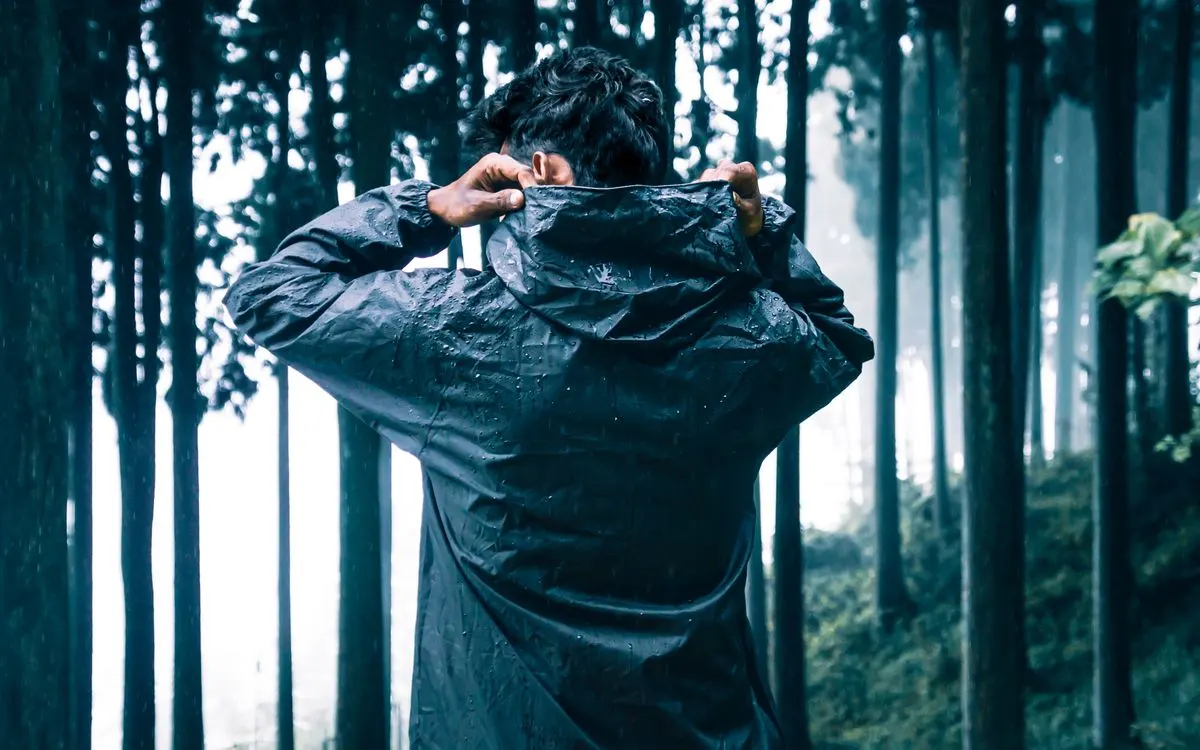
Operate zips, fasteners, and any permitted adjustment with the gloves normally used. The glove fit guide addresses control access, but clothing closures deserve the same practical check. A small pull that works barehanded may be difficult with a full-finger glove. Resolve that through the product's supported use rather than attaching a long improvised cord near moving parts.
Do not use pocket capacity as a reason to carry heavy or awkward items where they interfere with the seated position. A phone or tool can press against a control or change the way fabric hangs. Keep essential items accessible without distorting the garment's intended fit. A separate suitable bag may be a better location.
Check that closures remain functional and fabric is not damaged before the next ride. Follow the maker's cleaning and reproofing instructions where applicable. A garment that looks dry on the outside may still need appropriate care, and an unapproved treatment can alter its intended properties.
Compare candidates in the same vehicle setup with the same helmet, gloves, eyewear, and ordinary layers. Record coverage, moving-part clearance, control access, head movement, mounting sequence, storage, and care requirements. Distinguish an unresolved question from a favorable impression. A comfortable garment with unclear clearance should not be marked ready for use.
If trying products through a retailer, check its current return conditions before the trial. Do not assume an outdoor test or modification is permitted. A stationary fit session can reveal many practical problems without using the garment in unsuitable conditions. Keep packaging and instructions until the selection is resolved.
After an appropriate introduction, update the notes with what was actually observed. A brief dry-weather fit does not establish performance in prolonged rain. Keep claims proportionate to the evidence, and retain the option to change the trip rather than continually adapting the garment to a task it does not suit.
Compare a short errand and the longest routine ride separately. For each, record the expected conditions, underlayers, helmet, eyewear, gloves, cargo, and available stops. The same garment may be convenient for one task and awkward for the other. This prevents a single favorable showroom impression from becoming a claim that the product suits every use of the trike.
During a stationary session, use specific tasks rather than a general comfort score. Can the rider reach the parking control without a cuff covering it? Does the hood preserve ordinary observation? Where does the hem sit beside the drivetrain? Can the garment be removed after the vehicle is secured without stepping into a loose panel? Record unresolved questions even when the overall first impression is positive.
A poncho comparison should identify the maker's intended support and retention features. If the product relies on an arrangement designed for a different bicycle posture, ask whether the trike use is supported. Do not pull fabric over the controls and decide that the extra coverage is worth the interference. A product that cannot be used through its intended arrangement may simply be the wrong choice for this vehicle.
A jacket comparison should include the cuffs, front closure, back hem, and ordinary seated contact. A bulky pocket can become an obstruction when filled, even if the empty garment fits well. Put only suitable ordinary items in their intended locations during the stationary check. Do not treat empty-pocket fit as proof that every carried object will remain comfortable and clear.
Consider the stop routine in a practical example. A rider arrives at a shop wearing a damp jacket and needs to secure the trike, remove gloves, and access a payment method. The clothing and bag arrangement should permit those tasks without leaving loose fabric over a wheel or balancing equipment on the steering bar. Another rider using a poncho may have a different sequence for clearing the garment before dismounting. Both require an understandable supported routine.
Keep a separate decision about whether to ride at all. A garment that fits correctly does not settle road surface, wind, visibility, or the rider's condition. The comparison sheet can end with choosing different trip timing rather than choosing a product. That is a useful planning result, particularly when the expected weather lies outside the clothing or vehicle's documented intended use.
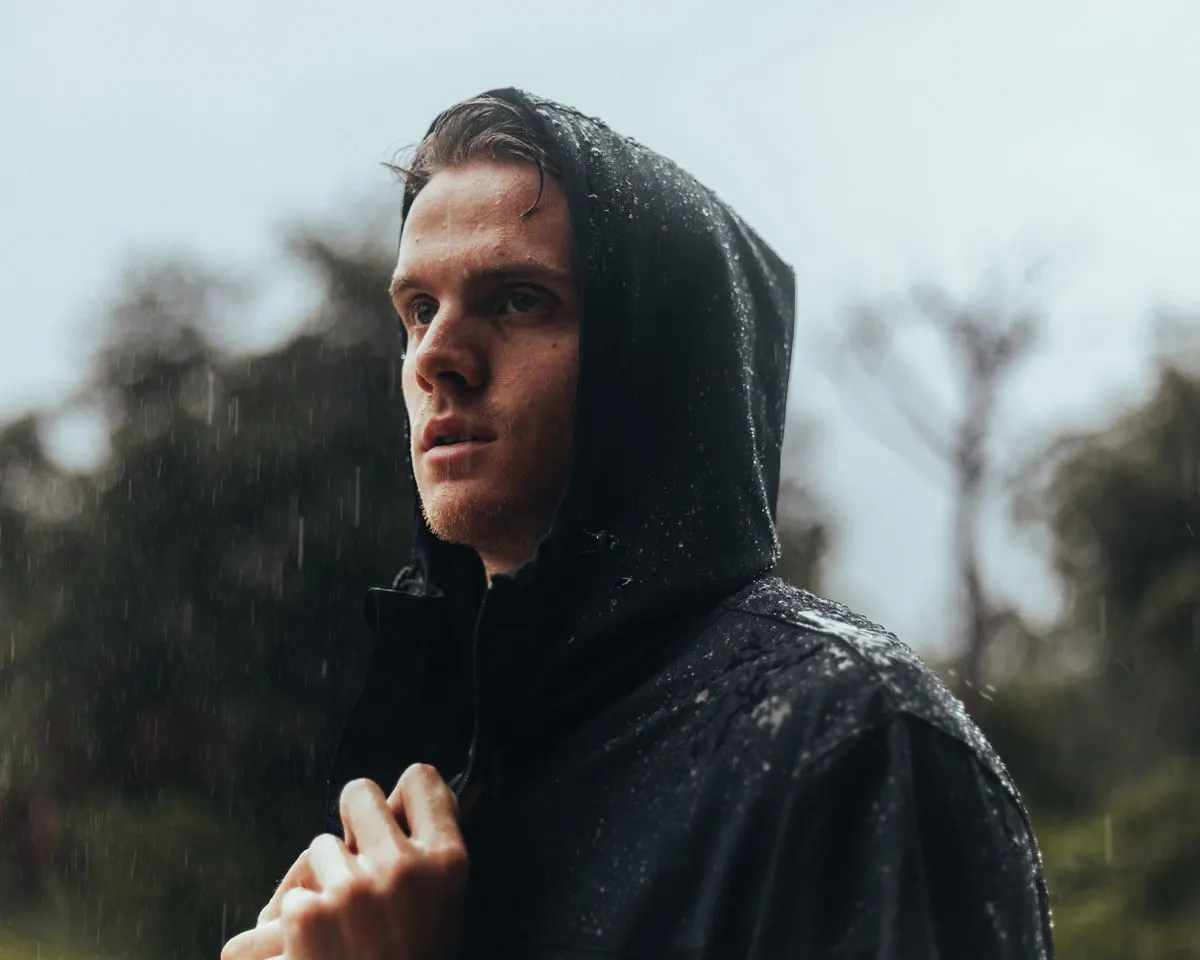
A winter layer, different helmet, or new bag can change the garment arrangement that previously worked. Repeat the relevant stationary checks rather than assuming the original fit covers the new combination. Record the specific interference and use the makers' supported options to resolve it. Clothing remains part of the complete riding setup, so a change in its surroundings can be as relevant as replacing the garment itself.
Research-based comparison guide, 15 October 2026. No weatherproofing, aerodynamic, or hands-on garment testing was performed.
Guide
Choose your first adult tricycle by checking rider fit, storage, weight limits, gears, brakes, assembly, and service before buying.

Guide
Learn how to compare adult electric tricycles for control, fit, batteries, braking, transport, and ownership support.

Guide
Understand the leg and hip muscles used when pedaling a tricycle, plus how fit, resistance, and electric assistance change the effort.