

Guide
First Adult Tricycle Buying Guide
Choose your first adult tricycle by checking rider fit, storage, weight limits, gears, brakes, assembly, and service before buying.
We research everything we recommend. When you buy through our links, we may earn a commission. Learn more
Guide
A useful cycling glove lets the rider hold the intended grip and operate the actual controls. Padding, warmth, and fabric features matter, but they.

Updated · 11 min read
A useful cycling glove lets the rider hold the intended grip and operate the actual controls. Padding, warmth, and fabric features matter, but they come after basic fit and usable hand movement. A glove that feels pleasant while standing in a shop may bunch around a lever, catch on a cuff, or make a small assist button difficult to locate once the rider is seated on the trike.
This guide focuses on choosing and comparing gloves for an adult upright or recumbent tricycle. It is not a medical treatment guide or a promise that padding will resolve pain or numbness. Persistent symptoms and individual limitations need appropriate professional advice. For the equipment decision, compare the glove, grip, lever, clothing, and riding posture as one practical arrangement while preserving each component's instructions.
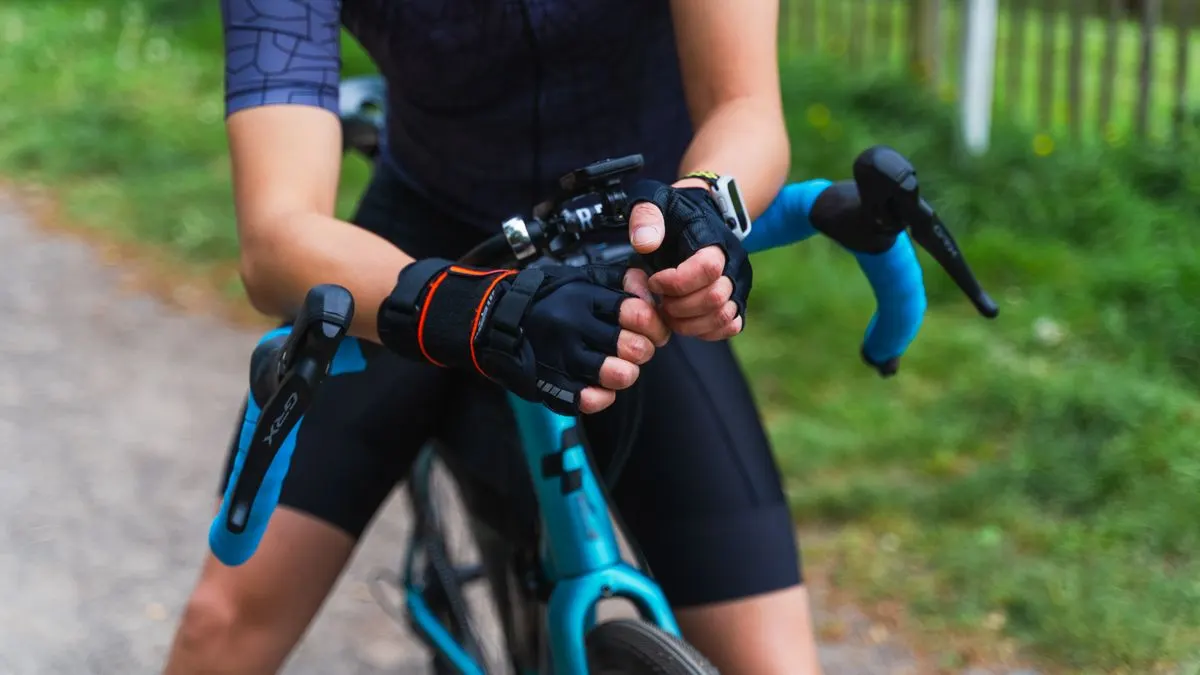
Identify the grips, brake levers, gear controls, assist controls, bell, and parking function that the rider uses. A glove trial is more informative when those tasks are known. Do not assume the controls work like those on a previous bicycle. The brake guide explains why wheel and lever mapping should be established for the installed arrangement.
Record the normal seat and handlebar position before trying different gloves. A poorly adjusted reach can make several products feel wrong for the same underlying reason. The fit guide covers the wider setup. A glove should not be expected to compensate for an unresolved control-access problem or an unsupported alteration to the steering system.
On a recumbent, controls beside the seat may create a different wrist and cuff relationship from an upright handlebar. The handlebar-layout guide discusses those comparisons. Use the actual intended position in a securely parked stationary session rather than drawing a conclusion from gripping an unrelated bar in a store.
Glove sizing differs by brand and model. Follow the particular maker's hand-measurement instructions and chart instead of assuming that a medium in one product equals a medium in another. Giro's chart is an example of a manufacturer providing a defined measurement and size reference. It should not be used as the chart for an unrelated glove.
Measure as instructed and record the result, including whether each hand differs. If between sizes, use the maker's guidance or ask its support team rather than inventing a rule to size down for control. A tight glove is not automatically more precise, and a larger glove is not automatically more comfortable once material begins to fold at the palm.
Keep the exact model and version in the comparison notes. Two gloves from one brand can have different construction or intended use. A familiar size label is useful background but not proof of fit. If replacing an old favorite, compare the delivered product with the current documentation rather than assuming it is unchanged.
With the trike appropriately secured, hold the intended grip and look for bunching or an awkward fold. The glove should be assessed in the hand position used for riding, not only with the hand open. A material that lies flat on a table can gather differently around a shaped grip or bar end.
Separate the glove issue from the grip issue. A bulky pad may interact poorly with one grip while a different glove exposes a reach problem that was already present. The grip guide helps organize those distinctions. Do not keep buying more padding without identifying what movement or contact is actually difficult.
This stationary observation does not establish all-day comfort or medical suitability. Record precisely what was checked and what remains unknown. If discomfort, altered sensation, or pain occurs, stop and seek appropriate advice instead of treating the glove's marketing description as evidence that continued use will solve it.
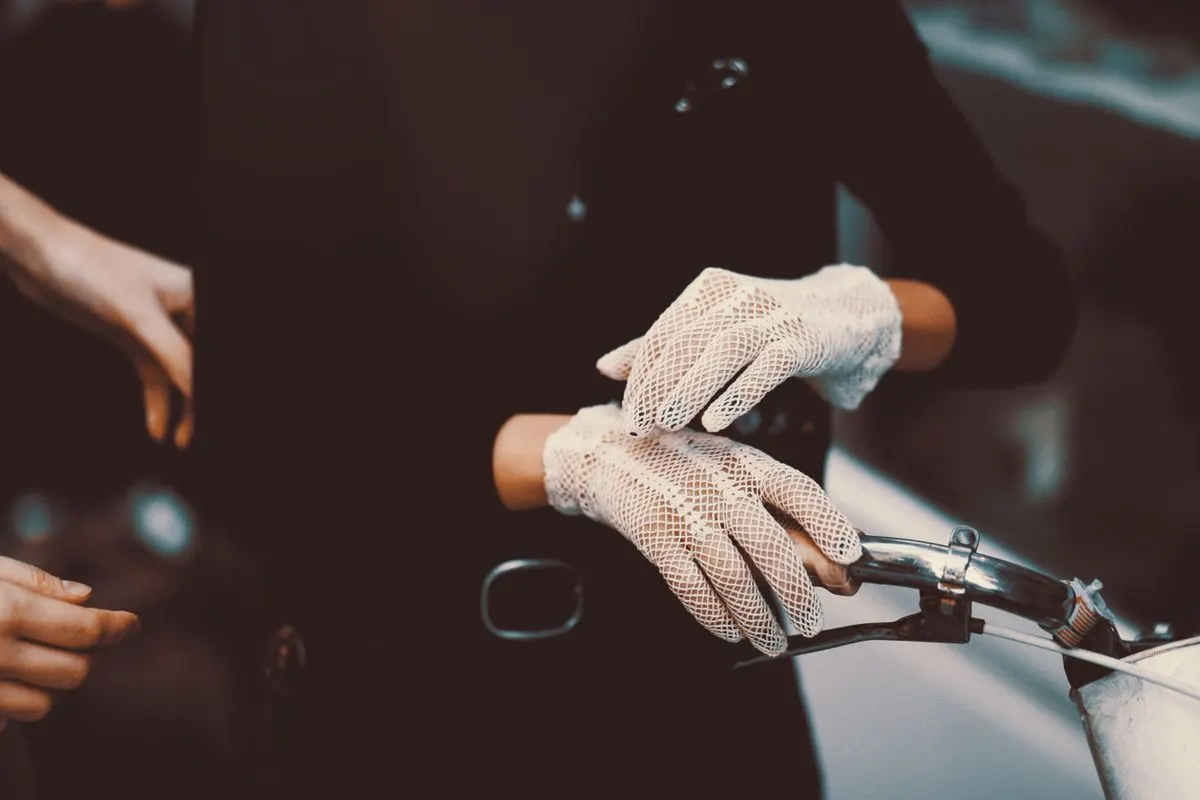
Confirm that the rider can find and use the intended brake controls, shift mechanism, assist buttons, bell, and parking function. A glove may work well for the main lever but make a small adjacent control awkward. Write down which task is affected. A general note saying too thick is less useful than identifying the exact button or lever movement that became difficult.
Do not move controls or loosen levers solely to make an unsuitable glove pass the comparison. If a vehicle adjustment is independently needed, it should follow the applicable instructions and be performed within the owner's capability or by a competent provider. Clothing selection and technical control setup are separate decisions that should not obscure each other.
Try the controls with normal sleeves and any other ordinary equipment. A cuff can press against a jacket or cover part of a lever. The rainwear comparison addresses that combination. The complete riding outfit should preserve access rather than working only when each item is tested alone.
Full-finger and partial-finger designs offer different coverage and handling routines. Consider the actual weather, stops, and tasks rather than choosing by a universal category ranking. A short summer errand and a cool wet commute create different needs. Read the product's intended conditions and features, then evaluate whether they suit the trip you actually make.
Check fingertip length in a full-finger glove while gripping. Extra material can affect small controls, while insufficient room can restrict movement. A partial-finger glove has different edges and removal features to assess. Neither design is established as suitable merely because the fingers can be inserted into it.
Keep claims about protection proportionate to the product's documentation. This guide does not certify injury prevention or compare crash performance. A glove is one part of equipment selection and does not replace careful riding, a suitable route, or the vehicle's normal operating requirements.
Padding location and thickness can change how the hand contacts the grip. More material is not automatically better for every rider or handlebar. Compare supported products in the same fitted position and describe the contact difference. Do not interpret a product's comfort claim as a clinical explanation of pain or a guarantee that symptoms will improve.
If hand symptoms persist, obtain appropriate professional advice and consider a competent fitting assessment. The trike's reach, control arrangement, posture, and other factors may need attention. A glove comparison should not become a substitute for evaluating an ongoing health concern. Keep the equipment observations factual rather than naming a medical cause.
Avoid altering pads, cutting seams, or inserting improvised material unless the maker explicitly permits it. Such changes can affect fit and care requirements. If the glove does not suit the task, select another appropriate product rather than trying to transform it into an unsupported design.
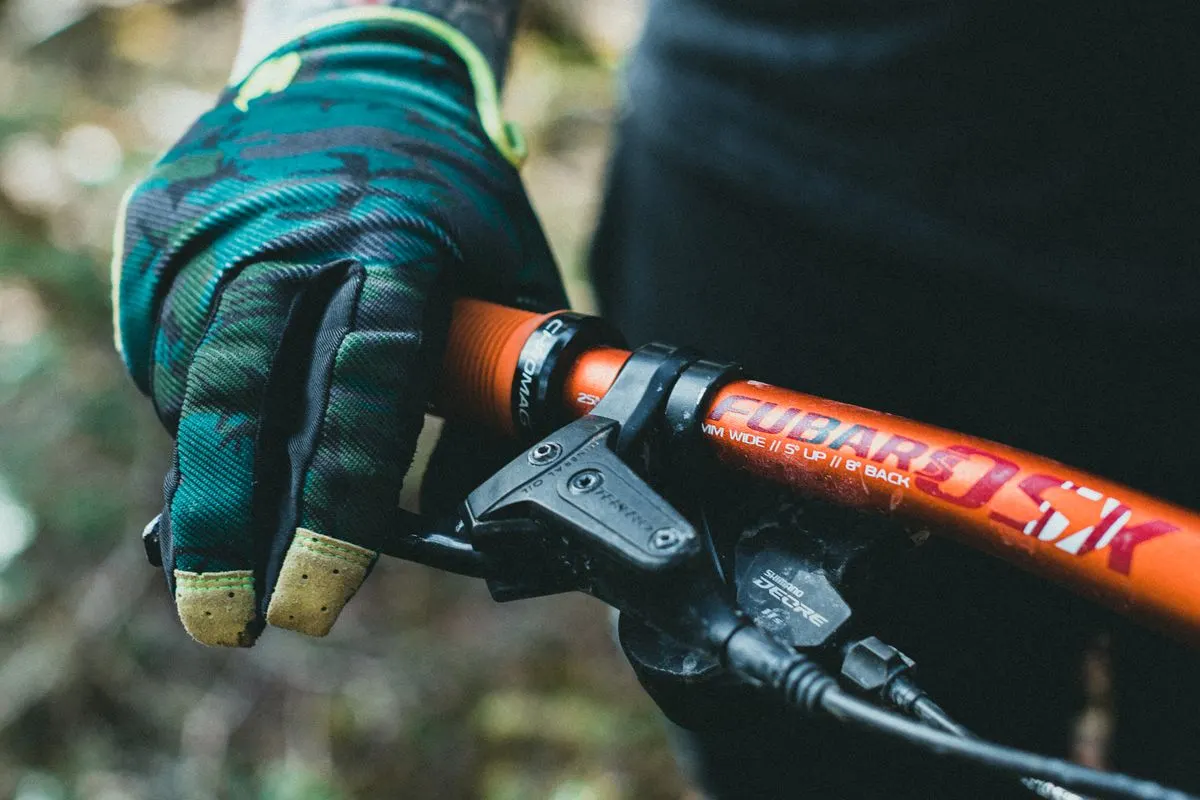
Read the maker's information about intended use in wet or dry conditions and the materials' care requirements. A brief indoor trial cannot establish wet-weather performance. Do not assume a textured palm guarantees control in every condition or that a waterproof description applies to the glove-and-jacket combination as a whole.
Plan an appropriate introduction within the vehicle's intended use and your capability. If the glove slips, restricts movement, or affects a control, stop and reassess in a suitable location. Do not continue through traffic while attempting to adjust the glove with the other hand. A clothing problem should not become an extended one-handed riding experiment.
The rain guide covers the broader route decision. Even suitable gloves do not make every wet outing appropriate. Weather, surface, visibility, braking requirements, and rider capability remain part of the plan. Keep the decision to ride separate from the fact that rain equipment has been purchased.
A glove advertised for touchscreens may work differently with a particular device, screen protector, or weather condition. Check that feature while stationary and keep claims limited to what was observed. A functional touchscreen fingertip is not permission to operate a phone while riding. Stop in a suitable place before navigation changes or messages.
The phone-mount guide addresses retention and access. Add the glove to that stationary assessment, particularly if a small latch or release must be operated. Do not compensate for an awkward release by leaving the phone loosely retained. The mounted device and glove should both be usable through their intended methods.
Keep essential communication possible if the glove has to be removed at a stop. Store it where it cannot fall into a wheel or be left behind. A simple pocket or suitable bag can make the transition easier than balancing the glove on a seat while handling the phone.
Operate every closure with the normal riding layers in place. A long loose tab or cord needs its intended containment method, and a tight cuff should not interfere with ordinary movement. Read the product instructions rather than adding an improvised extension that can catch on a control. Small convenience changes can create an unintended loose part.
Consider removal at a stop. A glove that is difficult to remove when damp may be awkward during shopping, photography, or a roadside support call. That is a legitimate ownership consideration even if it is comfortable while gripping. Compare the complete routine instead of ranking products only by how they feel during the first minute.
Do not use the glove as a tool for handling a hot brake rotor, sharp broken component, or damaged electrical equipment. Its ordinary riding purpose does not establish suitability for those tasks. The service guide helps separate owner observations from work requiring different equipment and expertise.
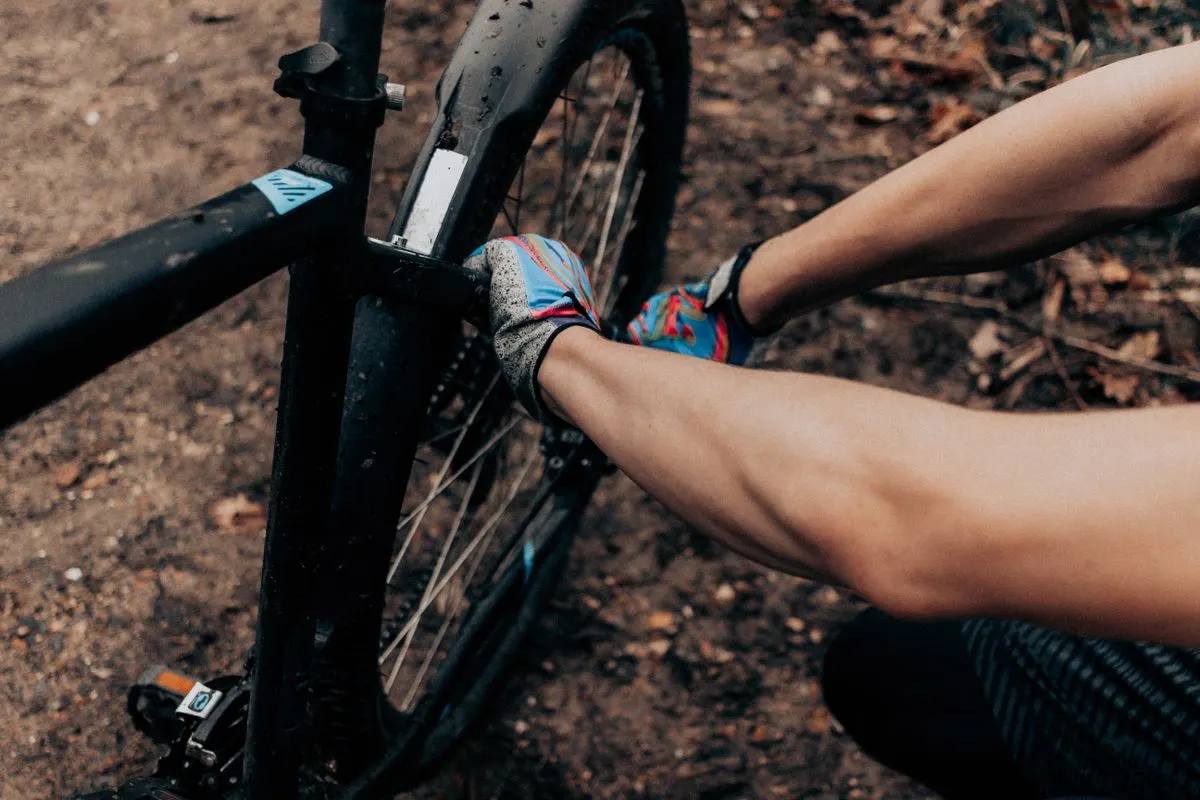
Follow the exact care label and manufacturer instructions. Materials, closures, pads, and reflective details can have different requirements. Do not assume that a glove may be machine washed, heated, or treated with a household product because another garment tolerates it. Care is part of the purchase decision when the glove will be used frequently.
Allow the intended drying and storage routine before the next ride. A glove left compressed in a damp bag can be unpleasant and harder to inspect. Keep it separate from chain lubricant, cleaning chemicals, and sharp tools. The washing-kit guide addresses the vehicle; clothing needs its own appropriate process.
Inspect for damage and changes in fit according to the maker's guidance. A torn seam, worn contact area, or failed closure can affect usability. Do not keep a damaged glove as the default backup merely because it still covers the hand. A spare should be suitable, identifiable, and ready for its intended task.
Use the same vehicle setup, riding layers, and stationary tasks for each candidate. Record size, palm fit, finger fit, control access, cuff interaction, removal, care, and unresolved questions. Distinguish a static trial from experience on an appropriate ride. A short fitting session cannot support a claim about long-distance comfort in all weather.
Check the retailer's current return conditions before trying or modifying the product. Keep labels and packaging while the comparison is unresolved. If a problem appears, describe it clearly to the supplier. Asking whether a particular cuff or finger length is expected can be more productive than ordering several sizes without recording what differed.
After selecting a glove, keep the model and size in the ownership file and revisit the fit if the grips, controls, or riding posture change. The service-record guide provides a useful place for that information. A glove that worked with an earlier setup should not be assumed ideal after a substantial vehicle change.
Create one row for each task on the actual trike: hold the intended grip, reach the brake lever, operate the gear control, select a permitted assist mode, use the bell, and engage the parking function. Record which glove and size were used, the clothing layers, and any difficulty. This is more informative than one overall rating because a glove can suit most tasks while making one important control inaccessible.
Describe the movement problem precisely. Extra fingertip material, a palm fold, a restrictive cuff, and difficulty locating a small button are different issues. A supplier may suggest a supported size or model change, while a competent fitter may identify an independent control-access problem. Do not move all the controls and change glove size simultaneously, because that makes it harder to know what actually resolved the concern.
For a recumbent with controls beside the seat, include the relationship with the seat edge and any bag. A cuff may contact a nearby surface only in the normal seated position. For an upright trike, include the ordinary hand position and full intended steering movement through an appropriate stationary procedure. A glove that works on a loose display grip has not been assessed in either complete arrangement.
Keep everyday stop tasks on a separate part of the record. Removing the glove, handling a lock, opening a bag, and operating a phone while stopped may affect convenience. Those tasks should not override usable braking and steering, but they help compare two otherwise appropriate products. A glove that is easy to ride in but consistently gets dropped during shopping may need a better storage habit rather than a different control setup.
A useful example is a rider choosing between two full-finger sizes for a cool commute. One fits the fingertips better but bunches at the palm when the normal grip is held. The other avoids that fold but restricts a cuff under the actual jacket. The next step is not automatically choosing the lesser problem. It is asking about another supported model or size arrangement while preserving the established vehicle fit.
After purchase, keep observations proportionate to the trial. A comfortable short ride does not prove that padding prevents symptoms or that the glove performs identically when wet. Follow the care instructions, inspect condition, and seek appropriate advice for persistent discomfort. The record remains useful because it separates product fit, control access, ordinary convenience, and health questions.
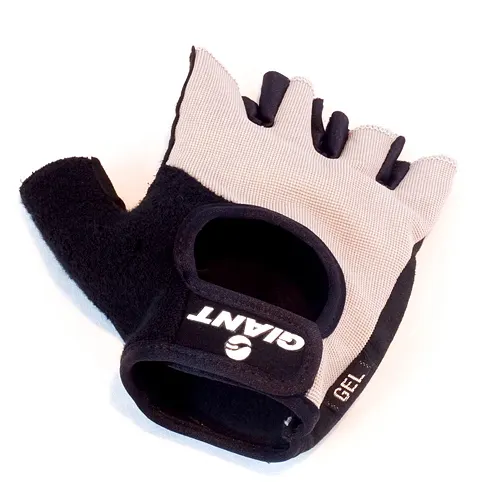
If carrying spare gloves, record their model, size, and intended conditions just as you do for the main pair. Check that they still permit normal control use with the current grips and clothing. A damaged or poorly fitting old pair is not made suitable by being labeled backup. Keep the spare clean, dry as instructed, and contained so it can be used through the same stopped routine.
Research-based fit guide, 15 October 2026. No medical assessment, crash testing, or hands-on glove comparison was performed.
Guide
Choose your first adult tricycle by checking rider fit, storage, weight limits, gears, brakes, assembly, and service before buying.

Guide
Learn how to compare adult electric tricycles for control, fit, batteries, braking, transport, and ownership support.

Guide
Understand the leg and hip muscles used when pedaling a tricycle, plus how fit, resistance, and electric assistance change the effort.