
Guide
First Adult Tricycle Buying Guide
Choose your first adult tricycle by checking rider fit, storage, weight limits, gears, brakes, assembly, and service before buying.
We research everything we recommend. When you buy through our links, we may earn a commission. Learn more
Guide
A pedal sensor label describes part of an electric trike's control system, not the whole riding experience. A cadence-based arrangement responds to.

Updated · 11 min read
A pedal sensor label describes part of an electric trike's control system, not the whole riding experience. A cadence-based arrangement responds to pedal rotation information, while a torque-based arrangement uses information related to pedaling force. The controller's programming, selected mode, motor, gearing, and vehicle configuration still influence how assistance is delivered. Two trikes with the same broad sensor description can therefore feel different.
This guide helps compare complete systems through documentation and an appropriate test session. It does not recommend changing sensors, bypassing controls, or modifying hidden settings. It also does not rank one category as universally best for older riders or a particular health condition. Choose through the actual model, supported configuration, rider fit, and demonstrated usability rather than a single feature label.
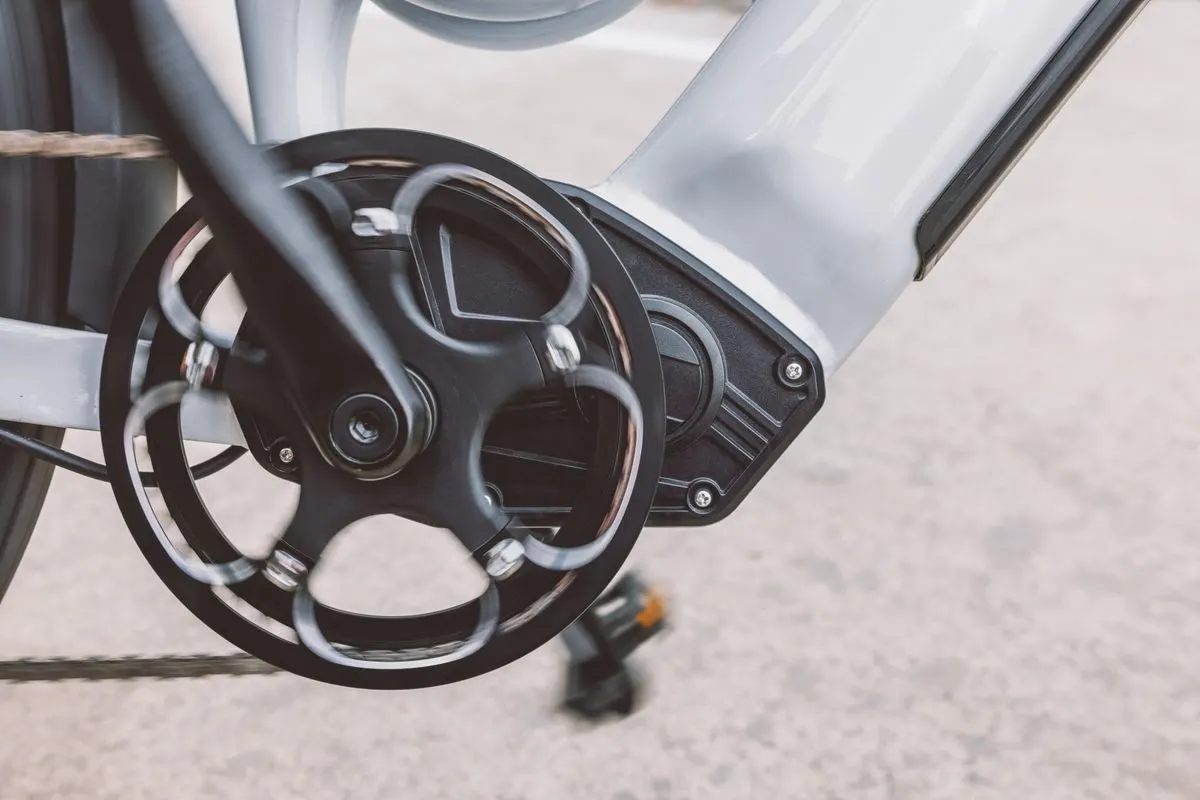
Cadence information indicates pedal movement, while torque sensing concerns the rider's applied effort. Manufacturers can combine inputs and program assistance differently. The useful question is what the exact trike does under its documented settings. A brief definition cannot establish acceleration, stopping behavior, maximum assistance, or energy consumption for every vehicle in either category.
Lectric's current comparison material discusses both sensor types and its own programming. That is a useful manufacturer example, but it should not be generalized to every brand or version. Identify the exact model and revision, then read the corresponding manual. A family name can cover vehicles with different equipment or options.
The pedal-assist guide covers the broader relationship between pedaling, assistance, and other controls. This article narrows the buying question to sensor claims and how to compare their practical result. It intentionally avoids converting a sensor label into an unsupported promise of easier or safer riding.
Record the trike model, motor arrangement, display, sensor description, and relevant factory settings. Ask whether the configuration being quoted is the one available for the test. A demonstration vehicle may have a different motor option or system revision from the product being ordered. Keep that difference visible before drawing a conclusion.
The hub versus mid-drive guide explains motor architecture, which is separate from the pedal sensor. A hub motor does not by itself identify cadence or torque sensing, and a mid-drive label does not resolve every control detail. Read the complete system description rather than using one feature as a shortcut for the others.
If a seller cannot identify the installed configuration, ask for written clarification from the maker or a competent provider. Do not infer a sensor type from the appearance of the crank or display. A used or modified vehicle deserves particular care because its original sales specification may no longer describe the current equipment.
Numbered or named assist modes are not standardized across brands. A low setting on one trike may behave differently from a low setting on another. Use the exact manual to understand the permitted operation, and ask the dealer to explain the intended starting arrangement for an appropriate introduction.
Do not change hidden parameters or speed-related settings to make a comparison feel more dramatic. The test should evaluate the supported vehicle being considered, not a modified configuration that may not be approved or delivered. If a maker offers selectable documented behavior, identify the exact option and procedure rather than assuming every model has it.
Record the setting used during each session. A note saying torque felt smoother is incomplete if one vehicle used a different mode, load, or route. The test-ride guide helps structure a fair comparison without pretending that a short ride is a laboratory test.
A rider should be able to use the trike's normal brakes, steering, gears, and power controls before evaluating sensor preference. The fit guide and brake guide address those prerequisites. A difficult reach can distort impressions of the assist system and create an unsuitable test.
Ask for a stationary explanation of each control and its function. Do not assume a lever or button works like one on a previous e-bike. Include ordinary gloves and clothing if they affect access. The glove guide explains why a small button can become a different task in the complete outfit.
If an individual limitation affects pedaling or control use, obtain appropriate advice and a suitable fitting assessment. A sensor category cannot establish clinical suitability. Avoid claims that torque or cadence sensing is automatically ideal for every senior or every rider with a named condition.
Use a dealer-supported or otherwise suitable introduction within the vehicle's intended use and the rider's capability. Begin with the maker's instructions and the permitted starting configuration. Do not make a traffic junction, steep slope, or crowded path the first place to explore an unfamiliar assist response.
Record what was observed in ordinary language: how the intended start felt, whether the rider understood the response, and whether any control action was difficult. Do not invent a measured delay or acceleration rate from a casual impression. A subjective comparison can be useful without being presented as precise test data.
If the response is unexpected or concerning, stop and ask the provider to assess the setup and explain the system. Do not repeatedly provoke the behavior to see whether it changes. A successful comparison can end with an unresolved question rather than forcing a winner from an unsuitable trial.
Ordinary riding includes slowing, parking, tight spaces, and repeated starts, not only continuous movement. Understand the maker's instructions for how assistance is controlled and ceases. The sensor label alone does not describe every safety-related function or the complete brake-control arrangement.
Evaluate only appropriate tasks in a suitable setting and follow the provider's guidance. Do not deliberately ride toward an obstacle to test stopping behavior. The goal is to establish whether the rider can use the documented controls comfortably, not to create an informal stress test.
The turning guide explains the broader trike handling context. A preferred assist response does not make every turn, camber, or route suitable. Keep vehicle control and route judgment visible alongside the sensor comparison.
Mechanical gearing changes the pedaling task and can affect impressions of assistance. Record the gear used and ask the provider how the actual drivetrain should be operated. A rider comparing two trikes in very different gears may attribute the whole difference to sensors when the systems were not being used comparably.
The gears and hills guide provides surrounding questions. A sensor choice does not authorize a route beyond the vehicle's intended use or compensate for an unsuitable load. Describe the actual trips to the seller so the complete gearing and motor arrangement can be assessed together.
Do not perform unauthorized drivetrain changes merely to make one sensor category feel like another. A supported setup may offer useful options, but compatibility and installation need their own confirmation. The buying decision should describe the configuration that will actually be delivered and serviced.
Sensor type alone does not establish a guaranteed range advantage. Load, route, mode, rider input, conditions, motor system, and battery state all contribute to the trip. A manufacturer's comparison should be read with its conditions, and a short test ride cannot measure long-term energy use reliably.
The range guide and battery-indicator guide explain planning margins. Do not choose a trike on the assumption that one sensor label guarantees the advertised maximum distance in your routine. Ask about the complete configuration and keep the return option realistic.
If tracking your own trips after purchase, record the relevant conditions rather than comparing one difficult ride with one easy ride as proof of sensor efficiency. Personal logs can improve planning, but they are not controlled product tests. Keep the claims tied to what was actually observed.
Find out who can identify and service the installed system and how replacement components are supplied. A popular sensor term does not establish that an ordinary generic part will work. Connectors, controller configuration, software, and mechanical interfaces may require exact matching through the maker's process.
This guide does not provide sensor replacement instructions or approve a conversion between categories. A product advertised as a universal upgrade should be checked against the actual vehicle and electrical system. Do not splice wiring, open housings, or bypass protections to make a component fit.
The service-record guide provides a place for confirmed model and part information. If the trike later develops an error, the display-record guide helps preserve the exact message without translating it through another brand's code table.

Ask whether the motor, display, controller, sensor, or battery has been changed and request supporting records. The original model's specification may not describe the current combination. The used-trike guide explains the broader inspection task. A seller's assurance that assistance works does not identify the installed system.
Have concerning behavior assessed before any ordinary ride. Do not accept an undocumented hidden setting as a harmless personalization. The intended configuration should be established through the manufacturer or a competent provider. A low purchase price does not make an unresolved control-system question less relevant.
Record what is known, what was observed, and what remains unconfirmed. This keeps a comparison honest. A vehicle with incomplete records can still be investigated, but it should not be treated as equivalent to a clearly identified supported configuration merely because both advertisements use the same sensor label.
Compare control access, starting, ordinary low-speed tasks, gearing, comfort, route suitability, service support, and the confirmed delivered specification. Note the setting and conditions used for every session. A category preference is useful only if the actual model also suits the rider and planned trips.
For example, a rider may prefer the response of one documented cadence-based trike during an appropriate errand-style trial, while another prefers a torque-based model with a different complete arrangement. Neither result proves a universal winner. The useful conclusion is that the selected supported configuration has been evaluated for the actual task, with its limits and unresolved questions understood.
Prepare a one-page sheet before visiting the provider. Name the actual trips, the expected ordinary load, the fitted rider position, and the control tasks that matter. Leave space for the exact vehicle configuration, assist setting, mechanical gear, and session conditions. This keeps a comparison focused on the supported models rather than a general debate about which sensor technology sounds more advanced.
Begin with documentation and a stationary explanation. Ask the provider to identify the installed system and demonstrate the intended controls. If the product page and demonstration vehicle differ, record the difference before any appropriate ride. A favorable impression of one configuration cannot establish the behavior of a different battery, motor, software option, or model revision that the seller plans to deliver.
For the moving portion, use only a setting and location suitable under the maker's instructions and the rider's capability. The provider should explain what tasks are appropriate. Do not turn the session into a maximum-acceleration trial, a stopping-distance experiment, or a test of behavior near obstacles. A practical introduction can establish whether the rider understands the response without creating precise performance claims.
Describe each observation through the task. For example, the rider may find an ordinary permitted start easy to understand on one model while needing more explanation on another. That is a useful preference, but it is not a measured response time. If a control is hard to reach or a mode is confusing, record that separately rather than attributing the entire difficulty to the sensor category.
Keep gearing visible throughout the comparison. If the provider changes a gear to demonstrate the intended operation, record it. If one trike has a different drivetrain layout, ask how that affects the task you are trying to compare. The goal is not to force identical mechanical specifications onto different vehicles, but to understand each complete system through the use it is designed to support.
A rider's first impression can also reflect familiarity. Someone coming from another electric bicycle may initially prefer a response resembling that earlier vehicle. Familiarity is a legitimate observation, but an appropriate second explanation or session may reveal whether the preference persists. Do not pressure the rider to accept an uncomfortable arrangement merely because an advertisement says one technology feels natural to everyone.
Consider a household comparing one shared trike. Both riders need a suitable fit and introduction, and each may report a different preference. The provider should identify whether the documented settings and adjustments support a practical shared arrangement. A sensor label alone does not resolve differences in reach, pedaling task, control use, or the sequence needed between riders.
Discuss the service process before treating a feature as an upgrade. Ask which components are replaceable through the supported system, who can diagnose faults, and how the exact configuration is recorded. A cheaper generic sensor listing is not an equivalent ownership plan. A complete supported vehicle includes the ability to identify and service its controls, not merely an attractive description of the input it measures.
Keep range questions separate from the short session. A display may show an estimate, but the test does not establish a guaranteed trip distance or battery-health result. Ask for the conditions behind any manufacturer claim and plan ordinary routes with appropriate margins. Do not decide that a preferred response authorizes using a smaller battery or a more demanding return route without a complete assessment.
After the session, write a decision note with three parts: demonstrated usability, confirmed delivered specification, and unresolved questions. A candidate can remain promising while a configuration detail awaits support confirmation. Do not convert that uncertainty into a positive assumption to finish the purchase. The final order should name the actual supported arrangement that was evaluated or clearly explain any difference.
Once the trike is delivered, follow its setup and introduction instructions rather than assuming the demonstration covered every condition. Keep the configuration in the ownership file and report unexpected behavior through the maker's process. The useful long-term outcome is an understood assist system matched to the rider's task, with no claim that one sensor category guarantees the same experience across every adult tricycle.
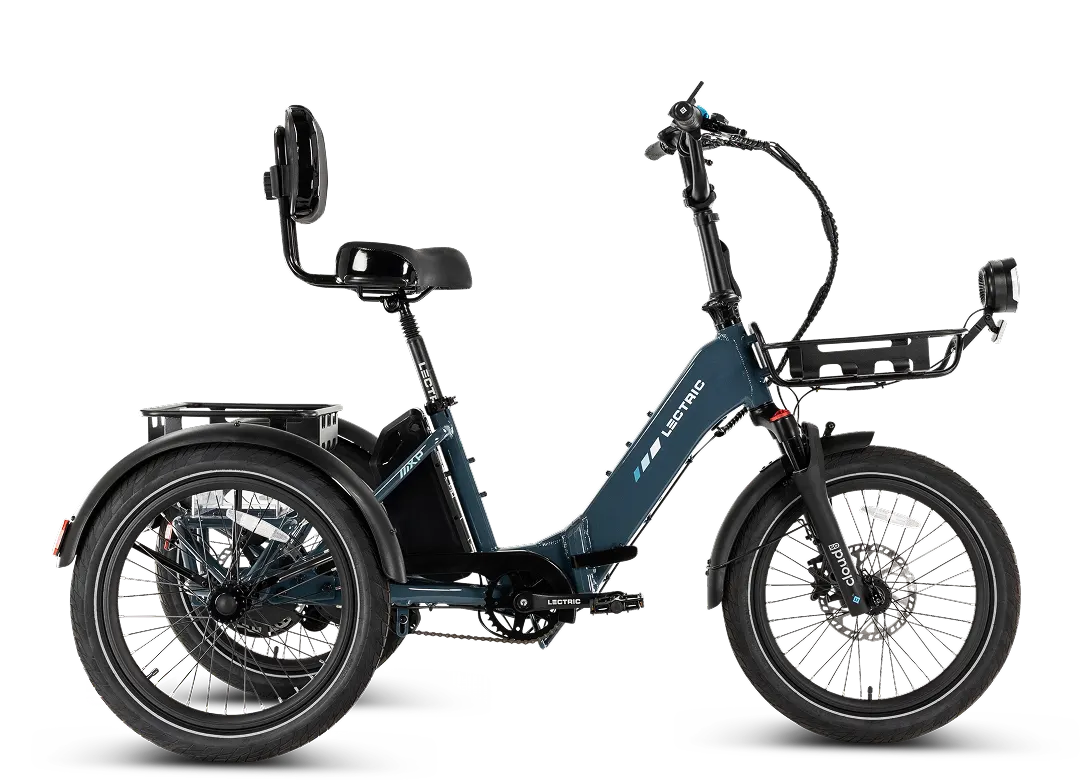
Compare the written order with the evaluated model and supported options before delivery. A different motor or control configuration should be explained explicitly rather than treated as a minor substitution under the same broad sensor label. Keep that clarification with the vehicle record.
Research-based comparison guide, 15 October 2026. No sensor response, range, or hands-on performance testing was performed.
Guide
Choose your first adult tricycle by checking rider fit, storage, weight limits, gears, brakes, assembly, and service before buying.

Guide
Learn how to compare adult electric tricycles for control, fit, batteries, braking, transport, and ownership support.

Guide
Understand the leg and hip muscles used when pedaling a tricycle, plus how fit, resistance, and electric assistance change the effort.