
Guide
First Adult Tricycle Buying Guide
Choose your first adult tricycle by checking rider fit, storage, weight limits, gears, brakes, assembly, and service before buying.
We research everything we recommend. When you buy through our links, we may earn a commission. Learn more
Guide
A battery display helps describe the electric system's reported state, but it does not guarantee how far an adult tricycle will travel. Bars,.

Updated · 11 min read
A battery display helps describe the electric system's reported state, but it does not guarantee how far an adult tricycle will travel. Bars, percentages, and estimated distance are different ways of presenting information. Their behavior depends on the particular system and its instructions. A full display is also not a certificate that a used battery has retained its original capacity or that an unfamiliar route can be completed.
This guide explains how to use the indicator as one input to trip planning and how to record a concern for support. It does not provide a universal voltage table, a battery-health test, or instructions for changing hidden display settings. Use the exact vehicle and electrical-system documentation. If the battery or vehicle is damaged, behaves unexpectedly, or has a concerning condition, stop use and follow the manufacturer's safety process.
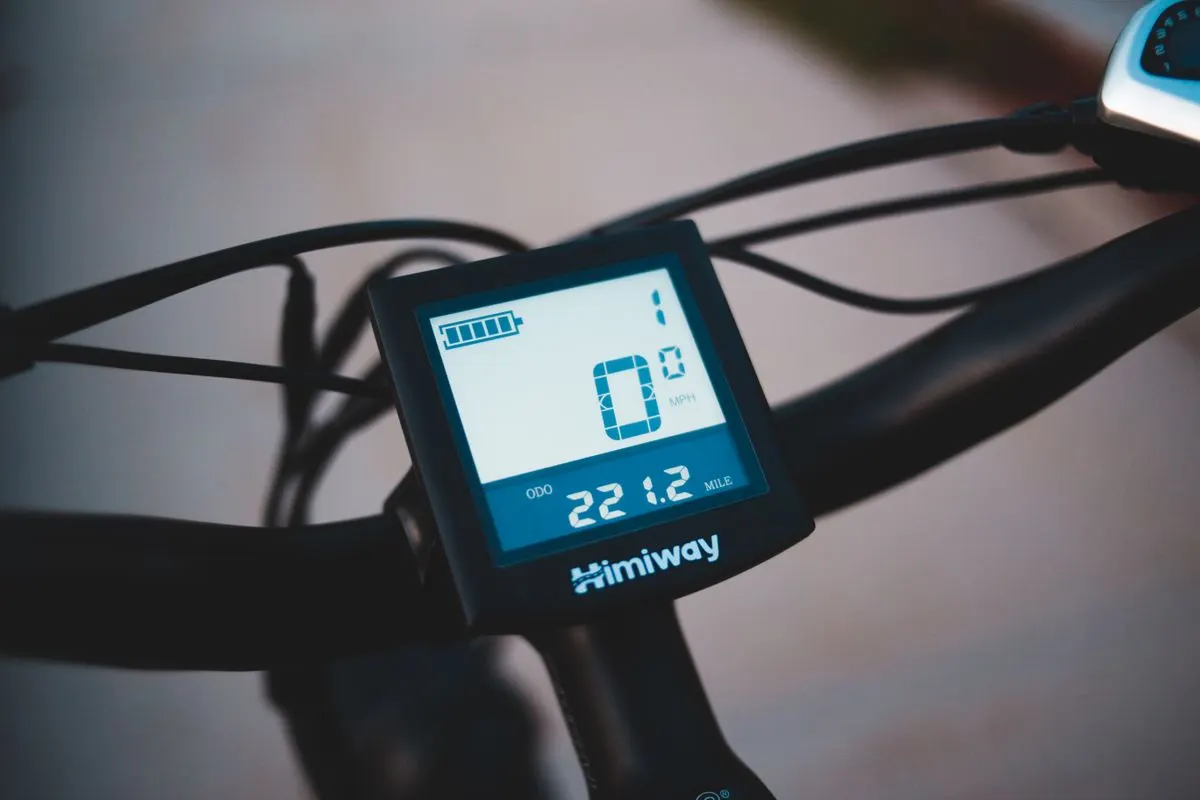
Read the manual for the installed display and vehicle revision. Establish whether the screen shows bars, a percentage, an estimated distance, voltage, or another value. Do not assume every battery icon represents the same calculation. A replacement display may also differ from the original equipment described on the trike's sales page.
Record the display model and any known system changes. The ownership-file guide provides a place for that information. If the maker's explanation is unclear, ask support what the indicator means on the actual configuration rather than applying an online chart for a visually similar screen.
Keep a distinction between a battery-mounted indicator and a handlebar display. They may serve different purposes or need different operating conditions for interpretation. Follow the specific instructions for each. A disagreement between two observations is a useful support question, not permission to decide which reading is correct through repeated experimental charging.
A reported state and a promised distance are not the same thing. Range depends on the actual trip, including load, route, assistance, rider input, conditions, and the installed system. Even a documented estimate should be read with its limitations. The range-planning guide covers the broader route process.
Avoid translating each bar into a fixed number of miles. That simple arithmetic may be attractive, but it is not a universal property of e-trike displays. Unless the maker documents a particular interpretation, treat the indicator through its stated meaning rather than inventing a linear distance scale.
The return journey may also differ from the outward one. Wind, gradient, stops, and load can change. A successful first half does not establish an equal remaining distance. Plan a practical margin and an early-ending option instead of relying on a halfway display to justify the rest of a demanding loop.
Some systems provide a remaining-distance estimate, while others do not. Learn the exact maker's explanation of how the value is intended to be used. This guide does not infer the algorithm from the screen. An estimate that changes after a mode change or different riding conditions should be interpreted through the actual documentation.
Do not compare the number on one brand's display with another as if both were measured through the same method. Different systems and configurations may present information differently. A useful product comparison records the method and conditions rather than ranking trikes by whichever screen shows the larger distance during a short demonstration.
If a seller makes a specific range promise, ask for the conditions and whether it describes the delivered configuration. Battery option, load, route, and assist settings can matter. A general maximum-range advertisement is not a guarantee for every rider. Keep buying claims separate from the ordinary planning use of the display.
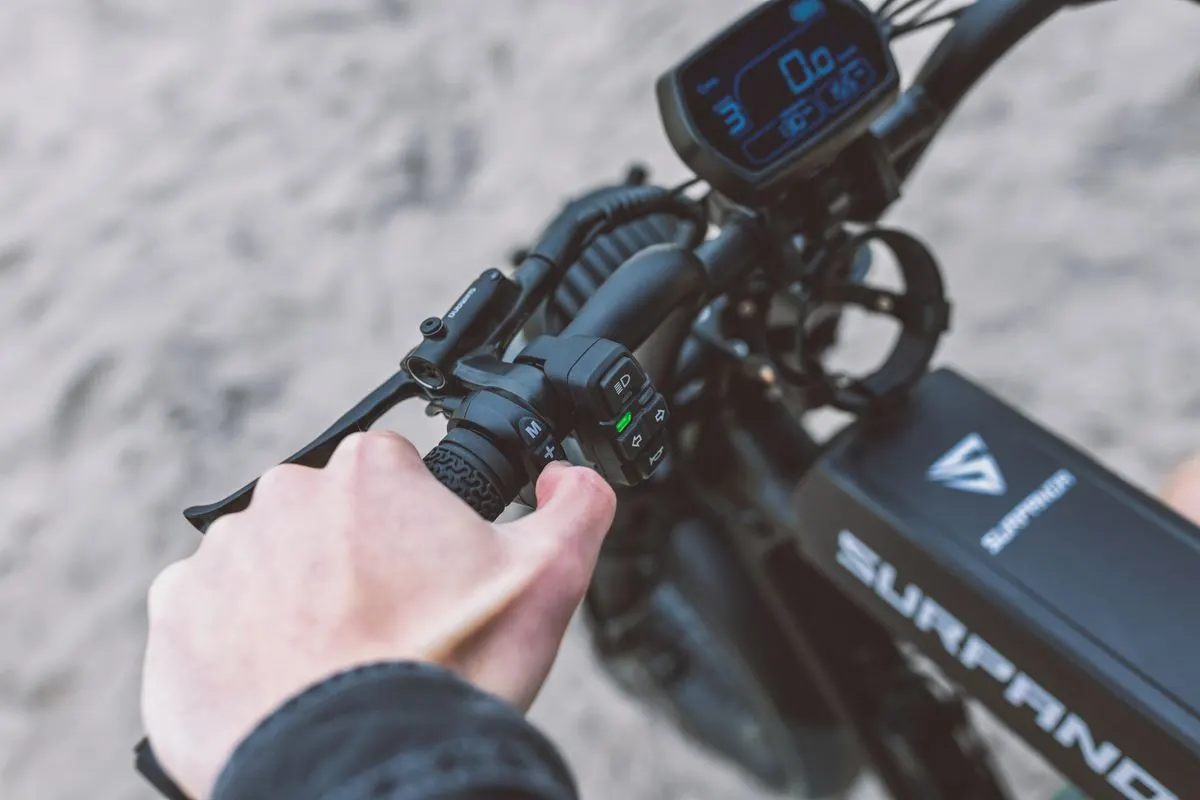
If the indication changes unexpectedly, record the exact screen, circumstances, and associated behavior. Describe whether assistance changed, the display switched off, or a message appeared. The error-record guide explains how to preserve those details. Do not turn one unusual reading into a named battery failure without assessment.
Take a photograph only after stopping in a suitable location. Do not watch the screen continuously or film it while riding to catch a change. Rider control and traffic awareness come first. A factual note made after the trip can be useful even when it does not capture every second of the event.
Do not deliberately drain the battery or reproduce a concerning fault to make the log more complete. The manufacturer may have specific diagnostic instructions or require a service provider. An owner record should support that process, not replace it with an improvised stress test.
For ordinary completed trips, record route, approximate distance, load, assist setting, relevant weather, starting indication, ending indication, and any unusual behavior. Keep the observations proportionate to what you actually know. Do not invent precise wind or temperature measurements when only a general impression was available.
Compare like situations cautiously. A heavier grocery return and a light leisure ride are not controlled tests. Over time, a log can help identify a practical routine or a change worth discussing with support. It cannot establish laboratory battery capacity or isolate one cause from several changing conditions.
The commuting guide provides a useful recurring trip structure. A familiar route can make observations easier to interpret, but conditions and equipment can still change. Keep the log as planning evidence rather than a guarantee that the next journey will match the last one.
Record the complete trip load within the vehicle's limits, including bags and accessories. A basket full of groceries changes more than the apparent remaining cargo space. The payload guide explains the relevant categories. A battery display does not authorize exceeding any vehicle or support rating.
Review terrain using the actual route rather than straight-line distance. The gradient guide helps distinguish a simple distance from the climbing and descending task. A short hilly journey can be a different planning problem from a longer level one, and the indicator alone does not settle suitability.
Avoid choosing an unsuitable shortcut to preserve an estimated range. Surface, traffic, clearance, rider capability, and the trike's intended use remain separate requirements. A route should not become acceptable merely because an application predicts it is shorter. If the return is uncertain, stop at a suitable point and use the prepared alternative.
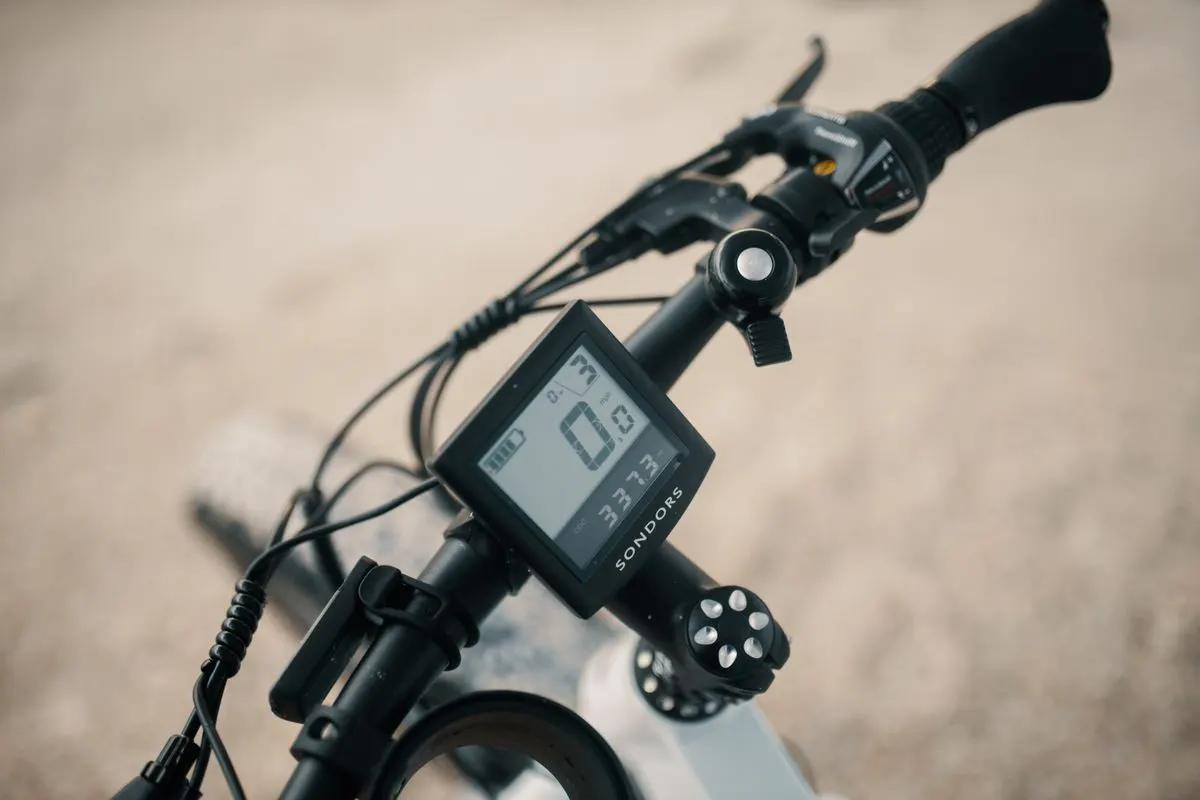
Use the documented controls and permitted settings for the actual system. Numbered modes are not standardized across brands. The sensor comparison explains why controller programming and the complete vehicle matter alongside the sensor label. A familiar number from another trike does not establish an equivalent operating condition.
Do not change hidden parameters to make an indicator appear fuller or an estimate larger. That can alter operation and obscure the original concern. If the maker authorizes a specific setting check, follow that instruction and record the result. A general forum suggestion should not become an undocumented system modification.
If a household shares the vehicle, communicate the intended starting setting and any reported concern. The shared-rider guide helps keep the handover explicit. The next rider should not assume that a previous person's display photograph describes the current battery state or configuration.
Follow the exact battery and charger instructions. Record the charger identity and any unusual indicator behavior if support needs it. The charger-compatibility guide explains why a plug that fits is not enough. Do not use an unidentified charger to see whether the display can be made to show a different result.
A completed charge indication does not by itself establish original capacity or overall battery health. Avoid describing a used battery as new-like solely because it reaches the expected screen display. The resale guide explains how to report observations without making unsupported guarantees.
If charging behavior is concerning, stop and use the manufacturer's support and safety instructions. Do not extend charging indefinitely, repeatedly restart it, or open the battery as an owner experiment. This guide supplies no internal electrical procedure or universal charge-voltage target.
Prepare the vehicle and battery identity, approximate use history where known, charging method, trip observations, and exact symptom. A support provider can then identify the applicable checks or service route. Saying the battery seems worse is a starting observation, but a concise record makes the inquiry more useful.
Keep environmental and route changes in the description. A different tire setup, load, storage history, or riding pattern may be relevant, but none should be declared the cause without assessment. The replacement-battery guide is a separate buying task if replacement is eventually confirmed.
Ask what any proposed test actually establishes. A display check, diagnostic report, and capacity assessment may have different scope. Do not describe one as another on the ownership record. A transparent limitation is more useful than a confident health percentage unsupported by a stated method.
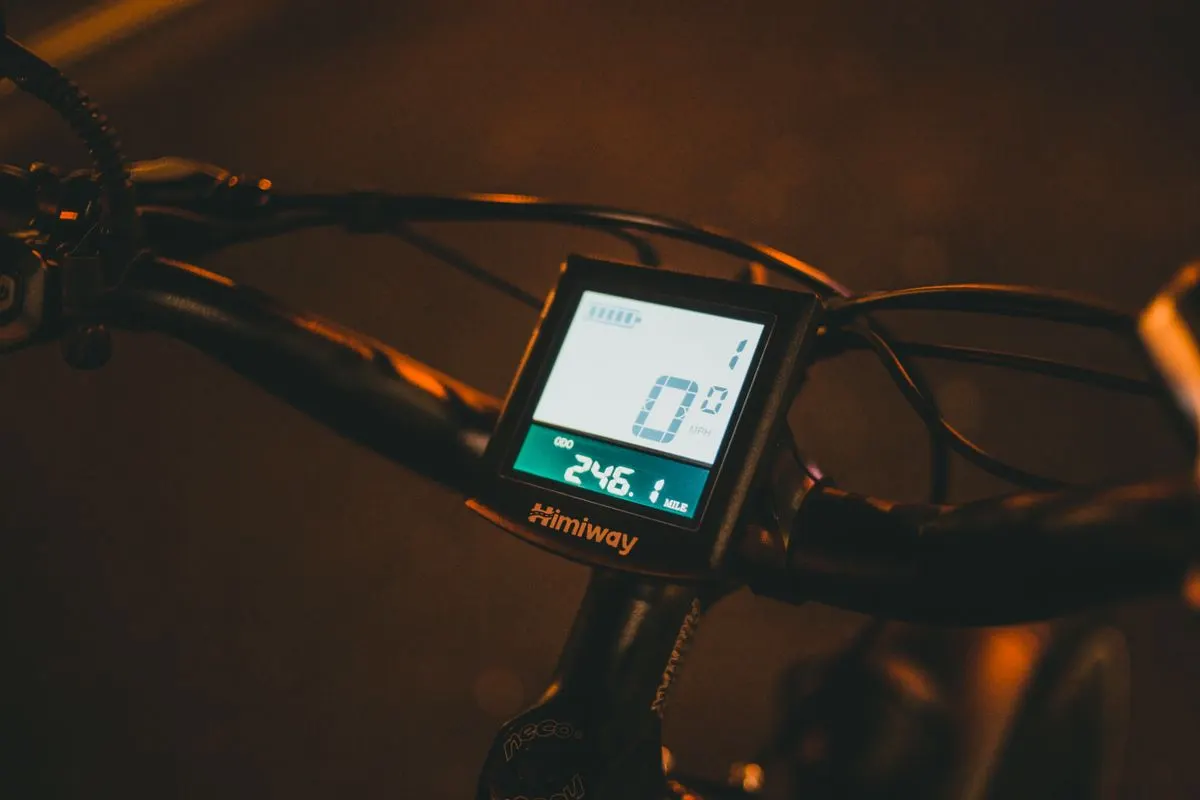
A trip plan should remain usable if assistance or the display becomes unavailable. Do not assume the rider can pedal or push the loaded trike the remaining distance. The recovery guide explains pickup dimensions, access, and condition information. A wide or heavy trike may require a different vehicle from an ordinary bicycle.
Keep phone power and contact information available without relying entirely on the trike's electrical system. The accessory-power guide addresses that dependency. A reserve device still needs to be compatible, charged, and accessible rather than merely owned.
If the fault affects control or electrical safety, follow the maker's instructions and stop using the vehicle. A remaining-range number does not override a concerning condition. Recovery decisions should follow the actual vehicle state, not the desire to use the last indicated portion of a battery.
When evaluating an e-trike, ask which battery option, display, software or system version, and assist arrangement are included. Record the conditions behind any advertised range. A short dealer trial can help assess usability but cannot establish the distance every future trip will achieve. Keep those forms of evidence separate.
Do not treat a more detailed display as automatically more accurate or more useful. A percentage can look precise while still requiring system-specific interpretation. The useful question is whether the maker explains the information clearly and whether the owner can use it alongside a practical route plan.
For a used vehicle, request service and replacement records and obtain appropriate assessment. A photograph showing full bars is not a substitute. The used-trike guide provides the wider condition questions. Accurate uncertainty is better than accepting a simple screen image as proof of future range.
Imagine an owner whose familiar outward trip leaves a reassuring indication, but the return carries groceries and faces different conditions. Instead of assigning a fixed distance to each remaining bar, the owner uses the actual system instructions, route experience, and a practical margin. An accessible early return and pickup plan remain available if the trip changes.
After an unexpected reading, the owner records the exact display and circumstances for support rather than changing hidden settings. The log becomes more useful because it separates ordinary planning, unusual observations, and confirmed service findings. That is the indicator's appropriate role: one system-specific input to a complete ownership and trip routine.

A recurring-route note can record the trike configuration, usual cargo, documented assist setting, ordinary route, and accessible early-ending points. Add starting and ending indications only as observations. This makes the note useful for planning while avoiding a false claim that the owner has measured battery capacity. The same display reading can appear in trips that differ in several important conditions.
Keep changes visible. A different tire, cargo bag, rider, route, or assistance preference can make a previous trip a weaker comparison. Do not erase those details to create a neat trend. If the owner notices a persistent change worth discussing with support, the varied observations can still be useful as long as their limits are clear. A log is evidence of what happened, not proof of the cause.
For example, an owner may record a lower ending indication after a grocery return than after a light outward ride. That does not by itself establish a battery fault or a particular efficiency loss. The load and journey differ. The practical response is to retain the context, preserve the trip margin, and ask support if the change is unusual under the actual system instructions.
Another example is a display that changes after the trike has been stopped. The owner should use the exact manual's interpretation rather than assigning a universal voltage explanation. If the behavior is unclear, a stationary photograph, elapsed sequence, and vehicle identity form a useful inquiry. Do not repeatedly load, drain, or recharge the system to reproduce a graph that the maker never requested.
A support request can state what was expected, what was observed, and what associated functions changed. Include whether an error message appeared and whether any authorized action has already been taken. Leave uncertain details uncertain. A clear record saying the code was not captured is more useful than adding digits from a forum post because they seem to match the story.
If a provider proposes an assessment, ask what it covers and retain the result accurately. A software check, a charging observation, and a capacity-related test can answer different questions. The ownership record should not rename one as another. If no health or capacity conclusion was established, do not later use the appointment as evidence for an as-new battery claim in a resale listing.
For trip planning, keep a decision point that does not depend on extracting the last indicated energy. Identify where the route can be shortened and where suitable pickup is available. A remaining-distance estimate is one input, while the actual surface, weather, rider condition, and vehicle behavior remain separate. The owner should be able to end the trip without treating an optimistic display as an obligation to continue.
Review the note after a battery or display change. The previous system's behavior may no longer describe the installed equipment. Keep the old records as history and begin a clearly labeled current set. That habit prevents a familiar-looking screen from being interpreted through assumptions that belonged to another configuration.
When records cover more than one battery or display, label each observation by its actual configuration. A familiar route name alone cannot identify which system produced the reading. This small distinction makes later support and planning questions easier to answer accurately.
Research-based interpretation guide, 15 October 2026. No battery capacity, health, voltage, or range testing was performed.
Guide
Choose your first adult tricycle by checking rider fit, storage, weight limits, gears, brakes, assembly, and service before buying.

Guide
Learn how to compare adult electric tricycles for control, fit, batteries, braking, transport, and ownership support.

Guide
Understand the leg and hip muscles used when pedaling a tricycle, plus how fit, resistance, and electric assistance change the effort.