
Guide
First Adult Tricycle Buying Guide
Choose your first adult tricycle by checking rider fit, storage, weight limits, gears, brakes, assembly, and service before buying.
We research everything we recommend. When you buy through our links, we may earn a commission. Learn more
Guide
A replacement charger should be identified through the exact battery and vehicle system, not selected because its plug fits. Electric trikes can use.

Updated · 11 min read
A replacement charger should be identified through the exact battery and vehicle system, not selected because its plug fits. Electric trikes can use different batteries and charger requirements across models and revisions. A previous owner may also have changed the battery. The useful purchase record therefore begins with the equipment actually installed and a confirmed approved replacement reference.
This guide explains how to prepare that record and evaluate a proposed replacement. It does not provide a universal electrical matching formula, adapter wiring, internal testing, or a method for repairing a charger. CPSC warns against unsuitable universal chargers for micromobility products. Follow the vehicle and battery makers' current instructions and obtain model-specific confirmation before connecting an unfamiliar replacement.
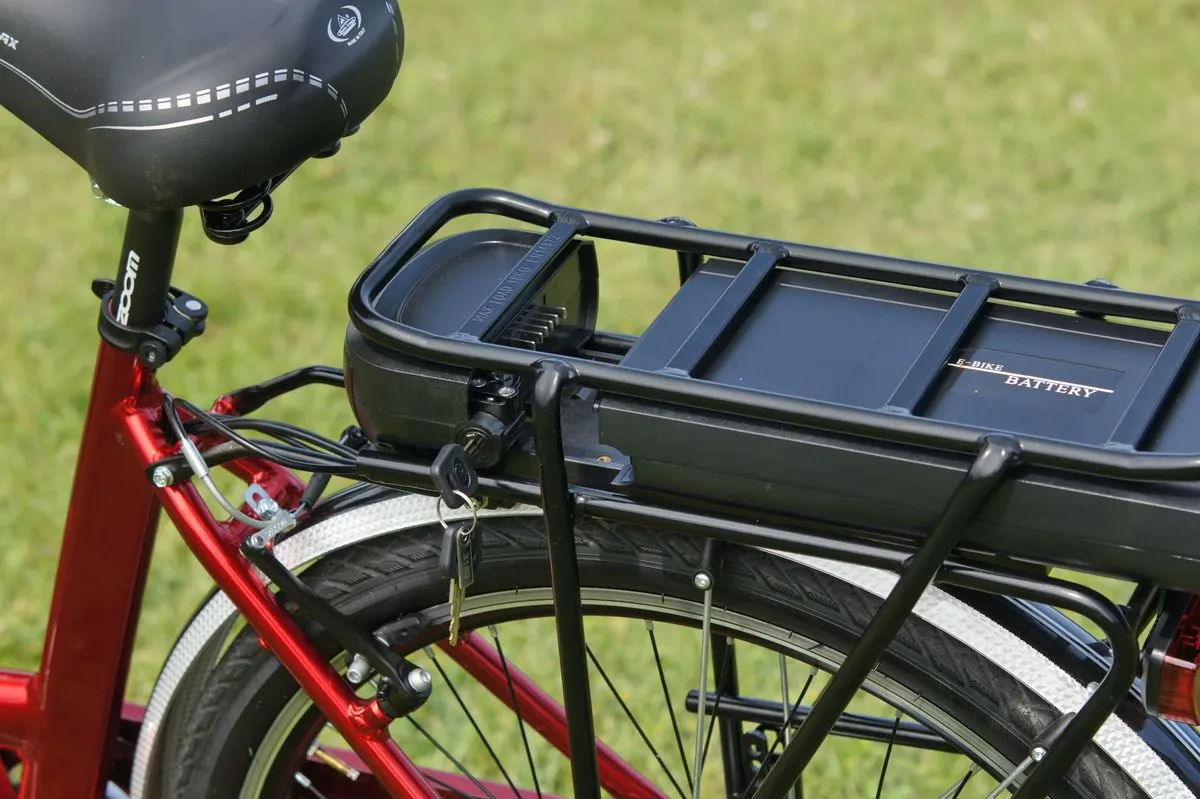
Record the battery brand, model, part number, and relevant vehicle information from labels and documents that can be accessed safely without disassembly. Include a clear photograph where useful. Do not open a battery housing to find an internal marking. If identity remains unclear, ask the manufacturer or a competent provider to establish the installed equipment.
Keep original and replacement history separate. A trike's factory charger reference may no longer answer the question if the battery was changed. The replacement-battery guide explains why the full system matters. A seller's statement that a battery is equivalent should not silently become confirmation of every associated charger.
Use the ownership-file guide to retain the current battery identity and supporting response. Mark uncertain fields as unconfirmed rather than filling them from a visually similar product. An accurate incomplete record is safer and more useful than a complete-looking guess.
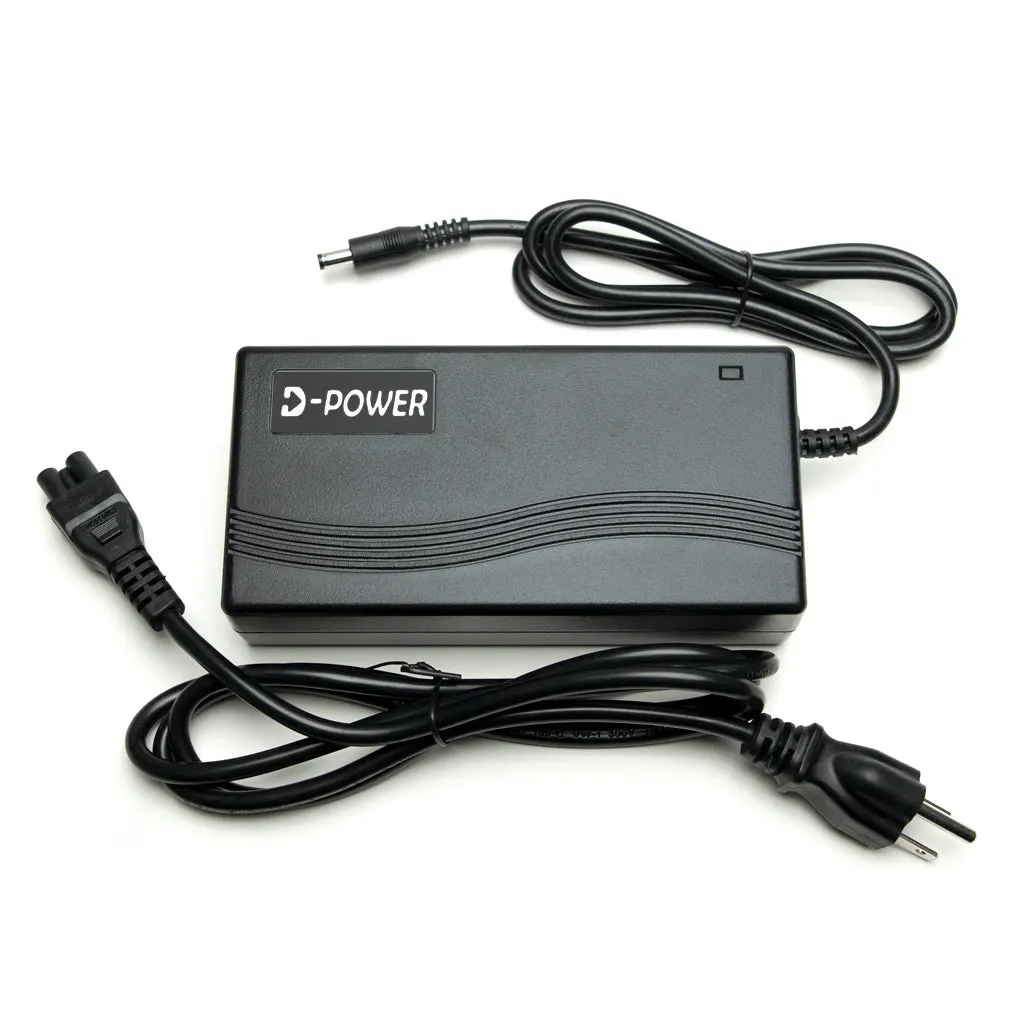
If the original charger is available, photograph its model label, connectors, and relevant markings without exposing unnecessary personal details. Keep the original instructions and purchase record. These are useful identification evidence, but a damaged or suspicious charger should not be powered repeatedly just to observe its lights.
Do not assume a similar case means an identical charger. Manufacturers and suppliers can use similar housings for different electrical requirements. The connector is also only one part of the identification. A product image may show the right general shape while the delivered version differs.
If the original unit was lost, say so plainly when contacting support. The maker can use the actual battery and vehicle identity to specify a replacement. Do not compensate for missing information by selecting the most common-looking item in a marketplace search.
Contact the relevant maker or authorized support channel and provide the exact battery and vehicle information. Ask which charger model or part number is approved and whether any revision or regional version matters. Keep the response with the date and the identity sheet. A specific reference is a stronger shopping anchor than a broad phrase such as charger for electric bicycles.
If a retailer proposes an alternative, ask for written compatibility confirmation against the exact battery and system. Do not accept universal, fits most, or same voltage as complete answers. CPSC's warning explains why a micromobility battery's charging needs should not be reduced to a generic marketing category.
This guide does not identify one universal list of electrical values sufficient for owner substitution. Voltage, current, connector, polarity, charging behavior, communication, and other system requirements may matter, but the owner should not reconstruct approval from isolated similarities. The applicable manufacturer's confirmed match is the decision point.
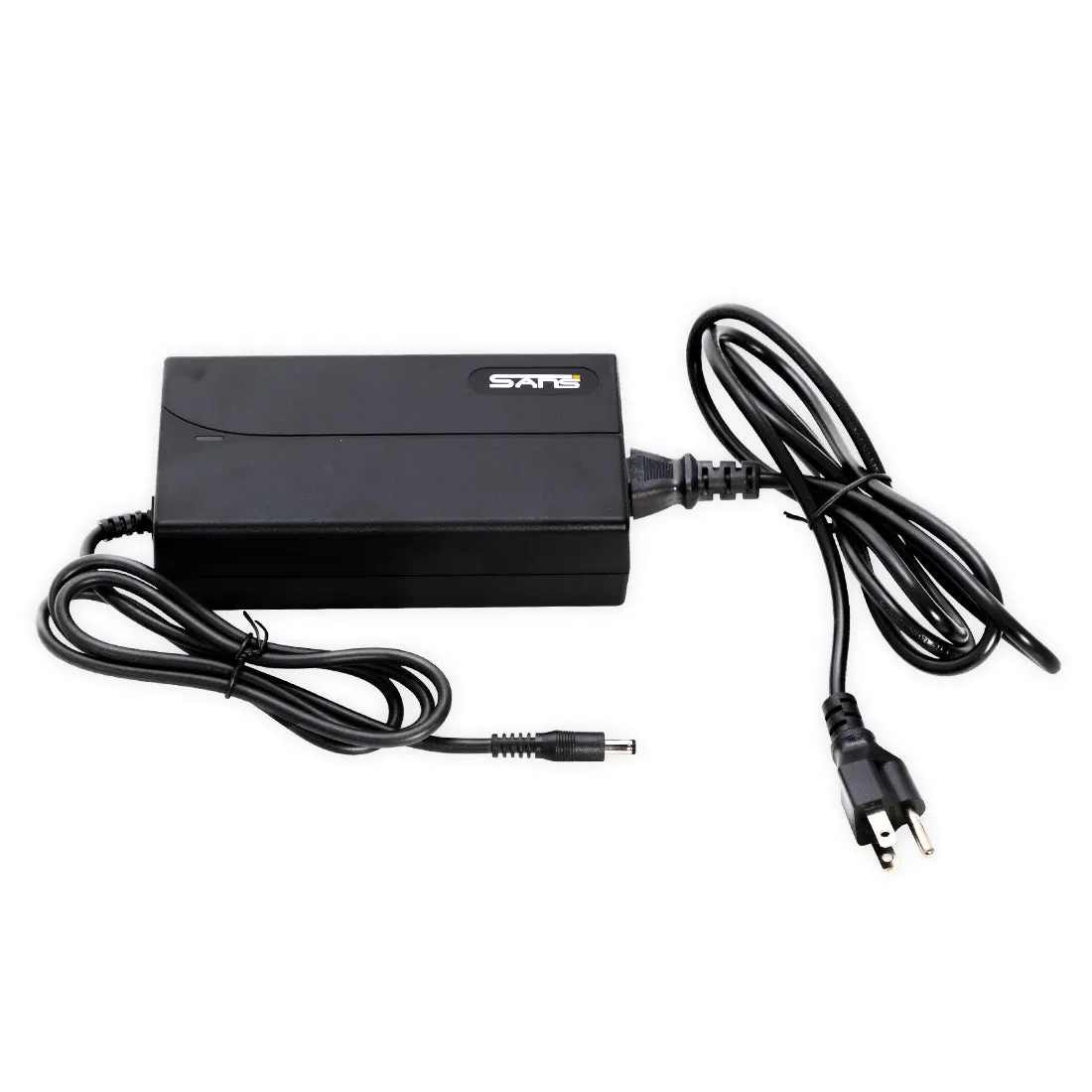
A charger also needs to be suitable for the intended mains supply and region through its documented configuration. Read the actual unit's instructions and approved input information. Do not assume that a plug adapter establishes electrical suitability or that a replacement cord changes the charger's supported input.
If travel is involved, ask the maker about the exact charger and destination supply before departure. The air-travel guide addresses separate airline and battery questions. A charger that can operate at a destination does not establish that the traction battery or trike is accepted on the flight.
Avoid improvised adapters, spliced leads, or modifications to make an uncertain unit connect. This article provides no such procedure. If the approved regional replacement is unavailable, discuss supported alternatives with the maker rather than treating physical connection as the final compatibility test.
Read the retailer's description, package contents, model, and version before ordering. Keep the order confirmation and compare the delivered label with the agreed reference before connecting anything. A photograph on the listing is not proof that the same variant arrived. Resolve substitutions or missing information with the supplier first.
Check whether the mains lead or other required components are included and whether they are the approved parts for that unit. Do not assemble a complete charging setup from unidentified spare cords simply because the connectors appear compatible. Each component should fit the documented arrangement.
If the packaging or label is damaged, unclear, or inconsistent, stop and ask the maker or supplier. A low price is not a reason to ignore an identification problem. The online buying guide provides a wider framework for comparing complete supported purchases rather than isolated item prices.
Follow the maker's pre-use inspection guidance for the charger, cable, plug, and battery connection. Look for the conditions the instructions identify as requiring stop-use or service. Do not open the charger, probe internal circuits, bridge contacts, or replace a fuse through a guessed method. Those are not ordinary shopping checks.
If the battery or charger has been dropped, exposed to concerning conditions, or shows damage, report the event accurately. The absence of an obvious broken case does not prove the internal condition. Obtain the appropriate assessment rather than conducting repeated charging trials to see whether the indicator behaves normally.
Keep observations factual. A warm case, unusual smell, failed indication, or damaged lead should be described to support through its applicable process. This article does not define a universal acceptable temperature or diagnostic meaning for every light color. Exact instructions and condition determine the next step.
Read the complete instructions for the approved charger and battery before use. Connection order, permitted conditions, indication, disconnection, and storage can be model-specific. Do not combine fragments from several brands into one household sequence. The battery charging guide covers the broader routine.
CPSC advises appropriate supplied or approved equipment and attention during charging. Follow the exact product and location requirements as well. A matched charger is necessary but does not make every room, weather condition, or unattended routine suitable. Keep the operating setup within all applicable instructions.
Do not interpret a charger indicator through another product's color convention. A red, green, flashing, or unlit state can have different meanings. Use the actual manual and contact support when the observed behavior is unclear. A light changing color is not by itself a complete battery-health assessment.
Use a location that meets the battery, charger, property, and relevant safety requirements. Do not block exits or route cables through an unsuitable shared area. The apartment-access guide explains why a convenient parking space is not automatically a suitable charging location.
Avoid covering equipment or placing it in a closed bag unless the instructions specifically describe that arrangement. A tidy-looking setup can still conflict with ventilation or monitoring requirements. Keep the charger and connections accessible for the intended operation and inspection.
If the usual location becomes unavailable, do not improvise a new charging arrangement solely because the battery is low. Ask the relevant providers about the actual alternative. A delayed trip is preferable to treating an unconfirmed extension, adapter, or storage corner as approved equipment use.
If several cycles or powered devices are present, keep each approved charger clearly associated with its battery. A simple model label and designated storage place can reduce confusion. Do not rely only on case color or connector appearance, especially where several products use similar housings.
The shared-rider guide addresses handover responsibilities. Add charger identity and reported condition to that routine. The next person should not discover an unresolved charging concern after connecting the battery. Keep the status explicit rather than leaving a questionable unit beside the normal charging space.
Store obsolete or incompatible chargers separately and label their status. Do not leave them in the active equipment drawer as anonymous spares. If retirement or disposal is required, follow manufacturer and applicable local guidance. A previously useful charger can become unsuitable after a battery-system change.

For a secondhand unit, establish exact identity, compatibility, condition, and relevant history through appropriate sources. A seller's claim that it worked yesterday does not establish the approved match or current condition. The used-trike guide covers the broader vehicle inquiry, while the charger needs its own confirmation.
Do not infer safety from a clean case or a familiar logo alone. If authenticity, labeling, or condition is uncertain, ask the maker or obtain a suitable supported replacement. This article does not provide a counterfeit-detection guarantee or a checklist that certifies any marketplace item.
Keep the purchase decision separate from diagnosing the battery. Buying a different charger to see whether a range complaint disappears is not a sound compatibility process. The battery-indicator guide explains why display behavior and battery health require context and appropriate assessment.
Include vehicle model, battery identity, original charger information if available, reason for replacement, and any observed concern. Attach readable label photographs through the provider's requested private channel. Ask for the exact approved replacement and the applicable instructions. Avoid sending a collection of guessed alternatives as if one must be accepted.
If the maker needs a local provider to inspect the system, use the service guide to prepare the appointment. Tell the provider whether the equipment has been modified and what has already been attempted. Accurate history is more useful than presenting the charger as the confirmed cause of a fault that has not been diagnosed.
Keep the case reference and final recommendation with the ownership file. If a battery or controller changes later, revisit the charger match rather than assuming the earlier approval applies forever. A documented replacement process remains useful only when it follows the current installed system.
Imagine an owner who loses the original charger and finds several listings with the same plug shape. Instead of ordering the cheapest one, the owner sends the battery and vehicle labels to the maker. The response identifies the approved current part and applicable regional version. The delivered label is then compared with that reference before the documented charging routine is used.
If the battery identity cannot be established, the process stops at identification rather than moving to an experimental connection. That outcome may take longer than a marketplace purchase, but it resolves the actual task. A charger is selected through a confirmed system match, with its condition and instructions understood, rather than through the fact that electricity can be made to flow through a connector.

The record can contain vehicle identity, current battery identity, original charger reference if known, approved replacement reference, regional version, source of confirmation, and the applicable instructions. Add the delivered unit's label after purchase. This is more useful than saving only a marketplace link, because listings can change and a future owner needs to know which actual unit was accepted for the installed system.
Mark the stage of the purchase clearly. Researching an item, ordering it, receiving it, and confirming it against the approved reference are different events. A charger should not move into the active household setup merely because the parcel arrived. Compare its actual identification before connection and resolve any discrepancy through the supplier or maker. Avoid relying on a product photograph when a readable label is available.
Consider an owner whose original battery was replaced several years earlier. A current trike-model search returns a charger for the factory configuration, but that is not enough to establish the installed battery's requirements. The owner sends the replacement record and current label to support. The resulting answer should identify the actual system match rather than the most common charger associated with the frame's model name.
A second example involves travel. An owner obtains a charger with a different mains plug and assumes it is equivalent because the battery connector fits. The regional input and complete approved configuration still need confirmation. A plug adapter is a physical interface, not a general electrical approval. The supported answer may involve a specific regional unit or another maker-directed arrangement.
Keep the first-use observation limited to the documented procedure. Follow the approved sequence, permitted conditions, and monitoring instructions. If an indicator differs from the manual or equipment is concerning, stop and contact support. Do not keep extending the session until the light changes to a familiar color. A charger from another device may use the same color for a different purpose.
For a multi-cycle household, label the active charger storage clearly and keep incompatible units out of that area. A private compatibility sheet can use model references rather than only a rider's name, because the rider may later change vehicles. Include any replacement in the shared handover routine so another person does not unknowingly reconnect the old equipment.
If the charger fails, report the symptom without opening or modifying it. A support provider may require replacement, inspection, or another process. Keep that result with the record and remove the unit from ordinary use where instructed. A broken charger should not remain as an anonymous spare beside the working one, even if its case and cable still look presentable.
Finally, review the match whenever the battery or relevant system changes. Earlier approval is evidence for the configuration that was described at the time. It is not a permanent universal approval for any future pack attached to the trike. A clear current record makes the next replacement quicker while preserving the central rule: select through the exact supported match, not through a connector that happens to fit.
Store a readable copy of the confirmed charger reference with the equipment instructions, and label the normal storage location clearly. If another rider takes the unit away for travel, record that fact rather than replacing it temporarily with an unidentified charger. The household routine should preserve the exact approved match even when the usual equipment is absent.
Research-based buying guide, 15 October 2026. No electrical testing, charger repair, adapter design, or product certification was performed.
Guide
Choose your first adult tricycle by checking rider fit, storage, weight limits, gears, brakes, assembly, and service before buying.

Guide
Learn how to compare adult electric tricycles for control, fit, batteries, braking, transport, and ownership support.

Guide
Understand the leg and hip muscles used when pedaling a tricycle, plus how fit, resistance, and electric assistance change the effort.