
Guide
First Adult Tricycle Buying Guide
Choose your first adult tricycle by checking rider fit, storage, weight limits, gears, brakes, assembly, and service before buying.
We research everything we recommend. When you buy through our links, we may earn a commission. Learn more
Guide
An adult tricycle can fit inside a room and still be impractical to bring there. The route may include a narrow entrance, a tight corner, a lift, a.

Updated · 11 min read
An adult tricycle can fit inside a room and still be impractical to bring there. The route may include a narrow entrance, a tight corner, a lift, a threshold, and a door that cannot be held open while moving the vehicle. Apartment planning should therefore begin outside the building and follow the complete path to the intended storage position. A floor-space measurement alone does not describe the daily task.
This guide helps assess access, ordinary storage, and an approved routine for an upright or recumbent trike. It does not approve a building use, structural support, lifting method, charging location, or modification. The property manager's current rules, relevant local requirements, and the vehicle maker's instructions all matter. Resolve those questions before purchasing a vehicle that only fits after an improvised carry up the stairs.

Write every stage from the street to storage: gate, exterior path, building entrance, lobby, corridor, lift if used, apartment door, internal turn, and final parking space. Include the return direction. A route can be easier entering than leaving because of door swing or the position of the rider. Treat it as a sequence of tasks rather than one doorway measurement.
Record which parts are under the property's rules and which involve another authority or shared space. Permission to keep a bicycle in a room does not automatically permit storing a wide trike in a corridor. Ask the responsible manager about the actual vehicle and intended routine. Keep the answer with the planning notes rather than relying on a neighbor's recollection.
The width and clearance guide provides the general vehicle framework. Apartment access adds repeated doors, turns, and shared-space requirements. A route that works once with several helpers may not be suitable for the owner's ordinary independent use.
Use the trike's real dimensions with mirrors, racks, bags, fairings, or other everyday equipment fitted. A catalog width may exclude an accessory that becomes the first point of contact. Record length and height as well as width. A long recumbent can have a different turning problem from an upright trike even when their maximum widths are similar.
If folding is part of the plan, identify the approved procedure and actual folded shape. The folding guide explains why a quoted folded dimension is not enough. Check whether ordinary accessories must be removed and whether the owner can complete that routine correctly at both ends of the trip.
Do not assume wheels, seats, or steering parts may be removed merely because a general bicycle can be packed that way. Trike construction varies. The transport guide and exact manual should govern handling. If access depends on technical disassembly every day, reconsider whether the arrangement is practical.
Measure the clear opening with the door in the position available during use, including handles, closers, and nearby obstacles. A nominal door size may not equal the usable gap. Consider who holds the door and where that person stands while the trike passes. Do not plan to wedge a fire door or alter a closer without the responsible authority's permission.
Observe the approach and exit angle. A trike may fit through a gap straight ahead but be unable to align with it from a narrow corridor. The space before and after the opening matters. Keep accessories in the configuration the owner will actually use rather than temporarily removing several items just to make one measurement look favorable.
If a threshold or door sill creates a problem, ask the property manager and vehicle provider about suitable options. This guide does not recommend improvised ramps or lifting over an obstacle by grabbing a seat or handlebar. A small height change can still create a significant handling task for a wide or heavy vehicle.
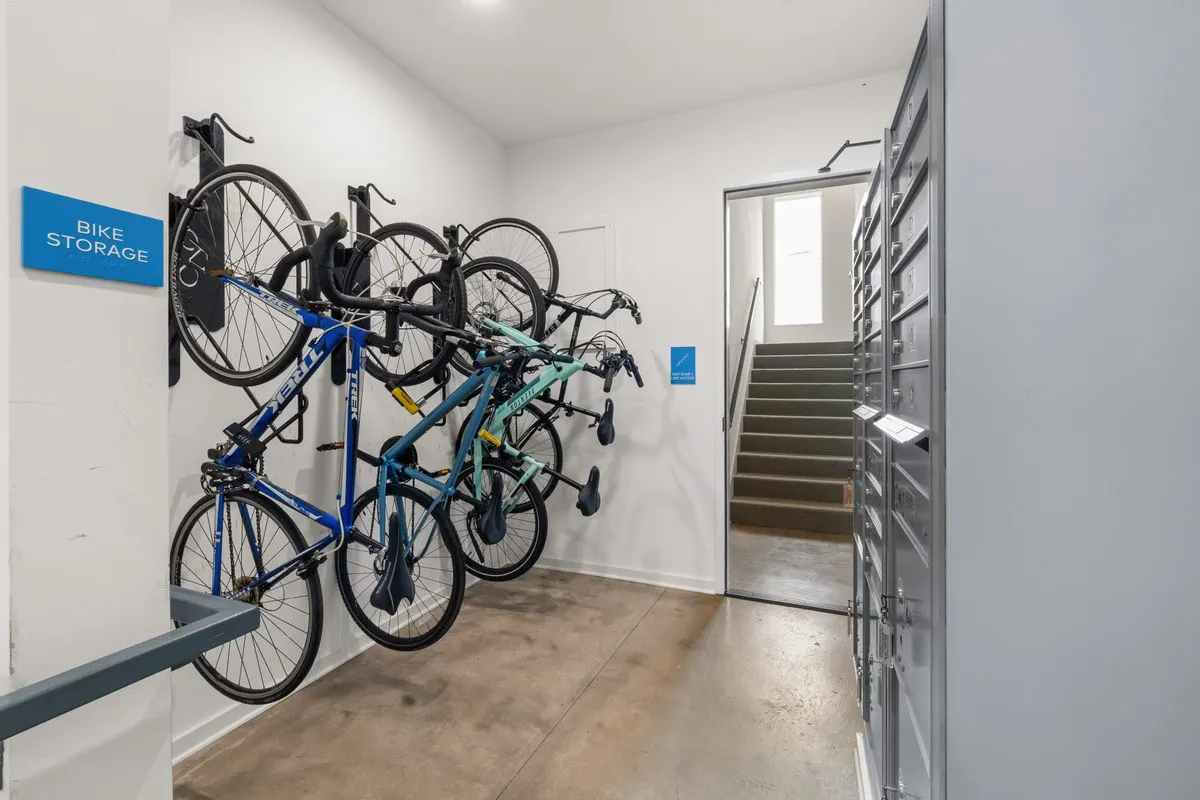
Sketch the route and mark tight corners, recesses, and doors opposite one another. Length and steering range affect how the trike moves through those spaces. The turning guide explains the broader issue. Do not assume the vehicle can pivot in place or be dragged sideways without an approved handling method.
A simple full-size floor outline can help discuss space with a supplier or manager, but it is not a substitute for a suitable real-world assessment. It shows static dimensions rather than the complete movement. If a demonstration is arranged, keep it within the vehicle's instructions and use appropriate assistance rather than experimenting in a crowded corridor.
Include storage furniture and other ordinary items in the final turn. A room that fits the trike only when a dining table is moved may create an inconvenient daily routine. The useful question is whether access remains practical in the apartment as it is normally used, not in an empty floor plan.
Check the lift entrance, internal dimensions, door timing, permitted load, and the property's rules for the vehicle. Do not infer acceptance from the fact that a bicycle has been taken inside before. The trike's shape, weight, and handling can differ. Ask the responsible manager about the exact configuration and any operating requirements.
Consider where the rider and any helper stand without blocking controls or the door. A vehicle that barely fits may leave no workable position for the person moving it. This guide does not authorize exceeding a lift limit or forcing the door to remain open. If the ordinary lift arrangement is unsuitable, choose another documented option.
Plan for a lift outage. If there is no acceptable route to storage when the lift is unavailable, identify a permitted fallback before the first ride. Do not make carrying a heavy trike up stairs the automatic answer. A realistic ownership plan includes temporary access changes as well as normal conditions.
A trike's weight and shape can make stair handling difficult. Do not select lifting points or a carry technique from a photograph. The manufacturer or a competent provider should identify any supported transport method, and the property rules still apply. A seat, mirror, fender, or steering bar is not automatically designed as a lifting handle.
If the only access involves stairs and no suitable supported process exists, reconsider the vehicle or storage location. A smaller folded package may help in some cases, but it still has actual weight and handling requirements. The presence of a hinge does not establish that one person can carry the trike safely.
Ask about a permitted ground-level storage option where appropriate. Compare its security, weather exposure, access, and charging implications rather than assuming it is automatically worse or better. The locking guide and cover guide address those separate considerations.
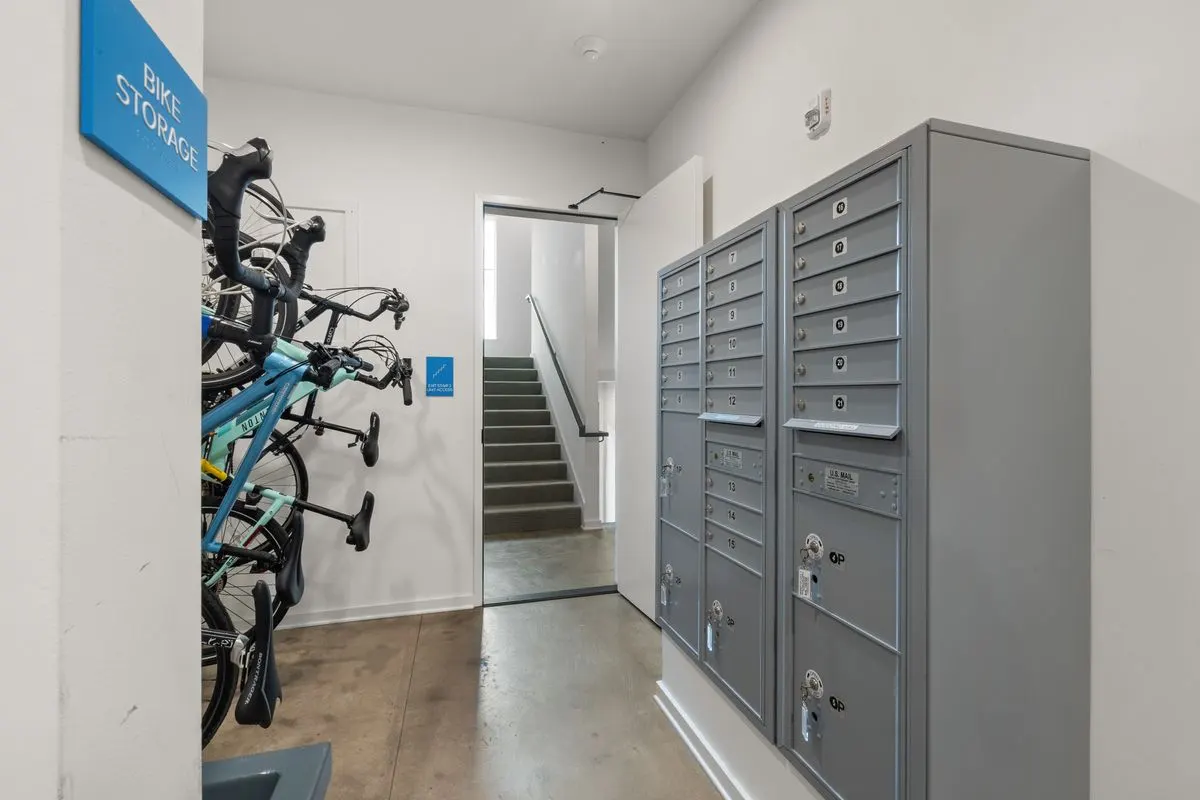
The final location should leave the apartment and shared routes usable according to applicable rules. Do not store the trike where it obstructs an exit, required access, or essential equipment. Obtain the responsible property's guidance and current local information where needed. This article does not determine building-code compliance from a generic floor plan.
Account for the rider's route around the parked trike. A mirror or pedal can project into a walking area even when the frame fits against a wall. Keep the actual outline visible in the plan. Removing a portable bag may help ordinary space management, but technical parts should not be altered simply to create a few centimeters of clearance.
A wall or ceiling support requires its own structural and equipment approval. Do not assume a bicycle hook can hold a trike or that a landlord permits fixing it to a wall. Vehicle compatibility, support capacity, installation, and building permission are separate questions. If they cannot be resolved, use another suitable arrangement.
For an electric trike, a place large enough to park is not automatically a suitable charging location. Follow the exact battery and charger instructions and relevant building rules. CPSC emphasizes using the appropriate supplied or approved charger and avoiding unsuitable universal products. The charger guide addresses identification.
Do not route a charging lead across an exit or assume an extension arrangement is permitted. Ask the relevant providers about the actual setup. The battery charging guide covers the vehicle equipment, while fire-safety and property requirements address the location. Both need to be satisfied.
If the battery is removable through an approved procedure, identify its permitted handling and storage conditions. Removal does not automatically make every room appropriate. A damaged or concerning battery needs the manufacturer's safety instructions and suitable assistance, not a new location chosen merely because it is out of sight.
A rainy ride can bring moisture and road dirt into the access route. Follow the vehicle's cleaning and drying instructions and the property's rules for shared areas. Do not pressure-wash electrical or mechanical equipment in an apartment entrance. The washing guide helps organize appropriate tasks.
Choose where removable wet bags or garments go without blocking a corridor. A cover should not be assumed to solve moisture management; it may have its own conditions and can trap dampness. The cover and condensation guide explains that distinction. Keep drying and storage as separate steps where the instructions require it.
A floor protector may be useful if suitable for the surface and permitted, but it should not create a slipping or access problem. This guide does not recommend one material for every floor. Ask the property manager or relevant supplier when the surface requirements are unclear, and keep the final route practical for ordinary residents.

Write the steps from unlocking storage to reaching the street and back. Include door management, approved folding, accessory removal, and where bags are carried. Count the tasks the owner can complete correctly in ordinary clothing and conditions. A process that relies on several unavailable helpers is not an independent daily routine.
The mounting guide helps keep the vehicle entry sequence separate from moving it through the building. Identify a suitable place to mount and dismount rather than doing so in a narrow doorway. Keep controls, parking function, and the rider's route to the seat available.
If sharing the vehicle, document the access configuration as well as rider fit. The shared-trike guide addresses that handover. One rider should not unknowingly leave a mirror or seat arrangement that makes the other person's storage routine unworkable.
A trike that develops a wheel or electrical fault may no longer roll through the usual route. Ask a suitable service or recovery provider how collection would work from the building. The recovery guide explains why actual dimensions and condition matter. A pickup plan should not depend on dragging a damaged vehicle down stairs.
Keep the property's contact process and any permitted temporary location available. If an access route is closed or a lift fails, do not leave the trike in an unauthorized exit area while deciding what to do. The fallback should be discussed before an interruption rather than invented under pressure.
Review the plan after moving home or changing accessories. A new bag, fairing, or mirror can alter the outline that previously fitted. The ownership-file guide can retain measurements, photographs, permissions, and the current configuration. Keeping those records accurate is more useful than relying on an old catalog specification.

Use one line for every physical stage and record the clear dimensions, turn space, door operation, permission, and unresolved question. Add photographs that show context without exposing private access details publicly. The sheet should describe the ordinary route with furniture and shared equipment in place. A measurement made in an empty room or with a door removed should not be treated as the everyday configuration.
Separate fixed constraints from possible supported changes. A building entrance, lift opening, or required exit route may be outside the owner's control. A portable bag can sometimes be removed through an ordinary procedure. A mirror may have an approved folding feature, while an axle assembly may not be a routine removable part. The plan should not treat all dimensions as equally easy to change.
Arrange an appropriate demonstration where possible before purchase, with the property manager's permission and suitable provider support. Keep the vehicle within its instructions and avoid forcing it through a tight space. A successful demonstration should record the actual configuration and assistance used. If three people were needed to manage doors and the trike, the result does not establish that one resident can repeat it every morning.
Consider a rider whose trike fits inside the lift but cannot turn from the lift lobby into the corridor. The limiting dimension is not the lift cabin alone. A different permitted route, a genuinely suitable folding model, or another storage location may be needed. A wall rack inside the apartment would not solve the access problem and should not be purchased as if it did.
Next consider the return after rain. The owner may need a place to manage wet clothing and removable bags without leaving them in shared circulation space. The routine should preserve the property's requirements and the equipment's care instructions. A waterproof floor covering is not a universal answer if it creates a slipping edge, blocks a door, or encourages storing damp equipment without the required drying process.
Keep charging approval on its own line even when the trike is stored in a permitted room. The battery and charger makers' requirements, current property rules, and applicable safety guidance all remain relevant. A suitable storage footprint cannot resolve an unsuitable electrical arrangement. If no appropriate charging location is available, discuss supported alternatives before building daily use around the vehicle.
Write a realistic fallback for a lift outage, a blocked entrance, or a trike that cannot roll after a fault. The fallback should name a permitted location or suitable service arrangement rather than an improvised stair carry. A household helper's willingness is useful, but the equipment and handling method still need to be appropriate for the actual vehicle and condition.
Finally, repeat the access review after significant changes. A new headrest, fairing, rack, or mirror can alter a previously usable path. Keep the old measurements as history and mark the current setup clearly. Apartment ownership becomes easier when access is treated as a documented routine that can be checked, rather than a one-time claim that the trike fits somewhere indoors.
Research-based access guide, 15 October 2026. No building approval, structural assessment, lift certification, or charging-location inspection was performed.
Guide
Choose your first adult tricycle by checking rider fit, storage, weight limits, gears, brakes, assembly, and service before buying.

Guide
Learn how to compare adult electric tricycles for control, fit, batteries, braking, transport, and ownership support.

Guide
Understand the leg and hip muscles used when pedaling a tricycle, plus how fit, resistance, and electric assistance change the effort.