



Guide
First Adult Tricycle Buying Guide
Choose your first adult tricycle by checking rider fit, storage, weight limits, gears, brakes, assembly, and service before buying.
We research everything we recommend. When you buy through our links, we may earn a commission. Learn more
Guide
Build a practical tricycle commute around home access, both route directions, work parking, cargo, charging, weather, and a dependable alternative.

Updated · 12 min read
An adult tricycle commute includes more than the distance between home and work. Retrieval, doors, route access, parking, locks, clothing, cargo, and the return can determine whether the routine is practical. A comfortable weekend ride does not automatically prove a weekday trip will work on a deadline.
This guide develops the whole routine without recommending a particular city route or product. Check current local riding rules and workplace arrangements. Begin with a familiar manageable trip and a realistic alternative rather than making the first trial an essential journey.

Write down departure and return times, destination access, expected cargo, and the surfaces involved. Include the conditions you are willing and permitted to ride in. A journey made during a quiet afternoon can differ from the same streets at the weekday peak.
Identify your non-negotiable requirements: dependable arrival, independent access, secure parking, or a charging arrangement. Keep these separate from preferences such as a particular scenic path. That helps you reject a route that looks appealing but fails the complete task.
Use the first-purchase guide if choosing a vehicle for commuting. Buying around a real routine is stronger than selecting a large basket and assuming the rest will follow.
Inspect road shape, wheel-path hazards, barriers, junction visibility, and destination entrances. A return journey may require a different turn or encounter a locked gate. Use mapping tools for discovery, then verify the physical constraints where practical.
Check local permissions for the exact vehicle, especially if electrically assisted. A broad path on a map is not automatically a permitted route. Ask the relevant operator or authority when classification or access is unclear.
The clearance guide and camber guide provide detailed worksheets. Mark unresolved sections rather than letting one difficult gap disappear inside the total distance.
Make the first trip when you can turn back or wait without missing an essential commitment. Start with normal protective equipment and a modest permitted load. Choose a manageable operating mode and follow the vehicle's instructions.
Record the complete time from retrieval to parked arrival, not only moving time. A gate, lock, and clothing change can add meaningful work. Do not solve a schedule problem by increasing speed through a tight corner or unsuitable surface.
Repeat at the intended time before committing to the routine. Conditions and access can change, so use the trial as evidence for planning rather than a permanent guarantee. The safe-riding guide covers the control foundation.

Identify where the tricycle is stored, how doors are held or operated safely, and where cargo is loaded. Use the documented parking and handling method. If assistance is fitted, disable it as instructed during repositioning and loading.
Include folding, battery refitting, mirror reset, and any removed accessories. The folding guide explains why preparation can be more involved than a small folded footprint suggests.
Keep the routine simple enough to perform on an ordinary weekday. If it relies on someone lifting an axle or holding several doors, confirm that help is dependable. Independent commuting should not be assumed from an assisted demonstration.
List the items normally carried: clothing, lunch, tools, documents, or a device. Use a compatible restrained arrangement and check all applicable limits. A bag that fits a basket can still bulge into a wheel corridor or block a rear light.
Protect water-sensitive items through a suitable container with understood limitations. Do not assume an insulated or water-resistant bag is waterproof. The basket-bag guide covers fit, fastening, and unloading.
Arrange frequently needed items so you can retrieve them while stopped without unpacking the whole load. Do not reach backward into a basket while riding. Plan where the bag goes during locking and doorway tasks.
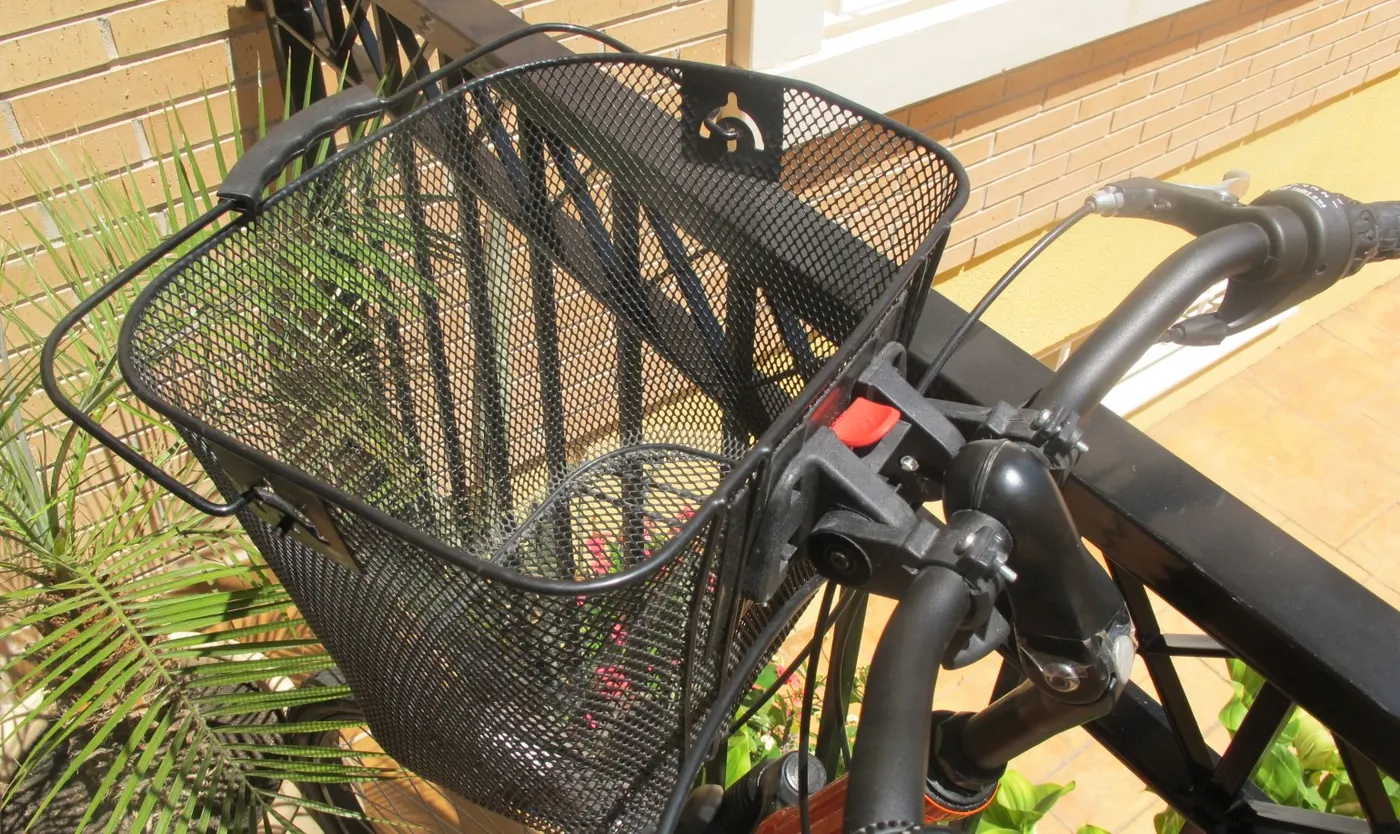
Ask about permitted parking, suitable anchors, access hours, and whether the complete vehicle obstructs paths. A bicycle rack can be poorly positioned for a wide rear axle. Inspect the actual place rather than assuming a staff-bike policy covers the geometry.
Practice the lock-up with the normal load and check frame access. The security guide covers structural attachment and removable items. A parking brake is not a theft lock.
If no suitable location exists, seek another approved arrangement before relying on the commute. Do not leave the tricycle in an emergency exit route or assume a convenient rail is an authorized secure anchor.
For an electric tricycle, first determine whether charging is necessary for the planned round trip. Use practical observations and a reserve rather than an advertised maximum. The range guide develops that calculation.
If charging is needed, get permission and provide a location consistent with the battery and charger instructions. Preserve exits, ventilation, and presence during charging. An available socket does not automatically make a suitable arrangement.
Use only the approved charger and handle the pack through the documented method. The battery-care guide covers those boundaries. Do not plan to leave a battery charging unattended simply because the workday is long.

Set a practical ride-or-use-an-alternative process around the manual, actual visibility, wind, and route condition. A rain jacket does not make flooding or an unsuitable side-slope acceptable. Check the return forecast and likely sunset as well as departure.
The rain guide covers permitted wet use and aftercare. The night guide covers beam, rear visibility, power margin, and recovery.
Keep an alternative transport arrangement that can meet the workday's needs. Do not let a desire for consistency become pressure to ride in conditions outside the plan. Choosing the alternative is part of a dependable commute, not a failed trial.
Wear items that preserve brake reach, steering, and observation. Secure loose cuffs and straps away from the drivetrain. Test gloves and weather layers while stationary, because they can change the feel of controls.
Plan where clothing and equipment are stored at work and how wet items dry. A spare change can be useful if the workplace permits it, but keep the decision tied to the actual task rather than a long generic shopping list.
Check the helmet and any eyewear in the normal posture. The helmet guide covers fit and seat interaction. Do not compromise protective fit to accommodate a hood or accessory.
Follow the manufacturer's pre-ride checks for brakes, tires, frame joints, battery security, and other critical parts. Add the commute-specific items: route status, cargo fastening, clear lamps, keys, and a return plan.
The maintenance checklist is the mechanical foundation. Keep the daily routine short enough to use, and schedule larger service tasks separately. A busy morning is not a reason to skip an unresolved brake or latch issue.
Stop the trip when a fault affects predictable control. Arrange service or the alternative rather than testing it in traffic. A repeatable commute relies on known condition, not on assuming the vehicle will make it one more day.
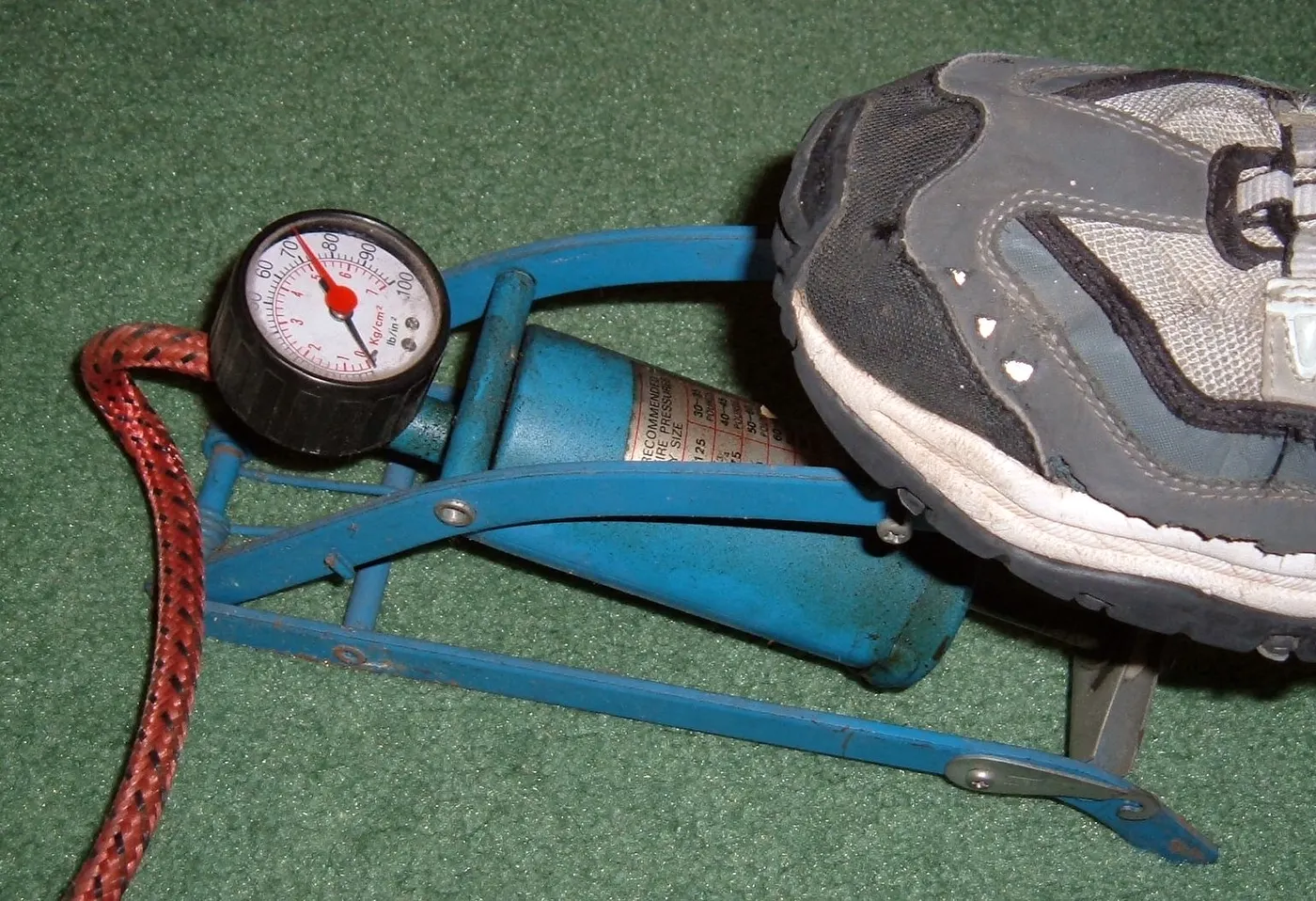
Log retrieval time, moving time, destination tasks, and the return. Note conditions that changed the result. A single best time is less useful than understanding the ordinary range and the tasks that create delay.
Write specific observations: a gate locked at return time, a bag blocking the rear lens, or a parking anchor difficult to reach. Each suggests a concrete next step. Avoid simply labeling the trip slow or stressful without identifying where.
Change one part of the routine at a time. A different bag position or permitted entrance may solve more than a faster assistance mode. Review after workplace access, season, or vehicle configuration changes.
| Stage | What to confirm |
|---|---|
| Home | Retrieval, doors, loading, and power state |
| Route | Permission, width, surface, junctions, and alternatives |
| Arrival | Secure parking, unloading, and clothing |
| Workday | Approved storage or charging if needed |
| Return | Light/weather conditions, load, and range reserve |
| Recovery | A realistic option for a fault or unsuitable conditions |
Use the worksheet to explain the plan to a household member or employer when necessary. Do not treat it as legal approval or a guarantee of arrival time. It is a way to expose practical dependencies before the commute becomes essential.
Imagine the outward trip goes smoothly, but an unexpected work task delays departure until after dark. Check whether the lighting and route plan support that return. If not, use the alternative rather than assuming the familiar road will be adequate.
Similarly, extra items acquired during the day may exceed the ordinary bag arrangement or block a lamp. Repack within the approved limits or leave them for another trip. The tricycle's success on the outward leg does not validate a changed configuration.
A dependable routine leaves room for those decisions. The objective is a practical way to travel regularly, with suitable equipment and a clear backup, not a requirement to use the tricycle regardless of what changed.
During a practice trip, time retrieval, preparation, moving travel, parking, and arrival tasks separately. That shows which part creates variation. A faster moving pace may not solve a long gate or lock routine, and it can increase the demands of corners and junctions. Improve the task that actually causes delay.
Record several ordinary trials rather than using one unusually quick ride as the timetable. Include the intended departure period and representative permitted load. Note changes such as a busy crossing or a locked gate. The result is a planning range, not a guaranteed arrival time.
Leave enough room to use a safe alternative or stop for an equipment problem. Do not make the commute depend on achieving the best recorded moving time every day. A deadline should not become pressure to skip a brake check or force a narrow pass.
Keep the timetable simple enough to update. If storage changes, revise retrieval. If the workplace moves the parking area, revise arrival. The routine becomes more dependable when those changes are visible rather than hidden inside a single total-distance estimate.
Give the employer or facility manager the complete vehicle dimensions and ask where it may be parked. Identify the approach, receiving turn, anchor, and access hours. A statement that staff bikes are welcome does not establish that a wide tricycle fits the rack or can enter a basement store.
Visit the actual location where possible and practice with permission. Check whether the rider can reach the frame locking point with the normal bag fitted. Preserve paths, doors, and accessibility routes. Do not rely on a convenient railing that is not a permitted secure anchor.
If the arrangement needs a gate key or staff assistance, confirm the ordinary process and an alternative when it is unavailable. A commute that works only when one colleague happens to be present is less dependable than an approved independent routine. Record the dependency honestly.
Keep material answers with the route plan and recheck after building changes. The employer's permission and the physical trial answer different questions; both can be necessary. A successful arrival photograph does not prove long-term access or security.
Consider where the bag goes after unloading, whether equipment can be left at work, and what changes on the return. A device, lunch, and clothing may fit neatly outward, while an extra work item or shopping stop creates a different load later. Keep the approved limits and loaded envelope visible.
Use compartments to make ordinary stopped tasks manageable without placing heavy items high or leaving straps loose. Keys and the lock should be accessible at the destination. Do not reach into the basket while riding or unpack on a slope to find an item needed for parking.
If the bag is difficult to carry into the building, compare smaller compatible formats or a staged unloading routine at a stable point. A basket's structural rating does not establish the rider's ability to lift a full container. Assess both tasks during the trial.
After weather exposure, dry and inspect the bag as instructed. A damp cover or sagging base can change the next day's fastening and visibility. The commuting kit should be prepared for repeat use rather than left as a wet bundle around the vehicle.
For an electric commute, first use comparable ride observations to decide whether workplace charging is required. Include the return load, wind, assistance, and practical reserve. Do not subtract one-way distance from a maximum claim and assume the remainder is reliable.
If the workday arrangement is necessary, confirm permission, location, presence during charging, and the exact approved charger. A socket available after hours may be irrelevant if the rider leaves earlier. The charging plan should fit the actual schedule without blocking exits or leaving suspect equipment unattended.
Decide how the charger is carried or stored and how a removed battery is handled. Keep identifiers clear when several devices are charged in the same space. Similar-looking plugs should not encourage substitutions by a well-intentioned colleague.
If the arrangement becomes unavailable, use a known alternative. Do not make the return depend on borrowing an unverified charger or stretching the remaining battery reading. A dependable routine includes a response to that ordinary logistical change.
Choose a non-essential practice day to consider a closed gate, late departure, puncture, or no-power fault. Identify where you would stop and who could help within a realistic recovery arrangement. The exercise can be done through planning and a stationary inspection; there is no need to provoke a fault.
Check whether the recovery transport fits the complete vehicle and cargo. A folded specification alone may not settle car opening width or battery restrictions. Give providers accurate information and verify current acceptance before relying on them.
Keep the alternative transport and workplace notification process available without turning this guide into an automated messaging instruction. The rider should know how to change plans calmly when the conditions no longer support the trip.
After a real disruption, update the routine with the specific lesson. A new stop location, better bag placement, or revised lighting plan can improve repeatability. The goal is regular manageable travel with options, not a perfect record of using the tricycle in every circumstance.
Compare the observed journey with the original plan and identify one practical improvement. A bag moved to an approved position, a clearer parking agreement, or a different permitted entrance may reduce more difficulty than changing assistance. Keep the review specific to the task and preserve the vehicle's instructions.
Check whether the alternative transport remained realistic when needed. If it depended on an unavailable person or a vehicle that cannot carry the tricycle, revise the recovery plan now. A successful week of ordinary rides does not prove the backup works. Document the arrangement so the next disruption can be handled calmly rather than becoming an improvised roadside problem.

Research-based planning guide; no commute, workplace, or local legal route was tested or approved. Examples are illustrative door-to-door scenarios.
Guide
Choose your first adult tricycle by checking rider fit, storage, weight limits, gears, brakes, assembly, and service before buying.

Guide
Learn how to compare adult electric tricycles for control, fit, batteries, braking, transport, and ownership support.

Guide
Understand the leg and hip muscles used when pedaling a tricycle, plus how fit, resistance, and electric assistance change the effort.