



Guide
First Adult Tricycle Buying Guide
Choose your first adult tricycle by checking rider fit, storage, weight limits, gears, brakes, assembly, and service before buying.
We research everything we recommend. When you buy through our links, we may earn a commission. Learn more
Guide
Return an adult trike to use through storage history, tire and brake checks, required service, electrical instructions, fit, and a suitable first outing.

Updated · 12 min read
A tricycle that looked ready when it was stored is not automatically ready after a long pause. Tires, components, accessories, and electrical equipment need the checks specified by their makers before use resumes. The useful process is to recover the storage history, inspect within owner scope, resolve abnormal conditions, and complete the required preparation before choosing a first route.
This guide focuses on returning the complete vehicle to use. It is separate from choosing a storage cover or planning battery storage. It does not prescribe one recommissioning procedure for every model or assume that a brief spin can replace a required service inspection.

Find the exact manual, previous service record, and notes about the storage arrangement. Identify the last known condition and any issue that was deferred. A trike put away with a brake concern still has that unresolved concern even if months have passed. Do not let the passage of time erase the original reason it was parked.
Record where the vehicle was kept, whether it was moved or transported, and any unusual moisture, temperature, impact, or exposure observed. State what is known and leave gaps visible. An indoor location may be more suitable than outdoor exposure, but its description alone does not establish the current condition. Sun's storage guidance, for example, recommends a clean, dry, ventilated indoor environment; that is preparation context, not a certificate for every stored vehicle.
If another person handled the trike during storage, ask about changes before inspection. A removed battery, shifted seat, replacement accessory, or attempt to inflate a tire can affect the starting configuration. Collect the actual component identities and work performed. A simple accurate history helps you choose the relevant next checks without assuming the trike is unchanged.
Remove the cover and stored items through their instructions, avoiding loose straps near moving parts. Note any water, residue, or abnormal condition revealed during removal. If the cover is dirty or wet, handle it so contamination is not dragged across the vehicle. The storage-cover guide describes that separate routine.
Move the trike only through the permitted handling procedure. A tire that has lost pressure, a brake that behaves abnormally, or an unknown component condition can make ordinary movement unsuitable. Do not drag the vehicle, lift it by an accessory, or use electrical power to force it out of a confined space. Obtain suitable assistance or service advice where the condition prevents the required handling.
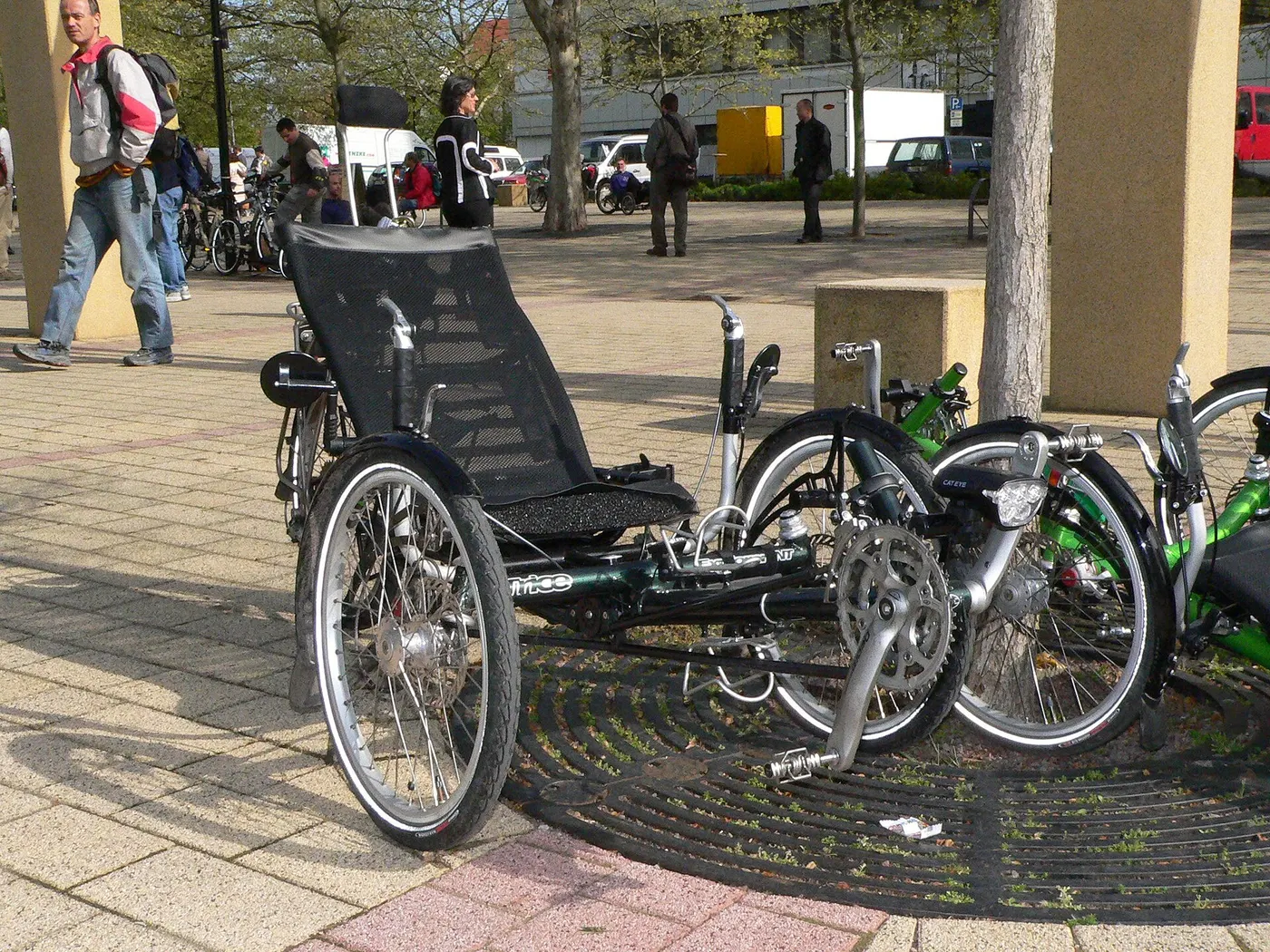
Create enough room for inspection around the whole vehicle. An upright rear pair or recumbent front pair can hide a component on the far side when the trike is against a wall. Avoid an inspection that only checks the convenient side. If you cannot reach a required area safely, use an appropriate provider rather than treating the inaccessible item as passed.
Follow the manual's inspection guidance for frame, steering, wheels, brakes, drivetrain, controls, and accessories. Look for the abnormal conditions it identifies and record what you actually observe. Cracks, distortion, damaged wiring, loose critical parts, or other unresolved concerns require the prescribed response. Do not begin a ride to find out whether they matter.
Separate observations from diagnosis. A residue does not prove one particular corrosion process, and stiffness does not identify a single cause. Photograph the affected area and describe its location and history. The corrosion guide and repair-shop guide explain how to turn that information into a useful assessment request.
Cleaning may be appropriate within the instructions, but it does not replace evaluation of damage. Avoid applying a protectant or lubricant over an unresolved critical issue to make the vehicle appear ready. If the condition is abnormal, pause and obtain advice. Keep the decision visible to everyone who may use the trike so a cleaned frame is not mistaken for a completed safety inspection.

Identify the installed tire and wheel configuration, then use the applicable pressure and condition guidance. A tire may have lost air during storage, but inflation alone does not establish that it is sound. Inspect the tire, seating, valve, and wheel through their instructions. If a bulge, damage, abnormal seating, or another concern appears, stop and obtain the prescribed service.
Use a suitable gauge rather than judging readiness by appearance. The pump and gauge guide explains range, valve access, and repeatable readings. Do not copy a pressure from a different tire or assume that all three positions have identical requirements. If a tire was changed before storage, recover the new specification instead of using the old note.
For a tubeless system, follow its specific condition and sealant-care procedure. A previous successful setup does not mean the consumables remain in the intended condition indefinitely. The tube-versus-tubeless guide discusses that maintenance difference. Do not add a generic quantity or unrelated sealant to an unidentified system simply because it has been standing for a while.
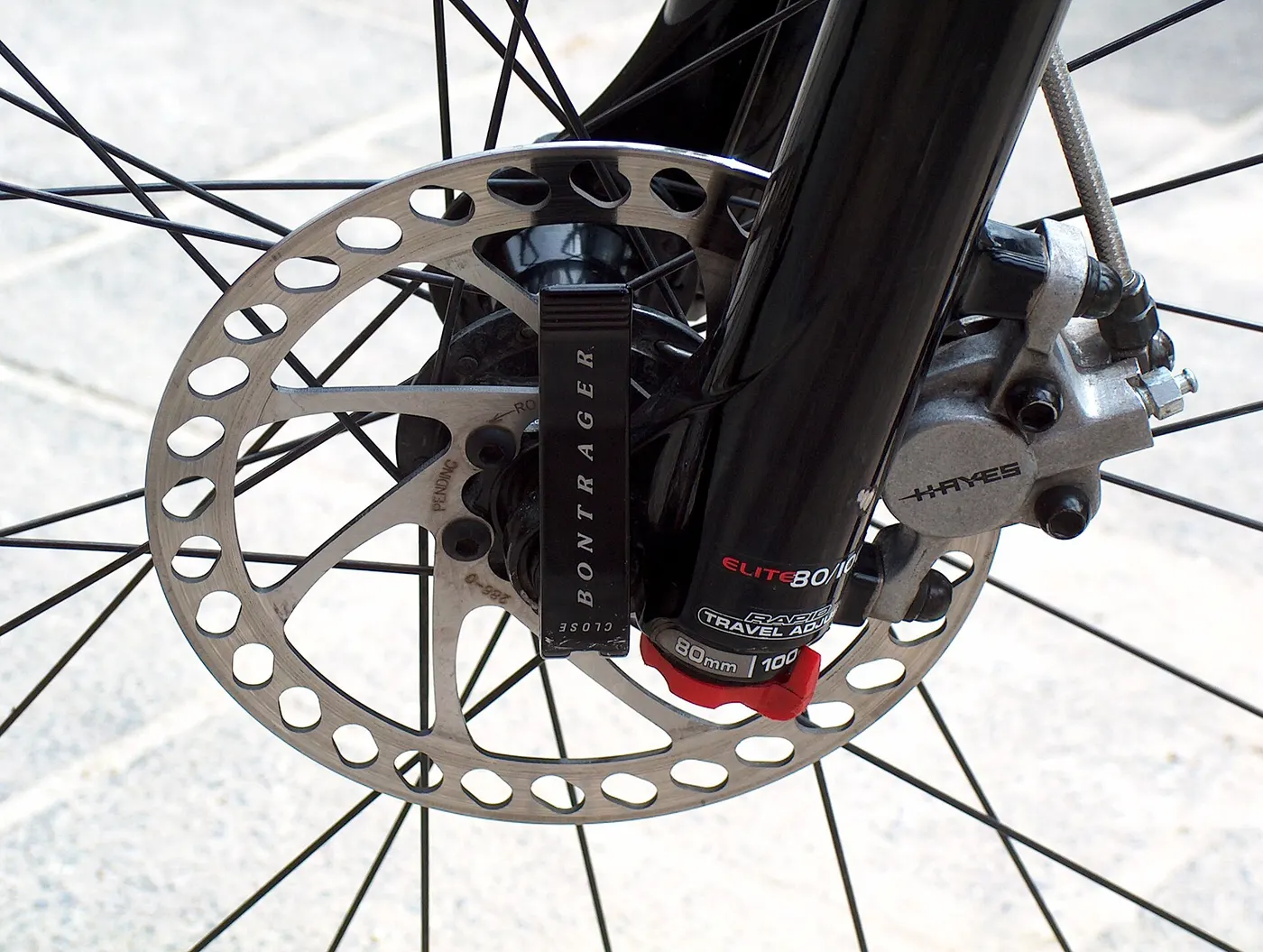
Follow the exact checks for brake operation and parking arrangements before riding. A parking control that held the trike at storage does not prove the service brakes are ready now. Identify abnormal movement, damaged cables or fittings, contamination concerns, and any issue described in the manual. If a required check cannot be completed or the response is questionable, seek service.
Keep cleaning products and lubricants away from inappropriate brake surfaces. Storage-related stiffness is not permission to spray every joint or rotor. The brake guide explains the separate operating questions, while the brake maker determines service. Do not attempt an arbitrary solvent treatment and infer readiness from a clean appearance.
Steering and related mounts need their own inspection. A recumbent's alignment method is model-specific, and an impact or careless handling during storage can require broader assessment. Use the toe-in guide for service preparation rather than casually changing a setting. A guessed adjustment can conceal a bent or worn component without correcting it.
Inspect and maintain the actual drivetrain through its instructions. A chain may need the permitted cleaning and lubrication routine, but proprietary drive parts can have different requirements. Do not assume that an upright axle, differential, hub gear, and recumbent chain route all receive the same treatment. Identify the component before applying a product.
The chain-care guide addresses that defined owner task. Keep its scope separate from repairs to damaged or abnormal parts. A noisy or stiff assembly may need assessment rather than additional lubricant. Record any work and the exact product used where relevant so a service provider knows the current condition and prior interventions.
Check guards and protective tubes through their procedures. A displaced cover can interfere with movement even if the drive itself appears clean. Do not remove an intended guard for the first ride because it seems inconvenient. Resolve mounting and clearance through the maker's method and include related clothing preparation before use.
Identify the battery, charger, display, and other electrical components actually supplied or approved for the model. Recover the storage instructions and any recorded issues. Do not assume that a discharged-looking display means the only task is charging. Physical damage, moisture, abnormal heat, or other concerns require the maker's handling guidance before connection or use.
Use only the approved charging arrangement and follow the required inspection and presence instructions. Do not charge questionable equipment to see whether it recovers, open a battery, or substitute a charger based only on connector fit. The battery guide provides the normal boundaries, while the exact manual governs the procedure.
If the system fails to start after the permitted checks, use the owner-check guide and contact support. Keep observations and error information accurate without probing internal wiring. Electrical function is one part of recommissioning; a working display does not certify brakes, steering, tires, or the rest of the trike.

Inspect bags, baskets, fenders, mirrors, lights, flags, mounts, and their securement through the relevant instructions. Remove loose stored items before movement. A strap shifted during storage can reach a wheel, while a mirror moved out of position may no longer provide the intended view. Restore the complete documented configuration instead of checking only the frame.
Seat or saddle condition and rider fit deserve renewed attention if anything changed. The rider's clothing, shoes, pedal system, or practical needs may differ from the last outing. For a recumbent mesh seat, use the seat-care guide. If setup is uncertain, obtain a suitable fitting assessment rather than assuming a remembered position remains appropriate.
Check the equipment required by the current location and route. A long pause can coincide with a different destination, vehicle classification, or operating rule. Verify relevant official local requirements rather than relying on the previous season's plan. This article does not determine local law; it makes that check part of preparing the actual journey.
Use the manual's maintenance and inspection requirements along with observed condition. A long storage period does not create one universal list of replacements, and a short pause does not excuse an abnormal critical component. Ask a suitable shop to assess work outside your scope or equipment. Give the history and the required inspection, not only a request for a generic tune-up.
Establish parts availability, handling, and estimate boundaries before transporting the trike. The repair-shop guide describes that process. If a provider can perform mechanical work but cannot support the exact electrical system, keep the remaining task visible. One successful service category should not be mistaken for complete approval of every original concern.
Retain the report, components changed, required follow-up, and any remaining restriction. Update the maintenance record so the next return from storage starts with facts. Do not label an owner inspection as professional service or a completed wash as a mechanical check. Honest status information is particularly important for shared household vehicles.
After the required inspections and service are complete, follow the maker's post-work checks and any controlled verification specified by the provider. Do not choose a demanding route to prove the trike is back to normal. Establish control familiarity and the intended setup in a suitable permitted setting first. A short route should still have appropriate surfaces, space, and an exit plan.
Revisit route information rather than assuming that a familiar path is unchanged. Gates, closures, surface condition, and access can differ after a long pause. The width guide and wind-planning guide provide related preparation. Current route and weather suitability are separate from the vehicle's condition.
If abnormal behavior appears, stop safely and obtain the relevant follow-up. Do not complete the planned loop merely because inspection was performed earlier. Record what occurred and under which conditions. A new observation may require reassessment even when the previous service was appropriate and documented.
Imagine an upright electric trike has been in a garage for several months. The record shows that one brake concern was deferred, a tire is now visibly low, and a basket bag remained fitted. The next step is to keep the brake issue unresolved, inspect the tire through its instructions, and remove and inspect the bag through its procedure. Charging and a quick ride are not substitutes for those tasks.
Contact the appropriate provider about the brake concern and any abnormal findings. Follow the electrical return procedure only when the equipment condition and instructions permit it. After the required work, restore the accessory configuration and complete the checks before choosing a suitable first outing. This example explains sequencing; it does not prescribe a universal repair or replacement interval.
At the end of the return process, note the actual condition, work completed, relevant specifications, and outstanding questions. Keep the source documents and support answers with the record. Before the next storage period, follow the exact preparation instructions and label any deferred concern clearly. A future user should not need to infer readiness from whether the trike looks clean.
Returning to use is a connected process: history, condition, required service, restored setup, and current route preparation. It does not need an elaborate ceremony, but it does need the right evidence for each stage. Complete those stages through the actual instructions and stop when an unresolved condition prevents the next step.
Create one line for each required area with its source instruction, current observation, status, and next action. Useful statuses are completed through the prescribed owner check, assessed by the named provider, awaiting information, or awaiting service. Avoid a single ready box that hides several incomplete tasks. The sheet should make the next necessary action obvious to the person who will arrange or use the vehicle.
Keep findings separate from actions. For example, a tire was observed low, then its condition and pressure were checked through the applicable procedure. If abnormal seating remains, inflation does not move the entire item to completed. Likewise, cleaning a connector's exterior does not resolve a damage concern. This separation prevents visible progress from being mistaken for a completed assessment.
Record who performed significant work and which components changed. An owner check, a shop inspection, and a manufacturer support answer have different scopes. Preserve those scopes accurately. The aim is not to make a formal certificate; it is to keep a shared understanding of current condition and unresolved restrictions before the first outing.
After a long pause, refresh familiarity with the exact controls and operating procedure in an appropriate secured or controlled setting. A remembered lever position is not a substitute for knowing how the current configuration works. If a component was replaced or adjusted, obtain the relevant instruction before use. The same model can have a changed routine after service.
Check the shoes, pedal system, clothing, and entry process you will actually use now. A different garment or footwear can alter clearance and movement. Do not assume that the previous season's preparation transfers unchanged. The clothing guide in this batch provides a stationary check framework, while the exact vehicle and pedal instructions determine the required operation.
If the rider's practical needs changed, obtain a suitable fitting assessment and qualified advice where relevant. This article does not infer capability or clinical suitability from the storage period. It simply recognizes that the vehicle and the person using it both belong to the return-to-use decision. A mechanically serviced trike can still need a practical setup review before ordinary trips resume.
Choose the route after the required work is complete, using current information and the documented configuration. Avoid treating the desire to ride again as evidence that a remaining issue can wait. A suitable short outing can reestablish the routine without depending on demanding terrain, heavy cargo, or an uncertain weather window.
Arrange a practical exit and communication plan for the outing. It need not be elaborate, but it should account for the vehicle's width, transport requirements, and any ordinary limitation of the route. Do not assume that a conventional bicycle recovery arrangement will automatically accept an adult trike. Establish the relevant option before relying on it.
Afterward, record any new observation that matters and follow the appropriate instruction or service advice. Do not broaden the next route merely because the first was completed if an abnormal condition appeared. The useful return process remains responsive to current evidence. It ends with a workable routine and resolved required checks, not merely a completed loop.
Research-based return-to-use guide. No stored trike was inspected. No universal replacement schedule, pressure, battery recovery method, or service interval is prescribed.
Guide
Choose your first adult tricycle by checking rider fit, storage, weight limits, gears, brakes, assembly, and service before buying.

Guide
Learn how to compare adult electric tricycles for control, fit, batteries, braking, transport, and ownership support.

Guide
Understand the leg and hip muscles used when pedaling a tricycle, plus how fit, resistance, and electric assistance change the effort.