



Guide
First Adult Tricycle Buying Guide
Choose your first adult tricycle by checking rider fit, storage, weight limits, gears, brakes, assembly, and service before buying.
We research everything we recommend. When you buy through our links, we may earn a commission. Learn more
Guide
Compare tubes and tubeless for your adult trike through wheel approval, tire and rim fit, maintenance, inflation, roadside response, and total cost.

Updated · 11 min read
Choosing between inner tubes and tubeless begins with the wheels and tires already on your adult tricycle. Tubeless is a complete compatible system, not simply the removal of a tube. The useful comparison is whether your exact equipment supports the arrangement, what maintenance it requires, and how you will deal with a problem on your usual route.
Do not convert an unidentified wheel because an online demonstration makes the process look straightforward. Establish tire and rim compatibility, applicable pressure limits, valves, tape or other required parts, sealant where specified, and manufacturer approval. This guide explains the ownership decision; the tire, pressure, and puncture guide covers the broader wheel-care routine.

In a conventional tube system, an inner tube holds the air inside the tire. The tube must be compatible with the tire dimensions, valve arrangement, rim, and permitted use. Tire and rim condition still matter: a correct tube does not repair a damaged bead, unsuitable rim, or missing protective component. The simplicity of the concept should not make the compatibility check casual.
In a tubeless system, the tire and compatible wheel assembly retain air without that conventional inner tube. The exact arrangement can require specific rim tape, a tubeless valve, and sealing fluid. Some labels describe a tubeless-ready component that needs the remaining system parts and correct assembly. Read the actual instructions instead of treating the word ready as proof that the current installation is complete.
Schwalbe's tubeless guidance emphasizes using wheels approved by their manufacturer for tubeless operation. That boundary is central to this article. A tire that can be physically mounted on a rim does not establish that the pair is suitable for tubeless use. Nor does adding sealant turn an unapproved wheel into an approved system. Obtain the component identities and the relevant maker's answer before considering a change.
Record the tire designation, actual model, rim identity where documented, valve, and existing setup at each wheel position. An upright trike can have different front and rear sizes; a recumbent can also mix dimensions. A previous owner may have replaced one tire or wheel. The frame's model specification is a starting reference, but it does not prove which components are currently fitted.
Photograph markings and obtain missing information from the manufacturer or an appropriate shop. Avoid guessing the rim from its appearance. If its approval status cannot be established, keep that uncertainty visible and do not proceed with a conversion. A low-cost change that relies on an unidentified critical component is not a well-defined upgrade. The repair-shop guide helps prepare the inquiry.
Include the intended use and any electric-model requirement in the question. A component combination must be suitable for the actual vehicle, not only a generic bicycle category. Tire width, rim design, load, and pressure restrictions need their authoritative specifications. Do not combine a tire seller's recommendation and a forum rim claim into an assumed complete approval.
Nominal inch descriptions can be incomplete for purchasing tubes or tires. Record the full marked designation and follow the component maker's sizing guidance. Two products described with the same broad wheel-size term do not necessarily share every required dimension. The wheel-size guide explains why diameter labels are not the whole buying decision.
For an inner tube, verify the intended tire-size range, valve type, and valve length where relevant. A tube that seems stretchable is not automatically approved outside its stated range. If the rim or access arrangement requires a particular valve, use the documented fit rather than modifying the hole. Keep one correct record per wheel configuration so future roadside spares do not depend on memory.
For tubeless, read the tire and rim instructions together. Hookless compatibility and pressure can impose additional restrictions; do not infer them from a general tubeless label. Where instructions differ or the combination is not listed, ask the makers. A single maximum number on the tire does not necessarily establish the maximum for the assembled system.
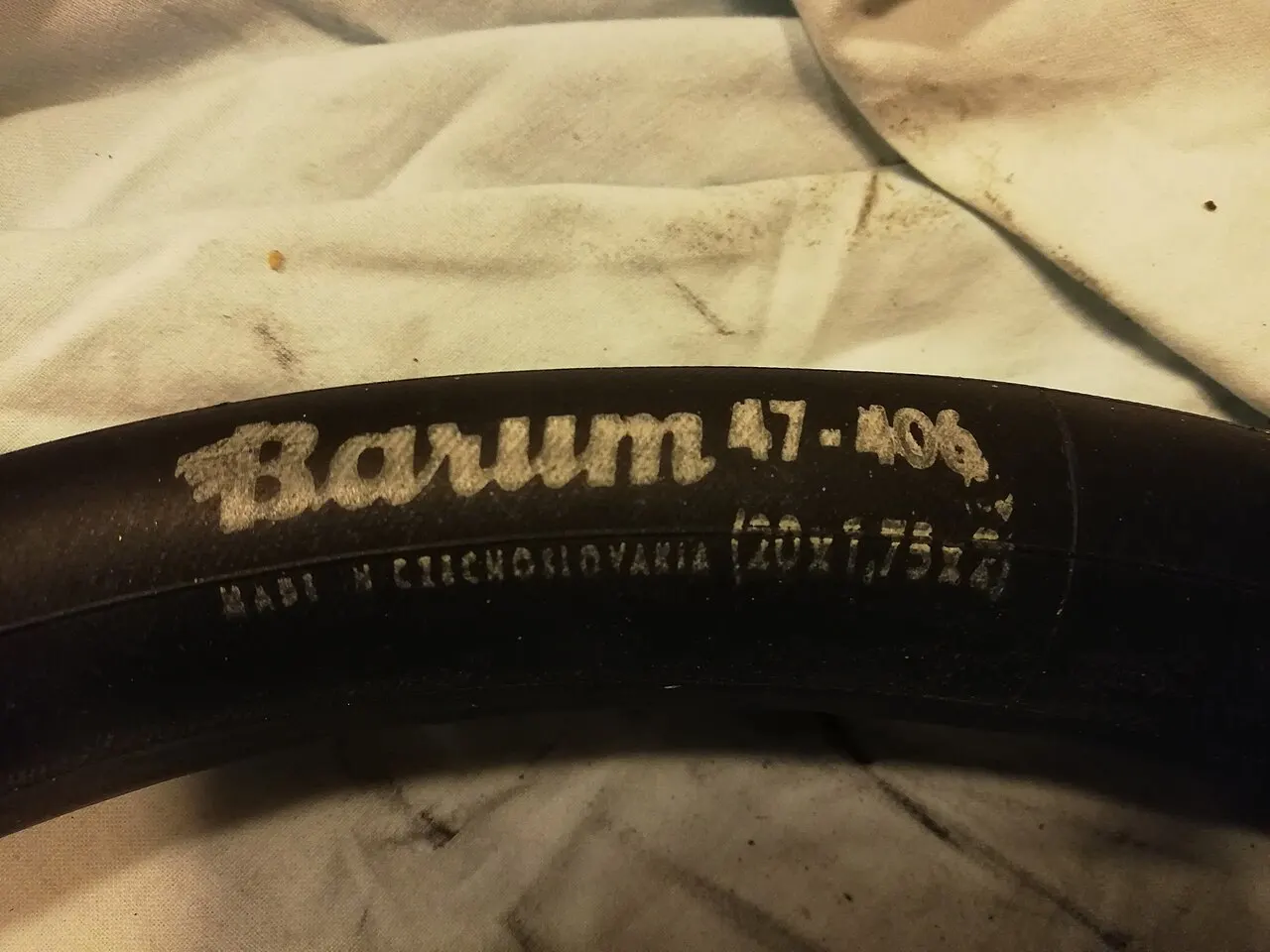
A tube system can be attractive when you want a familiar replacement routine and compatible spares are easy to obtain. It still requires pressure checks, condition inspection, and the correct repair or replacement procedure. An occasional puncture is not the only ownership task. Wheel removal can be complicated by a trike axle, motor, brake, or proprietary attachment, so evaluate the whole process rather than the tube alone.
A tubeless system can provide a useful puncture-management role where the approved sealant can address certain defects. It does not make the tire puncture-proof. Cuts, damaged components, unsuccessful sealing, or pressure loss can still require stopping and service. Avoid translating a manufacturer's benefits into a guarantee that you will never be stranded. This guide does not measure puncture rates or compare particular tires.
Sealant condition and replacement requirements add a recurring task where the system uses it. Follow the exact product instructions for checking, replenishment, compatibility, and disposal. Do not adopt a universal interval or quantity for every trike tire. Storage duration and conditions may affect the maintenance decision. If you prefer a routine with fewer unfamiliar consumables, include that preference honestly in the comparison.
Tubeless installation can involve procedures and equipment beyond routine inflation. Read the exact assembly method and use a qualified provider when it is outside your skills or equipment. Do not increase pressure beyond applicable limits to make a tire seat, and do not use a generic compressor arrangement as an experiment. The tire, rim, inflation equipment, and assembly process all have relevant restrictions.
A successful initial seal does not complete every check. The instructions can require examination of seating, leakage, pressure, and other conditions before use. Have the work documented where a shop performs it. Retain the component identities, sealant used, and applicable maintenance guidance. An invoice saying converted to tubeless without identifying the system leaves future servicing less clear.
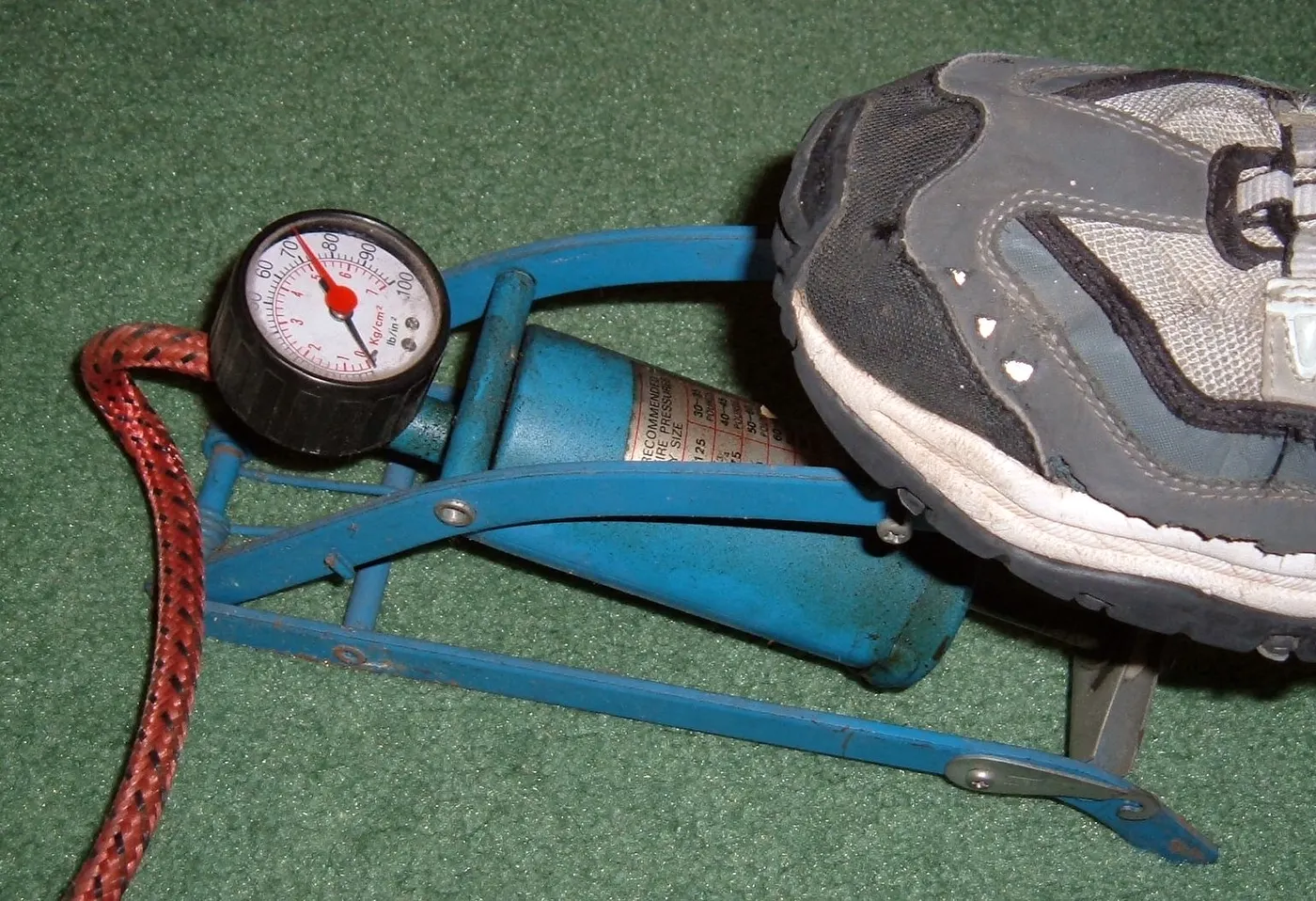
Routine inflation also needs a suitable pump head and gauge. Access beside a trike's wheels can be restricted by a fender, motor, or brake. The pump and pressure-gauge guide explains that separate tool selection. A valve that is difficult to reach should prompt a compatibility inquiry, not bending or forcing a connector.
Tubeless marketing often mentions operation at lower pressure in suitable applications. That statement is not a recommendation to lower your trike's pressure by a fixed amount. Use the vehicle, tire, and rim guidance for the actual configuration and load. A setting suitable for another rider on another wheel may be inappropriate for your system.
Likewise, a tube system does not automatically require the highest marked pressure. Establish the permitted operating guidance and inspect condition. If the tire and rim limits conflict, resolve the compatibility issue rather than choosing a convenient number. Keep the source of the setting with your maintenance record so a later tire change triggers reassessment instead of copying the old value.
Measure through a consistent routine with an appropriate gauge. A tire's appearance or thumb pressure is not a dependable substitute for the required check. If pressure repeatedly changes unexpectedly, record the wheel, conditions, and instrument used, then seek the appropriate inspection. Adding more air or sealant without understanding a recurring loss can conceal a problem that needs attention.
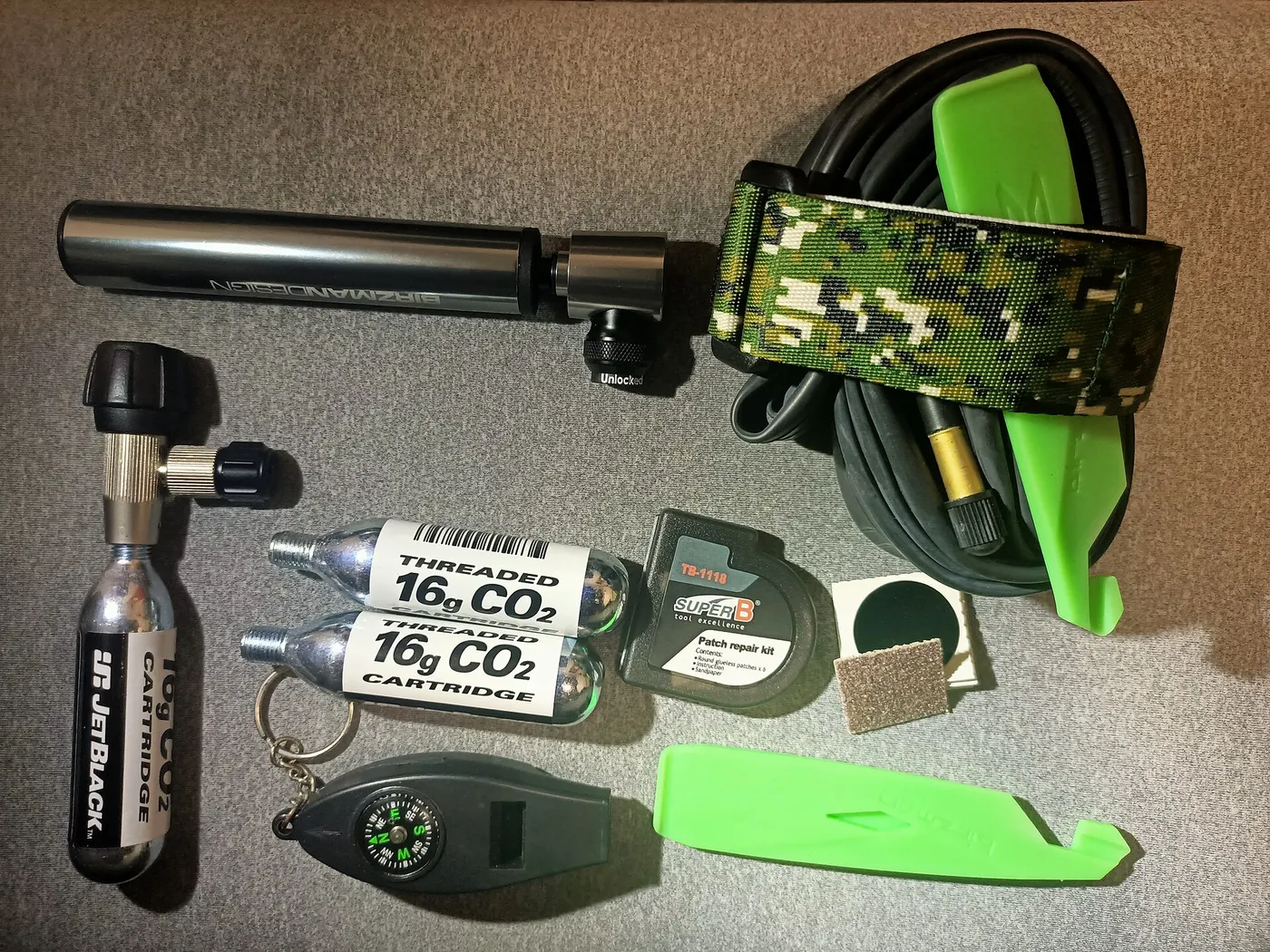
Determine the manufacturer-approved roadside response for the exact system before a trip. Some situations may permit a particular repair product or procedure; others need recovery or professional service. Do not assume that every plug, patch, sealant, or emergency tube is compatible with every tire and rim. The relevant instructions should establish what you may carry and how it is used.
Include safe vehicle support and wheel-removal scope in the plan. An adult trike can be heavy and awkward when loaded, and a motor wheel can add connection requirements. Do not learn an unfamiliar removal procedure at the roadside under traffic pressure. If the task is outside your equipment or skills, arrange a recovery option and know whom to contact.
A spare item is useful only when it matches the actual wheel. If front and rear configurations differ, label spares and record their roles. Keep repair supplies protected and maintained through their instructions. A kit assembled around a conventional bicycle may omit what your trike needs or include products whose compatibility remains unresolved.
List the compatible components, required installation, recurring consumables, tools, and service access. If the existing wheels are unapproved, a conversion may involve replacing more than tires and valves. Obtain current quotes rather than assuming a cheap bottle of sealant represents the whole cost. Include all three wheels and any differing sizes or proprietary parts.
Compare the maintenance routine you can sustain. A setup that performs well when carefully serviced may be a poor ownership choice if you cannot obtain the consumables or local support. Conversely, a documented tubeless system may suit a rider who understands its upkeep and has appropriate help. The useful choice depends on the complete routine rather than declaring one technology categorically superior.
Avoid counting promised savings from punctures that have not been measured for your route. You can record your own previous incidents and service costs, but future frequency remains uncertain. This article provides no total-cost forecast based on invented puncture rates. Use actual quotes and known requirements, then state where the comparison depends on assumptions.
Imagine an owner likes the idea of fewer routine punctures but cannot identify the rear rims. The next step is to establish those components and their approval status. It is not to buy a conversion kit and test whether it holds air. If the maker confirms no tubeless approval for the installed wheels, compare a compatible tube-based tire setup or an approved complete replacement rather than improvising around the restriction.
If an approved tubeless option exists, ask for the complete parts list, installation scope, pressure guidance, maintenance, and roadside plan. Compare that with the existing tube setup's actual service routine. A practical decision may favor staying with tubes because support and spares are straightforward, or changing because the documented system fits the owner's needs. Either conclusion should follow the evidence for that vehicle.
Record what would change your decision later: a different route, verified wheel replacement, new service support, or a maintenance preference. This prevents a current choice from becoming a blanket statement about every trike. The fat-tire comparison guide addresses a different design question that should not be collapsed into tube versus tubeless.
After any approved change, update tire and rim identities, valve details, pressure references, sealant where applicable, and maintenance instructions. Tell a future shop what system is installed and who performed the work. Do not let a replacement tire silently change the compatibility chain. A wheel that previously worked in one configuration needs reassessment when its relevant components change.
The best decision is the one you can explain in terms of approved equipment, manageable upkeep, and a credible response to failure. Tubeless is not an automatic upgrade, and tubes are not automatically an outdated compromise. Both require compatible parts and condition checks. Begin with the installed system, resolve uncertainty, and choose the routine you can maintain rather than the strongest marketing claim.

The fact that a tire retains air after assembly answers one question about the current condition. It does not demonstrate every claimed puncture benefit or prove that the system will remain in that condition indefinitely. Keep initial setup checks separate from the maintenance and failure plan. A short successful ride is not a substitute for manufacturer approval of the rim, tire, and other system parts.
Likewise, a sealant's intended role should not be expanded into a claim that every defect will seal. Read which applications and limitations the exact product specifies. A large cut, damaged bead, compromised wheel, or other abnormal condition can remain beyond that role. If the tire loses pressure or shows damage, follow the relevant stop and inspection procedure rather than adding fluid until the symptom seems less obvious.
When comparing systems, describe the task each component performs. The tube or compatible tubeless assembly retains air; the tire provides its designed structure and tread; a specified sealant may address certain leaks; the gauge supports a pressure measurement. None of those functions replaces the others. This simple separation makes product claims easier to assess and reduces the chance that one advertised benefit will be treated as complete wheel safety.
Send the frame identity, photographs of tire and rim markings, current valve information, and any service records that identify the wheel. State that the installed parts may differ from the original specification. Ask the manufacturer or suitable shop to establish the actual system before discussing a conversion. Do not let the seller's recollection of tubeless-ready stand in for documented component approval.
If one wheel has been replaced, assess it separately. A matching appearance or nominal size does not prove the same rim construction or permitted tire type. Keep the answer for each position in the record, particularly on a trike with mixed sizes. This also helps you carry the correct spares rather than buying three identical items because the vehicle has three wheels.
Ask what evidence is still needed if the component cannot be identified. The appropriate result may be retaining a documented existing configuration, obtaining an approved replacement, or deferring the change. Do not interpret a lack of information as freedom to experiment. A well-defined decision includes both the known compatibility and the unresolved limits of the available record.
Imagine one owner has accessible tube spares and a shop familiar with the trike's wheel attachment, while another has an approved tubeless system and reliable support for its consumables and service. Their practical choices can differ without either being wrong. Compare the work they can complete, the supplies they can obtain, and the response available when a problem exceeds owner scope.
Use your own route and maintenance preference as context, while keeping component approval non-negotiable. A rider who enjoys detailed upkeep may accept a different routine from someone seeking straightforward occasional service. Neither preference changes the rim's permitted use. The final comparison should explain that distinction clearly so convenience does not become an argument for an unsupported conversion.
Research-based ownership comparison. No conversion, pressure, rolling-resistance, or puncture testing was performed. No universal pressure, sealant amount, or renewal interval is prescribed.
Guide
Choose your first adult tricycle by checking rider fit, storage, weight limits, gears, brakes, assembly, and service before buying.

Guide
Learn how to compare adult electric tricycles for control, fit, batteries, braking, transport, and ownership support.

Guide
Understand the leg and hip muscles used when pedaling a tricycle, plus how fit, resistance, and electric assistance change the effort.