
Guide
First Adult Tricycle Buying Guide
Choose your first adult tricycle by checking rider fit, storage, weight limits, gears, brakes, assembly, and service before buying.
We research everything we recommend. When you buy through our links, we may earn a commission. Learn more
Guide
Cycling glasses need to suit the rider's vision, helmet, posture, and ordinary route. A dark lens is not automatically the right lens, and a large.

Updated · 11 min read
Cycling glasses need to suit the rider's vision, helmet, posture, and ordinary route. A dark lens is not automatically the right lens, and a large frame is not automatically comfortable on a recumbent seat. The practical comparison includes visibility through the lens, retention, side awareness, interaction with other equipment, and the conditions expected on the return trip.
This guide helps organize a purchase and stationary fit check. It does not prescribe lenses for a medical condition, certify impact protection, or promise that one tint is best for every rider. Prescription needs, changes in vision, persistent irritation, or other eye-health concerns should be discussed with an appropriate eye-care professional. Product claims should be checked against the exact manufacturer's documentation rather than inferred from appearance.
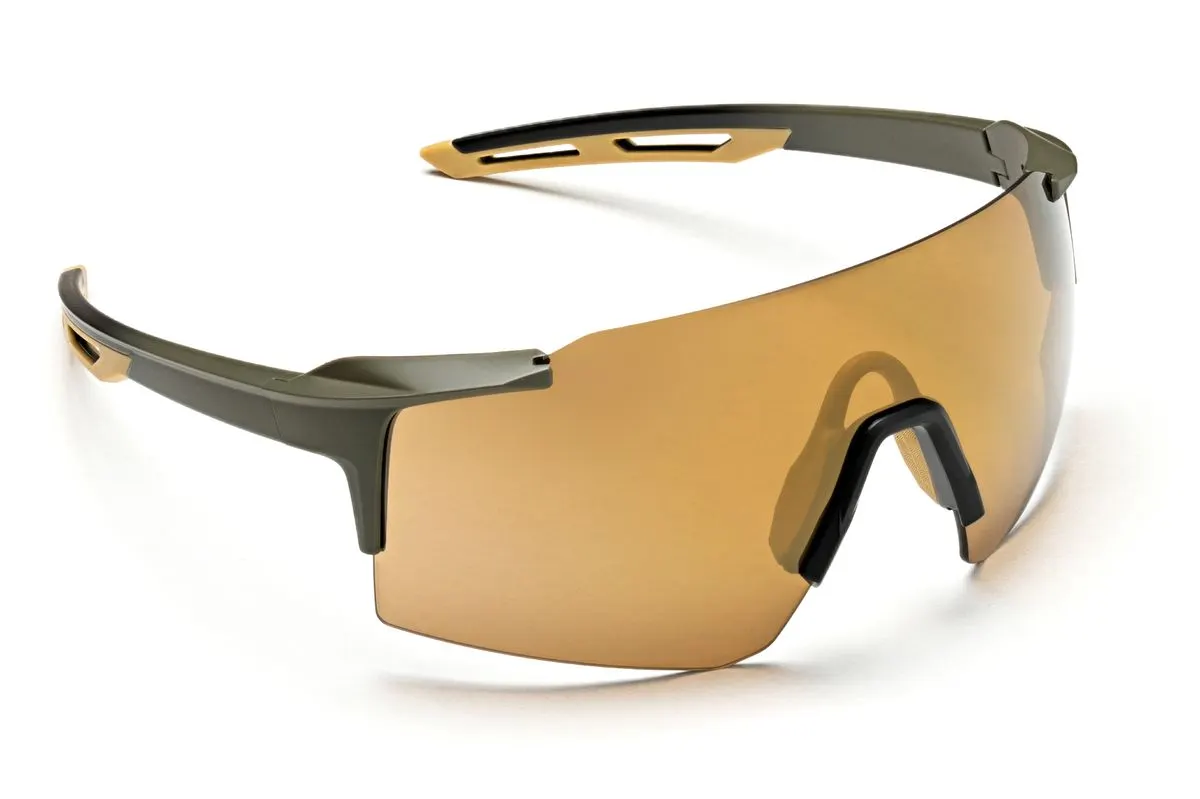
Write down when and where you normally ride: open streets, shaded paths, an early commute, or errands that may finish near dusk. A lens selected only for bright midday light may not suit the whole outing. The route's transitions matter as much as its average conditions. Consider the return rather than assuming it will match departure.
Do not use a lens label as permission to ride where visibility is inadequate. If you cannot see the route and relevant traffic clearly, stop and change the plan. The night-riding guide addresses lighting and route decisions. Glasses do not illuminate the road or remove the need for suitable active equipment.
Keep the first comparison specific. A pair intended for ordinary neighborhood riding may have different useful features from one chosen for a longer exposed trip. Describe the task to the supplier instead of asking for the most advanced lens. More features do not establish better vision or a more suitable fit for the actual rider.
Lens darkness, ultraviolet protection, and impact-related specifications are different product properties. Read the manufacturer's actual information for each. Do not assume a dark lens establishes UV performance or that a sporty frame establishes a particular impact standard. Where a claimed standard matters, identify the exact product and documentation rather than relying on a retailer's broad category description.
This article does not certify a lens or interpret an unfamiliar marking as a universal approval. Ask the manufacturer or a qualified optical provider when the information is unclear. A useful purchase record names the product and its documented intended use. It does not turn a photograph or a low price into evidence about protective performance.
If prescription correction is needed, involve an appropriate provider before choosing a frame or insert. The interaction between correction, lens design, fit, and the rider's needs is not resolved by a generic cycling guide. A product advertised as prescription compatible still needs the correct individual arrangement and fitting.
Sit in the intended position with the trike secured appropriately. Upright and recumbent postures can place the frame differently relative to the brow, cheeks, and seat. Check the normal forward view and the movements needed to observe the route. A frame comfortable while standing may sit differently once the head is supported or reclined.
The fit guide provides the vehicle context, while the recumbent headrest guide addresses a nearby contact point. Glasses should not be selected to compensate for an unresolved seat or headrest problem. Establish the intended vehicle setup before judging the frame's usability.
Do not force a posture merely to make a frame feel comfortable. If the temples press against a headrest or the frame interferes with normal movement, ask about an appropriate alternative. A small static adjustment may be supported by the eyewear maker; bending an unfamiliar frame or changing the trike's structure is a different task.
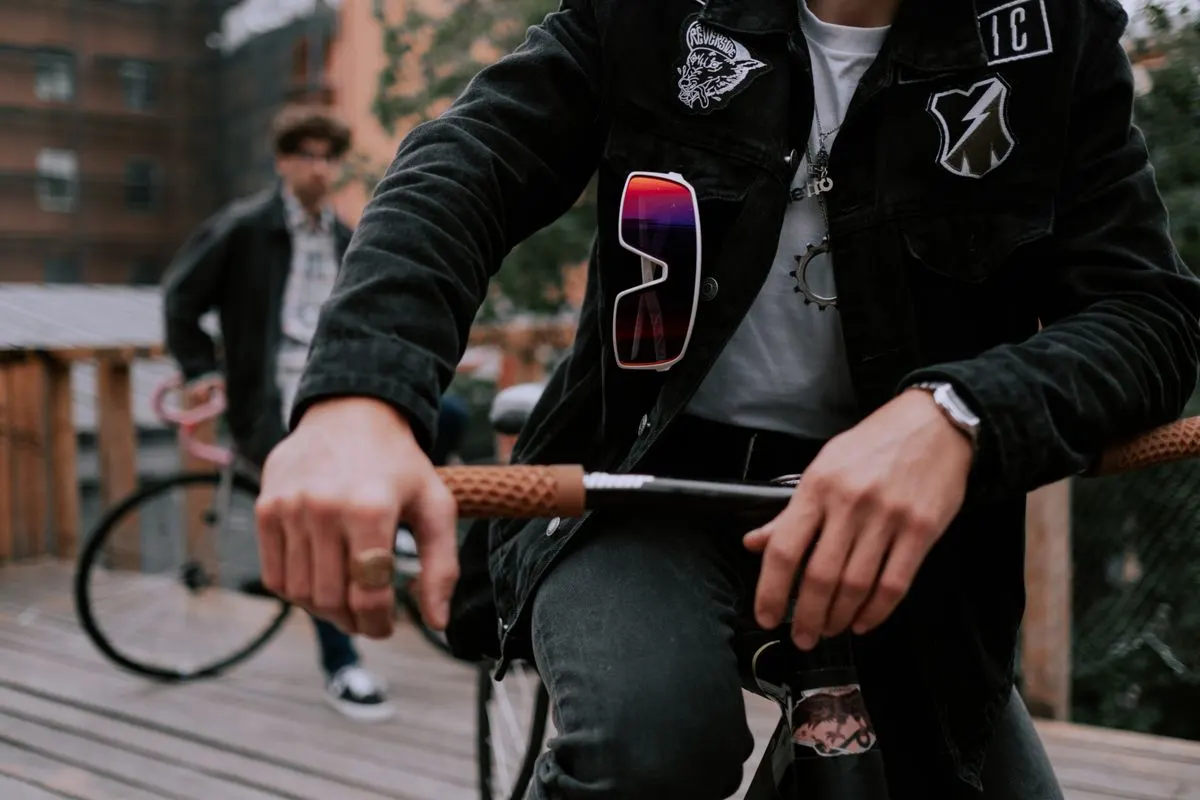
Try glasses with the actual helmet fitted according to its instructions. Frame arms and straps can interact, and the order or placement recommended by a manufacturer should be respected. Do not loosen the helmet's fit to accommodate eyewear. The helmet guide covers preserving its intended position and adjustment.
Check the combination during ordinary stationary head movements. A comfortable forward position may hide pressure or movement when looking to the side. Record what happens without converting a brief trial into a long-distance comfort claim. If the frame shifts or affects the helmet's intended fit, resolve the combination before riding.
Avoid attaching eyewear accessories through unapproved helmet modification. Drilling, cutting, or adding an unsuitable adhesive is not justified by a convenient glasses or mirror location. Use the protective equipment through its documented arrangement and seek maker guidance when compatibility is unclear.
A mirror clipped to glasses can change their weight, fit, and relationship with the helmet. Confirm that both products permit the proposed attachment. A frame arm accepting a clip does not automatically establish suitability. The helmet versus handlebar mirror guide explains why wearable and vehicle-mounted options need different checks.
Test the mirror view and ordinary head movement while stationary. A usable view should not require an unnatural posture or displace the glasses. This guide does not prescribe one universal mirror angle. The exact mounting instructions and the rider's complete arrangement should govern the setup.
If changing glasses, reassess the mirror rather than transferring it automatically. A different arm shape or frame position can alter the attachment and view. Keep the mirror model and intended interface in the ownership record so a future replacement does not begin from a guessed fit.
A larger or more wrapped frame can offer different coverage, but the actual design must still preserve the rider's usable view and fit. Check the visible frame edges and side awareness in the seated position. Do not assume that a larger lens is inherently better or that a narrow frame is inherently less suitable.
Evaluate the tasks you need to perform: looking ahead, checking a mirror, observing a junction, and reading necessary controls while stationary during the comparison. If the frame or lens interferes with a task, describe it to the supplier or optical provider. A general statement that the glasses feel odd may conceal a specific and resolvable issue.
Do not conduct a visibility test by riding into traffic with an uncertain setup. Begin with a stationary assessment and appropriate professional advice where needed. Any introduction should remain within the rider's capability and the products' intended use. An accessory purchase should not create a new reason to accept poor observation.

If considering a lens that changes with conditions, read its documented range, intended use, and limitations. Do not infer instantaneous adaptation or suitability for every transition. The exact product and the rider's needs matter. Ask the supplier how the stated performance relates to the environments you actually use.
A clear purchase question is whether the lens suits a route with shade and a possible late return, rather than whether it is the best technology. Keep the answer with the product record. If the documented conditions do not cover the intended trip, consider another appropriate arrangement or change the timing.
This guide does not provide a clinical comparison of lens technologies or prescribe a tint. If the rider has specific visual requirements, consult an appropriate professional. Marketing claims about contrast or clarity should not be presented as medical evidence or a guarantee of safer riding.
Read the eyewear maker's care and use instructions for wet conditions, ventilation, and any permitted treatment. Do not apply a household coating or cleaner because it worked on another lens. Materials and finishes differ, and an unapproved treatment can affect the product. Keep the actual instructions accessible rather than relying on a general glasses-care rule.
If visibility through the lens becomes inadequate, stop in a suitable location before dealing with it. Do not wipe or adjust glasses while continuing through traffic. The rain guide addresses the wider decision to ride. A water-resistant jacket or clear windshield does not resolve an obscured lens.
Include the helmet hood combination where relevant. Fabric can change ventilation, frame position, and side view. The rainwear comparison helps assess that whole arrangement. Equipment that works independently may create a different result when combined on the rider.
Carry a suitable case or storage arrangement specified for the glasses. Loose lenses in a basket can contact tools, keys, or dirty fabric. A soft pouch may serve a different purpose from a rigid case, so use the maker's guidance. Keep the case accessible without reaching near a wheel or unloading the entire cargo area.
At a stop, avoid balancing glasses on the seat, helmet, or basket edge where they can fall during another task. A repeatable storage habit is useful during shopping, photography, or a support call. The photography trip guide provides an example of keeping riding and equipment handling separate.
Do not hang glasses from a loose cord where it can reach the drivetrain or interfere with controls. If using a retention accessory, confirm its intended use and fit with the frame and clothing. A convenient accessory should not create another unmanaged loop on the rider or vehicle.

Use the cleaning materials and method the eyewear maker permits. A shirt sleeve or a cloth previously used around a chain may carry dirt or lubricant. Keep lens-care items separate from the trike's maintenance kit. The washing guide addresses the vehicle, not every optical coating or frame material.
Inspect for damage, loose components, or a change that affects usable vision. Follow the maker's replacement or service guidance. Do not keep using a compromised lens because the frame remains intact or the product was expensive. A replacement decision should follow the actual condition and appropriate professional advice where needed.
Store the glasses under the documented conditions, including any temperature limitations. A parked vehicle or exposed basket can create conditions different from indoor storage. Read the instructions rather than assuming that a cycling product tolerates every environment associated with a ride.
For each candidate, note model, size, intended lens use, documented claims, helmet fit, seated view, mirror compatibility, care, and unresolved questions. Use the same vehicle setup and ordinary equipment. Distinguish a stationary trial from experience on an appropriate ride, and avoid claiming long-term performance from a short fitting session.
Check the supplier's current return and prescription conditions before purchase. Keep packaging and documentation while compatibility remains unresolved. If a product does not suit the helmet or posture, report the specific issue rather than modifying several components at once. A clear comparison makes the next choice more informed.
After selecting the glasses, revisit the arrangement when changing the helmet, mirror, headrest, or riding posture. The service-record guide can hold the model information alongside other ownership details. A good previous fit is useful evidence, but it should not be assumed unchanged after the surrounding equipment changes.
Tell the supplier or optical provider the actual riding posture, helmet, any headrest, prescription needs where relevant, and the ordinary route conditions. A generic request for cycling sunglasses can omit the very feature that makes a frame unsuitable. A recumbent rider may have a different contact point near the seat, while an upright rider may need to compare the frame with a particular helmet strap arrangement.
Bring the actual equipment to a suitable fitting opportunity where practical. Compare the same stationary tasks with each candidate: normal forward view, side observation, mirror use, reading necessary controls, and ordinary head movement. Record what was checked and what remains uncertain. Do not convert a brief fitting into a claim about optical performance in every weather or lighting condition.
Keep the product's documented claims beside the observations. A stated UV property, an impact-related standard, and an intended lens-use category should each be identified through the exact model information. Do not fill an absent specification from a similar-looking frame or a broad retailer category. If the documentation does not answer a requirement, ask the maker or select a product with appropriate confirmed information.
For a changing-light lens, describe the route transitions rather than asking only whether the technology is good. A ride can move from an open street into tree shade and finish later than expected. The supplier should explain the actual product's intended use and limitations. The rider still needs to stop or change the trip if the view becomes inadequate; a technology label is not permission to continue when observation is poor.
A practical comparison might involve two suitable frames with different temple shapes. One feels comfortable while standing but contacts a recumbent headrest in the intended position. The other clears the headrest but needs a different supported mirror arrangement. The choice should include those complete configurations, not a universal claim that one frame shape suits all recumbents.
Plan replacement and spares as identified products. If an old pair remains in a bag for emergencies, check that its condition and intended use still suit the task. Scratched or otherwise compromised lenses do not become appropriate simply because they are backups. Keep the case, care instructions, and exact model information available rather than an unidentified pair mixed with tools.
Finally, keep individual visual concerns outside the product-score sheet. A change in sight, recurring irritation, or a prescription question deserves appropriate professional assessment. The equipment comparison can document fit and published specifications without pretending to diagnose the rider or prescribe a lens. That boundary makes the buying advice more useful because the relevant questions reach the right provider.

Retain the exact frame and lens identification, applicable instructions, and any individual fitting information supplied by the relevant provider. A retailer's broad product name may cover several lens options, so a future order should not be based on the frame color alone. Keep personal optical information private and separate from a public equipment review.
If the original model becomes unavailable, compare the alternative through the same complete setup rather than assuming a similar shape is equivalent. Helmet fit, mirror attachment, seated contact, intended lens use, and care can all differ. A current supported replacement is more useful than trying to recreate an old arrangement through unapproved frame bending or accessory modification.
Keep the current selection notes with the rider's ordinary equipment information, and revisit them when the surrounding setup changes.
Research-based equipment guide, 15 October 2026. No optical, UV, impact, medical, or hands-on eyewear testing was performed.
Guide
Choose your first adult tricycle by checking rider fit, storage, weight limits, gears, brakes, assembly, and service before buying.

Guide
Learn how to compare adult electric tricycles for control, fit, batteries, braking, transport, and ownership support.

Guide
Understand the leg and hip muscles used when pedaling a tricycle, plus how fit, resistance, and electric assistance change the effort.