



Guide
First Adult Tricycle Buying Guide
Choose your first adult tricycle by checking rider fit, storage, weight limits, gears, brakes, assembly, and service before buying.
We research everything we recommend. When you buy through our links, we may earn a commission. Learn more
Guide
Check recumbent headrest compatibility, seat setup, helmet clearance, observation, care, replacement parts, folding, and a repeatable refitting routine.

Updated · 12 min read
A recumbent headrest should be selected and adjusted as part of the complete seat and rider setup. Its usefulness depends on the exact seat, mounting system, riding position, helmet, practical observation, and the manufacturer's intended use. A headrest that fits a bracket is not automatically positioned appropriately for the person using the trike.
Begin with the seat identity and the task you want to address. Ask whether a compatible headrest is available, how it is installed, and what checks establish the intended position. This guide explains that ownership process; it makes no clinical promise about neck pain or posture. The mesh-seat care guide covers the adjacent seat assembly.

Record the trike model, year or revision, seat model, size, and any previous change. A manufacturer can offer mesh and hard-shell seats with different mounting arrangements. A previous owner may have replaced the seat, so the original frame specification does not prove what is fitted. Use markings, records, and clear photographs to obtain identification where necessary.
HP Velotechnik's comfort-accessory information distinguishes headrest arrangements for named seat families and describes adjustment features. Treat that as evidence that seat identity matters, not as universal compatibility across brands or revisions. Ask about the exact part and applicable instructions. A product advertised for recumbents may still exclude your seat or require different hardware.
Confirm what the purchase includes: mounting bracket, support structure, pad, cover, hardware, and any required adapter. A photograph of a complete assembly can accompany a listing for only a replacement cushion. Identify the missing parts before ordering. An incomplete set should not be completed with household bolts or a visually similar bracket without approved specifications.
Describe the practical issue precisely: a desired support position, interference with a helmet, difficulty looking around, or a concern after changing recline. Avoid assuming the solution must be a larger pad or a longer extension. A fitting assessment can determine which part of the complete setup needs attention. Where pain or a health condition affects suitability, obtain relevant qualified advice separately.
Do not treat a headrest as a repair for an abnormal seat or mounting joint. Inspect the base configuration and preserve unresolved concerns. A moved seat, damaged strap, or loose attachment can affect support and needs its own procedure. Adding another accessory can obscure the cause while increasing the complexity of the setup.
Keep comfort observations factual. Note when the sensation appears, the configuration, clothing, helmet, and recent changes. A short trial cannot establish comfort for every distance or a clinical effect. It can reveal obvious interference and whether another fitting step is needed. The test-ride guide helps record those observations honestly.
Have the seat, pedal reach, and control layout set through the manufacturer's instructions before judging the headrest. A headrest adjustment made around an unsuitable base position can be misleading. On a recumbent, changing the seat relationship can affect other parts of fit and the drivetrain. Do not move the seat casually solely to bring the pad closer.
Use the actual permitted riding shoes and helmet during the stationary assessment. Clothing and headwear can influence practical contact and movement. If the headrest seems satisfactory without the helmet but interferes when the helmet is worn correctly, resolve that combined setup. Do not loosen or reposition a helmet outside its fit instructions to accommodate an accessory.
The sizing and fit guide addresses the complete relationship. The headrest is one element within it. Ask the dealer to identify which adjustments are permitted and which are at their limits so a later change does not depend on an unsupported position.

Read the instructions for the actual adjustment mechanism. It may use clamps, fasteners, quick releases, or another arrangement. Learn the specified securing and final checks rather than tightening until the part feels stiff. Some products permit quick adjustment, but that feature does not remove the need to confirm the retained position.
Do not invent a universal angle or contact point for every rider. The intended setup depends on the seat and manufacturer's guidance. Where instructions do not resolve your practical issue, ask for fitting support. A comfortable-looking photograph of another rider cannot establish the correct position for you.
If the part will not stay in the intended position, inspect through its procedure and seek service. Do not add extra force, arbitrary shims, ties, or threadlocker to compensate for unidentified movement. A damaged clamp or incompatible assembly is not corrected by a more aggressive adjustment. The torque-wrench guide explains why exact fastening information matters.
Assess whether the complete setup allows the movements needed for appropriate observation and vehicle operation, following the trike's instructions. A pad or support that interferes with a helmet or head movement should not be accepted solely because it feels supportive while looking straight ahead. This guide does not prescribe a universal neck-motion test or clinical range requirement.
Mirrors can support awareness but do not automatically remove every need for direct observation. The mirror guide explains their setup as a separate accessory. Do not use a new headrest as the reason to abandon the vehicle's observation routine. If practical access or movement is unresolved, obtain suitable fitting or training before use.
Check mounting and dismounting too. A rear support can occupy space used during entry or handling, depending on the design. Follow the intended procedure rather than gripping the headrest as a convenient handhold. A component designed to support a particular contact is not automatically a lifting or pushing point.
A flag mount, seat bag, rain cover, bottle arrangement, or transport restraint can share the area around a recumbent seat. Confirm compatibility for the complete combination. Independent product approval does not necessarily resolve shared mounting points or contact between accessories. Ask the relevant makers when the documents do not address the combination.
Check loose straps and closures through their intended securement. A headrest can conceal an attachment or cause a bag to sit differently. Keep all items clear of moving parts and required access. The pannier guide and bottle-cage guide provide related fit questions without authorizing a combined installation.
Do not add a cover or cushion that changes the pad shape without confirming its suitability. A fabric item can have its own permitted use and care requirements. A rain cover intended for parking is not automatically a riding accessory. Identify the exact task and instructions before adding another layer to the setup.

Read the care instructions for the pad, cover, support, and nearby seat components separately. A removable pad may have a different cleaning method from the frame or mesh. Do not apply a universal machine-washing temperature or spray treatment. Follow the exact material and product guidance and resolve uncertain stains with the maker.
Allow permitted drying before refitting or storage. Inspect the closure, attachment, pad condition, and support as directed. A clean surface does not prove the attachment is sound. If a cushion is damaged or no longer retained appropriately, obtain the specified replacement rather than adding an unapproved tie.
For replacement, provide the headrest identity, seat model, revision, and required item. Ask whether you are buying a pad, cover, mounting part, or complete assembly. Similar-looking cushions can have different dimensions and fastening. Keep the compatibility answer and part reference so future maintenance does not repeat the same uncertainty.
Determine whether the headrest must be removed or adjusted during the approved folding or transport routine. Follow the exact method and retain the required parts. A compact photo of a folded trike may omit an accessory that affects the process. The folding-hinge guide covers the joint inspection as a separate task.
Check the approved carrier's contact and restraint locations. Do not clamp or strap a headrest as though it were a structural frame member. The carrier-fit guide explains the complete vehicle/rack/trike relationship. A riding setup can be compatible while still requiring accessory removal for transport.
After refitting, repeat the required position, securing, and clearance checks. An adjustment returned approximately to its previous location is not necessarily the documented setup. A photograph can help remember the arrangement, but the procedure remains the authority. If an accessory shifts during transport, investigate its condition instead of assuming another retightening is sufficient.

Ask about replacement pads, covers, mounting parts, instructions, and installation support. A comfortable demonstration can still leave an inconvenient ownership routine if parts cannot be identified or obtained. Compare the exact support arrangement and current quotes, including any required fitting or professional installation.
Consider whether the adjustment method can be used and checked consistently. A feature that is easy for one rider may be awkward for another. Assess the normal task while stationary with the intended clothing and helmet. Do not let a quick-release label substitute for a demonstration of the actual securing routine.
Avoid broad affiliate claims such as best headrest for all seniors. Age does not identify seat compatibility, helmet clearance, or rider position. Explain the specific scenario and unresolved fitting questions. This article does not rank products or claim a tested treatment effect.
Imagine a rider changes to a correctly fitted helmet and finds that it contacts the headrest differently. Keep the helmet's intended fit and review the complete stationary setup. Identify the permitted headrest adjustments and whether the seat configuration has changed. Do not loosen the helmet or force the pad backward beyond the accessory's limits.
If approved adjustment resolves the practical interaction, complete all securing and observation checks. If it does not, seek a suitable fitting assessment or a documented alternative. The example illustrates a compatibility process, not a diagnosis or a universal adjustment direction. Its useful result is a setup that preserves both the equipment instructions and the rider's operating routine.
Record the seat, headrest, pad, helmet used during fitting, adjustment source, and relevant accessory arrangement. Update the note after a change and retain any service report. This is particularly useful for shared vehicles and for a trike whose seat is removed during transport. It makes the required recheck visible instead of relying only on memory.
A headrest decision is complete when seat compatibility, fitting, observation, securing, care, and ownership tasks are resolved for the actual configuration. The aim is practical support within the intended use, not adding an accessory because every recumbent photograph appears to have one.
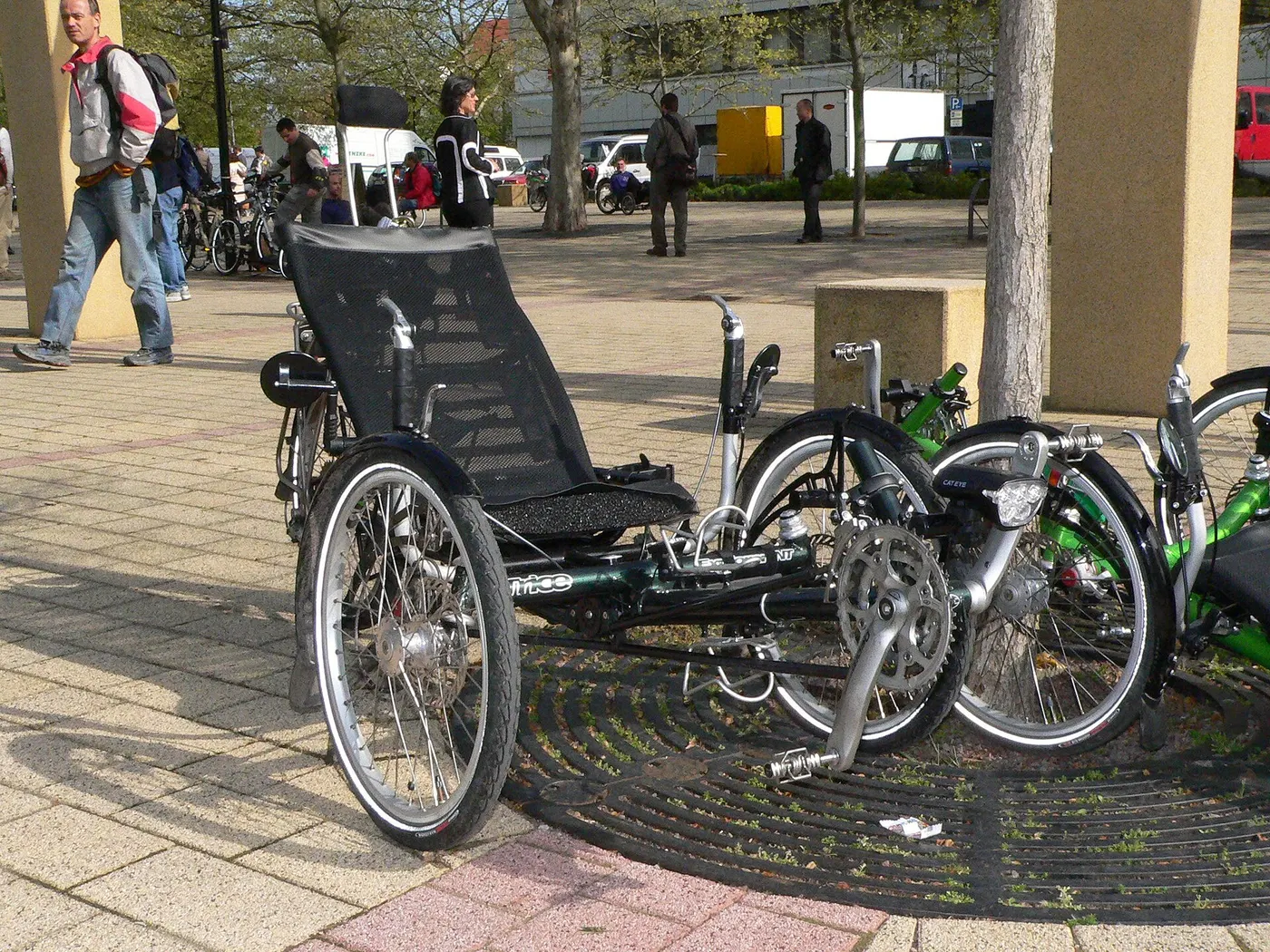
Describe the exact seat, headrest, helmet and practical issue, including when it occurs and what changed beforehand. A photograph can show the stationary arrangement, but it should not be presented as a clinical diagnosis or proof of correct contact. Give the fitter the actual task: helmet interference, an awkward observation movement, or a concern after a seat change. This is more useful than asking for the most supportive accessory without identifying the installed configuration.
Keep previous adjustments in the history. State which part was moved, whether the procedure was known, and whether the intended securing checks were completed. Do not restore an approximate old position simply to make the brief look uncomplicated. The provider needs the current configuration and the change that preceded the observation. An honest record allows assessment of the complete setup without assuming the pad is the only relevant part.
Ask which follow-up will resolve the issue. It may involve an approved adjustment, another compatible part, a seat-fit review or qualified advice where a health concern is involved. Do not promise that a larger cushion will address discomfort before that assessment. The fitting process should make the next evidence requirement clear, rather than turning each unresolved sensation into another accessory purchase.
Record what each option includes and which seat revision it supports. Compare the mounting structure, permitted adjustment, pad, cover, required hardware and installation scope. A low pad price may omit the bracket needed for your seat, while a complete assembly may include parts you do not need. The quote should make those differences explicit so the purchase is based on the actual replacement task rather than a product photograph.
Check how the intended position is secured and verified. A quick adjustment can be convenient, but only if the rider or helper can complete its check reliably. A tool-adjusted arrangement can also be practical where it is supported and rarely changed. Do not rank the mechanisms by convenience alone. The relevant question is whether the exact procedure fits your ordinary routine without interference or unsupported movement.
Ask how damaged or worn parts are replaced. A removable cover and pad can have different identities, and the mounting hardware can require its own service. Keep those references with the record. Serviceability is part of the accessory decision because it determines whether a later condition change can be addressed clearly, without improvising fabric ties or searching for a visually similar cushion whose fit remains unknown.
If the approved transport process removes or adjusts the headrest, identify where each part goes and which checks are required on return. Keep small hardware with its intended assembly and protect it through the instructions. A photograph of the documented setup can help memory, but it should not become the sole fitting method. The final position and securing still need the actual procedure.
Have the rider use the intended helmet and seat position during the appropriate stationary recheck. Confirm that nearby bags, flags and bottle mounts remain in their approved arrangement. Transport can change more than the headrest, so do not treat one restored clamp as complete vehicle readiness. Follow the normal pre-ride checks and keep any abnormal condition unresolved until appropriately assessed.
For shared ownership, make the completion status clear. A helper who unloaded the trike may not know whether fitting has been restored, while the rider may assume the accessory is ready because it is attached. A concise note prevents that assumption without an elaborate checklist. The useful outcome is a repeatable transition between transport and riding that preserves compatibility, practical observation and the documented fit.
A new cushion, seat bag or protective item can alter the supported position or nearby space. Confirm compatibility and repeat the relevant stationary fitting checks with the actual helmet and clothing. Do not assume that the previous headrest answer remains unchanged because the headrest itself was not replaced.
Keep the new accessory's care and use instructions separate. A cover intended for parking may need removal before riding, while another item may have a permitted installed role. Resolve that distinction before using it as part of the headrest setup.
Update the configuration note after the arrangement is established. This helps shared users and service providers understand what was assessed and what changed. It also keeps comfort observations connected to the actual setup rather than attributing every difference to the headrest pad alone.
Research-based fit guide. No headrest, pad, comfort duration, clinical effect, or helmet combination was tested. Exact product instructions and suitable fitting govern the setup.
Guide
Choose your first adult tricycle by checking rider fit, storage, weight limits, gears, brakes, assembly, and service before buying.

Guide
Learn how to compare adult electric tricycles for control, fit, batteries, braking, transport, and ownership support.

Guide
Understand the leg and hip muscles used when pedaling a tricycle, plus how fit, resistance, and electric assistance change the effort.