



Guide
First Adult Tricycle Buying Guide
Choose your first adult tricycle by checking rider fit, storage, weight limits, gears, brakes, assembly, and service before buying.
We research everything we recommend. When you buy through our links, we may earn a commission. Learn more
Guide
Fit a trike bottle setup around approved mounting, cage and bottle dimensions, retention, stopped reach, movement clearance, and care.

Updated · 12 min read
A water bottle setup for an adult tricycle needs to match more than a bottle's diameter. The complete arrangement includes the approved attachment point, bracket or adapter, cage or pocket, bottle shape, retention, rider access, and clearance from the vehicle's moving parts. A mount that bolts on is not automatically suitable in every seat or steering position.
Begin with the exact trike and the task you want to solve: carrying a bottle, reaching it at a safe stop, or fitting a different storage arrangement. This article focuses on equipment compatibility and a practical drinking-stop routine. It does not prescribe a fluid intake or provide medical hydration advice. The accessory-compatibility guide explains the broader mounting process.

Read the vehicle and accessory instructions to find which locations can accept the proposed mount. Bottle-cage bosses, accessory bars, seat fittings, and clamp surfaces can have different intended roles. A pair of threaded holes is not automatically available for any load, and a convenient frame tube is not necessarily an approved clamp point. Confirm the exact location before choosing a product.
Record the trike model, revision, seat configuration, and existing accessories. A seat bag can occupy the same bosses a bottle mount would use. A display, light, or mirror can compete for handlebar space. The available location is the one that remains suitable in the complete configuration, not an empty area in a photograph taken before the other equipment was fitted.
TerraTrike's angled bottle-cage bracket provides a useful example of model exclusions: its current page identifies compatibility exceptions. That is why the brand and accessory name alone are insufficient. Read the exact listing and instructions and confirm your model rather than transferring the claim to every trike or every TerraTrike revision. No product in this article is certified for a reader's vehicle.
A cage retains a compatible bottle. A bracket can reposition that cage, an adapter can connect it to a different approved surface, and a fabric pocket can provide another storage arrangement. These parts do not necessarily share the same fit or retention method. Determine what the product actually includes so you do not buy a bracket expecting a complete cage and bottle setup.
Read required hardware and installation instructions before ordering. If a cage uses a particular adapter, verify that both parts are approved together and that the trike permits the resulting arrangement. A component with many adjustment positions can still have limits. Do not assume that every possible angle or extension is intended merely because the hardware allows it to move there.
A soft pocket requires its own fastening, load, and clearance checks. The fact that fabric can wrap around an area does not make that area suitable. Loose straps must remain controlled, and the pocket's contents must be retained through its intended use. Compare a pocket and cage by the real task, including removal, cleaning, and access, rather than calling one universally more convenient.
Check the bottle's diameter, profile, height, closure, and intended cage compatibility through the relevant instructions. A bottle can fit into a cage yet be too loose, difficult to remove, or obstructed by a nearby component. An insulated bottle or one with a handle may occupy a different envelope from a conventional cycling bottle. The listed liquid capacity alone does not establish physical fit.
Follow the cage or pocket's retention check without performing an unsafe moving test. Learn the intended insertion and removal method while stationary. If a bottle rattles, shifts, or cannot be removed without striking the vehicle, resolve the fit rather than relying on a stronger grip during use. A secondary strap is not automatically an approved solution for an incompatible bottle.
Read the bottle's care and temperature-use instructions separately. A mount does not determine whether the bottle can carry a hot drink, be cleaned in a dishwasher, or withstand a particular environment. Keep those product questions distinct from vehicle compatibility. This article makes no food-contact, insulation, or leak-proof performance claim about an untested bottle.
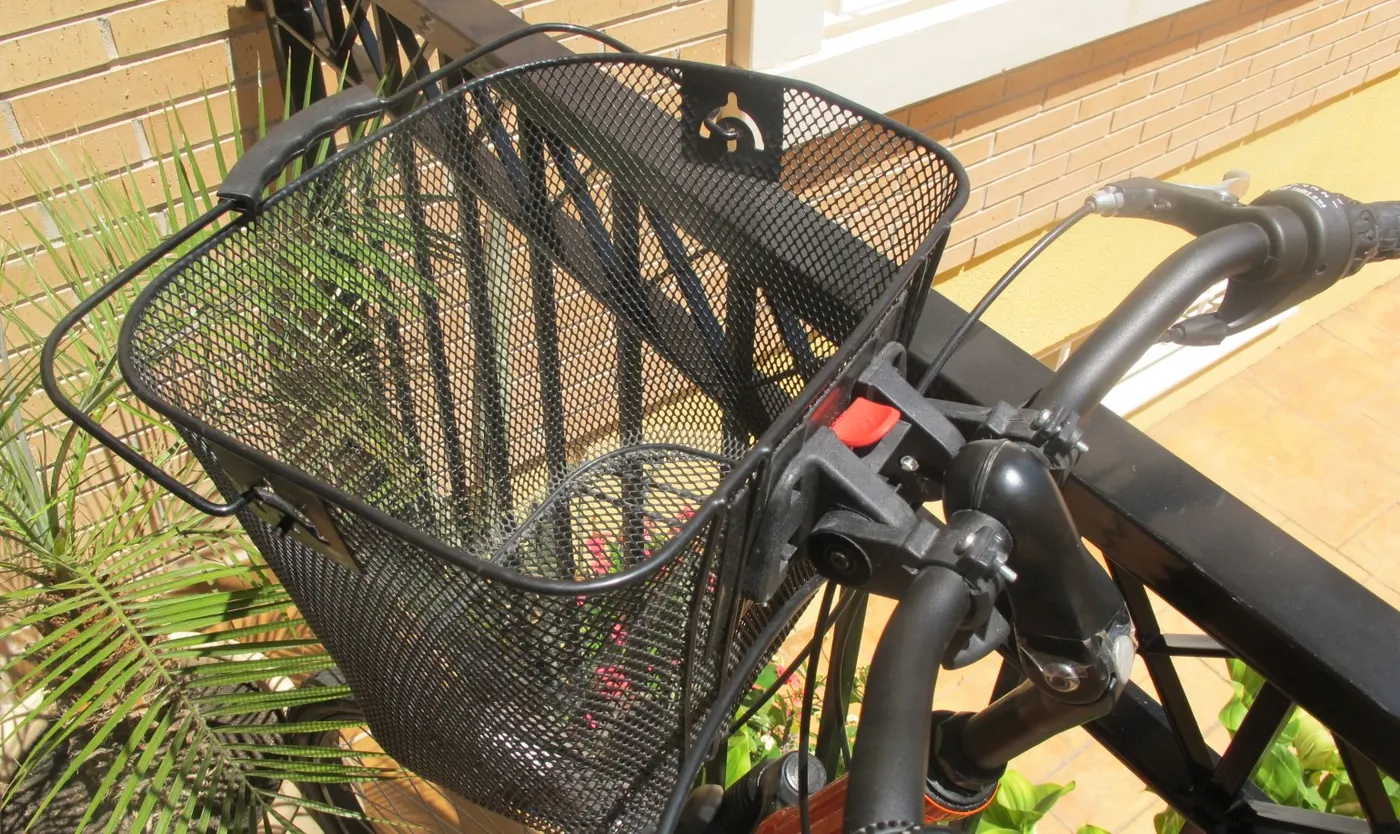
Secure the vehicle appropriately and assess the proposed location from the normal riding position while stationary. Check whether you can remove and replace the bottle without an awkward movement or contact with controls. A location that appears close from above may require a difficult reach from a reclined seat. Tell the dealer what movement is uncomfortable rather than assuming a longer bracket will solve it.
Plan bottle access at a safe stop. You do not need to optimize the setup for drinking while the vehicle is moving. Stopping removes an unnecessary competition between reaching, holding the bottle, and operating the trike. Identify a suitable stopping place on the route and follow the normal parking procedure before using the bottle. A mount's easy-reach marketing should not override a safe attention routine.
If a different seat position or adaptation is proposed, obtain the relevant fitting and compatibility assessment. Do not move a seat or control casually to make the bottle easier to reach. Those changes can affect pedal reach, steering, entry, and other accessories. The sizing and fit guide addresses the complete setup rather than treating bottle placement as an isolated adjustment.
Follow the instructions for steering, pedaling, suspension, folding, entry, and any other movement relevant to the installation. Consider the bottle in place as well as the empty cage. A cage may clear a component while a taller bottle does not. Include the hand movement needed to remove it and any cap, loop, or handle that extends beyond the main body.
Do not place the arrangement near a chain, wheel, cable, or control simply because the bottle can be reached there. Loose fittings or fabric straps can shift. The final installed position must remain within the intended use and clearance requirements. If the maker's procedure cannot be completed with your configuration, select an approved alternative rather than trimming a part or adding arbitrary ties.
Folding and transport deserve separate checks. A bottle may need removal before the trike is folded or loaded, and the cage itself can conflict with a carrier contact point or strap. The folding guide and carrier-fit guide explain those ownership tasks. A riding fit conclusion should not silently become a transport fit conclusion.

Identify the supplied or specified hardware and the intended mounting surface. Follow the accessory and vehicle instructions for positioning, joint condition, tightening, and final checks. Do not borrow a torque value from another cage or add lubricant or threadlocker unless the exact procedure calls for it. A small accessory fastener can still damage a mounting point when treated casually.
The torque-wrench guide explains the role of a suitable tool and complete specification. Tightening harder is not a general cure for a mount that repeatedly moves. The cause may be incompatible parts, damaged hardware, an unsuitable surface, or incorrect assembly. Stop and have the arrangement assessed if it cannot retain the intended condition.
Where installation is outside owner scope, ask a suitable provider to fit it. Give the complete parts list and configuration rather than only the cage. Obtain a record of any required adapter and the final location. This helps when the seat or another accessory later changes and compatibility must be reassessed. The repair-shop guide helps establish that service request.
Include filled bottles and their mounts in the applicable payload assessment. Do not assume that a low accessory weight makes every location unrestricted. A bracket or seat mounting point can have its own limits, and the complete trike has relevant load requirements. Use the exact instructions and the payload guide rather than adding weight wherever space remains.
If you want to carry multiple bottles, assess each location and the resulting configuration. Extra storage can conflict with bags, lights, or the rider's movement. A second cage is not merely the first installation repeated somewhere convenient. Confirm the intended mounting and any restrictions on combining accessories. Keep the load placement practical for the trip and the required handling routine.
Distinguish equipment capacity from how much fluid a person should consume. Individual needs can depend on health, activity, and other circumstances, and this article does not calculate an intake. Use relevant qualified advice where needed. The equipment task is to carry the planned permitted contents in a compatible, retained arrangement and provide a suitable way to access them at a stop.
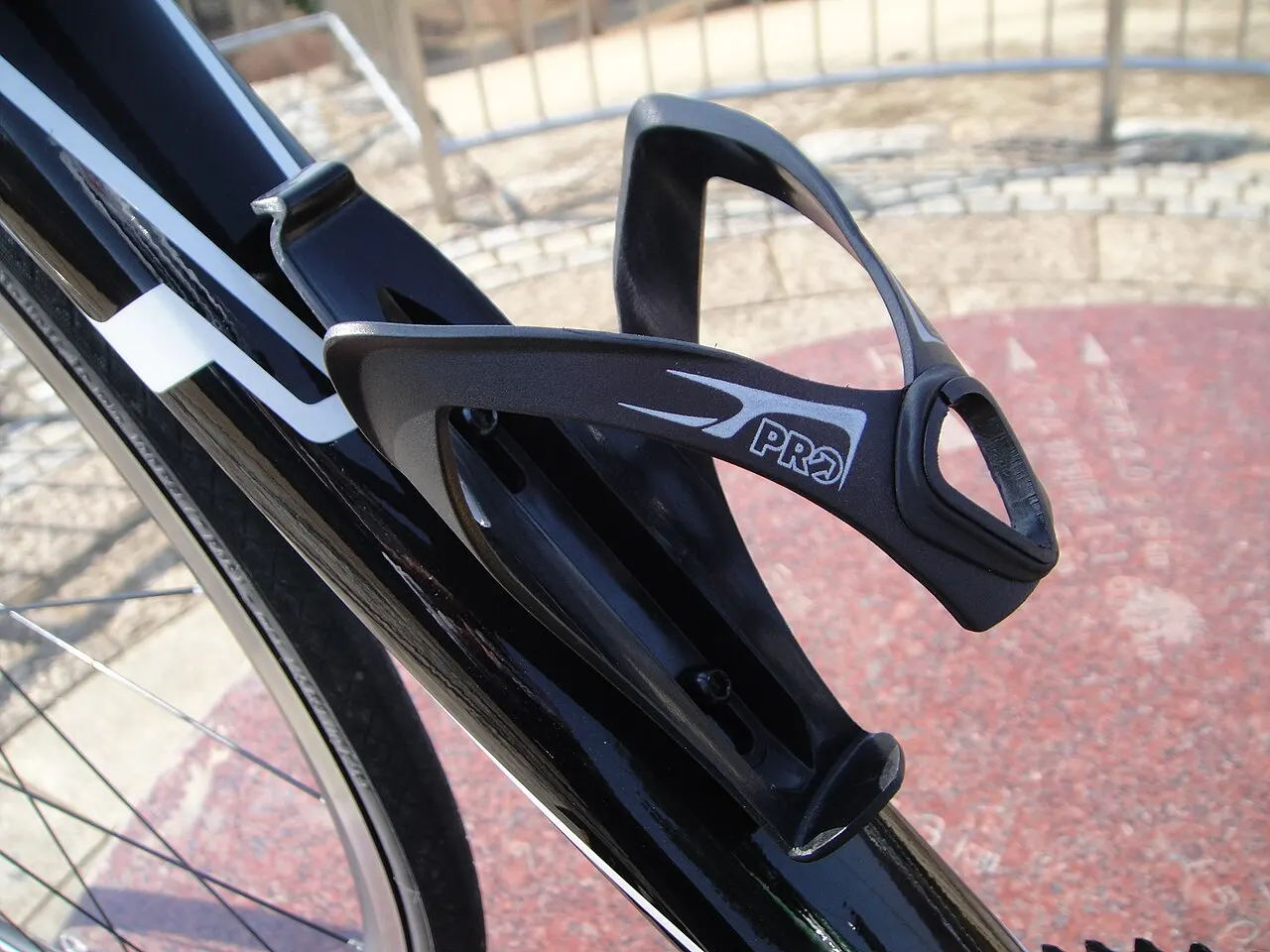
Clean the bottle through its own procedure, including the closure and any removable parts. Clean the cage, pocket, or bracket through its material and vehicle restrictions. A bottle's dishwasher instruction does not apply to a cage bolted to the trike, and a frame cleaner is not automatically suitable for the bottle interior. Keep the tools for these tasks appropriately separate.
Allow permitted drying before storage and inspect retention parts for wear or damage. A fabric pocket can hold moisture or debris against a nearby surface if left unmanaged. Remove it only through its instructions and examine the accessible area where relevant. The washing guide and corrosion guide address the adjacent care tasks.
Check the configuration after cleaning, removal, or transport. A bracket repositioned for access needs the required installation and clearance verification before riding. Do not assume that tightening it approximately where it used to be restores the approved setup. Keep a photograph of the documented arrangement as a memory aid, while continuing to use the actual procedure.
Record the exact trike and seat, approved location, proposed bracket or adapter, cage or pocket, bottle dimensions, hardware, and unresolved questions. Mark whether each answer comes from instructions, a manufacturer reply, or your own stationary observation. These sources answer different parts of the decision. An observation that the bottle fits does not establish the mounting point's permitted load.
| Item | Information to establish |
|---|---|
| Vehicle and location | Exact model, configuration and permitted attachment |
| Mounting chain | Required bracket, adapter, cage and hardware |
| Bottle | Dimensions, profile and documented retention fit |
| Rider access | Practical removal and replacement at a safe stop |
| Movement | Required clearance in riding, folding and transport |
| Care | Separate instructions for bottle and installed accessories |
Send the worksheet and useful photographs to the supplier when the listing is incomplete. Ask for a precise answer about the proposed combination rather than whether the item fits trikes. Keep exclusions visible. If the answer remains unresolved, choose a documented alternative or defer the purchase. A small inexpensive accessory can still be the wrong product for the mounting location.
Imagine a rider's preferred bottle is tall, while the approved cage location behind the seat is difficult to access. First identify which compatible repositioning options the maker permits. Compare the exact bottle envelope and the rider's stationary reach in the proposed setup. Do not simply install the longest extension or rotate the cage toward a moving wheel to make removal easier.
An approved alternative might be a different compatible bottle, a model-specific bracket, or permitted storage accessed at a stop. The right choice depends on the exact configuration and the rider's task. If no approved arrangement provides practical access, ask a dealer about suitable options rather than improvising a clamp onto an unidentified surface. The example illustrates a buying process, not a recommendation for a specific product.
After fitting, retain the exact combination and recheck whenever the seat, bottle, or nearby accessories change. The setup is complete only when mounting, retention, clearance, and the stop routine are all workable. That is more useful than choosing a cage solely because it appears in a photograph of a similar recumbent.

Some cages and storage arrangements have a particular intended direction of access. The space needed to insert or remove a bottle can be larger than the space it occupies when seated. Inspect that movement while stationary in the actual configuration. A bottle that sits neatly under a seat or near a frame tube may still be difficult to remove without striking an accessory or requiring an awkward posture.
Ask the seller which bottle shapes and access arrangements the exact cage supports. A side-access description can be relevant, but it does not prove clearance on your trike. Compare the required removal envelope with the approved mounting location, nearby components, and your stopped reach. Do not rotate the assembly into an unapproved position merely to imitate another rider's photograph.
Record the bottle and cage as a pair. If you later buy a taller or wider bottle, reassess retention and removal instead of assuming that the same advertised volume implies the same fit. A handle or closure loop can also change the envelope. The small details matter because the actual task includes taking the bottle out and putting it back, not only carrying it.
If a cage location does not work, a permitted bag or basket arrangement can be considered through its own instructions. Check the container's fit, securement, load placement, and access at a stop. Do not simply lay a bottle loose where it can shift or where a closure could contact another part. The alternative should resolve the practical task without creating an unexamined cargo problem.
Include leakage handling and cleaning within the product instructions. A bottle or bag that has its own care requirements should be managed separately from the trike's electrical and mechanical parts. If a spill reaches a sensitive area, follow the relevant component guidance rather than treating a wiped outer surface as proof that everything is ready to use. This is a reason to choose a suitable storage location, not a claim that any particular bottle will leak.
Compare the recurring effort. A cage may offer straightforward stopped access but require exact fit; a bag may fit the route routine while adding opening, restraint, and cleaning tasks. The useful choice depends on what you can perform consistently. Avoid declaring one system superior from a promotional image that does not show your seat, controls, or storage arrangement.
Identify suitable stopping locations with room for the trike's width and the normal parking procedure. Do not obstruct a narrow shared path simply because the bottle is easy to reach there. Choose a place where the task can be completed without competing with traffic, steering, or observation. Then return the bottle to its documented retained position before continuing.
If more than one person uses the trike, explain the arrangement and any configuration restrictions. A taller household bottle or a moved seat can change fit. Keep the compatible combination visible in the notes so another user does not assume every bottle belongs in the same cage. A simple identified setup is easier to maintain than a collection of interchangeable-looking parts with unresolved dimensions.
After transport or cleaning, verify the required mount condition and clearance again. These tasks can shift an adjustable bracket or loosen a fabric attachment. Correct the arrangement through the instructions before riding rather than making repeated adjustments during the trip. The mount's value comes from a predictable routine, not only its initial convenience.
Research-based accessory-fit guide. No mount, bottle retention, leakage, insulation, or hydration outcome was tested. Product examples do not establish approval for a reader's complete system.
Guide
Choose your first adult tricycle by checking rider fit, storage, weight limits, gears, brakes, assembly, and service before buying.

Guide
Learn how to compare adult electric tricycles for control, fit, batteries, braking, transport, and ownership support.

Guide
Understand the leg and hip muscles used when pedaling a tricycle, plus how fit, resistance, and electric assistance change the effort.