
Guide
First Adult Tricycle Buying Guide
Choose your first adult tricycle by checking rider fit, storage, weight limits, gears, brakes, assembly, and service before buying.
We research everything we recommend. When you buy through our links, we may earn a commission. Learn more
Guide
A fishing trip adds a different kind of cargo to a tricycle ride. Rods are long, tackle can contain sharp items, and the final approach to the water.

Updated · 11 min read
A fishing trip adds a different kind of cargo to a tricycle ride. Rods are long, tackle can contain sharp items, and the final approach to the water may be less suitable than the road leading there. The useful plan covers both journeys and the stop in between: how equipment is carried, where the trike is parked, how the angler reaches the chosen spot, and how everything returns home.
This guide is for organizing a recreational outing with an adult upright or recumbent trike. It does not approve a rod holder, authorize riding on a fishing path, or replace current fishing and access rules. Those depend on the vehicle, accessory, location, and relevant authority. Start with a small, accessible trip and an equipment list that fits the trike's documented carrying arrangement.
Identify the actual place where you intend to fish, not merely the nearest lake on a map. Check the responsible authority's current access information, fishing requirements, and any cycling restrictions. A path described as accessible for walking may still have gates, steps, narrow boards, or soft ground that make it unsuitable for a trike. Confirm uncertain details before arriving with rods and tackle.
Separate the riding endpoint from the fishing position. You may need to park on a suitable surface and carry a small amount of equipment farther on foot. Do not assume that the trike can be taken onto a pier or parked beside a bank. The width and clearance guide helps assess the approach, but local permission and the actual surface remain separate questions.
Look for a practical turnaround and an exit that remain available later in the day. A location can be easy to enter and awkward to leave when other visitors fill the path. If the only usable route depends on squeezing past people or moving an obstruction, choose another destination. Access should not rely on a special favor at the end of a tiring outing.
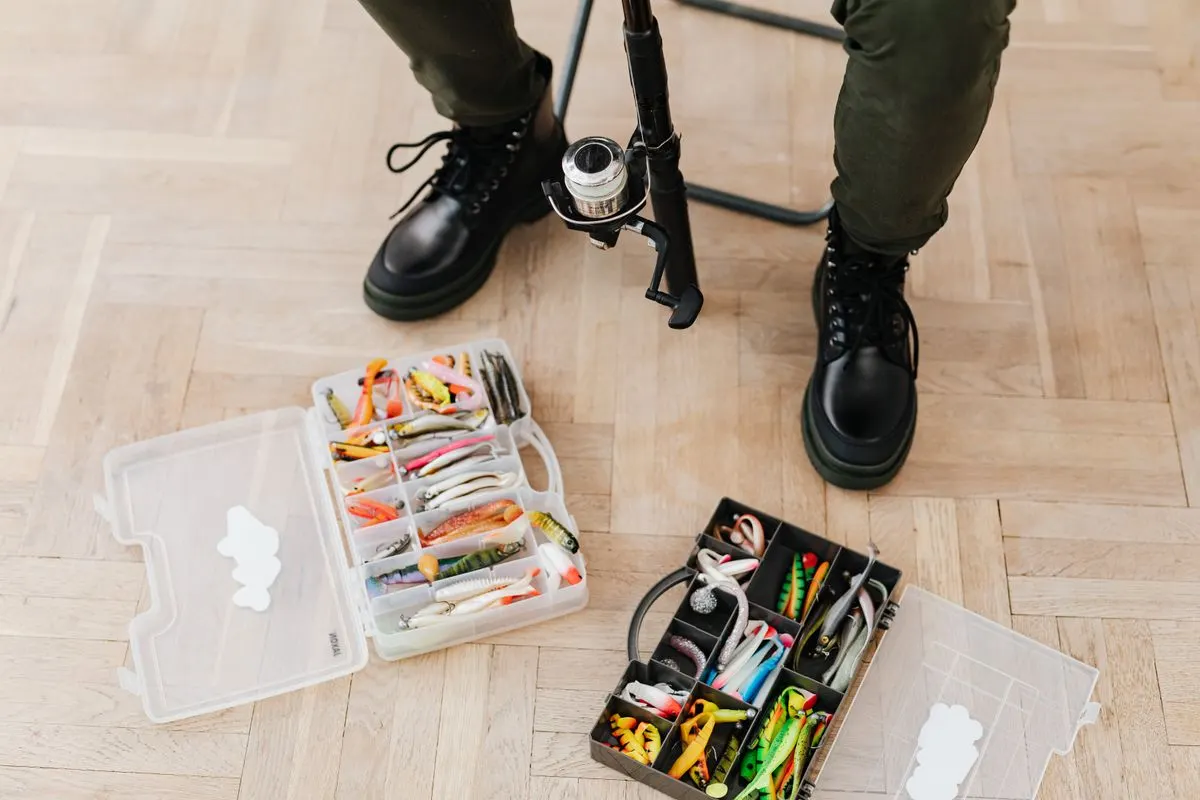
List what is needed for the intended session: the rod arrangement, contained tackle, permitted seating, personal items, and any food or drink. Distinguish essential equipment from items carried out of habit. A trike basket can encourage overpacking because it appears roomy, but volume and supported load are different limits. Plan a trip that can be completed with a manageable set of items.
Include the carrying containers themselves in the load. A rigid tackle box, cooler, rod case, and chair can use substantial space before any additional contents are added. The payload guide explains how vehicle and individual support limits interact. A large total capacity does not authorize putting the entire allowance on one rack or basket.
Write a departure list and a return list. Wet clothing, rubbish, and used equipment may occupy different space on the way home. If you plan to retain fish where permitted, the appropriate handling and transport arrangement must be established separately through current official guidance. Do not treat an ordinary cargo bag as a solution to every food or animal-handling task.
A rod's length and protrusion matter even when it weighs little. Ask the trike and accessory makers whether the proposed holder or case arrangement is supported. A holder intended for a boat, fence, or two-wheel bicycle does not automatically fit an adult trike. The connection and the complete carried shape need to be evaluated together.
Do not attach a long rod to steering components, brake cables, fender stays, or an unfamiliar seat support. A clamp fitting around a tube is not proof that the tube is an approved anchor. The accessory guide explains that distinction. If no suitable documented arrangement exists, change the equipment or transport method rather than improvising a mount.
Consider whether a shorter packed arrangement suits the trip better. A manufacturer-approved case or a rod designed to pack compactly may reduce transport complexity, but it still needs suitable containment and support. Choose equipment by its actual packed dimensions and instructions rather than assuming that a product labeled travel automatically fits the trike.
Measure or inspect the loaded arrangement with every long item in its intended position. Check front, rear, side, and overhead clearance where relevant. A rod case can clear the garage doorway but catch a gate or branch on the route. The outer shape should be understood before the first loaded journey, not discovered through contact with an obstacle.
Account for steering and ordinary mounting. Equipment should not enter the rider's leg space, obstruct a brake control, or prevent the intended steering movement. On a recumbent, the relationship between pedal movement and nearby cargo can differ from an upright vehicle. Follow the exact vehicle instructions and resolve any uncertainty with the supplier or installer.
The cargo retention guide covers straps and loose ends. A rod case that is correctly supported still needs the intended retention arrangement. Do not rely on a bag handle or elastic cord whose purpose and limits are unknown. Check the full setup after packing rather than treating the empty holder as the completed installation.
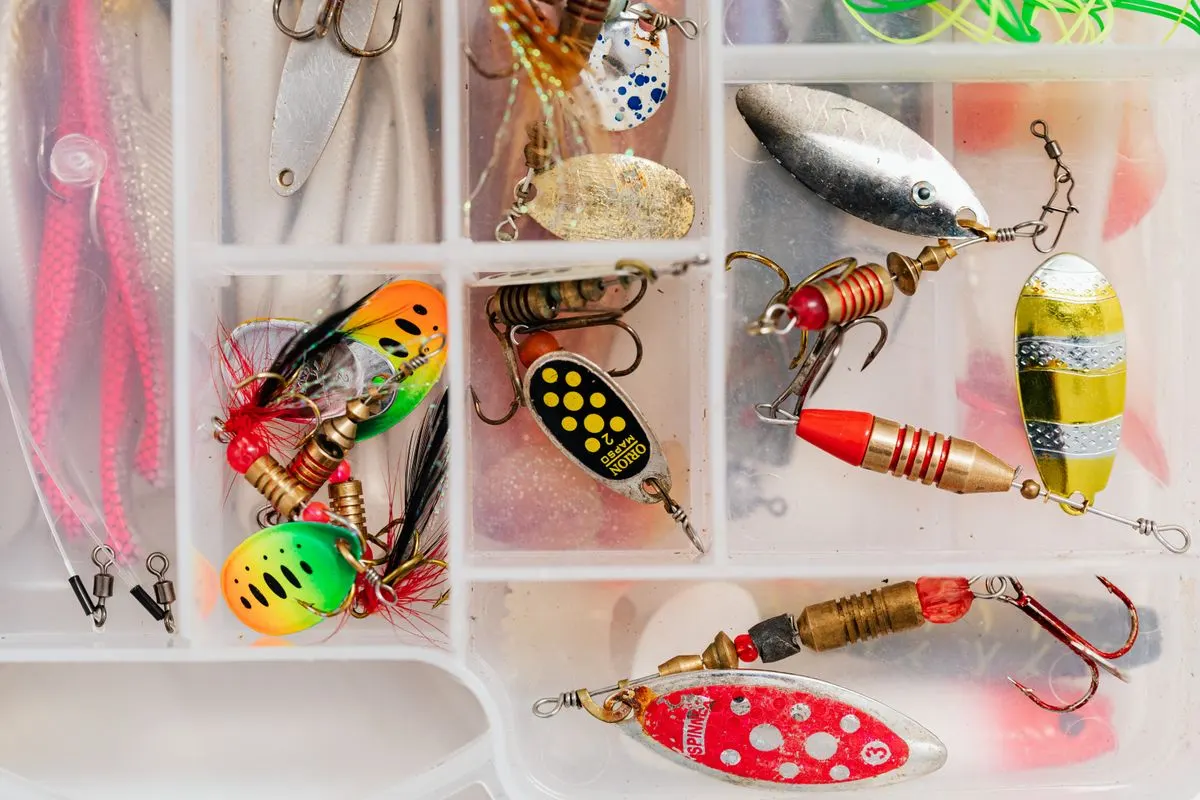
Use tackle storage designed to contain hooks, blades, and other sharp items during transport. Close and inspect it according to its instructions before loading. Loose tackle should not be carried in an open basket where it can fall through, damage other equipment, or create a problem during unloading. Keep the container accessible without reaching near a wheel.
Separate tools and tackle from food and personal items. A divider that merely looks tidy may not provide appropriate containment for a sharp object. Use the intended storage arrangement and avoid filling a compartment beyond the point where it closes properly. A smaller selection of tackle can be easier to manage than a heavily packed box that must be forced shut.
At the destination, open the container only after the trike is secured and you have a suitable place to work. Do not balance an open tackle box on the seat or a narrow basket edge. The riding equipment and fishing equipment should have separate stable positions so a dropped item does not become a reason to reach under the trike in an awkward location.
A trike seat is intended for the vehicle's documented use; do not assume it is a fishing platform. Parking near an uneven bank or leaning over water can introduce circumstances outside ordinary riding. Use a suitable approved resting arrangement for the destination and keep the vehicle on an appropriate parking surface. If a separate chair is carried, include its packed size and weight in the cargo plan.
Check the path between parking and the fishing position. Steps, slippery surfaces, slopes, and crowds may change whether the location suits the outing. This guide does not provide a universal technique for moving a trike down a bank or across a pier. If the final approach is uncertain, choose a different spot or arrange suitable assistance rather than making access the day's experiment.
The mounting and dismounting guide addresses the rider's normal vehicle sequence. Keep that sequence available after the fishing session as well. A chair, rod case, or tackle box should not be left where it blocks the approach to the seat when you are ready to leave.
Review gradients, surfaces, gates, and traffic for the complete load. A route comfortable on an empty trike may be unsuitable when carrying bulky equipment. The gradient guide helps interpret terrain information, while the vehicle maker's operating requirements determine what the actual trike can be used for.
Avoid assuming that three wheels make soft ground or side slopes harmless. A lakeside path can be uneven, narrow, or unsupported at its edge. If the route is outside the vehicle's intended use or your capability, stop and change the plan. A fishing destination is not a reason to continue onto a surface you would otherwise reject.
Choose an initial outing with straightforward access and a practical early return. A familiar short route allows you to assess packing and handling without committing to a remote endpoint. Keep the test within approved use; do not use a heavily loaded fishing trip to discover whether a new cargo mount can survive rough terrain.
Fishing can involve long stationary periods, so the return ride may happen in different conditions from departure. Check the current forecast and destination information, then plan clothing and equipment appropriate to the outing. The wind planning guide covers the vehicle side of that decision. Long cases and added equipment should not be assumed irrelevant to the complete setup.
Keep rain gear and necessary personal items accessible without dismantling the load. A bag buried under a rod case is not readily available when conditions change. The poncho versus jacket guide helps compare riding garments, including their clearance requirements. A garment suitable while sitting at the water may need a different arrangement before riding.
Decide what conditions will end the session. That decision can include weather, daylight, equipment concerns, and your own ability to complete the return. Avoid letting a successful catch or an unfinished session override the transport plan. Leaving early is a normal option, not a failure of the outing.
If carrying perishable food, follow current official food-safety guidance and the container's instructions. An insulated bag does not provide unlimited holding time. The insulated grocery bag guide explains how trip duration, cold sources, and prompt storage belong in the plan. A long fishing stop needs its own assessment rather than a copy of a short grocery routine.
Keep drinking equipment and food away from tackle, bait, and soiled items. Use appropriate containers and cleaning procedures. This guide does not prescribe a fishing-specific food treatment or make claims about the safety of a catch. Consult the responsible fisheries and food-safety authorities for the location and intended use.
Plan rubbish containment so the return cargo stays controlled. Loose wrappers and used packaging can reach a wheel or be left at the destination unintentionally. Keep the outing consistent with the site's disposal rules and appropriate outdoor practice. A small dedicated container can be more useful than an open bag hanging from the handlebar.
Identify a suitable parking and locking location before unloading. A trike may not fit an ordinary bicycle stand, and a fishing access path must remain clear. The locking guide covers equipment and location questions. A visible vehicle is not automatically secure, and an expensive lock does not make an unsuitable parking position acceptable.
Remove or manage portable equipment according to the plan. Leaving a camera, display, or tackle bag on the trike while walking out of sight creates a separate ownership risk. Decide what you can carry and what remains secured without overloading yourself. The packing routine should make this practical rather than requiring several unplanned trips between vehicle and water.
Do not use a rod or chair to mark a parking space or reserve part of a shared path. Keep the complete arrangement within the destination's rules and available space. A destination that cannot accommodate the trike without obstructing others may be the wrong choice for this mode of transport.
A breakdown with long equipment can be harder to recover than an ordinary ride. Tell a helper the trike's dimensions and the additional cargo before the trip where appropriate. The recovery guide explains why access and transport capacity need checking. A car that can carry one bicycle may not collect a wide trike and rod cases.
Choose pickup points that a suitable vehicle can actually reach. Do not assume a helper may drive onto a lakeside path. If the trike cannot roll safely, say so when asking for assistance. Keep mechanical observations separate from guesses about which part failed, and avoid an improvised tow to save the fishing equipment.
After returning, review what worked. Record awkward cargo, missing access information, or equipment that remained unused. Clean and store the trike and fishing items according to their instructions. A small improvement to the next packing list can make the outing easier without adding another mount or enlarging the load.
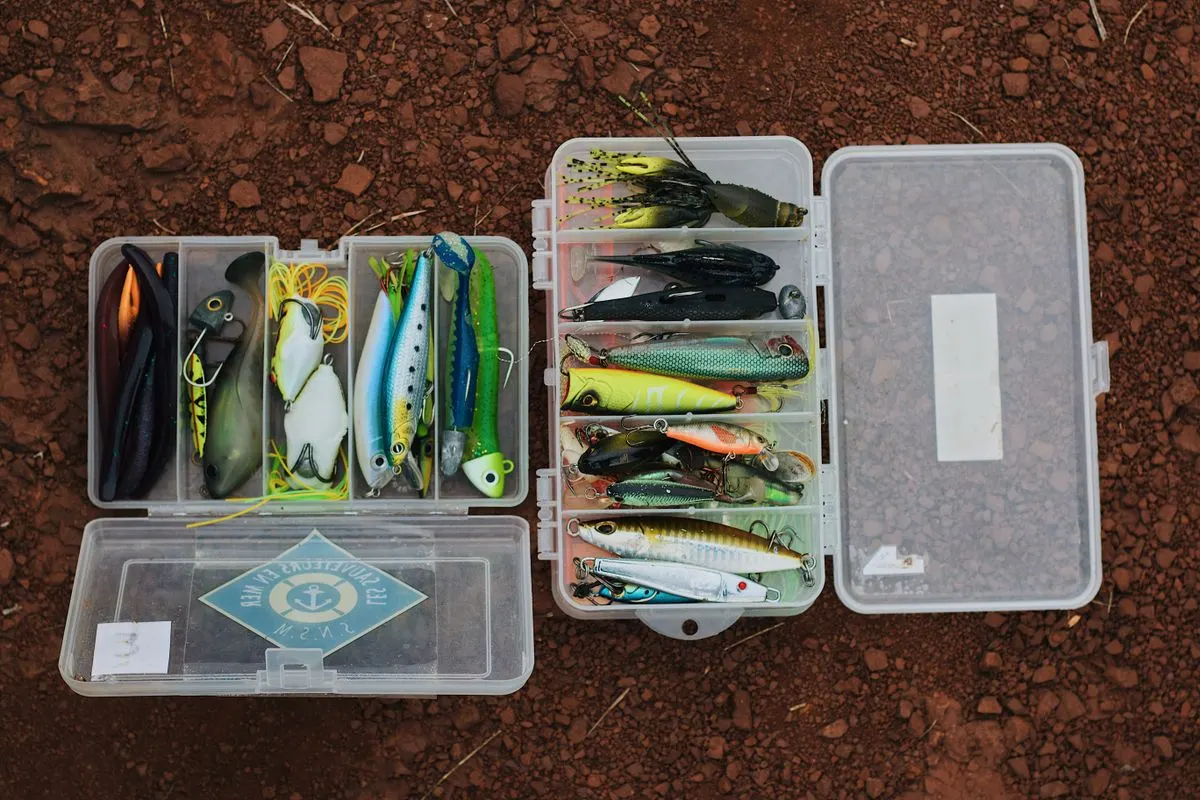
Before the first outing, walk through the packing and unloading order in a suitable stationary location. Identify what is removed first, where the tackle container is opened, and how the rod is transferred to its ordinary carrying arrangement. Keep hooks and other sharp items contained during this rehearsal. The purpose is to make the transition understandable without discovering an awkward sequence beside water or in a crowded parking area.
A useful destination note names the permitted riding endpoint, parking surface, route to the fishing position, and an early-ending pickup point. Add the responsible authority's current information rather than a general statement that the lake is accessible. If a route crosses private land or has a gate, resolve that specifically. An attractive photograph of the shoreline is not evidence about access for the loaded trike.
Consider a trip where the rod case fits the outward load but becomes awkward after wet clothing is added for the return. A separate suitable containment arrangement may be needed for the used items. Do not hang them from the rod mount or let fabric trail over the basket. The equipment list should account for the changed return shape before departure, just as it accounts for the original tackle and chair.
After the first appropriate outing, keep only observations that can be supported: which compartment was hard to reach, which access point was unsuitable, and which equipment was unnecessary. Do not convert one successful trip into a claim that the mount is proven on every surface. The next route still needs its own suitability check. A focused review can reduce the load and make the second outing easier without buying another holder.
If the destination cannot accommodate the vehicle through a permitted routine, changing the location is a useful result of planning. A fishing trip should remain a recreational outing, not a reason to force a trike through a narrow pier or improvise a carry down a bank.
Research-based planning guide, 15 October 2026. No rod-holder testing, site inspection, or fishing-access approval is claimed.
Guide
Choose your first adult tricycle by checking rider fit, storage, weight limits, gears, brakes, assembly, and service before buying.

Guide
Learn how to compare adult electric tricycles for control, fit, batteries, braking, transport, and ownership support.

Guide
Understand the leg and hip muscles used when pedaling a tricycle, plus how fit, resistance, and electric assistance change the effort.