
Guide
First Adult Tricycle Buying Guide
Choose your first adult tricycle by checking rider fit, storage, weight limits, gears, brakes, assembly, and service before buying.
We research everything we recommend. When you buy through our links, we may earn a commission. Learn more
Guide
A public-transport service that carries bicycles may not carry an adult tricycle. Rack dimensions, station access, vehicle space, battery rules, and.

Updated · 11 min read
A public-transport service that carries bicycles may not carry an adult tricycle. Rack dimensions, station access, vehicle space, battery rules, and boarding arrangements can all affect acceptance. The useful question is not simply whether bikes are allowed, but whether your exact trike can complete every part of the proposed journey through a confirmed process.
This guide helps prepare a provider inquiry and compare realistic alternatives. It does not approve a vehicle for a train, bus, ferry, or station, and it does not determine mobility-device eligibility. Current rules and the responsible operator's confirmation govern the trip. Treat the outward journey, connections, and return as one task rather than accepting a broad bicycle symbol as sufficient evidence.
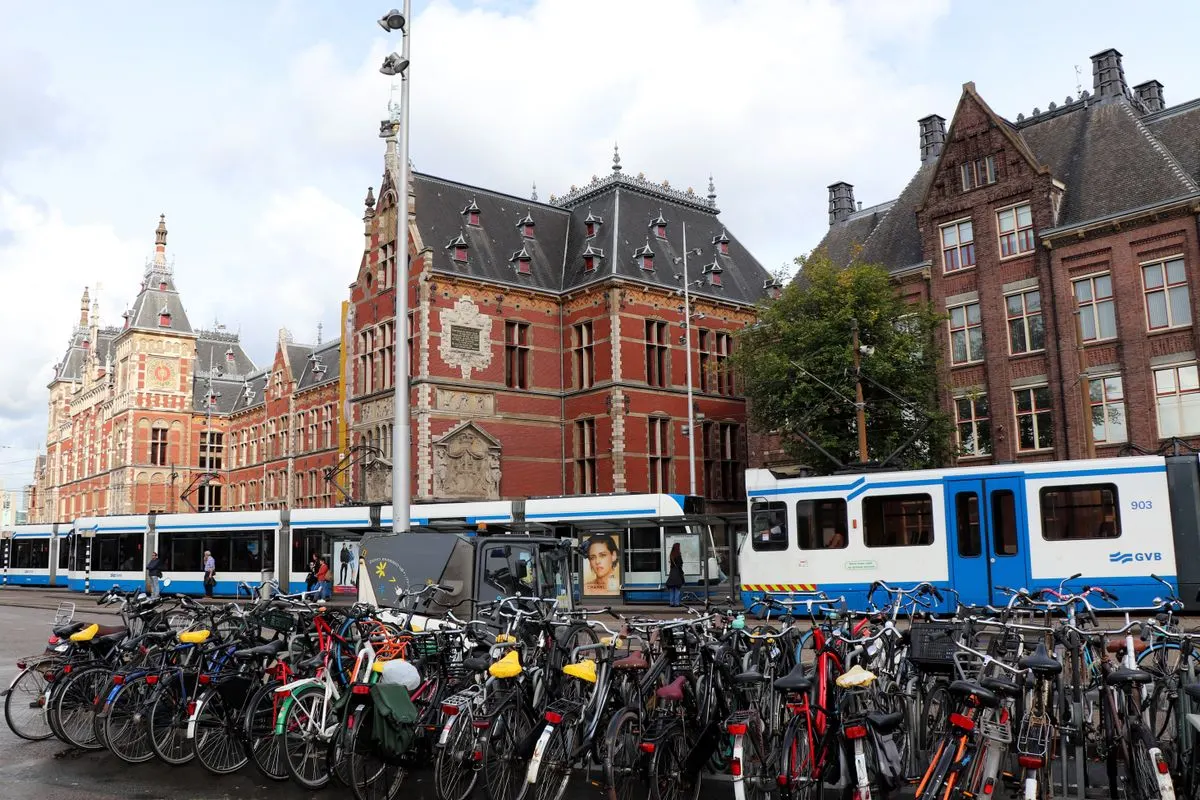
Record the trike's brand, model, assembled dimensions, documented weight, and actual accessories. Include mirrors, racks, bags, or fairings that change the outline. A provider needs to assess the vehicle that will arrive, not a bare-frame catalog specification. A clear photograph of the complete configuration can help explain an unusual shape.
If folding is part of the proposed arrangement, identify the approved procedure and actual folded dimensions. The folding guide explains why nominal folded size may not describe a vehicle with accessories fitted. Do not call a partially dismantled trike a compact folding bicycle unless the operator explicitly accepts that arrangement.
State whether the vehicle is electric and provide the battery information the provider requests. Do not assume ordinary bicycle acceptance covers every powered model. The battery and vehicle can be separate policy questions. Keep the information sheet dated and update it if the travel configuration changes.
A journey can involve a local bus, a regional train, a station managed by another organization, and a return service with different equipment. List each leg and ask which operator's rules apply. Acceptance on one segment does not establish the rest. A single unresolved connection can make the complete trip impractical.
Check the actual service and date rather than only a network-wide overview. Reserved spaces, engineering work, replacement buses, and station changes can affect the plan. This guide does not provide a current timetable or promise that the same equipment operates every departure. Confirm the details through the responsible provider before relying on them.
Keep responses linked to the vehicle description sent. If an agent answers a question about an ordinary bicycle while you intend to bring a wide trike, clarify the mismatch. A helpful but general reply is not the specific confirmation the trip needs.
Look for terms such as tricycles, recumbents, cargo cycles, adapted cycles, oversized bicycles, or mobility devices in the operator's current information. Do not assume the absence of a restriction proves acceptance. Ask directly when the actual category is unclear, and provide dimensions rather than selecting the label that seems most convenient.
Amtrak's bicycle FAQ illustrates why this matters: it addresses unusual cycle types and the constraints of its bicycle services rather than treating every wheeled cycle as identical. The applicable answer must be checked for the actual service and vehicle. This article does not generalize one operator's policy to another railway or to public transport worldwide.
Save the relevant policy and inquiry response with the date. If booking is required, ask how the trike arrangement is recorded and what confirmation is supplied. Paying for an ordinary bicycle reservation does not automatically establish acceptance of a vehicle outside that service's dimensions or category.
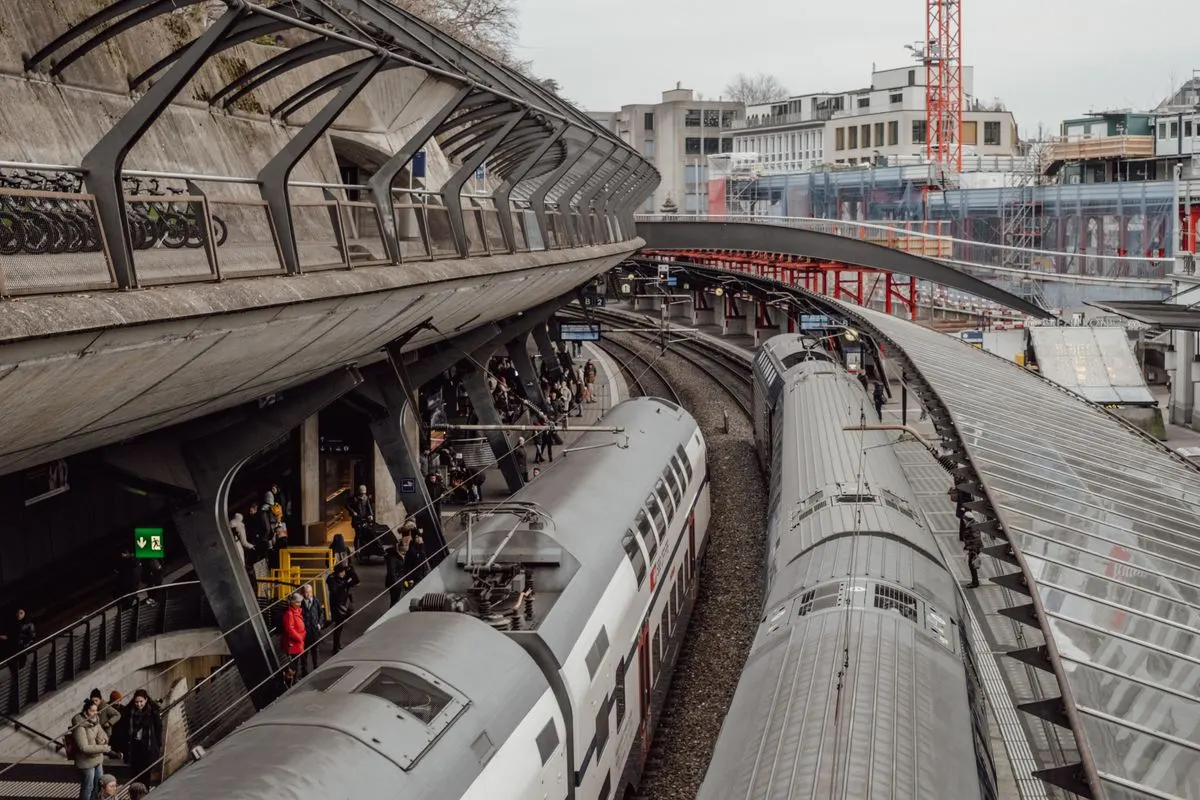
Map the entire path: entrance, ticket area, barriers, lifts where available, platform approach, and boarding location. A station described as step-free may still have an entrance or turn that does not suit the trike's width and length. Accessibility information is a starting point, not a measurement of every turn for your vehicle.
The clearance guide helps assess physical space. Ask the station or operator about uncertain dimensions and procedures. Do not plan to lift a heavy trike over a barrier or carry it down stairs as an improvised solution. If the permitted access route is unavailable, reconsider the journey before departure.
Check the destination station and any connection with equal care. A usable origin does not establish a usable arrival. Include the route from the final station to accommodation or the riding destination. The apartment-access guide provides a useful method for checking successive doorways and turns beyond the station.
Establish who moves the trike, whether assistance is available, and what the traveler must be able to do. A staff member's presence does not automatically mean a lifting or handling service is included. Ask through the operator's current assistance process where appropriate and record the agreed arrangement accurately.
Do not assume a ramp, lift, or bicycle rack is suitable merely because it exists. Dimensions, permitted loads, attachment methods, and staff procedures matter. This guide does not supply a universal loading technique for rail vehicles. The operator should identify the actual process and any limitations for the described trike.
Keep the rider's capabilities explicit without sharing unnecessary personal details publicly. A private assistance inquiry can explain the relevant task while the technical vehicle sheet remains separate. If the arrangement depends on the rider lifting something they cannot manage, it is not a workable plan.
Ask where the trike goes once onboard, whether it remains assembled, and how it is secured through the operator's procedure. A conventional vertical bicycle rack may not accept its wheel layout or weight. A folded shape may still exceed a permitted luggage space. Do not improvise straps around seats or doors to create a location the provider has not approved.
Consider whether accessories or bags must be removed and where they will be stored. The complete load can become several pieces at boarding. The cargo-retention guide covers the riding arrangement, but onboard storage is a separate provider-controlled task. A bag secured to the trike for riding may need a different process during transport.
Ask whether access to the trike is available during the journey and what happens at connections. Do not rely on reaching a tool, medicine, phone, or personal item stored with an inaccessible vehicle. Keep necessary personal belongings in the form the travel plan requires.
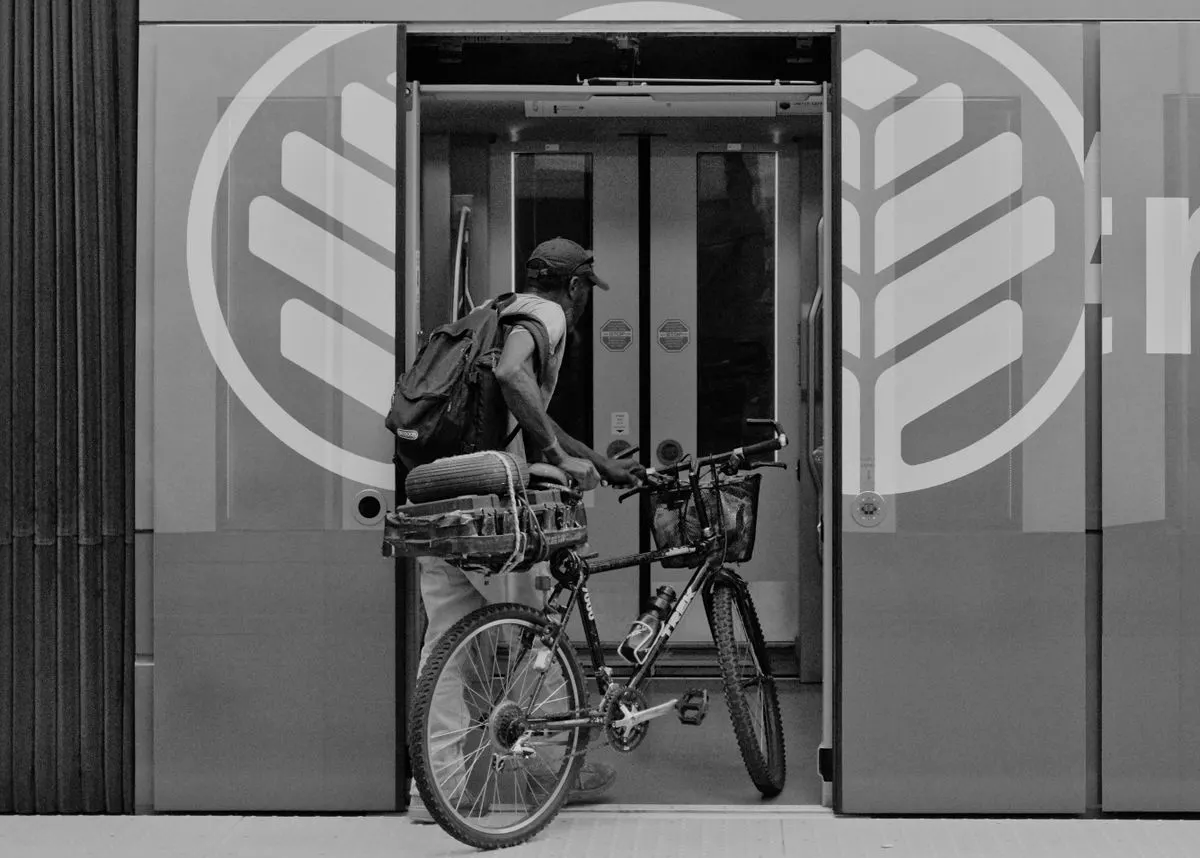
Provide the exact battery type, documented rating, and condition when requested. Follow the operator's current rules for electrical equipment and charging. Do not assume a socket onboard may be used to charge a traction battery. An ordinary passenger power outlet is not a universal e-trike charging facility.
The charging guide and charger-compatibility guide explain the equipment side. Travel permission is a separate decision. A correctly matched charger does not establish that charging is allowed at a station or onboard the service.
If the battery or vehicle is damaged or concerning, inform the provider and follow the relevant instructions before transport. Do not conceal the condition to preserve a booking. The normal acceptance process may not describe a suspect battery or a vehicle that can no longer be moved safely.
If the trike may fall within an individually applicable mobility-assistance arrangement, ask the operator which process applies. Do not decide eligibility solely because the vehicle is useful to the rider. Different providers can have different definitions and handling requirements, and a generic article cannot determine the classification for an individual journey.
Use the provider's current private channel for personal information and request clear written instructions. Ask what is confirmed, what remains conditional, and what the traveler should do on arrival. Keep the distinction between vehicle acceptance and personal assistance visible; one answer may not automatically settle the other.
If the provider cannot accommodate the actual arrangement, evaluate alternatives rather than forcing a sporting-equipment booking to carry a different meaning. The rental guide can help assess a destination vehicle, while a suitable road transfer may avoid an unsuitable station connection.
A connection may require moving between platforms, passing barriers, or waiting for a lift. Ask about the actual path and allow the timing recommended by the operator for the confirmed arrangement. This guide does not prescribe one universal transfer interval. A standard passenger connection may not suit a traveler handling a large cycle and separate bags.
Consider what happens if the first service is delayed. Is the trike reservation valid on another departure, and can the next service accept it? Obtain the provider's current answer rather than assuming ordinary ticket flexibility includes special-equipment space. Keep an alternative that does not depend on staff creating an exception at short notice.
Avoid a final service plan with no practical fallback. A missed connection late in the day can leave both rider and trike far from suitable storage or transport. The recovery guide offers a framework for pickup dimensions and communication, although a station interruption may require different arrangements from a roadside fault.
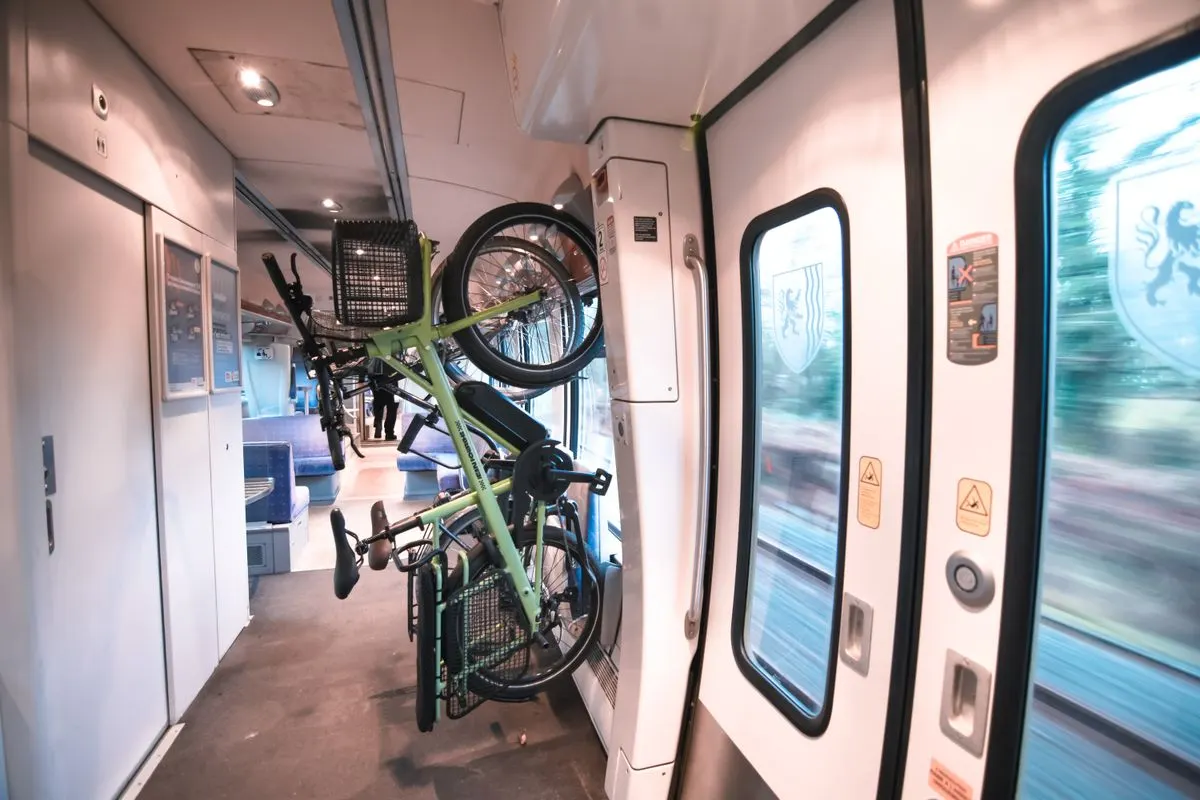
Confirm the return journey independently, including station access and vehicle arrangements. A different time of day or train type can create a different task. Do not assume the outward confirmation applies automatically. If engineering work or a replacement bus is possible, ask how the trike would be handled under that circumstance.
A replacement service designed for ordinary passengers may have no suitable space for a wide cycle. This article does not promise acceptance or compensation in that situation. The operator should explain its current policy, and the owner should assess whether the resulting uncertainty fits the trip.
Keep the trip plan easy to update. A single sheet listing legs, contacts, accepted vehicle configuration, and unresolved questions can be more useful than a long message history. Mark a leg unconfirmed when the answer is missing rather than letting the overall itinerary appear complete.
Arrange removable bags so they can be handled through the confirmed process. Keep small parts, approved folding tools where permitted, and instructions identified. Do not begin unfamiliar disassembly on a platform under departure pressure. The service guide helps identify technical support when packing or reassembly is beyond the owner's scope.
Protect the vehicle according to its maker's transport instructions and the operator's requirements. A blanket or improvised strap is not a universal packing method. Record the normal configuration before travel so changes or damage can be described accurately afterward. Photographs are useful evidence, not a guarantee about a claim outcome.
Keep essential personal items available without accessing the stored trike. Communication, tickets, and necessary information should not be buried under cargo. The accessory-power guide helps avoid relying entirely on the vehicle's electrical system for a phone during an interrupted journey.
Restore the trike through its approved procedure and complete the checks appropriate to any folding, removal, or handling. Do not ride simply because the vehicle has left the train without obvious damage. If steering, brakes, wheel security, or an electrical component is uncertain, stop and obtain suitable assessment.
The assembly guide supplies surrounding owner tasks, while the exact manual governs reassembly. A busy station forecourt is a poor place to guess a fastening sequence. Identify a suitable working location and the needed support before starting.
After the journey, update the record with what actually worked and which assumptions were wrong. Keep operator-specific observations labeled as such. One successful trip does not establish a general right to take the same trike on every service, but it can make the next provider inquiry more precise.
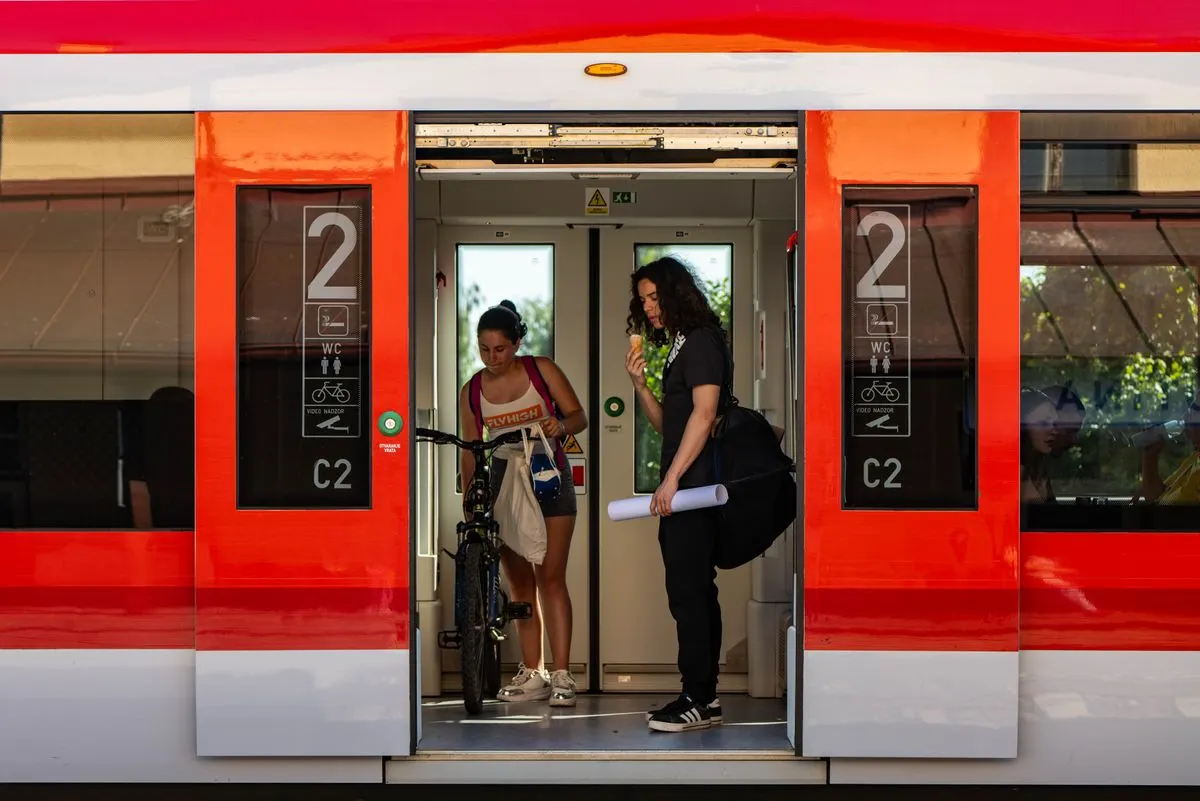
Create a record with one entry for the origin station, each transport service, each connection, the destination station, and the return. For every entry, keep the responsible provider, the actual vehicle information sent, the dated answer, and any booking or assistance reference. An empty field should remain visibly unresolved. Do not allow a confirmed train reservation to hide an unconfirmed lift or replacement-bus question.
The record should also show the configuration used on each leg. If one provider accepts the trike folded and another assesses it assembled, identify where the approved change happens and who performs it. The traveler needs a suitable working location, required equipment where permitted, and enough time through the provider's instructions. A station platform should not become the place to discover an unfamiliar disassembly procedure.
Consider a journey with a regional train and a local bus connection. The railway's bicycle answer does not settle the bus rack's compatibility. The bus operator needs the actual trike dimensions and arrangement, and may offer a different answer. If that connection cannot be confirmed, a suitable road transfer or another destination can make the trip workable without asking a driver to create an exception on arrival.
Keep any personal-assistance request linked but distinct. A provider may confirm help for the traveler while still needing to determine whether the trike is accepted as equipment. Another may accept the vehicle but require the traveler to perform handling they cannot manage. The plan is complete only when both the person and the equipment can move through the actual process.
Review the storage and access status of essential items. If the trike will be inaccessible during the journey, remove what the traveler needs before handover through the permitted procedure. Tickets, communication, necessary personal items, and transfer information should remain available. Do not assume staff can retrieve a bag from stored equipment whenever a forgotten item is noticed.
Record contingency answers rather than a vague note to contact staff. Ask what happens after a missed connection, a closed lift, or a changed service. The provider's current policy may leave limits that affect whether the journey suits the traveler. This article does not promise a substitute service or compensation. Knowing the actual limitation before booking is more useful than an optimistic assumption.
After travel, add factual observations to the record: which entrance was used, what configuration was carried, and what handling was required. Keep them dated and service-specific. Do not publish a statement that all trains on a network accept trikes because one journey succeeded. Future plans still need current confirmation for their actual route and configuration.
The same approach works for ferries and other public transport without assuming their rules match a railway's. Replace the provider and physical-access questions with the actual service requirements. The central task remains the whole journey, including ground access, storage, connections, and return, rather than one favorable answer to whether bicycles are allowed.
Research-based planning guide, 15 October 2026. No transport acceptance, mobility classification, timetable, or boarding-assistance guarantee is claimed.
Guide
Choose your first adult tricycle by checking rider fit, storage, weight limits, gears, brakes, assembly, and service before buying.

Guide
Learn how to compare adult electric tricycles for control, fit, batteries, braking, transport, and ownership support.

Guide
Understand the leg and hip muscles used when pedaling a tricycle, plus how fit, resistance, and electric assistance change the effort.