



Guide
First Adult Tricycle Buying Guide
Choose your first adult tricycle by checking rider fit, storage, weight limits, gears, brakes, assembly, and service before buying.
We research everything we recommend. When you buy through our links, we may earn a commission. Learn more
Guide
Identify recumbent chain tubes, idlers and keepers, record routing and condition, obtain compatible parts, and prepare a useful service brief.

Updated · 11 min read
A recumbent's long drivetrain can use chain tubes, idlers, keepers and mounting parts to guide and manage its route. These components belong to the complete design. They are not decorative extras, and a replacement should not be chosen solely because a tube diameter or pulley looks similar.
Begin with the exact trike and installed routing. This guide explains identification, observations and a useful service brief rather than prescribing one clearance, lubricant or replacement interval. The chain-care guide covers normal chain maintenance, while the skipping-observation guide addresses an abnormal event.

A chain tube encloses part of the chain route and can provide a defined protective or management role. An idler guides a section around the vehicle's geometry. A keeper can retain the chain in the intended relationship to an idler. Mounts, spacers and fasteners establish the complete arrangement. These are functional descriptions, not interchangeable part specifications.
TerraCycle distinguishes power and return idler roles in its product explanations. Use those distinctions to ask about the actual installation, not to assume every idler follows one universal design. A toothed and smooth-looking component can serve different roles within a named arrangement. The vehicle and component makers establish the appropriate parts and route.
Do not describe every visible wheel as a tensioner. Guiding, retaining and managing chain length can be different jobs. Obtain the actual component identities and documentation. Clear terminology helps a provider assess the assembly without first undoing an assumption about what the part is supposed to do.
Photograph accessible sections and note the model, revision, gearing, seat and boom setup where relevant. Identify which tubes, idlers and keepers are fitted. Do not dismantle the chain or remove a part merely to obtain a closer view. A wider photograph that shows the route can be more useful than an isolated pulley close-up.
Include previous modifications, replacement components and recent work. A used recumbent may not match the original sales photograph. Keep uncertain identities visible and ask the maker or suitable shop to establish them. A seller's statement that an idler is an upgrade does not prove that the complete arrangement is approved.
The drive-layout guide explains broader identification. An assisted recumbent also needs the actual motor power path and operating instructions. Do not assume that a routing answer from another vehicle transfers because both are three-wheel recumbents.
Describe noise, visible wear, displaced parts or changed drag accurately. State when the observation began and whether it followed folding, transport, a seat or boom adjustment, chain work or another event. These details can guide assessment, but they do not prove the cause. Avoid declaring that a tube is too long or an idler is worn solely from a sensation.
Do not repeatedly ride or pedal a questionable arrangement to create better evidence. Follow the manual's stop-use guidance and inspect only within permitted owner scope. Keep hands clear of moving parts and secure the vehicle through its procedure. A heavy trike should not be supported by an improvised conventional bicycle method.
Photograph useful condition before cleaning or adjusting. A tube's wear pattern, keeper position or contact mark can be relevant to the service brief. Do not remove that evidence with a cosmetic treatment and then ask the provider to infer the original event. State what changed afterward if a permitted action was performed.

Use the manufacturer's guidance for accessible tubes, attachment, idlers, keepers and connected parts. Look for the abnormal conditions it identifies. A visibly displaced tube, damaged retention part or unresolved contact should not be treated as harmless because the trike still moves. Obtain the prescribed assessment before use where required.
Do not compensate for abnormal condition by adding ties or moving spacers arbitrarily. A mounting stack can have an intended order and role. A part physically fitting on a shaft does not establish correct alignment or retention. Keep hardware identity and orientation attached to the service record.
If the required view or check cannot be obtained safely, ask a suitable provider to perform it. The home-workstand guide in this batch explains support compatibility without approving a setup for your trike. A convenient lift should not replace the vehicle's handling requirements.
Read the actual chain, tube and idler instructions. A product suitable for the chain is not automatically appropriate for every tube material, bearing or contact surface. Do not spray a general lubricant throughout the assembly because noise changed. Identify the task and permitted location before applying a product.
Use the maker's inspection and replacement criteria. Older manuals and other model procedures can contain intervals or tube treatments that do not apply to your configuration. This article deliberately does not transfer those numbers or methods. Obtain the current applicable document through the publisher's hub and confirm revision where necessary.
The washing guide covers separated tools and material compatibility. Cleaning can reveal a component, but it does not repair damaged retention or restore correct routing automatically. Keep condition assessment and routine dirt removal distinct in the work record.
Changes to a recumbent fit or drivetrain can affect connected routing questions. Follow the exact procedure and required checks rather than assuming the old chain arrangement remains correct. The crank-length guide explains another connected geometry choice without supplying a generic chain adjustment.
If the seat or boom is moved through an approved method, record the work and post-adjustment verification. Do not change tube length or chain sizing by guesswork to make the result look tidy. Those tasks can require specific component and vehicle instructions. A neat-looking route is not evidence of complete compatibility.
After a replacement chain, preserve the actual chain identity, connecting method and installed setup. A new part can require a broader assessment where abnormal operation remains. The skipping guide helps prepare that service brief rather than assuming a new chain resolves every connected component.
Follow the complete folding procedure and restore routing through its instructions. A closed-looking hinge does not establish every tube, keeper, cable or accessory position. The hinge-inspection guide treats return-to-riding as a complete routine.
Transport can also introduce contact or movement that deserves inspection. Record the method and any visible change without claiming a specific cause. Do not use a tube, idler or drivetrain part as a lifting or restraint point unless the exact instructions permit it. The carrier guide covers the separate system approval.
At the destination, complete the prescribed restoration and checks before use. If a part is displaced or abnormal, keep that status visible and seek support. A successful earlier trip does not prove the same arrangement remains suitable after an accessory or transport configuration change.

Send the trike model and revision, installed component identities, routing photographs and observed task. Ask whether the proposed item is the specified replacement, an approved alternative or a complete kit requiring connected parts. A product image can show more than the listing includes, so confirm tubes, spacers, keeper and hardware as applicable.
Read the installation scope before ordering. A pulley price may omit a mount, shaft or service task. Ask who can support the actual arrangement and which final checks are required. The repair-shop guide helps establish capability for wide recumbents and proprietary components.
Keep the written answer with the exact item and revision. If a future replacement differs, reassess the affected fit rather than relying on the original reply. A superficially similar idler can have a different intended role. Identification makes ordinary maintenance more reliable than searching by appearance each time.
An alternative component can be marketed for smoothness or efficiency, but those claims do not establish measured benefit on your complete vehicle. Keep the exact product, test conditions and evidence attached where relevant. This article performs no friction, noise, power or durability comparison.
Begin with approved fit and the task to be solved. If the existing arrangement is abnormal, assess condition before using an upgrade as a remedy. If it is sound, compare the supported alternative's service, parts and ownership effort. A more expensive bearing or pulley is not automatically a better complete configuration.
Do not remove a keeper or tube simply because another rider's setup omits it. Designs differ and the component can have an intended role that is not obvious from a photograph. Obtain the relevant maker's approval for changes instead of treating a forum image as a universal routing diagram.
Record the vehicle, chain and gearing, each tube/idler/keeper identity, relevant mounting hardware, observed condition, procedure and support route. Mark gaps and source each answer. This prevents a partial product fit reply from becoming approval of the complete chain route.
| Area | Useful record |
|---|---|
| Layout | Whole route and actual component identities |
| Condition | Visible observations and preceding events |
| Care | Exact permitted products and inspection criteria |
| Replacement | Complete part set and installation scope |
| Verification | Required routing, clearance and operation checks |
Keep the worksheet proportionate. Its purpose is to help the owner and provider understand the installed assembly, not issue a technical certificate. Update it after significant work and preserve unresolved concerns for shared users.
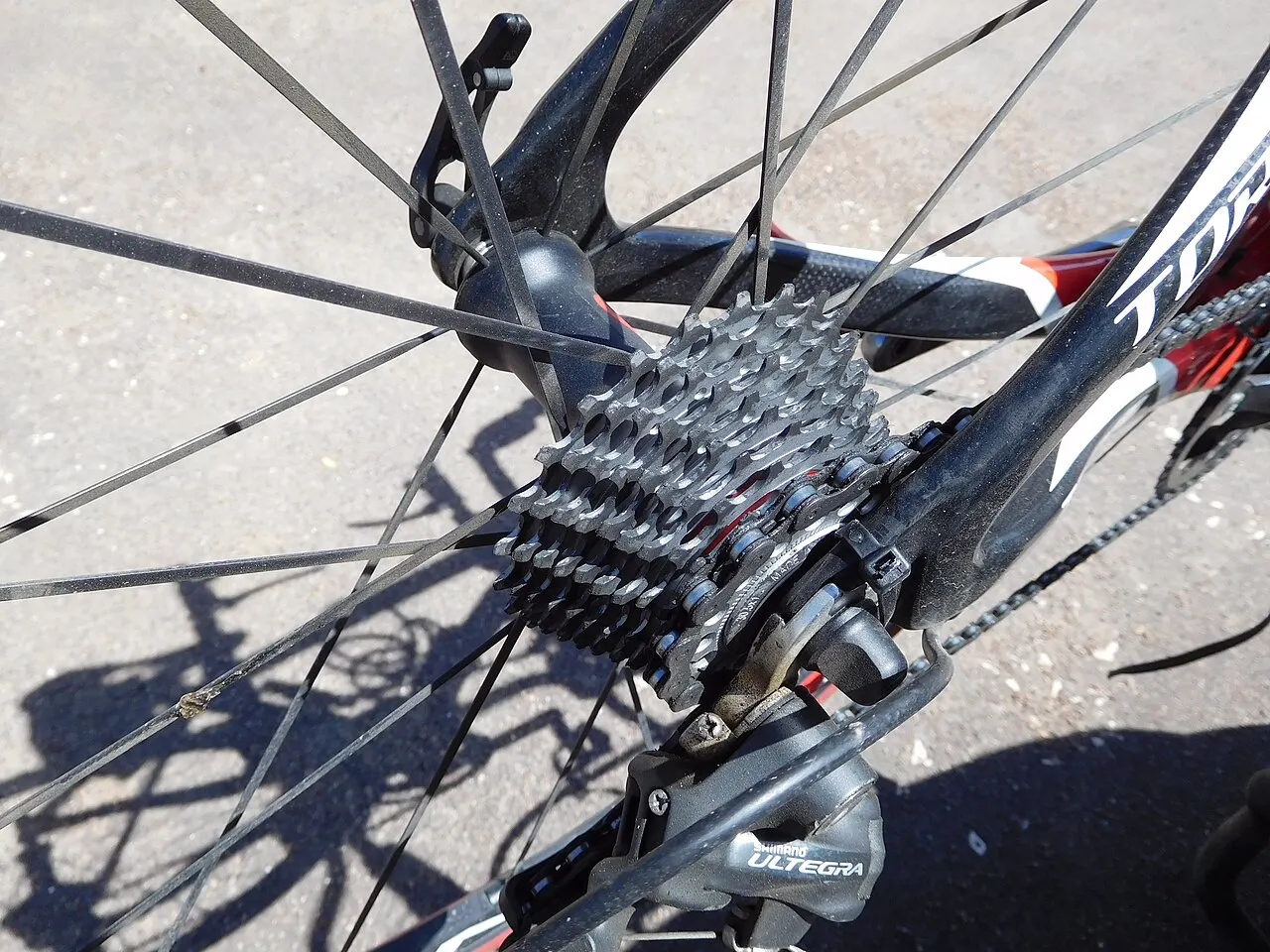
Imagine a rider notices a tube in a different position after folding. Stop and follow the model's inspection and restoration guidance. Record the event, visible position and previous work. Do not push the tube approximately back or add a tie as a completed repair without identifying its intended retention.
If the instructions cannot establish sound condition and correct setup, contact the provider with the brief. Obtain the specified part or assessment and complete the required checks after work. The example explains a service sequence; it does not diagnose why a particular tube moved or authorize a universal fastening method.
Retain component references, manuals and completed work. A future technician should not infer the routing from the frame name alone when parts changed. Keep a photograph of the documented configuration as a memory aid, while the exact procedure remains authoritative.
Chain tubes and idlers are useful when their complete arrangement is identified, maintained and verified through the design's instructions. Start with the route, preserve condition observations and choose supported parts. That produces a more reliable result than replacing a visible pulley or tube without understanding the connected system.
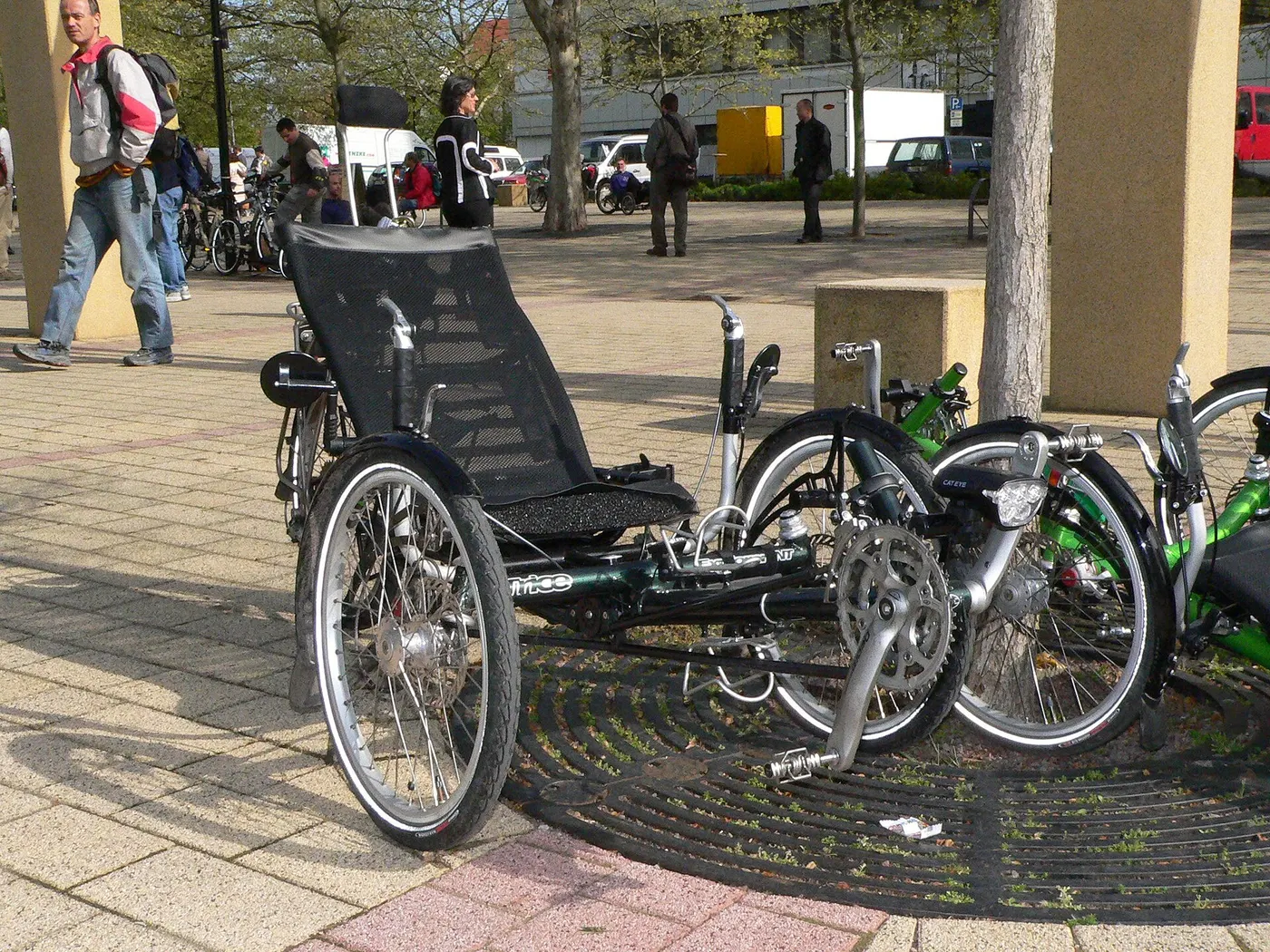
Use the maker's diagram and accessible photographs to label each actual tube, idler, keeper and mounting area. Record the installed identities where known and mark unknown items for the provider. A parts map should describe the current vehicle rather than reproduce another rider's arrangement. It is an identification aid, not a home instruction to disconnect the chain or remove a mounting stack.
Include the chain and gearing references and significant fit or drive changes. The route can be connected to the vehicle's geometry, so a replacement component should not be assessed alone. A wider photograph can show why an item is positioned where it is, while a close view can help identify its marking or condition. Keep both views factual and avoid drawing unsupported conclusions from appearance.
Give the map to a service provider when requesting work. It reduces ambiguity about which part is being discussed and makes missing information explicit. If the provider identifies a different component or revision, update the record. A useful history can evolve as facts are established without pretending the owner knew every part from the start.
Describe when a sound or changed resistance appeared and which ordinary task was taking place. State whether it followed chain work, fitting, folding, transport or another event. A sound near a tube can have more than one source, and the nearest visible component should not automatically become the diagnosis. Accurate context helps the provider choose an inspection.
Do not pedal a questionable assembly repeatedly to improve the recording. Follow stop-use guidance and obtain only observations that can be collected safely within owner scope. If a short recording already exists, explain the relevant moment and configuration rather than sending a long video without context. Keep personal data and unrelated background out of the material where practical.
If permitted care changes the sound, record the action and outcome without declaring the system repaired. A quieter result can still leave a retention, wear or routing concern unresolved. The provider's required checks determine completion. This separation prevents ordinary maintenance from being used as an unsupported diagnostic experiment.
Confirm whether the product includes only an idler or a complete mount, keeper, shaft, spacer and hardware arrangement. A listing photograph can show a larger assembly than the purchased item. Ask which exact parts are required for your vehicle and whether an approved alternative changes the route or installation procedure. Do not complete missing pieces with visually similar hardware.
Retain the current instructions and complete quote, including professional work where necessary. A low pulley price does not represent the whole supported replacement if connected parts or service are required. The compatibility answer should identify the actual role of the proposed item, not merely confirm that it fits a shaft diameter.
After work, update the parts map and required maintenance references. A future provider should not need to infer the new route from the original frame specification. Keep any remaining concern visible. A documented replacement can be entirely appropriate while still leaving another drivetrain task outside the completed scope.
Seat bags, clothing, protective items and other accessories can sit near the chain route. Confirm the supported combination and keep closures secured through their instructions. An independently compatible bag should not obscure a required inspection or contact a moving part. Assess the complete arrangement rather than treating each catalogue approval as approval of every combination.
After transport or permitted removal, restore accessories and routing through the actual procedures. A photograph helps memory but cannot establish correct retention alone. If the person refitting is different from the rider, make the work status clear before use. Attached but awaiting checks is not the same as ready through the documented routine.
The useful result is a chain-management system that can be identified, cared for and checked consistently. It does not need a complex owner report for every ride, but significant changes and abnormal observations deserve accurate records. That keeps future service based on the actual vehicle rather than a generic recumbent image.
Research-based identification guide. No routing, idler, friction or wear test was performed. No universal tube treatment, clearance, replacement interval or fastening value is prescribed.
Guide
Choose your first adult tricycle by checking rider fit, storage, weight limits, gears, brakes, assembly, and service before buying.

Guide
Learn how to compare adult electric tricycles for control, fit, batteries, braking, transport, and ownership support.

Guide
Understand the leg and hip muscles used when pedaling a tricycle, plus how fit, resistance, and electric assistance change the effort.