
Guide
First Adult Tricycle Buying Guide
Choose your first adult tricycle by checking rider fit, storage, weight limits, gears, brakes, assembly, and service before buying.
We research everything we recommend. When you buy through our links, we may earn a commission. Learn more
Guide
Evaluate upright tricycle saddle comfort through fit, shape, padding, compatible clamps, backrests, clothing, and a controlled comparison ride.

Updated · 12 min read
A wider or softer saddle is not automatically more comfortable on an adult tricycle. Comfort depends on the rider's position, the support shape, clothing, adjustment, and how long the ride lasts. An accessory that feels plush while parked may become awkward once the rider pedals.
This guide concerns upright tricycle saddles and compatible support seats. Recumbent seating is a different system and is discussed separately. Persistent pain, numbness, or other concerning symptoms deserve appropriate professional advice; this article does not diagnose them or claim that a product treats a medical condition.
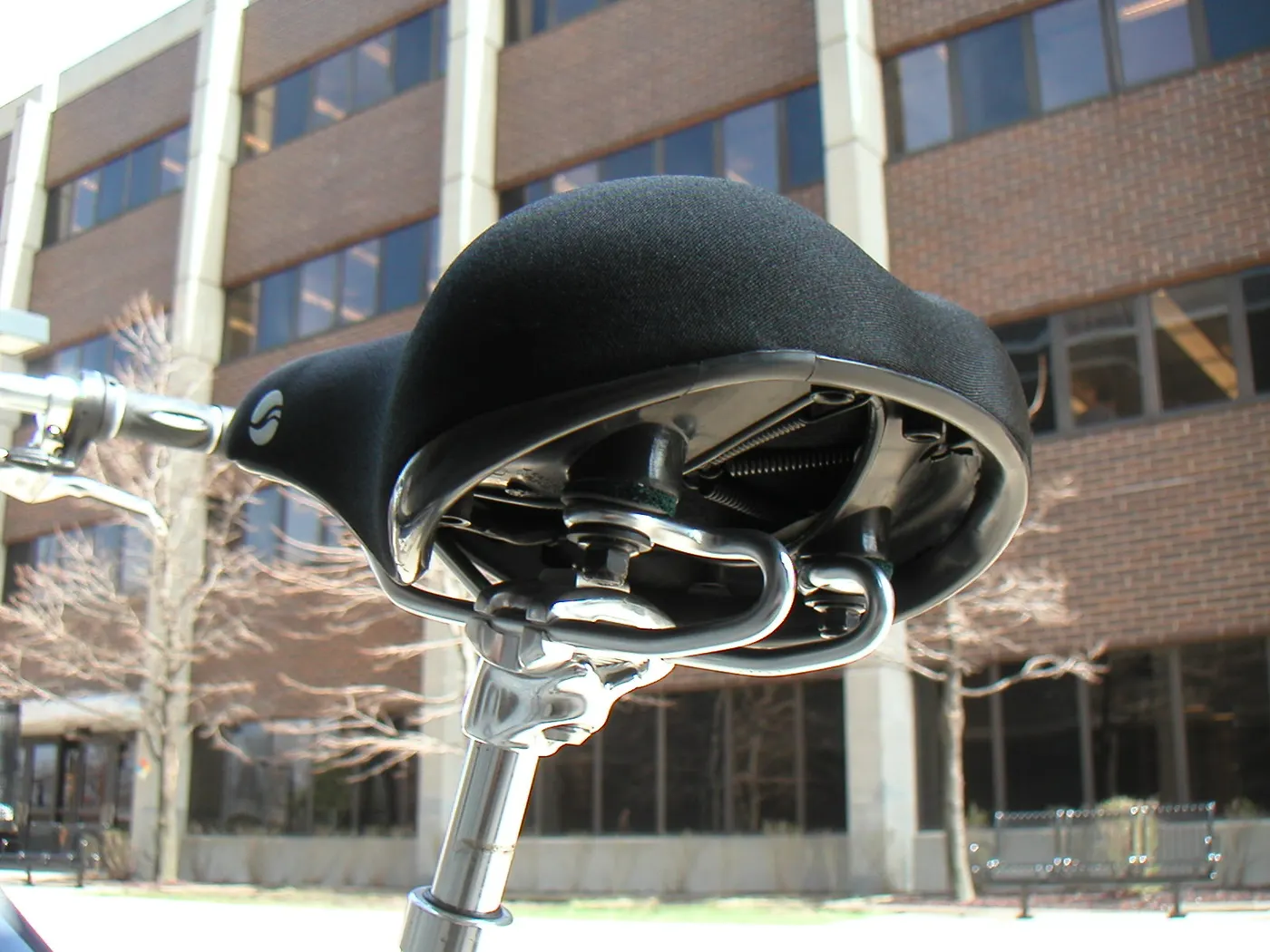
Check the basic seat and control adjustment within the manufacturer's limits. A saddle that is too high, too far from the controls, or poorly angled can make the rider slide, reach, or rock while pedaling. Replacing it without addressing the position may simply move the discomfort.
Use the adult-tricycle fit guide to organize reach and adjustment. Do not raise a post beyond its mark or use extreme rail positions to compensate for a frame that does not fit. Seek a qualified fitting assessment when the correct position is uncertain.
Record the current setting before changing anything. Note the permitted post position, clamp arrangement, and the rider's observations. This makes it possible to compare changes without relying on memory. Adjust one factor at a time and follow the component's tightening instructions.
An upright rider places weight differently from someone leaning farther forward. The saddle needs to support the rider while permitting the legs to move without excessive interference. A broad rear platform can feel supportive yet have a nose or edges that rub during pedaling.
Consider where you sit while riding rather than where you land during mounting. A useful trial includes normal pedaling posture, reaching the brakes, and moving through a controlled turn. The seat should not encourage a posture that prevents comfortable control of the tricycle.
Manufacturer saddle selectors can provide a starting point, but they are not a diagnosis or a guarantee. Ergon's guidance emphasizes posture, anatomy, and padding as interacting factors. Use that context to ask better questions, then assess a compatible seat through a practical trial.
Soft padding compresses under the rider. Too much movement or sinking can change support and introduce friction. A very soft seat may feel comfortable during a brief stationary demonstration while behaving differently on a longer ride.
A firmer shape can be comfortable when it suits the rider and posture, but firmness alone is not the answer either. Avoid a universal rule that every adult tricycle needs a plush cruiser saddle or a thin performance saddle. The correct choice depends on the actual fit and task.
Do not stack multiple cushions to solve an unresolved setup. Extra layers can change seat height, stability, and access to the frame. If a cover moves or wrinkles, it may add friction. Check whether the saddle manufacturer permits the accessory and whether it remains secure during pedaling.

Identify the existing attachment system and the replacement seat's requirements. Rail dimensions, clamp designs, and dedicated support-seat hardware can differ. A product listed as universal may not fit a particular tricycle or may need an approved adapter.
Use the specified hardware and tightening method. Do not force a rail into an incompatible clamp or substitute a bolt based only on its apparent diameter. If the seller cannot establish compatibility, request manufacturer confirmation or a professional inspection before purchasing.
Keep adjustment within the seat and post marks. A saddle that fits the clamp can still create an unsuitable position. The accessory compatibility guide explains how to check structural attachment and control effects rather than treating fit as a single yes/no dimension.
Some saddles include springs or elastomer elements. Some tricycles have suspension elsewhere. These features can affect the feel of surface vibration, but their travel and behavior vary. Do not assume a spring seat compensates for incorrect tire pressure or makes a rough route suitable.
Check permitted rider loading and service requirements for the exact seat. Inspect moving parts and attachment points according to the instructions. A squeak, unexpected movement, or loose clamp should be assessed before continuing. Do not lubricate unspecified areas or add a homemade spacer to eliminate movement.
If vibration is the main complaint, investigate the route, tires, and vehicle as well as the saddle. The tire-pressure guide provides the correct framework for inflation. There is no universal pressure reduction that solves comfort on every model.
A compatible backrest may provide a useful contact point, but it can change entry, posture, and access to cargo. Check whether it is intended for the exact seat and tricycle. An accessory marketed as a support seat is not automatically an adaptive transfer aid or lifting handle.
Sit and operate the controls with the backrest in place. Confirm that it does not push you too far from the handlebars or restrict normal pedaling. Test entry and exit while the vehicle is secured as instructed. If a helper is involved, demonstrate the approved support points and avoid improvised lifting.
Do not describe a backrest as treatment for back pain. If pain or a medical limitation drives the choice, seek appropriate advice and evaluate the complete riding task. A recumbent layout may offer a different seating arrangement, but it also introduces different access and handling demands.

Use clothing you expect to ride in. Thick seams, pockets, and items carried near the seat can affect pressure or friction. Avoid comparing a saddle in one outfit and a replacement in a very different outfit without noting the change.
Padded cycling shorts can help some riders, but the fit of the garment and saddle still matters. Do not assume padding in both places must improve comfort. Wet clothing, wrinkles, and sliding can change the experience, especially during longer errands.
Keep loose fabric away from the drivetrain and wheels. A comfort change that creates a snag risk is unsuitable. For wet trips, the rain guide covers clothing that preserves control. Comfort should be evaluated with the complete practical outfit, including shoes and weather layers.
Begin on a familiar, level route with manageable duration and no unfamiliar cargo. Record where discomfort appears, when it starts, and whether you slide, rock, or change posture. Avoid trying to “break in” a setup by enduring pain on a long ride.
Change one variable at a time, using the component's permitted adjustments. A new saddle plus a different seat height, handlebar position, and tire pressure makes the result difficult to interpret. Keep the basic vehicle condition consistent so the comparison answers a useful question.
Stop if you develop pain, numbness, or a concerning symptom. Seek appropriate advice rather than treating it as proof you need more padding. This article can help document the experience for a fitter or clinician, but cannot determine the cause from the description.
A seat can feel better while changing how easily you reach the brakes or enter the frame. Assess both outcomes. If the rider slides backward into a support seat and can no longer operate a lever comfortably, the adjustment is incomplete.
Check broad turns and smooth stops at a controlled pace. Follow the model's body-position guidance and do not use an extreme lean to compensate for an unstable seat. The turning guide explains why support and lateral handling are separate.
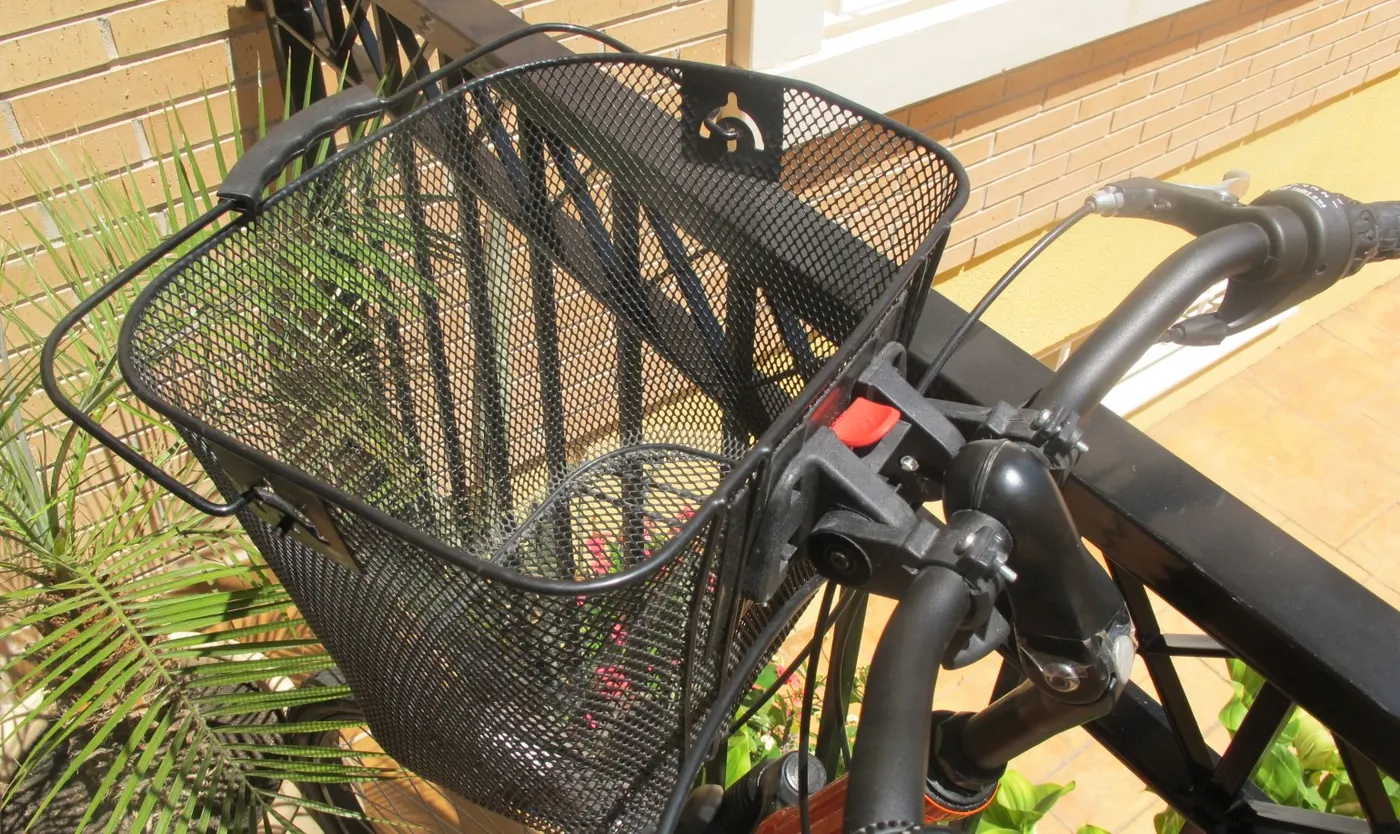
Review cargo access as well. A larger seat or backrest can reduce basket clearance or block a rear light. Include those effects in the decision rather than discovering them on the first shopping trip. The compatible setup is the one that works across the routine.
| Entry | What to note |
|---|---|
| Setup | Seat model, permitted position, clamp configuration |
| Clothing | Garment and any padding used |
| Ride | Familiar route, duration, surface, cargo |
| Observation | Location and timing of discomfort, sliding, or rubbing |
| Control | Brake reach, steering, entry, and exit |
| Next step | One permitted adjustment or professional assessment |
Keep entries descriptive rather than diagnostic. “Rubbing begins at the front edge during pedaling” helps a fitting discussion. “The seat damaged a nerve” is a medical conclusion this trial cannot establish. Honest observations are more useful than product scores with no context.
Before buying, ask whether the retailer permits a fitting trial and what condition is required for return. A saddle can be individually unsuitable despite accurate specifications. Keep packaging and follow the agreed terms without assuming all comfort products can be returned after extended use.
A local shop or adaptive cycling service may let you compare compatible options and inspect the attachment. That can be more practical than ordering several universal-looking seats. Confirm that they handle the tricycle and the desired support accessory.
Compare the complete cost: seat, approved adapter, fitting, and any required adjustment. A low-price saddle requiring unsupported hardware is not a sensible saving. Do not treat a premium price as proof that the product will fit your posture either.
Inspect the clamp and seat position according to the manufacturer's schedule and after a significant knock. A seat that rotates or shifts under ordinary use needs correction before riding. Marking a reference can help you notice movement, but it does not replace the specified fastening check.
Keep the surface clean and care for it using the maker's instructions. A torn cover, exposed edge, or waterlogged accessory can change friction and support. Do not cover a damaged seat with layers and assume the underlying problem is harmless.
If another person shares the tricycle, store their permitted settings separately. A comfortable arrangement for one rider may be wrong for another. Reset fit before each rider uses the vehicle and check the controls as well as the seat.
The useful saddle is one that supports the rider in a position they can sustain, allows pedaling without unwanted friction, and preserves safe control and access. Padding, springs, width, and a backrest are features to assess within that goal, not independent guarantees.
When the answer remains unclear, stop purchasing accessories and seek a fitting assessment. A different frame or seating layout may be more suitable than further changes to an upright saddle. Comfort work should produce a repeatable, manageable ride rather than a growing collection of cushions.

Suppose a rider feels comfortable while parked but notices rubbing after several minutes of pedaling. Record where the rubbing occurs, the clothing, the route, and the current seat setting. Check the permitted position and attachment first. Do not assume the answer is a wider saddle merely because the tricycle is upright.
A qualified fitter can help distinguish an unsuitable shape from a position that makes the rider slide or rock. The trial should preserve normal brake reach and entry. If a change improves the seated feeling but makes control awkward, the complete fit is still unresolved. Keep those outcomes in separate entries rather than giving the saddle one overall comfort score.
Try one permitted adjustment at a time and use a short familiar route. Stop for pain, numbness, or other concerning symptoms and seek appropriate advice. The log is intended to support a useful discussion, not to diagnose the symptom or justify enduring it.
A support seat may change the rider's position, entry path, and relationship to the handlebars. Ask whether the exact tricycle approves the product and what hardware is required. A seat designed for a specific frame may not be transferable to another model simply because both are adult tricycles.
Demonstrate getting in and out while the vehicle is secured according to its instructions. Check whether the backrest becomes an obstacle, whether the rider can operate the parking mechanism, and whether the seat interferes with the basket or rear light. Do not use the backrest as a transfer handle unless that function is approved.
If the rider needs substantial support, an adaptive cycling assessment can be more effective than ordering progressively larger seats. The assessment should consider pedaling, braking, observation, and transfer together. A supportive-looking product photograph does not establish that whole task.
A cover can alter friction, padding, height, and how water is retained. Confirm that it is suitable for the saddle and secure it by the intended method. A loose cover that shifts during pedaling can make position less predictable even if the material feels soft.
Use the same clothing and route for a short comparison and note whether sliding or rubbing changes. Do not stack another layer immediately if the first creates a new problem. Return to the original setup if needed and identify the specific reason the accessory is not helping.
After rain or cleaning, follow drying instructions before storage. A damp cover can change the next ride's comfort and may conceal damage to the seat below. Inspect both components rather than treating the cover as a permanent way to hide a torn surface.
Ask the fitter or dealer to explain the permitted final settings, attachment check, and what observations should trigger another visit. Record the seat model and relevant references. A professional adjustment is more useful when the rider understands how to notice movement or a recurring problem.
Review after a manageable number of ordinary rides according to the advice given, not after forcing a long test. Bring the descriptive log and report both comfort and control. If the arrangement remains unsuitable, consider a different compatible seat or vehicle layout rather than an unsupported extension of the adjustment range.
The useful endpoint is a routine the rider can repeat comfortably, including mounting, stopping, and unloading. A seat that only feels good during a stationary demonstration has not yet answered the ownership question.
A personal trial can establish that one rider preferred a seat in a particular setup. It cannot prove that the product treats back pain, suits every senior, or prevents a medical condition. Describe the configuration and limitations clearly when sharing the experience.
Manufacturer comfort claims can guide questions, but they should not replace individual fit or appropriate health advice. A neutral comparison explains support, compatibility, and the trial process without promising an outcome that was not measured.
Research-based guide; no saddle pressure-mapping, clinical review, or hands-on product testing was performed. Persistent symptoms need appropriate professional advice.
Guide
Choose your first adult tricycle by checking rider fit, storage, weight limits, gears, brakes, assembly, and service before buying.

Guide
Learn how to compare adult electric tricycles for control, fit, batteries, braking, transport, and ownership support.

Guide
Understand the leg and hip muscles used when pedaling a tricycle, plus how fit, resistance, and electric assistance change the effort.