



Guide
First Adult Tricycle Buying Guide
Choose your first adult tricycle by checking rider fit, storage, weight limits, gears, brakes, assembly, and service before buying.
We research everything we recommend. When you buy through our links, we may earn a commission. Learn more
Guide
Compare protective tires, liners and sealants through actual defects, wheel-system approval, product roles, maintenance, pressure checks and recovery.

Updated · 12 min read
Puncture products perform different jobs. A tire's protective construction, an added liner, and a compatible sealing fluid are not interchangeable solutions, and none makes every wheel immune to damage. Start with the actual tire, rim, tube or tubeless arrangement and the observed problem before choosing another product.
This guide explains the buying and maintenance comparison rather than supplying a universal repair or sealant quantity. The puncture guide covers broader preparation, while the tube-versus-tubeless guide explains the complete air-retention choice.
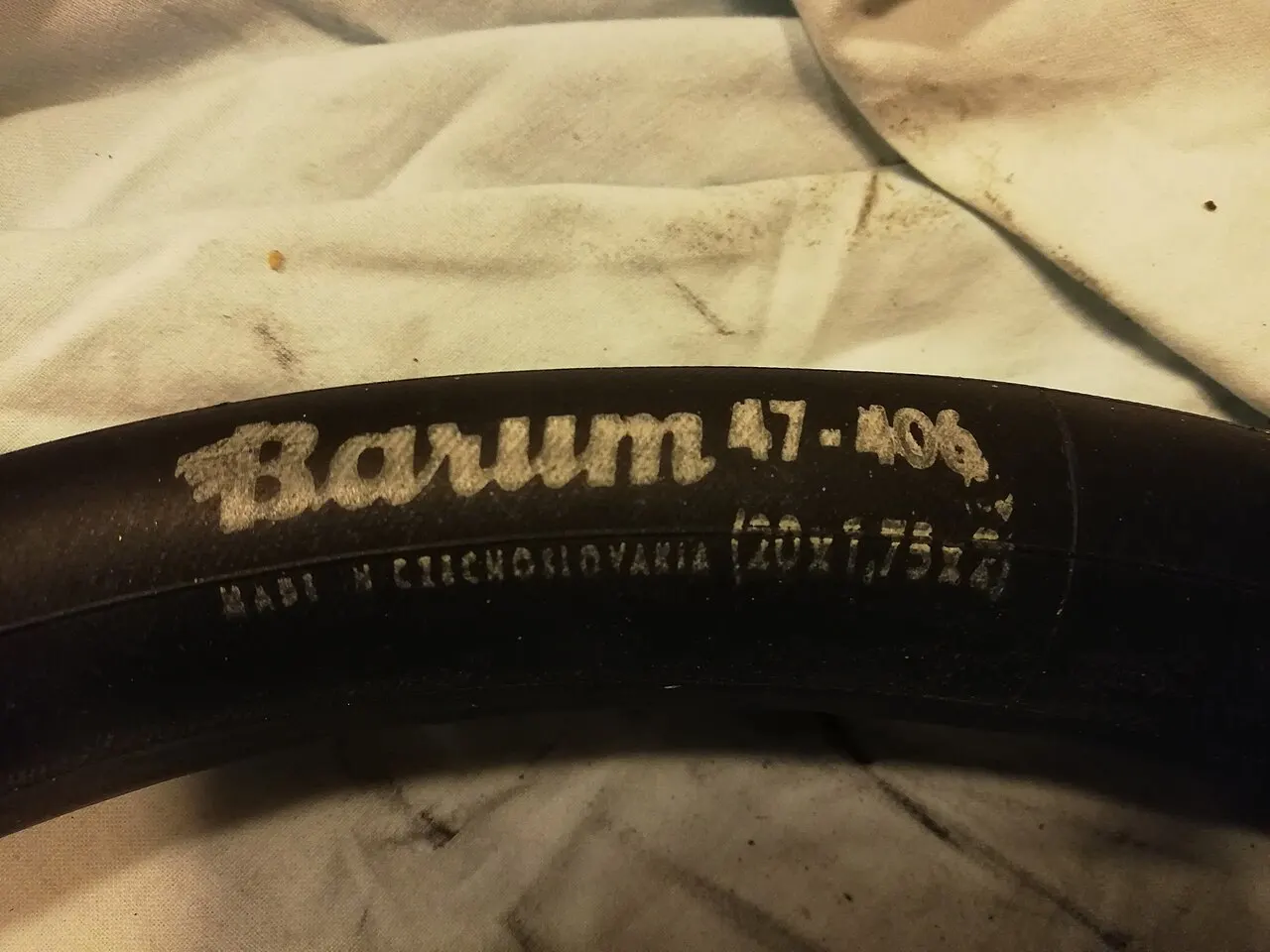
Record the wheel, tire and system, when pressure changed, any visible damage and what a service provider found. A low reading does not alone prove a tread puncture. Valve, tube, tire, rim or another condition can need a different assessment. Keep observation separate from diagnosis rather than calling every loss of air a nail problem.
If a damaged item was removed by a provider, ask for a useful description of the finding and relevant component identity. This can help distinguish an external penetration from another issue without asking you to diagnose it from a photograph. Do not deliberately create a puncture or ride a questionable tire to test a product.
Include route and recent work as context. A replacement tire, unidentified rim setup or service event can matter. The purpose is to understand the actual task before buying. A stronger advertised protection level may not address a problem arising from an incompatible or damaged assembly.
Record tire model and full dimensions, rim identity, tube or tubeless arrangement, valve and relevant pressure instructions at each position. Trikes can use different front and rear equipment. Do not buy three identical liners or bottles of fluid simply because the vehicle has three wheels.
Confirm the current setup rather than only the original sales specification. A used trike may contain substitutions. Where identity or compatibility is uncertain, ask the maker or suitable provider. A product marketed for bicycles is not automatically approved for an unidentified rim, tube material or tire design.
The wheel-size guide explains why broad inch labels are incomplete. The tread guide addresses the surface role separately. Puncture management should not collapse those choices into one marketing claim.
A protective tire uses its own construction as part of the complete product. An added liner is another component installed only where its maker and the tire system permit it. Read the exact size, installation, compatibility and inspection requirements. Do not assume that adding another layer always improves the assembly.
Evaluate whether the proposed product addresses the identified task. A liner intended for a particular application does not repair a damaged tire, unsuitable rim or valve issue. Installation and condition still matter. This article does not endorse an improvised material cut from household plastic or an unrelated tire.
Compare the complete tire replacement with an approved added product using current information and service quotes. A low liner price may omit installation or a connected concern. A protective tire can also require the correct rim fit and clearance. Neither option should be chosen solely from thickness or a dramatic product photograph.

Sealing fluid must suit the intended tire or tube system, valve arrangement, materials and use through its instructions. A product described for tubeless does not automatically approve every inner-tube application, and a compatible fluid's role does not extend to all defects. Read limitations instead of treating the word sealant as universal permission.
Schwalbe's puncture resources describe specific product applications and requirements. Use those as named examples rather than transferring a quantity, procedure or performance claim across brands and systems. This article supplies no universal dosing or renewal schedule. Obtain the actual product and wheel instructions.
Do not mix unidentified fluids or add more to conceal repeated pressure loss. A recurring abnormal condition still needs assessment. A product's ability to address certain small leaks does not repair a large cut, damaged bead or compromised wheel. Keep stop-use and inspection requirements visible in the routine.
Some products are intended to reduce certain puncture effects before a trip; others can have a defined repair role in particular conditions. Read the exact intended use. Do not assume that carrying sealant authorizes pouring it into any valve at the roadside or that a liner removes the need for a recovery plan.
Learn the permitted response in advance with compatible equipment and suitable instruction. A heavy or loaded trike can be awkward to support, and a motor wheel can have specific connections. Do not discover an unfamiliar removal or repair method beside traffic. Obtain service when the task exceeds owner scope.
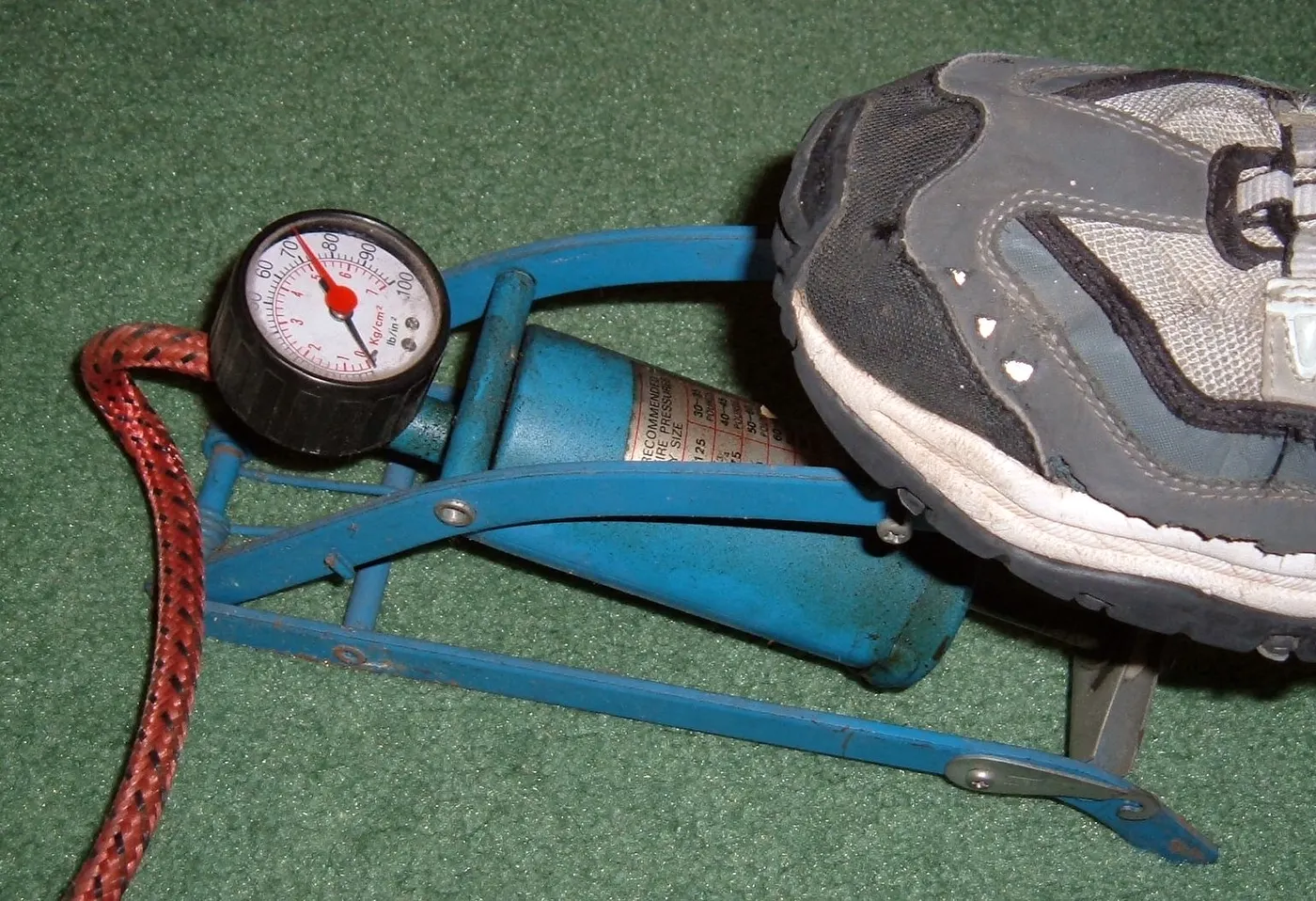
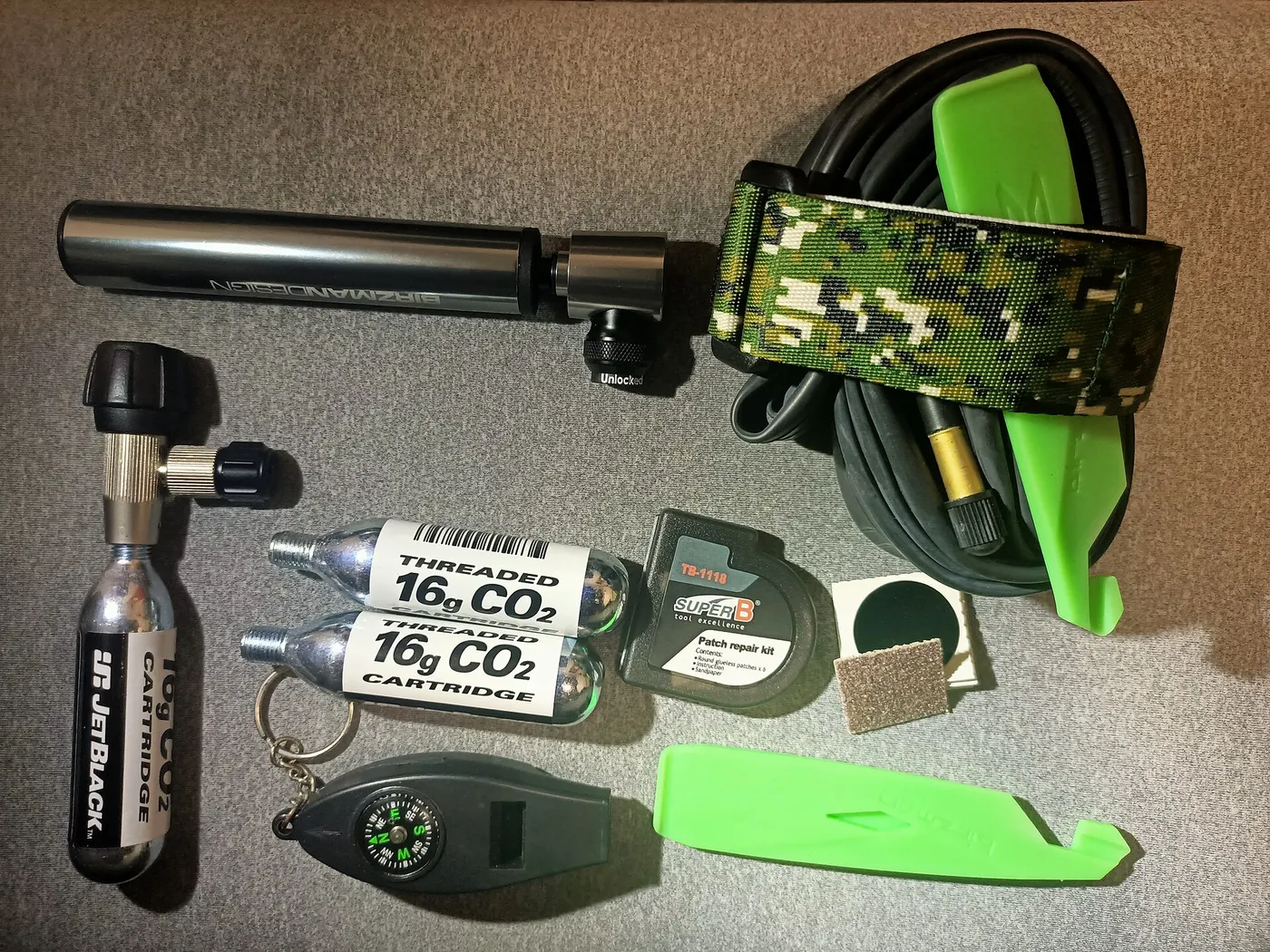
Carry the actual supplies required for the approved procedure and inspect them through their instructions. A generic bicycle kit may omit relevant parts or include incompatible products. The pump-and-gauge guide addresses inflation as a separate task. A pump does not repair damage by itself.
Protective products do not create a new universal operating pressure. Use the vehicle, tire and rim guidance for the actual setup and load. Do not inflate higher because a liner is fitted or reduce by a fixed amount because sealant is present. The complete system's limits remain applicable.
Measure through a suitable repeatable routine. Tire appearance and a thumb check are not a replacement for the specified method. Record recurring pressure concerns and the instrument used, then seek the appropriate assessment. A reassuring reading immediately after inflation does not prove a damaged or leaking system is ready.
Inspect the tire and wheel through the manual independently of the product's advertised protection. A bulge, abnormal seating, damaged sidewall or other concern needs its prescribed response. Do not let a protective label override visible condition or a failed required check.
Read the product's checking, renewal, storage and disposal instructions. A consumable adds a recurring task that may differ from ordinary tube replacement. Do not invent an interval based on another rider's climate or another brand. Keep the actual identity and application record with the vehicle history.
Consider how the product affects future service, including permitted cleaning and handling. Tell a provider what is installed rather than letting it discover an unidentified fluid or liner during work. A clear record can make assessment easier and prevents incompatible materials from being combined by assumption.
For shared ownership, identify which wheel uses which system and what an ordinary pressure concern should prompt. Another user should not automatically add the nearest bottle of fluid because the tire is low. Keep the normal check and service route understandable enough to use consistently.
A protective layer or fluid can change the complete system, but this article does not measure weight, rolling effort or puncture frequency. Use exact product data and relevant tests with their conditions attached where available. Do not assume that more material always provides the best practical tradeoff for your route.
Obtain current quotes for compatible products, installation and recurring service. Compare those with the documented problem and existing arrangement. A protection product can be useful where it addresses an identified task, while a correct ordinary setup may be the first priority where the current system is unsuitable.
Avoid promising a saving from punctures that have not been measured. Your past repair history provides context, not a guaranteed future rate. A total-cost comparison should state known costs and leave uncertain future failures visible rather than inventing an exact break-even distance.
Send the tire, rim, tube or tubeless arrangement, valve and intended task to the relevant maker or provider. Include which defect or observation was assessed where known. Ask whether the exact product is approved and what complete procedure applies. A broad answer that it works on bikes is insufficient for an unidentified system.
If the listing omits size or material information, obtain it before purchase. Keep required adapters and exclusions visible. A connector that reaches the valve is not proof of chemical or system compatibility. Do not use application as a trial that will be judged successful only if the tire temporarily holds air.
Retain the written answer and exact product reference. Reassess after a tire, tube, rim or valve change. A previous compatibility reply can remain useful for unchanged parts while no longer answering the new combination. Updating the record prevents a small replacement from silently changing the system.
Record current system, observed failures, provider findings, proposed product, approval, installation, maintenance and roadside response. Mark unresolved items and the evidence needed. This keeps product comparisons connected to the actual problem instead of ranking labels by apparent strength.
| Decision | Useful information |
|---|---|
| Problem | Actual wheel, observation and assessed defect |
| Fit | Exact tire/rim/tube/valve combination |
| Product | Intended role, compatibility and limits |
| Routine | Installation, checks, renewal and service disclosure |
| Recovery | Permitted repair and realistic exit plan |
Resolve the base system first. A favorable protection claim cannot compensate for an incompatible rim, damaged tire or unclear operating pressure. Among approved options, compare the upkeep you can sustain and the support you can obtain.
Imagine an upright trike has repeated pressure loss at one rear wheel. Record the actual readings, tire setup, recent work and any assessed finding. Do not install a liner automatically before identifying whether the concern involves the tread, valve, tube, rim or another condition. Obtain the appropriate inspection.
If a compatible protection option addresses the assessed task, follow its complete method and maintenance. If the base assembly needs correction, resolve that first. The example explains sequencing, not a diagnosis or a guarantee that one product prevents future problems.
Explain the selected product's role and limits to everyone using or servicing the vehicle. Keep its identity and significant work in the record. An affiliate recommendation should identify the compatible scenario and evidence scope, not claim puncture-proof operation for every adult or senior trike.
Protective tires, liners and fluids are useful only within a sound compatible system and manageable routine. Match the product to the task, preserve pressure and condition checks, and keep an appropriate response when damage exceeds its role.
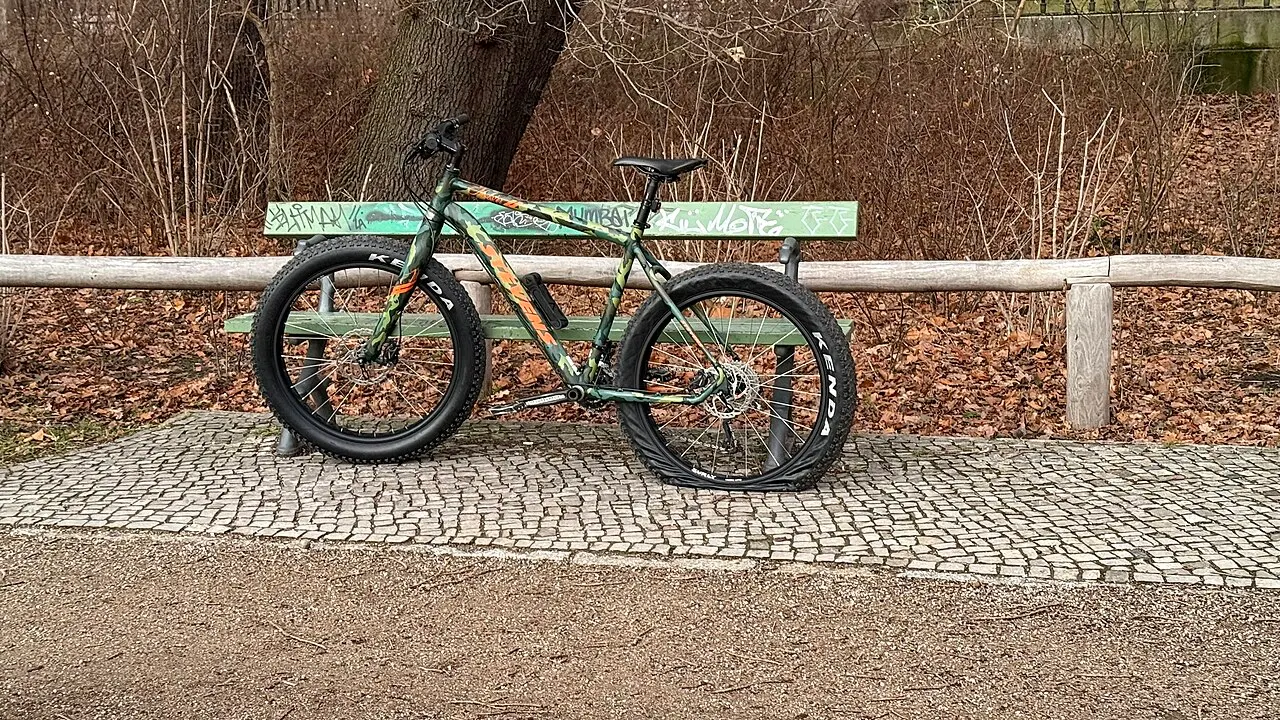
Create a row for each assessed event with the wheel, actual system, observed pressure concern, service finding and action. Leave an unknown cause marked unknown. A collection of low-tire observations does not establish a repeated tread-penetration problem. The record helps distinguish a task that an approved protection product might address from a base assembly or maintenance concern requiring another response.
Ask the provider to describe findings in ordinary terms and identify the affected component. You do not need a laboratory report, but a clear distinction between tire, tube, valve and rim-related work can change the purchasing decision. Do not label every replaced tube as evidence that a liner was missing or every temporary seal as proof that the system is restored.
Keep route history as context rather than a guaranteed explanation. A surface change or service event can be relevant without proving causation. If a product is proposed, connect its intended role to the assessed task and preserve its limitations. This produces a more useful shortlist than choosing the thickest-looking item before understanding what has actually failed.
A manufacturer's rating can organize products in that maker's range, but it is not automatically comparable with a different brand's scale. Record the actual claim and definition where supplied. Do not turn an ordinal protection level into a measured puncture probability or a promise of roadside immunity on a trike.
Where test evidence exists, retain product version, size, method and conditions. A result for another construction or setup may be useful context but cannot silently rank the item you intend to install. This article performs no original protection test. Buying advice should distinguish evidence from marketing and leave untested outcomes visible.
Use compatibility and maintenance as essential filters before preference. A high rating should not compensate for an unapproved rim or a damaged tire. Among suitable options, compare the routine you can sustain and current support. The resulting choice can be practical without claiming that it eliminates every future failure.
Record the exact fluid or liner identity, approved application, significant installation work and the maintenance source. Tell a future provider what is fitted before wheel work. An unidentified material discovered during service can make assessment harder and create an unresolved compatibility question. A clear record prevents the product's role from depending on one owner's memory.
If the system changes, revisit compatibility. A new tube material, valve, tire or rim can affect the earlier answer. Do not add leftover product automatically because it was approved in the old combination. Obtain the relevant guidance and keep any uncertainty visible until resolved. A small replacement can change the complete system even where the wheel's broad size label remains the same.
Follow storage and disposal instructions for the consumable and do not mix unidentified remnants. Keep labels readable and supplies maintained. A kit should contain products for defined permitted tasks, not every bottle that has accumulated in the garage. This supports both ordinary upkeep and an accurate service handover.
Imagine a provider identifies a problem that could be addressed through a compatible protective tire, an approved added product or a suitable route change. Compare the complete fit, installation, upkeep and actual costs of each. Do not assume the accessory is automatically cheaper or the tire automatically more effective without relevant evidence.
If a base component needs correction, complete that work first. A protection product should not be used to conceal the underlying condition. If all shortlisted options are approved and address the task, owner preference and service effort can distinguish them. Keep future puncture frequency uncertain rather than constructing a precise savings forecast from an unmeasured rate.
The useful conclusion explains what the selected arrangement does and what the owner still checks or carries. It is not a statement that the trike is now puncture-proof. Clear limits and a practical recovery plan make the advice more useful than a dramatic promise about an untested product.
Use the actual tire and vehicle instructions for pressure and condition checks even when the installed protection product appears to be working. A completed trip or sealed leak should not remove the ordinary inspection requirement. If an abnormal condition returns, record it and obtain the relevant assessment rather than automatically increasing product quantity.
Tell another user which system is installed and where its instructions are kept. A low tire should prompt the correct defined routine, not an improvised combination of fluids or materials. This is a practical maintenance note rather than a protection guarantee. The product remains one part of a compatible wheel assembly, with its role and limits understood before the next journey.
Research-based selection guide. No liner, sealant, protection rate, mass or rolling-effort test was performed. No universal quantity, repair method or renewal interval is prescribed.
Guide
Choose your first adult tricycle by checking rider fit, storage, weight limits, gears, brakes, assembly, and service before buying.

Guide
Learn how to compare adult electric tricycles for control, fit, batteries, braking, transport, and ownership support.

Guide
Understand the leg and hip muscles used when pedaling a tricycle, plus how fit, resistance, and electric assistance change the effort.