



Guide
First Adult Tricycle Buying Guide
Choose your first adult tricycle by checking rider fit, storage, weight limits, gears, brakes, assembly, and service before buying.
We research everything we recommend. When you buy through our links, we may earn a commission. Learn more
Guide
Prepare for trike delivery, document package condition, inventory parts, report damage promptly, and separate receiving from assembly and inspection.

Updated · 12 min read
Receiving an adult tricycle is a separate job from assembling and riding it. The useful sequence is to confirm the shipment, document its condition, open it through the seller's instructions, identify the contents, and resolve damage or missing parts before proceeding. A large intact carton does not prove that the vehicle inside is ready to use, and a dented carton does not identify which component, if any, is damaged.
Prepare for delivery before the package arrives. You need enough suitable space, the seller's current instructions, a practical handling plan, and a way to keep packaging and records organized. This guide covers receipt and documentation; the assembly and first-ride guide addresses the next stage after shipment concerns have been resolved.

Read the order confirmation and shipping information for the exact purchase. Identify the model, version, accessories, expected packages, and whether any items ship separately. Lectric's shipping policy, for example, notes that a battery may arrive separately. That is a seller-specific example, not a reason to assume a missing battery in another shipment is normal. Match the received packages against your actual order and notices.
Keep the seller's contact route and damage-reporting requirements accessible. Policies can specify a deadline, evidence, packaging retention, and authorization before a return or repair. Record the policy that applies to your order rather than relying on a general consumer-forum description. This article does not determine your legal rights or promise a particular remedy; it helps you preserve the information needed to follow the applicable process promptly.
Clarify delivery access if the carton or pallet may not fit through the entrance. Ask about the delivery service and where the shipment will be left. Do not assume that a driver will carry a heavy trike upstairs, unpack it, or move it into a workshop. Arrange appropriate help and equipment through the receiving and product instructions. A purchase that fits your riding plan still needs a workable route from delivery point to assembly area.
Choose a suitable dry space where packaging, loose parts, and the partly assembled trike can remain undisturbed. Keep pets, children, and unrelated work away from the area. A trike can occupy more room during assembly than in its finished state because wheels, guards, and packaging spread around it. If you will use a professional assembler, discuss whether the shop should receive the shipment or whether you should leave particular packaging unopened.
Arrange handling before cutting straps or lifting the carton. Follow the package and vehicle guidance about orientation and assistance. Do not grip a cable, fender, basket, display, or another convenient protrusion as a lifting point unless that use is explicitly permitted. Heavy or awkward packages should not be moved by trial and error. If the receiving location creates an unsafe handling problem, stop and obtain suitable assistance.
Have the order record, camera, and a simple inventory sheet ready. Use whatever opening tools the package instructions require, with care around hidden contents. Avoid driving a blade deeply into a carton; a cable, tire, seat fabric, or accessory may sit close to the wall. Follow the marked opening procedure where provided. The goal is to unpack without adding damage that makes the shipment's original condition harder to establish.
Photograph the complete package from several sides and capture visible tears, crushed areas, moisture, broken straps, or abnormal orientation. Keep a wider image showing where the damage is on the carton and a close view showing detail. Include the shipment identifier in your private record, but avoid publishing labels containing addresses or personal information. These photographs establish what you observed; they are not a technical diagnosis of the vehicle inside.
If the delivery service offers a condition notation or other documented process, use it accurately and follow the seller's instructions. Do not write that a frame is broken when you have only seen a damaged carton. Equally, do not ignore a visible problem because the driver says everything is probably fine. State the observable condition and preserve the relevant delivery record. Ask the seller how to proceed when the damage is substantial or instructions are unclear.
Record the date of arrival for each package. Separate shipments can have separate timelines under the applicable policy. Keep tracking notices and correspondence together so you do not confuse a battery package with the main trike carton. Prompt documentation is particularly useful when you cannot assemble immediately: a later discovery should still be connected to the correct package and arrival date.
Follow the packing instructions and take photographs as each layer is removed. Note any loose parts, displaced protection, or visible contact between components. You do not need an elaborate production video for every order, but a clear sequence can explain a problem more effectively than one close-up taken after everything has been moved. Avoid rearranging damaged items unnecessarily before documenting their initial positions.
Keep protective materials and the carton until the seller's process tells you they are no longer needed. Original packaging can matter for inspection, replacement, or a permitted return. Do not discard it immediately because the vehicle appears intact, and do not assume that a generic box will be accepted for a heavy trike shipment. If space is limited, ask what must be retained and how it can be stored without losing important labels or protective pieces.
As parts come out, group them by the manual's inventory rather than by guesses about their purpose. A small bracket, spacer, or washer can be essential to a later step. Keep labeled hardware bags intact where possible. Do not substitute household hardware for an unidentified missing part. A plausible-looking bolt can have different dimensions, strength, or intended use. Obtain the correct identification and replacement through the seller or manufacturer.

Use the current packing list and assembly document for the delivered version. Some manuals cover several models and include optional equipment. Mark whether an item is required, optional, separately shipped, or already installed. If a photograph in the manual differs from your parts, establish whether the document applies before proceeding. Do not force a component into the pictured location merely to make a mixed-version instruction seem consistent.
Record the model identity and serial information where the manufacturer directs, keeping those details private when appropriate. Compare the order specification with the delivered drivetrain, battery, seat, wheels, and accessories without claiming that appearance alone verifies authenticity or performance. If you receive a different version, ask the seller to resolve the discrepancy. A substitution may affect compatibility even when it seems like an upgrade.
Keep an unresolved-items list. For example: one accessory listed on the order has no shipping notice, a rear fender appears bent, or the hardware bag contains a part not shown in the relevant step. This is more useful than a message saying the box is wrong. Give each issue a photograph or document reference where possible, and state which stage of unpacking or assembly you reached before stopping.
Visible cracks, bent structural or steering parts, damaged electrical equipment, abnormal wheel condition, or missing critical hardware require appropriate assessment. Do not straighten a suspected damaged component, glue a crack, or connect a questionable battery to see whether it works. Those actions can create risk and obscure the condition that the seller needs to evaluate. Follow the product's stop-use and support instructions.
A scratch in a finish and a distorted brake or steering part are different issues, but you do not need to determine the final remedy yourself. Describe the location and visible condition, then ask for assessment. Do not minimize a problem simply because the trike was inexpensive. Also avoid labeling every superficial mark as structural failure. Accurate observations support a better response than confident diagnosis from a single photograph.
Battery and charger concerns belong in their own handling process. If there is damage, leakage, unusual heat, or another abnormal condition, follow the manufacturer and relevant emergency guidance; do not open the battery or improvise shipping. The battery charging and storage guide explains normal owner boundaries. A courier return for electrical equipment may require specific authorization and instructions.

Include the order reference, exact product, package arrival date, and a short description of the problem. Attach a clear overall photograph and the relevant close views. State whether the component was found damaged during unpacking, whether assembly has begun, and whether the vehicle has been used. Do not omit prior attempts to adjust or repair the item: they can matter to the assessment.
Ask for the specific next step. You may need confirmation about continued unpacking, a correct replacement part, authorized inspection, or a return process. Avoid starting several independent modifications while waiting for an answer. Keep the support thread and any authorization together. If a replacement arrives, verify its identity and instructions instead of assuming that every part carrying the same general name installs in the same way.
Lectric's cited shipping-damage page currently asks for photographs and states a fourteen-day reporting period. Its shipping policy also addresses damage claims. These are examples of why timely documentation matters; they are not universal deadlines for all sellers, nor a complete interpretation of every applicable right. Check the policy and purchase terms for your actual order and use the current official contact route.
An inventory check can confirm that the listed parts appear present. It cannot establish that fasteners are correctly secured, brakes are adjusted, wheels are installed appropriately, or the trike is ready to ride. Proceed through the exact assembly instructions and any required professional inspection after shipment concerns are resolved. The torque-wrench guide explains why tightening by guesswork is not a substitute for those instructions.
If a shop will assemble the trike, share the shipment record and unresolved issues before work begins. Ask it to distinguish shipping observations from assembly findings. A technician may discover a concern that was not visible in the carton. Preserve that report and obtain the seller's direction where required before repairs. The repair-shop guide provides a useful briefing structure.
Photograph the completed, approved configuration for your ownership record, but do not label it professionally checked unless that inspection actually occurred. Keep the manual, supplied hardware information, replacement correspondence, and any service documentation together. A truthful record of what was completed and by whom is more useful than a checklist that treats unpacked, assembled, and inspected as the same status.
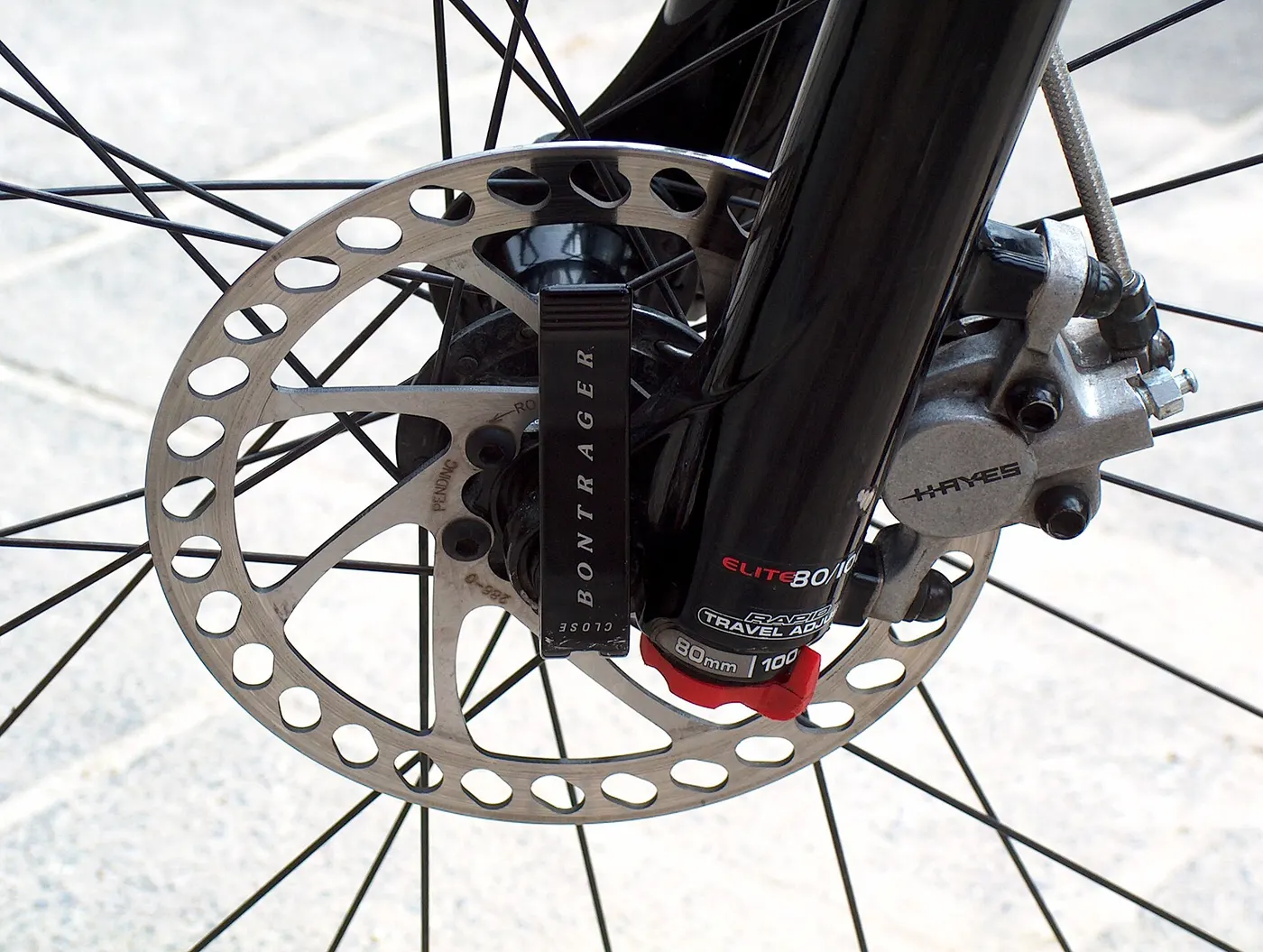
Imagine the carton has a crushed corner and a rear fender appears distorted when unpacked. Photograph both conditions and the fender's initial position, identify the exact part, and contact support through the applicable process. Do not immediately bend it into shape to see whether it clears the tire. That adjustment may be outside the approved procedure and can remove evidence of how it arrived.
If support authorizes replacement, confirm whether the trike can be assembled without that part and whether riding is permitted before it is fitted. Those are separate questions. A fender can share hardware with reflectors or other equipment, so its absence should not be treated as purely cosmetic. Use the fender and mudguard guide to prepare compatibility questions, while the exact product instructions determine the work.
When the replacement is fitted, complete the specified clearance and pre-ride checks. Retain the resolution with the shipment record. The useful result is not simply that the damaged appearance has disappeared; it is that the correct part and procedure have been established and the vehicle has passed the required next-stage checks.
Before a future order, compare delivery method, assembly support, packaging requirements, and the practical cost of resolving a large-item problem. A low purchase price may still require substantial handling or return work. The online buying and ownership-cost guide helps connect these details to the total decision.
Delivery is successful when the shipment is identified, documented, inventoried, and passed into an appropriate assembly or service process. Prompt records preserve options and reduce confusion. They do not replace a mechanical inspection, but they help that inspection begin with an accurate history instead of an already modified vehicle and a discarded carton.
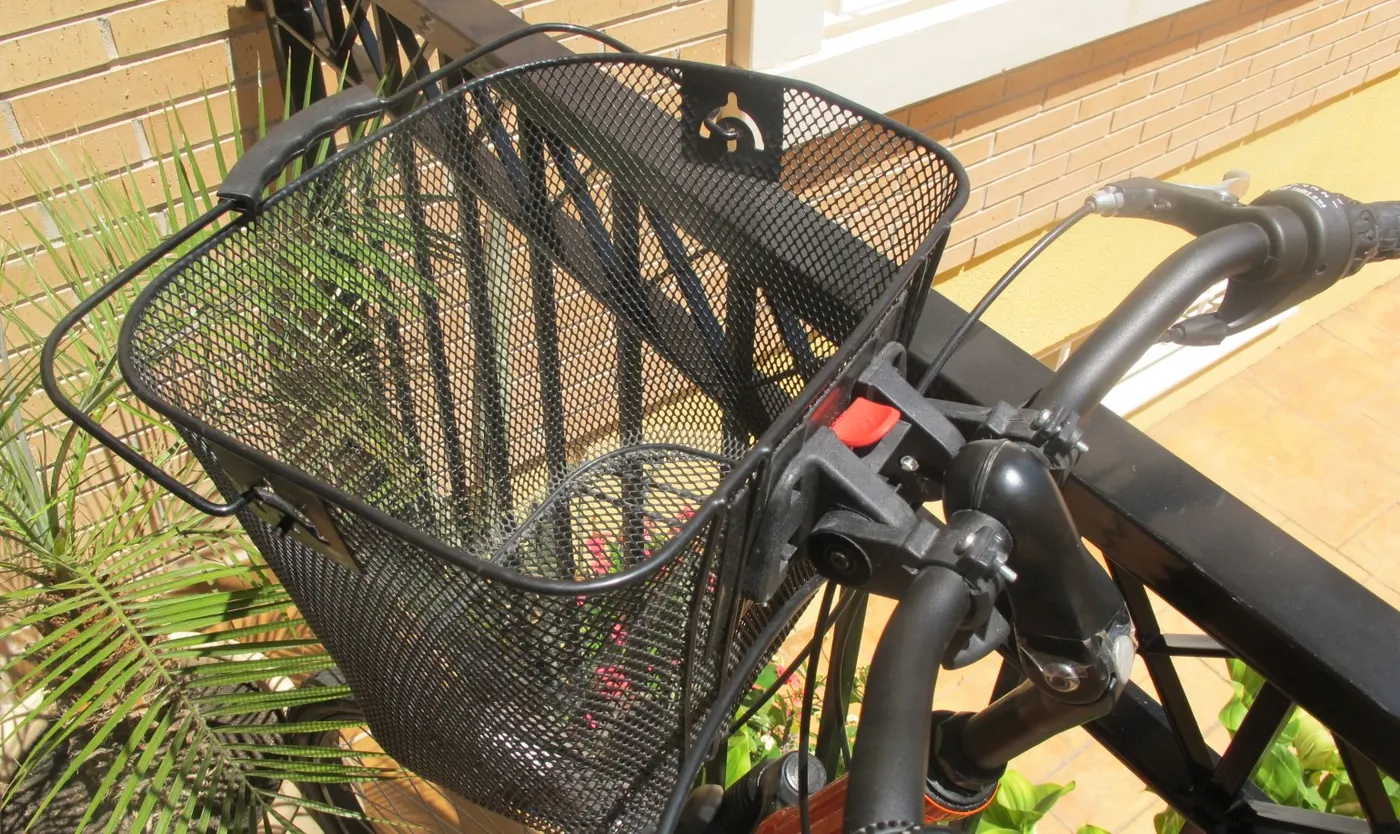
Create one entry for each shipment with its identifier, arrival date, exterior condition, contents, and open issue. This is particularly helpful when the main vehicle, battery, and accessories do not arrive together. Keep the private shipment details with the order record. In a support message, include only the information needed to identify the relevant package and explain the issue.
Mark whether an item is present, separately dispatched, unconfirmed, or missing according to the order and seller information. Do not mark an unconfirmed item missing before checking the notices, and do not mark it resolved merely because separate shipping is possible. These distinctions help support respond to the actual gap. If a shipping notice arrives later, update the log rather than starting a contradictory thread.
Record each authorized next step and its completion. A support reply might permit continued unpacking while asking that a damaged component remain unused, or request a particular photograph before replacement. Keep that direction next to the relevant issue. A second person helping with assembly should not have to infer which parts can be handled or which work must wait.
When a replacement is authorized, confirm the exact part identity, included hardware, instructions, and what should happen to the original item. Do not discard or ship the original until the seller's process tells you to do so. A replacement package should be documented on arrival too, particularly if its condition or contents raise another question.
Compare the replacement with the authorized specification, not only with the damaged part's appearance. A revised component may require a different procedure or additional hardware. Ask about any discrepancy before installation. A part that looks close enough can still have a different mounting arrangement, and forcing it to match the previous geometry can create another problem.
After installation through the approved method, complete the required checks and retain the resolution. State whether the work was performed by the owner or a shop. If the original symptom or interference remains, contact support with the updated observation rather than assuming replacement proves the complete assembly is correct. The history should connect receipt, assessment, authorized remedy, and the verified next stage.
If professional assembly is planned, coordinate the delivery and appointment so the applicable reporting process remains workable. A vehicle left unopened for a long time can make timely discovery and documentation more difficult. Ask the provider how it wants the shipment prepared and whether it can identify concerns promptly. Do not infer that a later assembly booking extends a seller's stated reporting window.
Keep room for delays and separate shipments. The assembly provider may need all relevant parts before completing the work, while a damaged item may require authorization or replacement. Avoid scheduling an essential first trip on the assumption that a large online order will be ready immediately after arrival. The delivery plan should include time for the documented process rather than treating assembly as a guaranteed same-day outcome.
Research-based receiving guide. No shipment was inspected for this article. The scenario is illustrative and does not determine a seller's remedy, a component's condition, or legal rights.
Guide
Choose your first adult tricycle by checking rider fit, storage, weight limits, gears, brakes, assembly, and service before buying.

Guide
Learn how to compare adult electric tricycles for control, fit, batteries, braking, transport, and ownership support.

Guide
Understand the leg and hip muscles used when pedaling a tricycle, plus how fit, resistance, and electric assistance change the effort.